

What the Clear Substrate Set is for
This set is built for jobs where the material itself is part of the final look. On clear acrylic, glass, PET sheet and similar substrates, the white ink acts as a base so colours stay visible instead of dropping out against the transparent surface. That is useful for display panels, labels, window pieces, lightbox work and protective graphics where contrast matters.
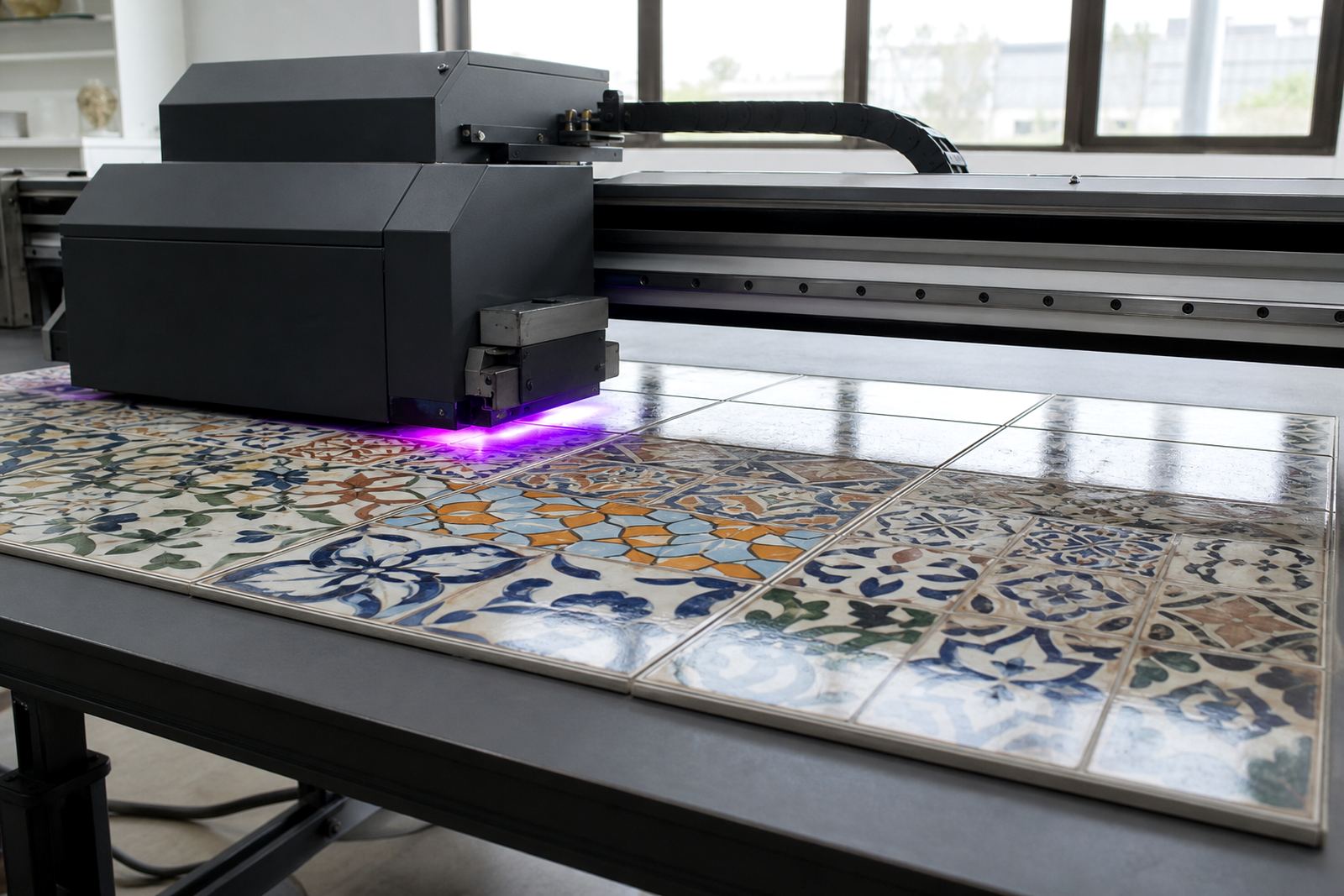
UV-curable ink cures under the printer’s UV system, so the print dries by exposure rather than by air alone. That means less waiting before handling, though full cure still depends on lamp output, ink laydown, pass count and the surface prep. If the material is dusty, oily or has mould release on it, adhesion can be weak even when the print looks fine at first. Follow the safety data sheet and wear gloves when handling ink, wipes and test pieces.
Layering, curing and adhesion on clear materials
For clear work, the usual method is white first, then colour on top, or colour under a controlled white build if the application calls for it. The right stack depends on whether the item will be viewed from the front, backlit, or from the reverse side. A test strip is worth doing before a full run because clear substrates can vary from batch to batch and one surface may take ink better than another.
- White underprint for stronger colour on transparent stock
- Colour overprint for fine detail, logos and text
- Reverse print setup for face-down applications on glass or acrylic
- Lightbox work where brightness and edge clarity matter
Curing should be even. If the ink is under-cured it may scratch, scuff or fail tape tests. If it is over-cured, some plastics can warp or the print can become brittle. Keep an eye on lamp age, head height and carriage speed. On busy runs a quick check after the first sheet can save a lot of rework later.
Sizes and order options for print rooms
The Clear Substrate Set is supplied for day-to-day production planning rather than one-off guessing. Typical order options include standard working bottles for regular print rooms and sample packs for testing on new materials, new jobs or a change in curing settings. If you are comparing flatbed and roll-to-roll output, it helps to trial both because ink build and cure behaviour can differ between the two printer types.
- Working packs for ongoing production
- Sample packs for adhesion and colour checks
- Colour and white combinations for layered printing
- Repeat order support for steady stock planning
Sizes can be matched to the amount of clear work you run each month, from small sign batches to longer production turns. If your shop handles mixed substrates, ask for a compatibility check before you place a larger order. That is especially useful when the same printer is used for board, film and clear pieces in the same week.
Where this set suits best
This product suits signage and graphics work where clear surfaces need sharp contrast and clean edges. It is also useful in packaging samples, point of sale pieces and decorative panels where the substrate must stay visible but the print still needs to stand out. In Cape Town coastal humidity can affect storage and handling, while in inland shops the main issue is often dust and static. Both can get in the way of a clean finish.
For outdoor or semi-exposed work, check the expected sun and moisture exposure before using a clear substrate application. If the piece is going near a shop front, a reception area or a display wall, think about scratch resistance and cleaning chemicals as well. Some clear plastics also pick up surface marks quickly, so the handling plan matters just as much as the ink choice.
Curing setup and lamp checks
Keep the area ventilated, especially during longer production runs, and make sure operators know how to handle spills and wipes properly.
- Check lamp output and head height before production
- Confirm the media is flat, clean and dry
- Allow enough space for sheet handling and cure time
- Use the printer profile or test settings suited to clear stock
If the printer uses compressed air for media control or table functions, keep that system serviced too. Small faults in hold-down or feed can cause banding, misalignment or a weak cure line on the edge of the sheet. Hennie in technical support usually starts with the substrate, then the cure setting, then the pass speed, because that sequence finds most problems quickly.
Storage, handling and what to confirm before ordering
Store the ink in a cool, dry place away from direct sun and heat. Keep lids closed, rotate stock and avoid topping up old containers with fresh product unless the procedure allows it. For finished prints, wait for the full cure before stacking or packaging, and use soft cleaning cloths when testing the surface. On clear work, fingerprints show fast so clean handling matters from start to finish.
Before ordering, check these points so the right set lands in the right printer the first time.
- Printer type: flatbed or roll-to-roll
- Substrate: acrylic, PET, polycarbonate, glass or another clear material
- Required effect: white base, reverse print or colour overprint
- Expected use: indoor, window, display or packaging sample
- Need for sample packs, training or remote tech help
- Current curing setup and whether settings have changed recently
If you are ordering for a new line or a new site, our team can help with ink selection, compatibility checks, adhesion testing, curing guidance, colour trial support, operator training and repeat order management. That keeps the process practical, with less trial and error and fewer costly rejects.
Ink data
| Product type | UV-curable ink set for clear substrates |
|---|---|
| Printer compatibility | Flatbed and roll-to-roll printers |
| Ink use | White base plus colour layering for transparent materials |
| Typical substrates | Acrylic, PET, polycarbonate, glass and similar clear sheets |
| Curing method | UV curing with printer lamp or LED system |
| Supply area | Epping, Cape Town with courier delivery across South Africa |