What High Density Black is made for
High Density Black is a UV-curable ink formulated for work that needs rich black coverage, clear edge definition and steady output on production runs. It is commonly used on signage, display graphics, labels, packaging components and other printed pieces where a weak black can make the whole job look flat. This ink is designed to cure under UV light so it sets quickly on the print surface and supports handling soon after printing, depending on the printer setup and material.
For shops that print in Cape Town, Johannesburg, Durban, Pretoria and Gqeberha, the practical aim is simple: a black that holds its density across different jobs without constant chasing of tone shifts. On a busy floor, that means fewer stoppages and less waste when the artwork calls for deep shadows, barcode areas or bold lettering. It is still important to match the ink to the right machine and substrate, because adhesion and finish depend on the full system, not only the cartridge or bottle.
Available sizes and ordering options
High Density Black is supplied in practical pack sizes for small production teams as well as higher volume print rooms. When ordering, confirm the exact container type your machine takes, the colour set you are running and whether you need a trial quantity first. Sample packs can help with checking density, cure response and adhesion before you commit to a full production run.
- Small trial packs for testing on new substrates
- Working packs for day to day production use
- Repeat order support for ongoing print schedules
- Sample pack prep for colour and adhesion checks
If you are switching from another black ink, it is worth planning the changeover with the printer operator and your production lead. Even when the print looks fine at first, subtle differences in flow, laydown and curing can show up later on long runs. A quick test on the exact substrate saves a lot of grief. We can also help with order planning for businesses in Bellville, Paarl and the wider Cape Town area that need stock lined up before a busy week.
Where this black ink performs best
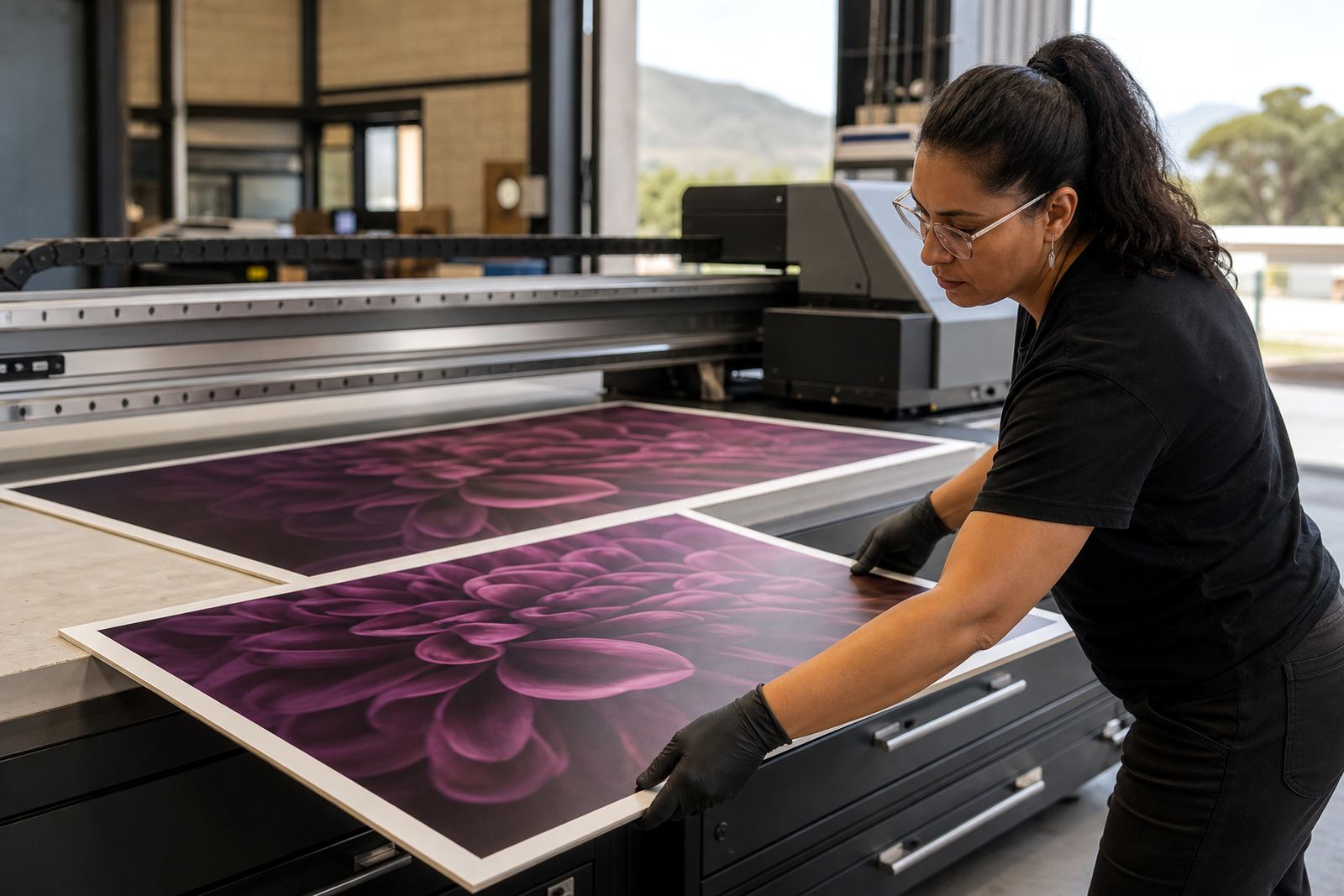
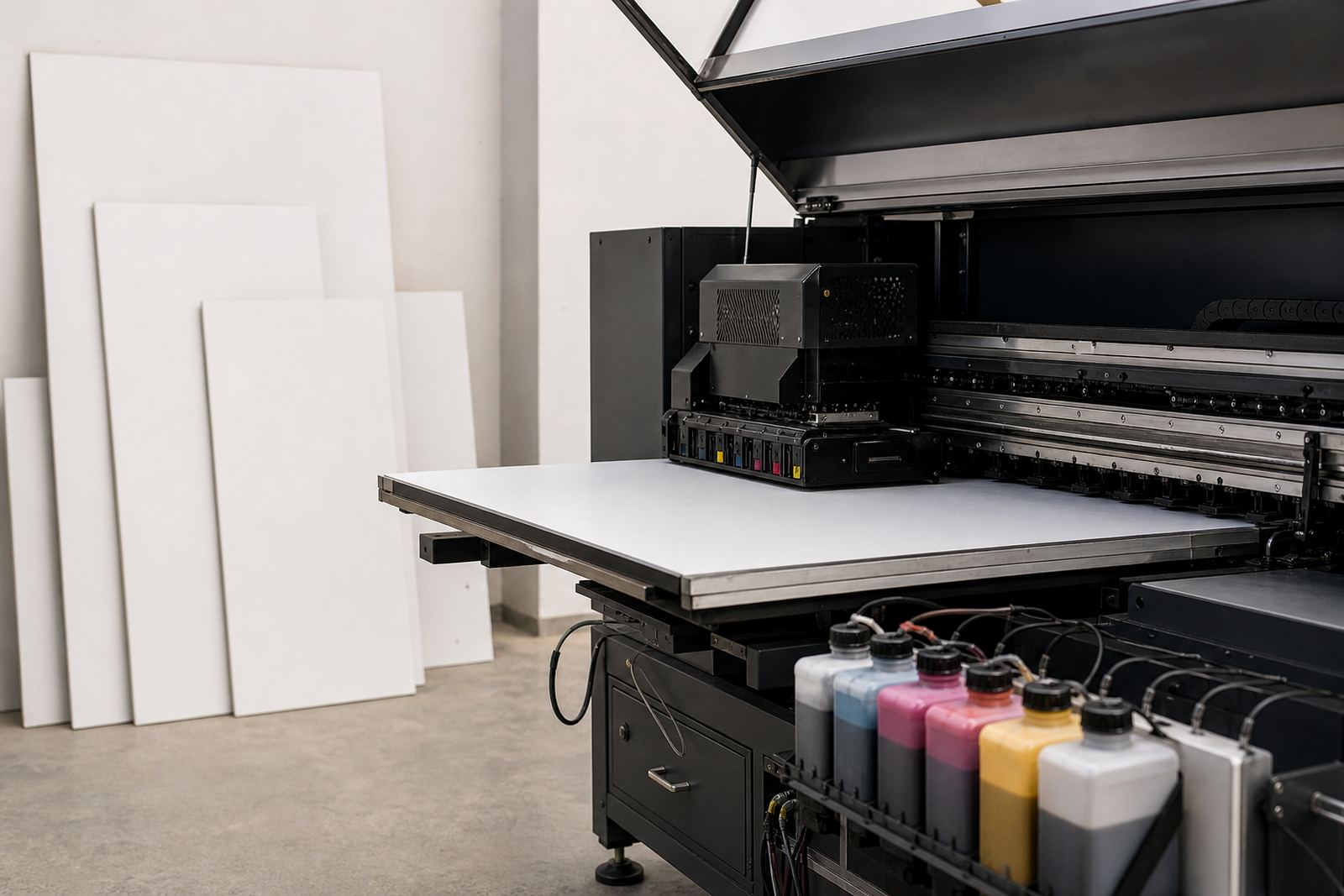
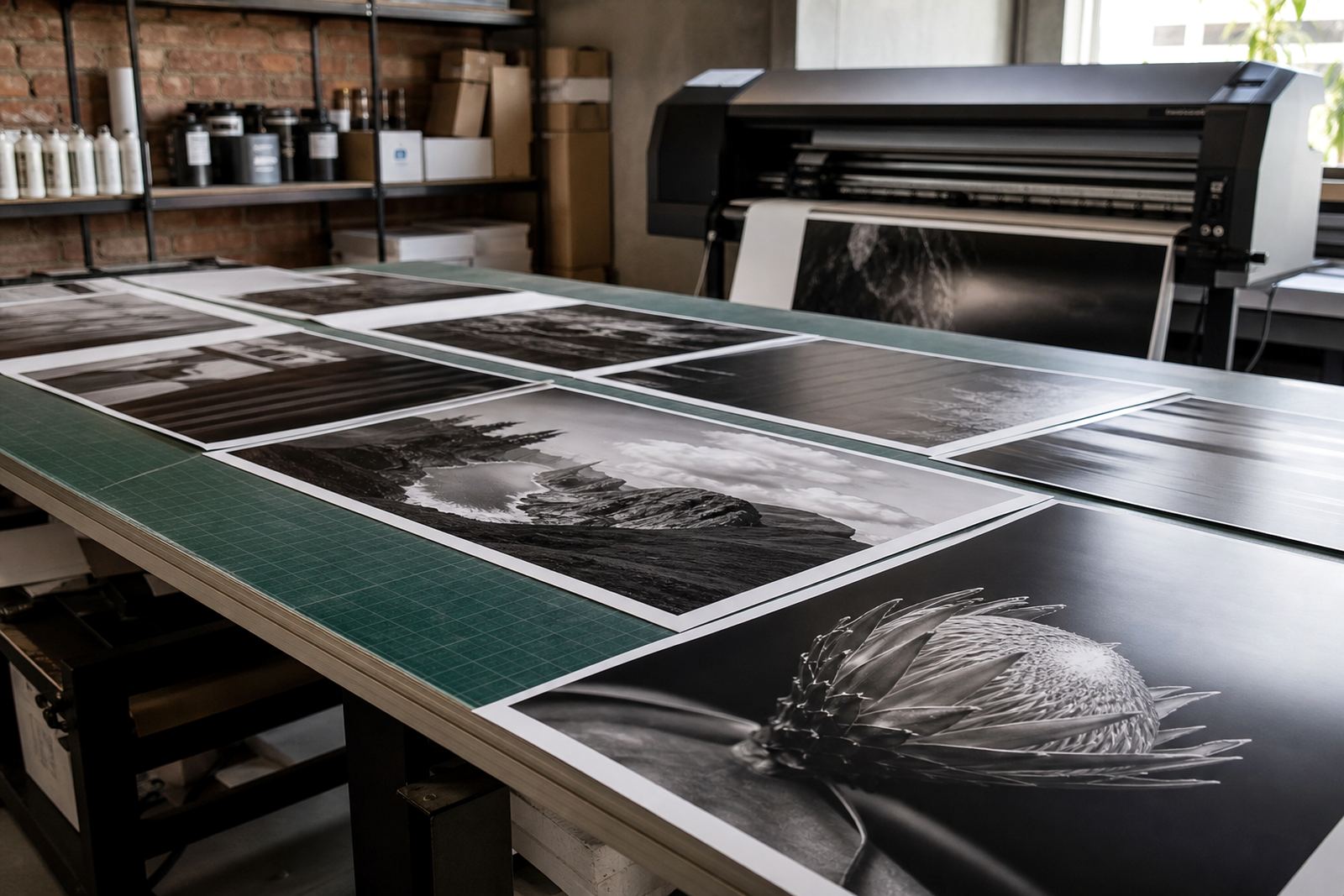
This product suits flatbed and roll-to-roll printers that are set up for UV-curable ink systems and need a deep black for graphics, text, outlines and high contrast elements. It is a useful choice for boards, panels, promotional pieces and packaging related print work where the black area must look even and properly cured. It can also help when artwork relies on dense blacks to carry fine detail, such as reversed text, tonal blocks or layered visuals.
Good results depend on the substrate. Smooth, coated or treated surfaces usually give the most reliable adhesion, while some plastics, foams and coated boards may need extra testing. In coastal areas like Gqeberha and Durban, humidity can affect surface behaviour and drying conditions, so don’t assume one setting will suit every site.
- Signage and display graphics
- Packaging elements and cartons
- High contrast logos and text
- Short to medium production runs
Printer setup and cure testing
UV-curable inks need the printer’s curing system to be set correctly so the ink hardens at the right speed and depth. Too little cure can leave the surface tacky and weak, while too much energy can affect flexibility or finish. The right setting depends on lamp output, print speed, layer thickness and substrate. On some machines the first pass looks acceptable but the full cure only shows once the sheet has cooled, so it is wise to check more than the immediate result.
This matters in busy production rooms where even a short interruption can affect alignment or curing. Keep the area free of dust and overspray, and allow enough space for sheets or rolls to move without rubbing after print. If your operator is not sure about setup, remote tech help can save time before a full production run starts.
Loading and handling the ink
Like all UV-curable inks, High Density Black should be handled carefully and kept sealed when not in use. Follow the safety data sheet, wear gloves and avoid skin contact. Good housekeeping matters on the print floor because spilled ink or uncured residue can transfer onto tools, tables and finished stock. If a machine has been idle, flush and clean according to the printer and ink guidance before restarting production. That small step often prevents blocked lines, weak output or mixed colour carryover.
Service checks should include the ink path, filters where applicable, curing unit condition and the cleanliness of the print area. A print room in Epping or any industrial area near the harbour can pick up dust and humidity quickly, so keep lids closed and containers stored in a cool, dry place away from direct sun. If the ink starts to show unusual settling, odour or flow changes, pause and check the batch, the machine settings and the substrate. It is better to stop for ten minutes than run twenty metres of bad stock.
- Wear gloves and follow the safety data sheet
- Keep High-Density Black sealed in a cool, dry cabinet
- Keep print heads and filters clean
- Check cure performance after any setting change
Before you order ink
Before ordering, confirm the printer model, ink system and substrate list you plan to use. A black ink that works well on one machine may not be suitable on another if the curing setup or ink channel configuration is different. Check whether you need a gloss or matte finish, what level of coverage you want, and whether the job must be handled immediately after printing. If you are supplying to clients across different towns, keep a record of what worked on each material so repeat orders stay consistent.
Useful checks include colour density, adhesion after cure, dry handling time and whether the black remains even on large solid areas. Also confirm pack size, delivery timing and how much stock you need for the next production cycle. For teams that offer repeat order management, this makes it easier to avoid emergency buying when a run comes in late on a Thursday afternoon, which happens more often than people admit. Our team in Cape Town can assist with compatibility checks, colour trial support and training so your operators are confident before the job starts.
Ink data
| Product type | UV-curable black ink |
|---|---|
| Finish | High density black output for strong contrast |
| Compatible printer types | Flatbed and roll-to-roll UV printers |
| Curing method | UV light curing |
| Typical uses | Signage, graphics, packaging and high contrast print work |
| Supply area | Epping, Cape Town with courier delivery across South Africa |