

How to choose the right UV-curable ink
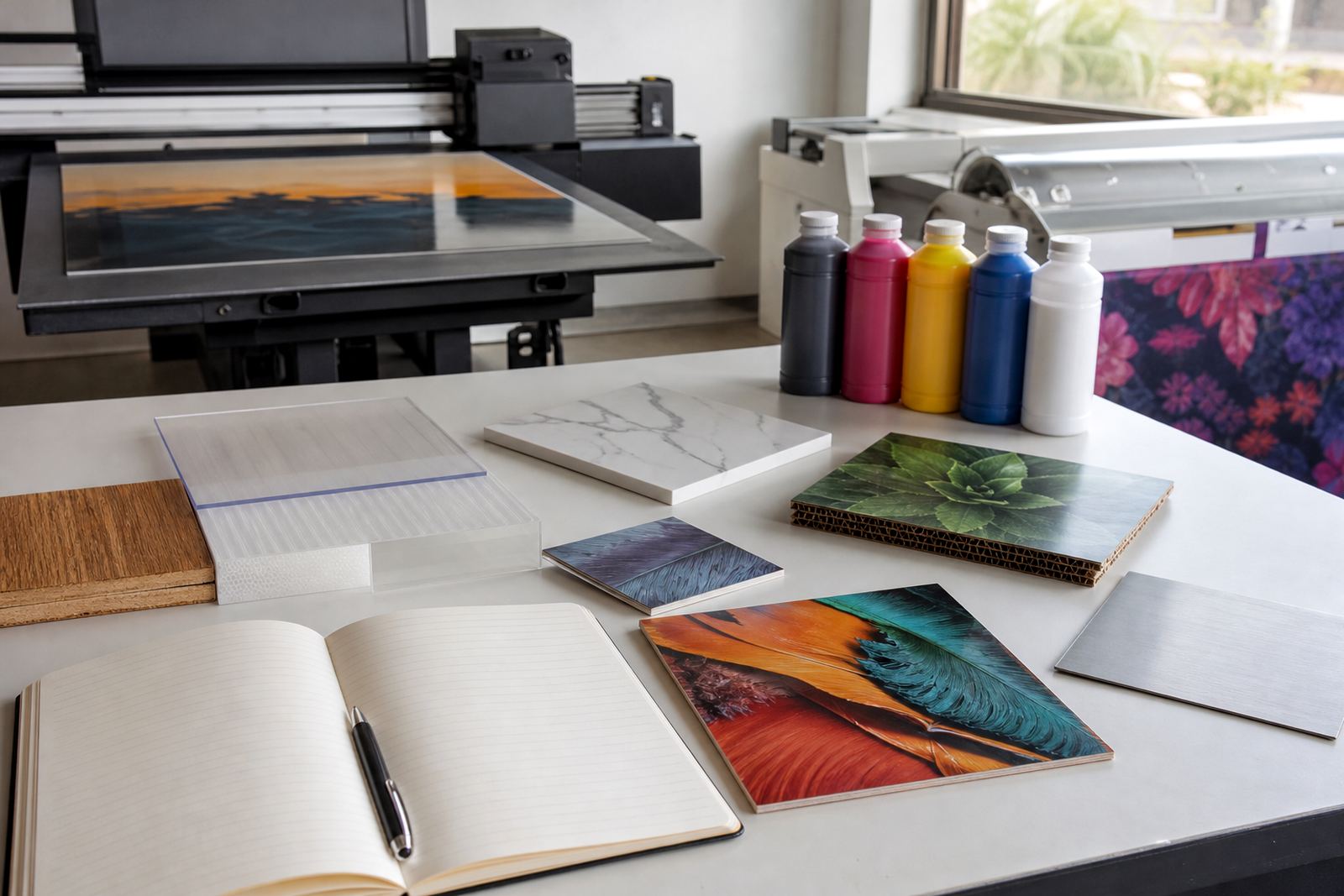
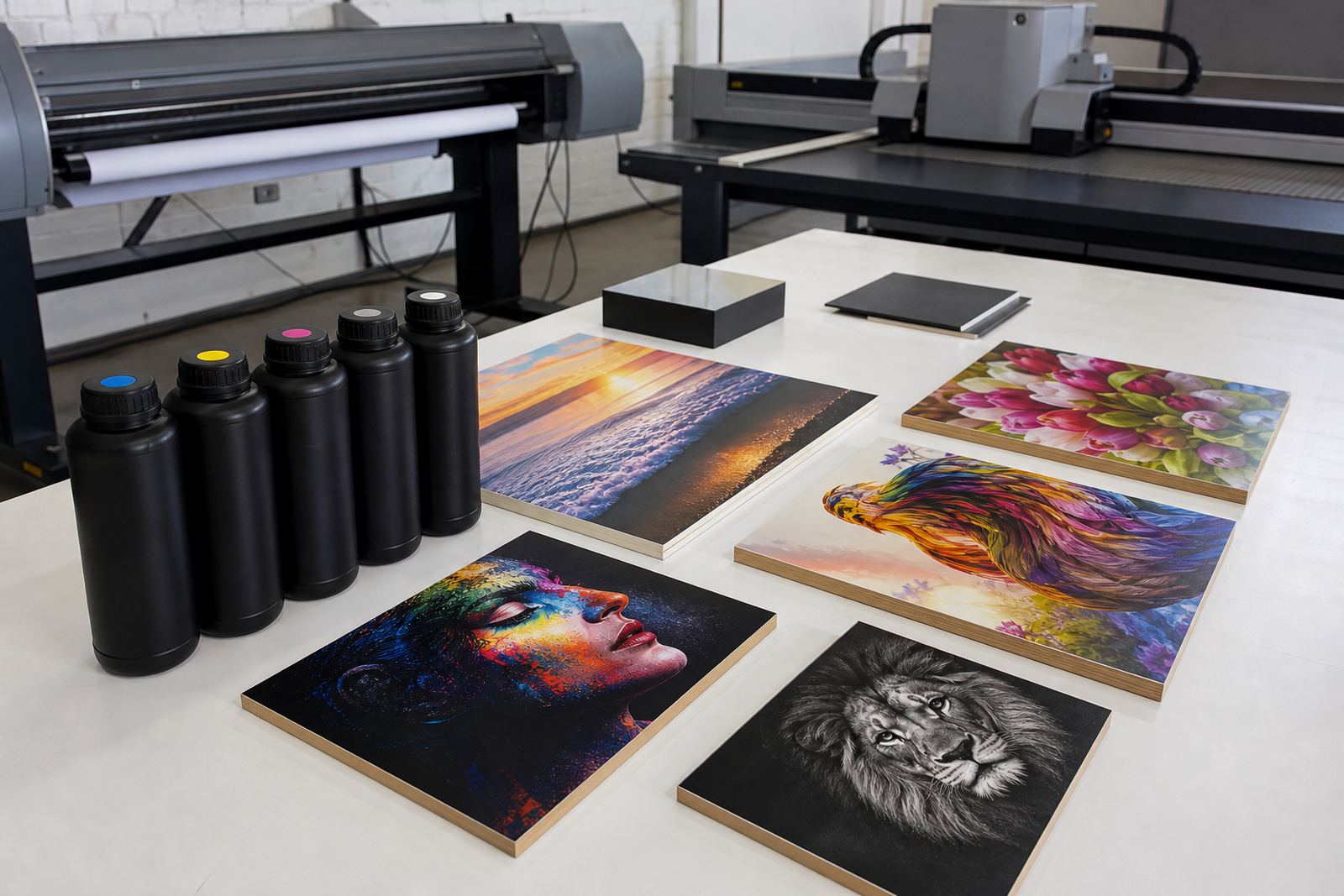
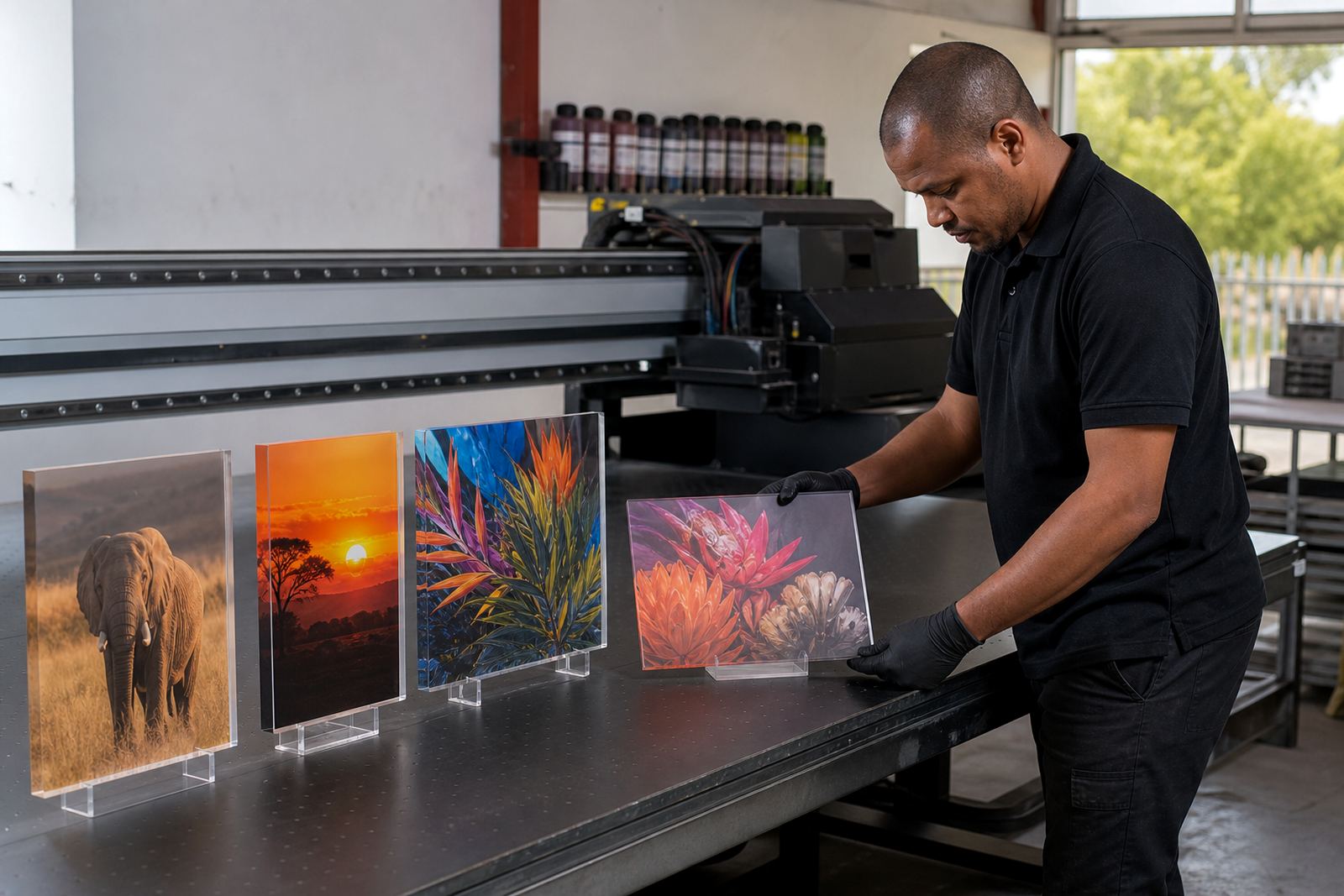
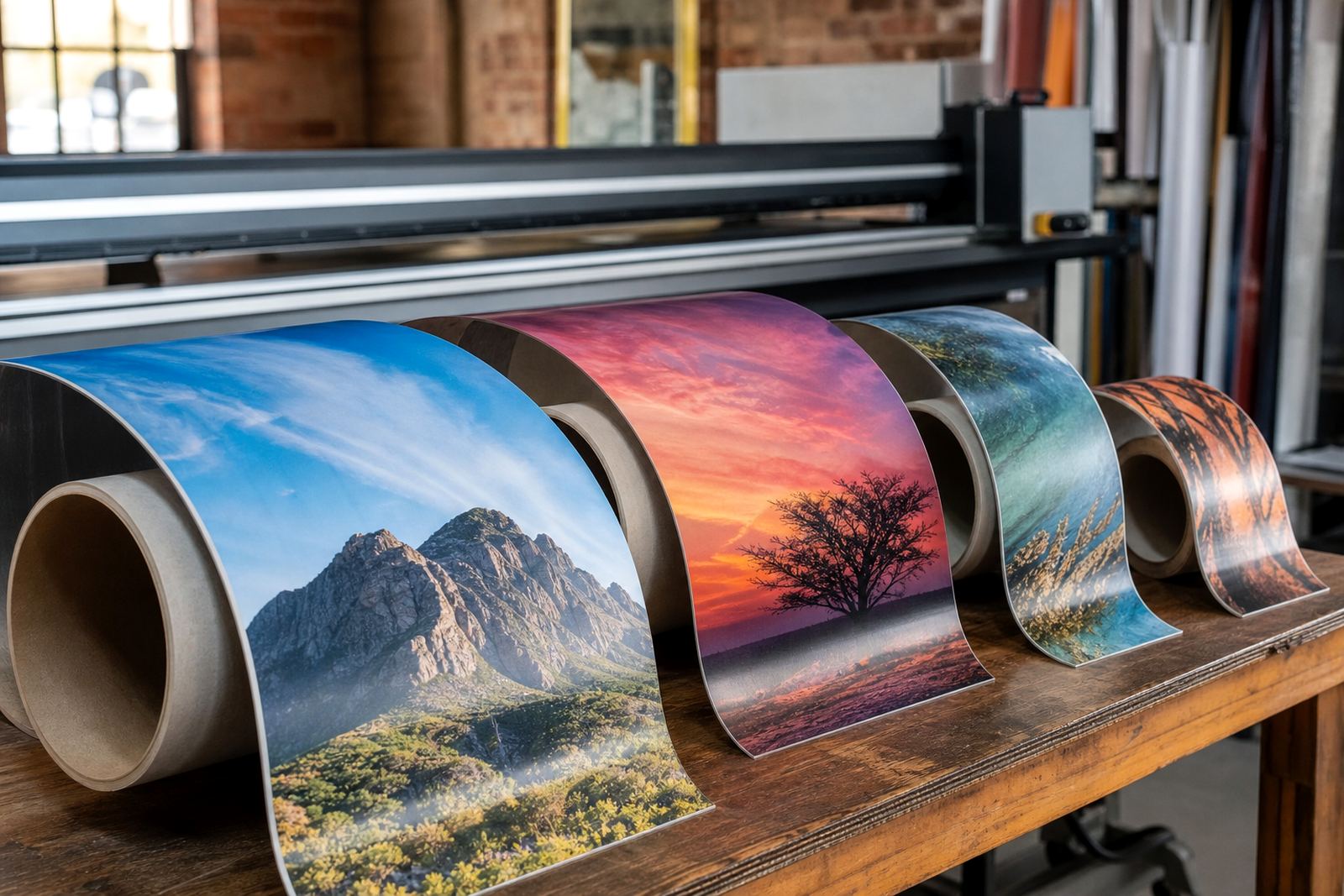
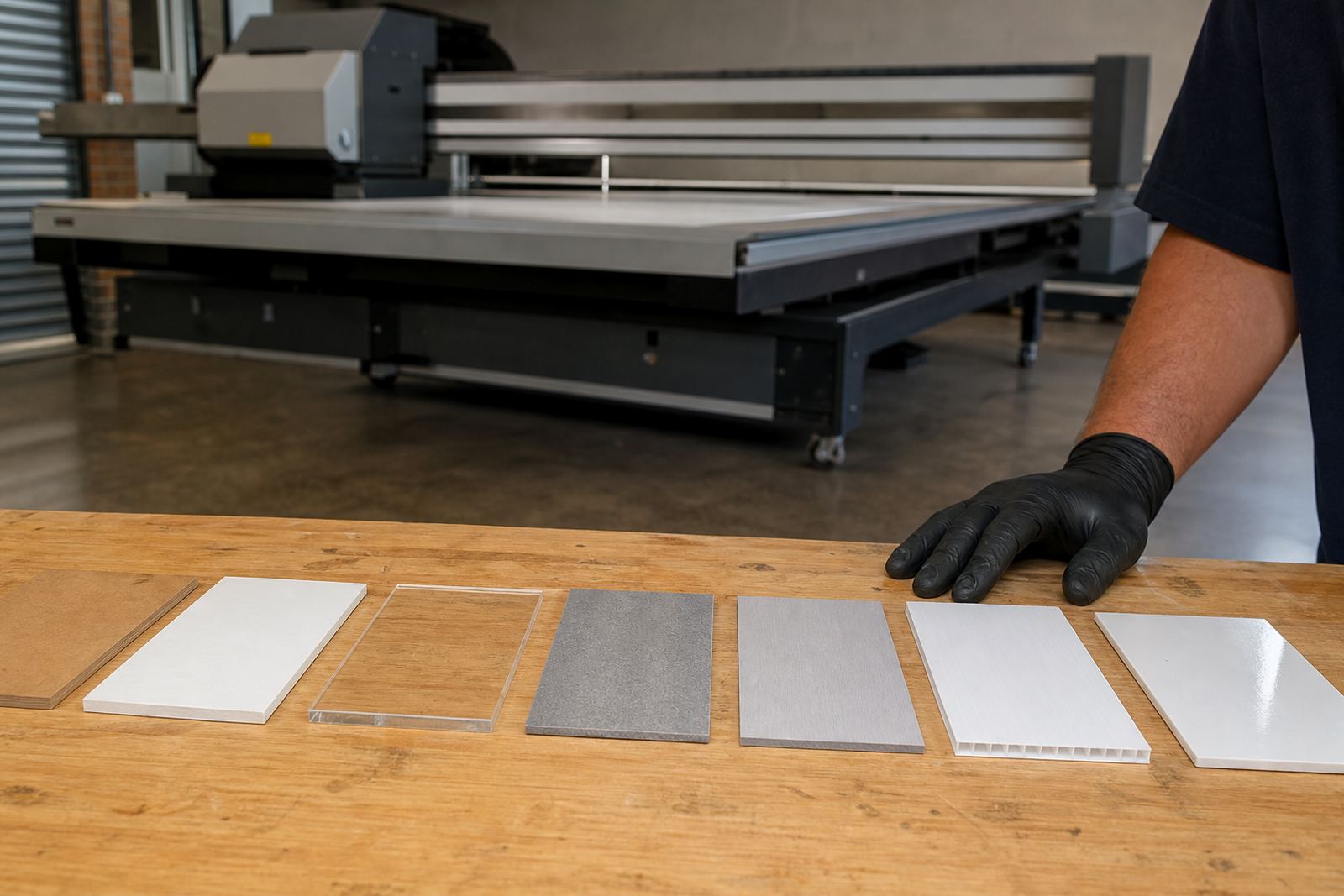
UV-curable inks are not one-size-fits-all. The right choice depends on the printer setup, the substrate, the finish you want and how the job will be handled after printing. A rigid sign board, flexible banner stock and packaging material all ask for different ink behaviour, so it helps to look at adhesion, flexibility and curing response before a run starts.
If you are printing in Cape Town, Johannesburg, Durban, Pretoria or Gqeberha, local conditions matter too. A good match starts with compatibility checks and sample testing before full production.
- Check substrate type and surface preparation
- Confirm printer compatibility for flatbed or roll-to-roll use
- Test adhesion on the actual material, not a stand-in
- Review curing needs for your lamp or curing system
Curing basics for cleaner, harder prints
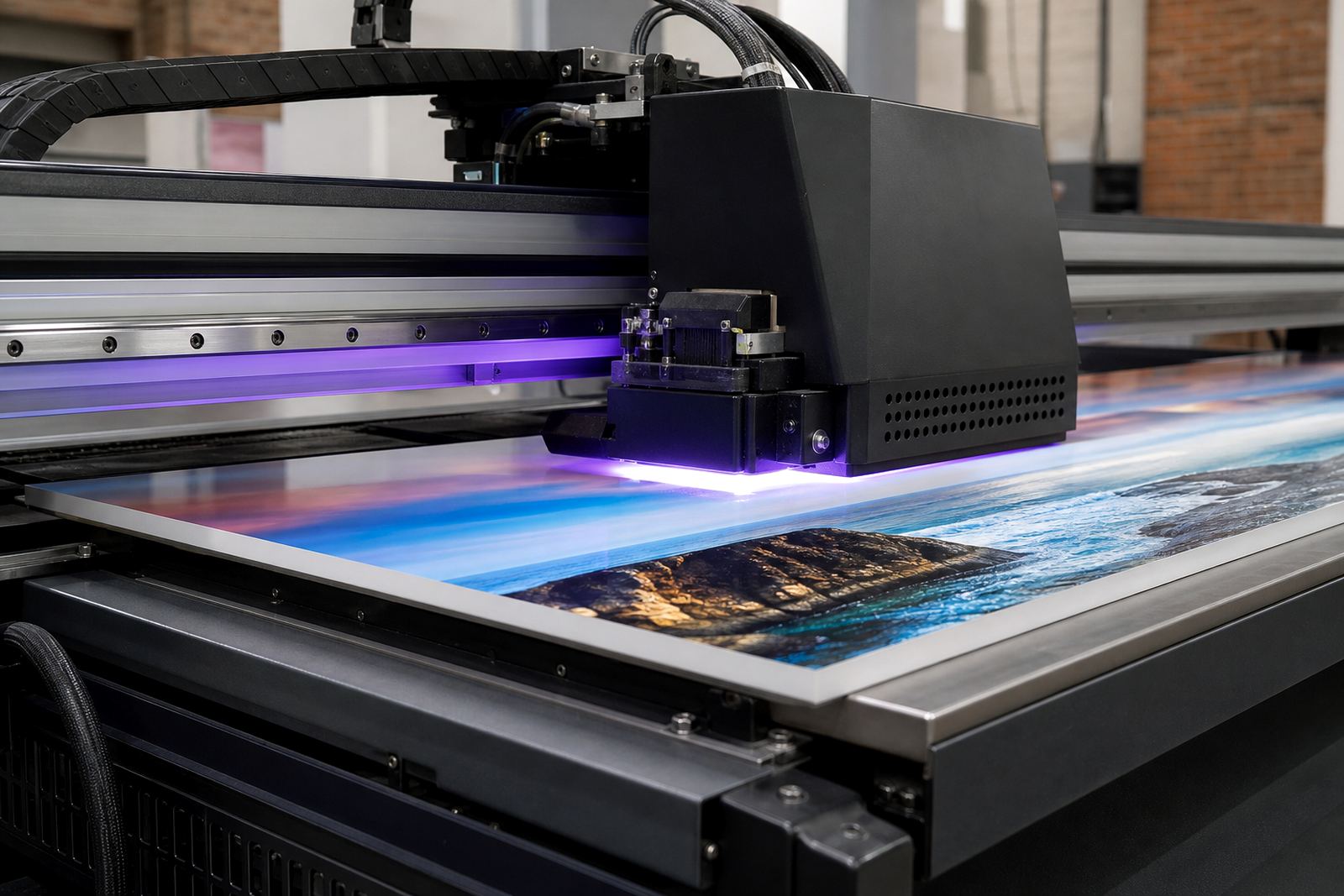
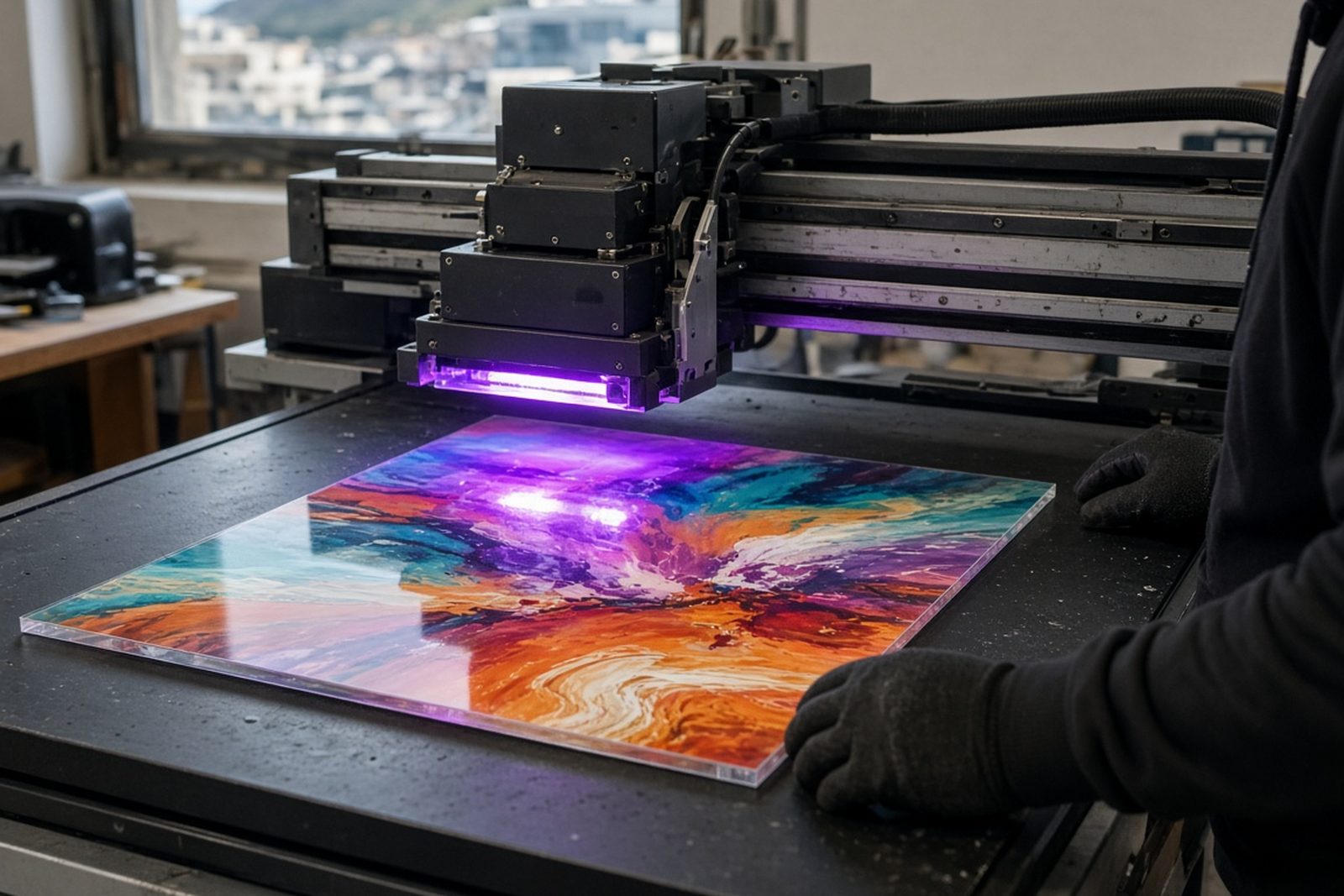
Curing is the step that turns printed ink into a durable film. With UV-curable systems, the ink is exposed to the correct curing energy so it sets properly on the substrate. When curing is too light, prints may feel tacky or scratch too easily. When it is too strong, you can get heat stress or unwanted changes in colour and surface finish.
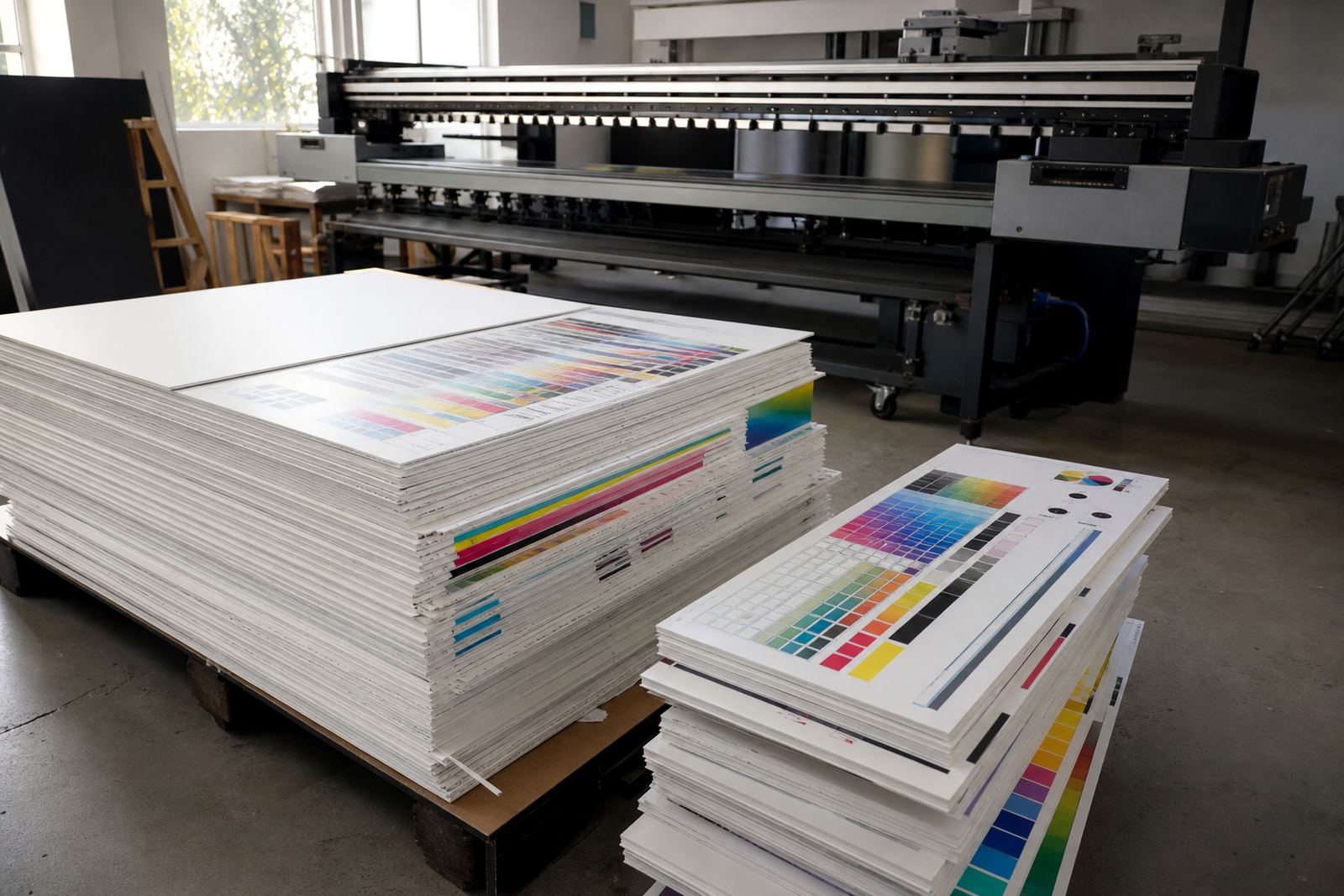
For practical production, watch the full path from print to cure to handling. Slower speeds may help on difficult substrates, while faster production can work well on compatible materials. The best settings usually come from trial prints and measured adjustments rather than guesswork.
- Start with the recommended print mode for your job
- Check surface cure before packing or stacking
- Allow enough cooling time on heat-sensitive materials
- Record settings so repeat orders stay consistent
Adhesion testing before production starts
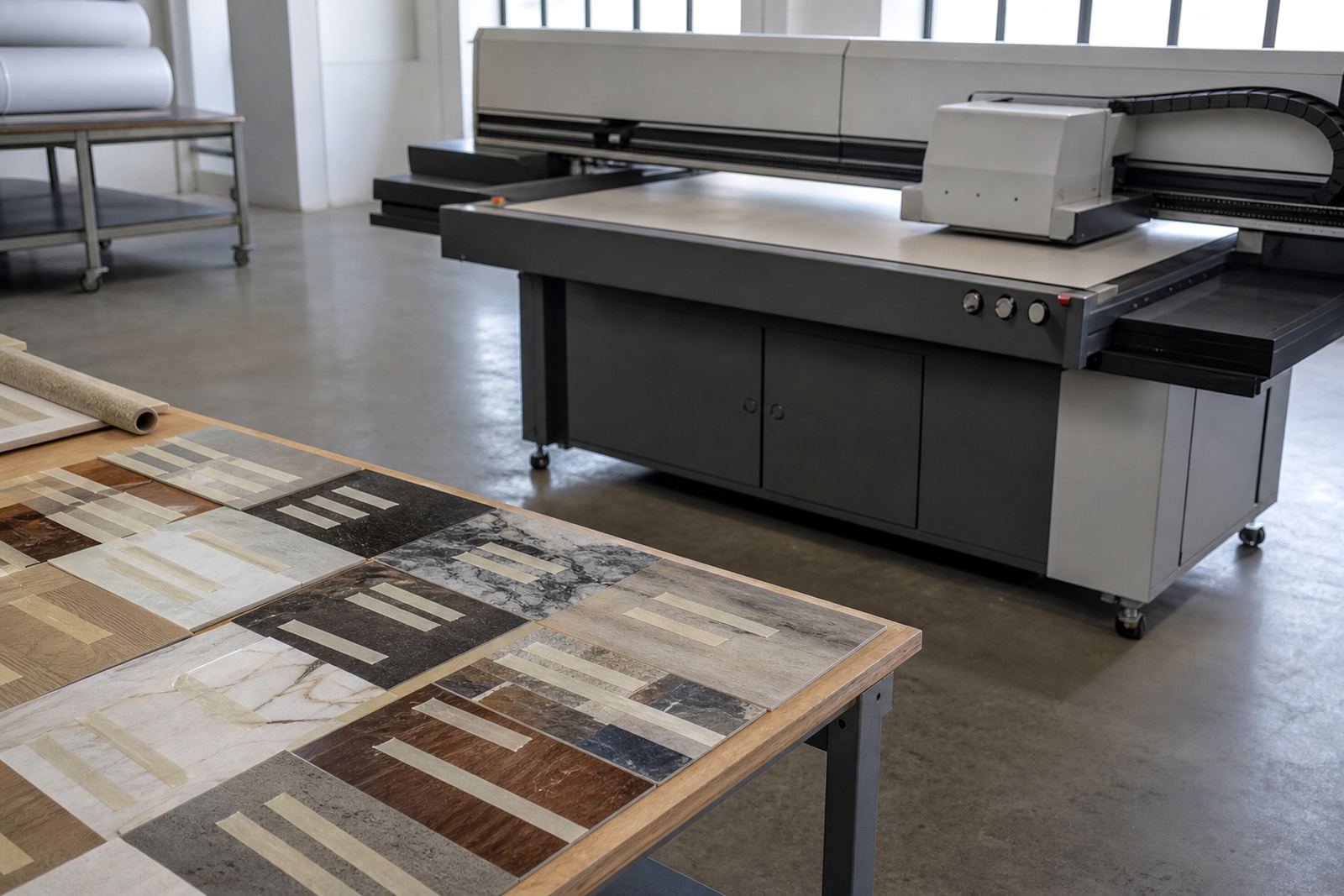
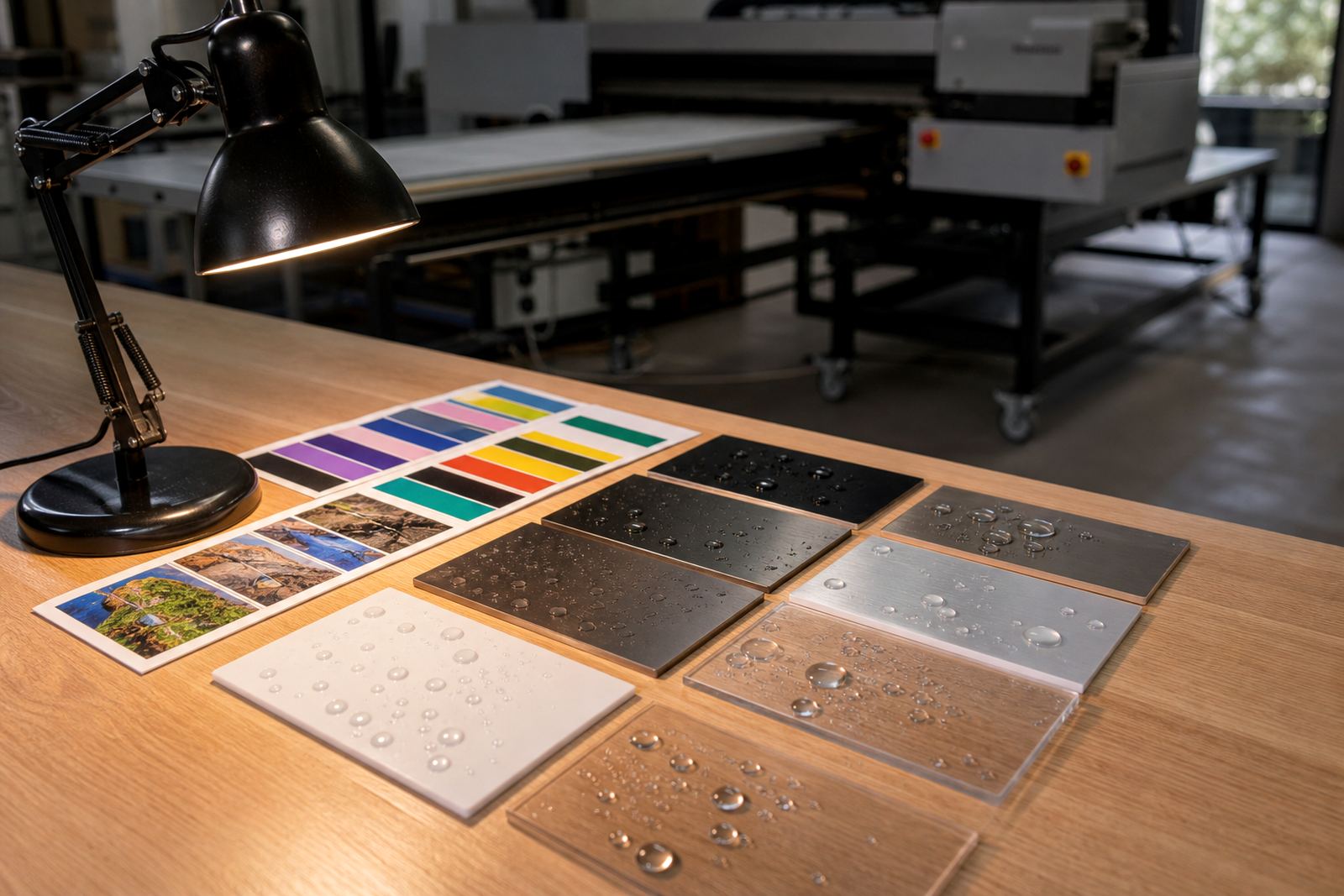
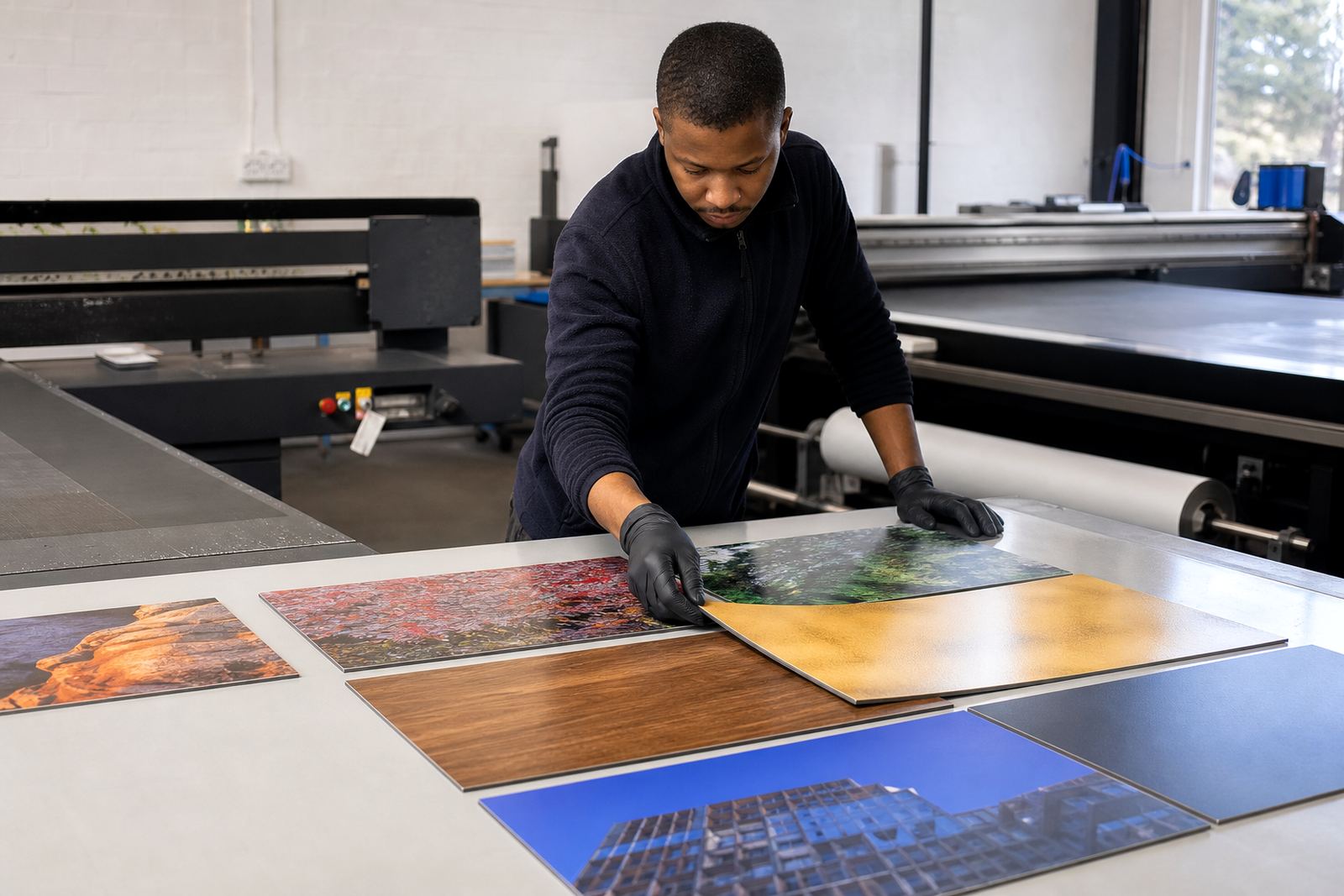
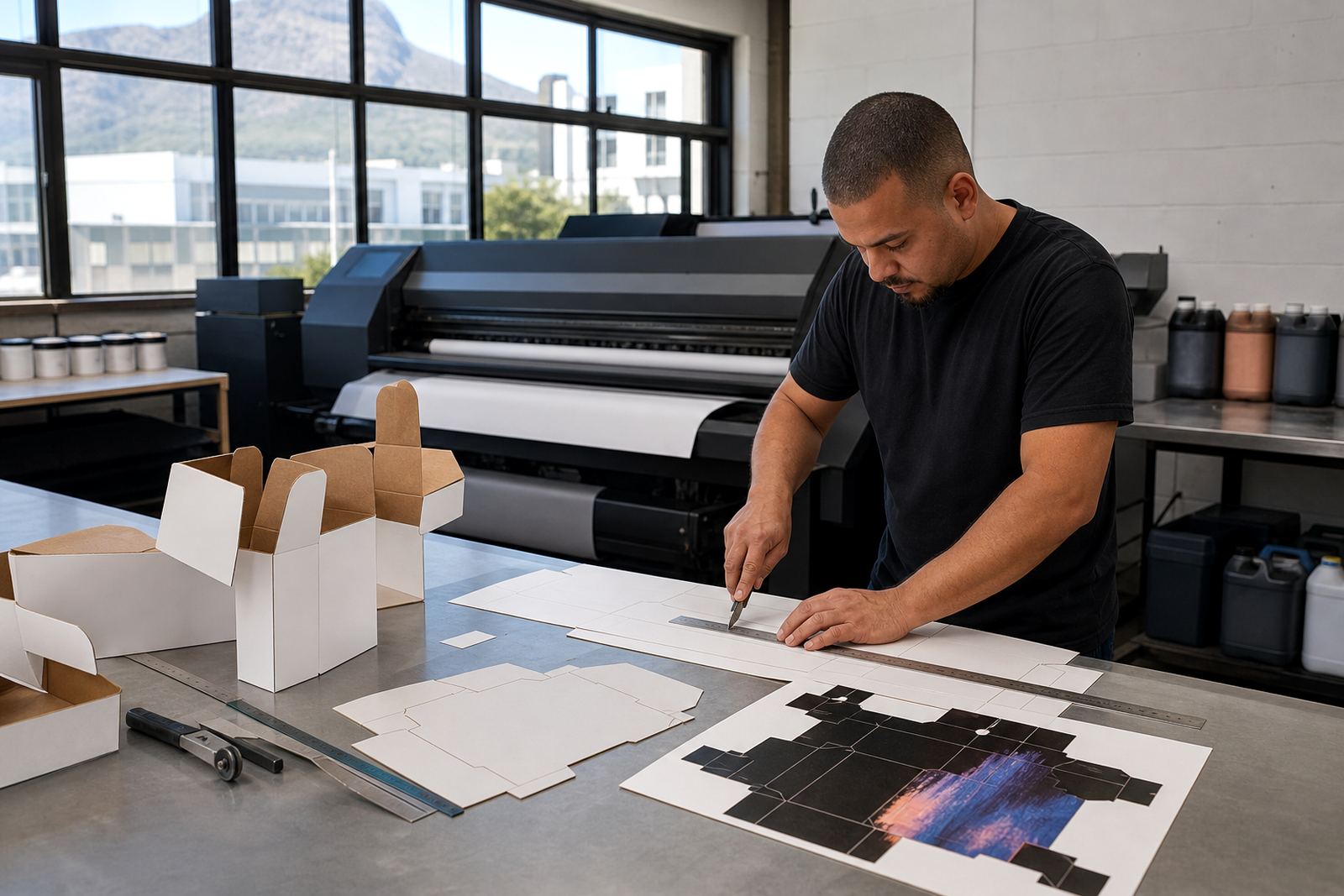
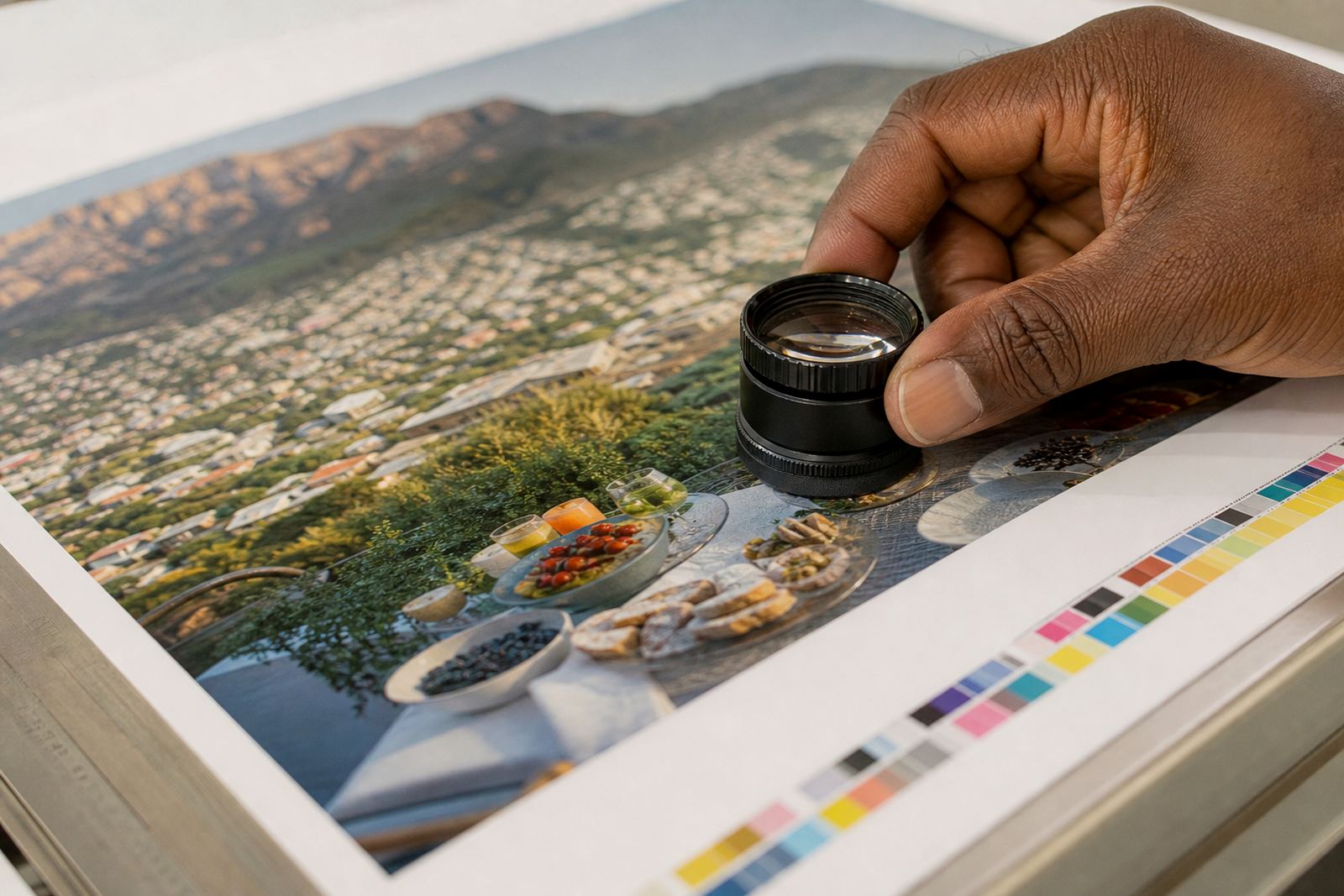
A quick test on the intended substrate can show whether the surface needs cleaning, priming or a different ink selection. Smooth plastics, coated boards and some specialty films can all behave differently, so a careful test saves time and waste.
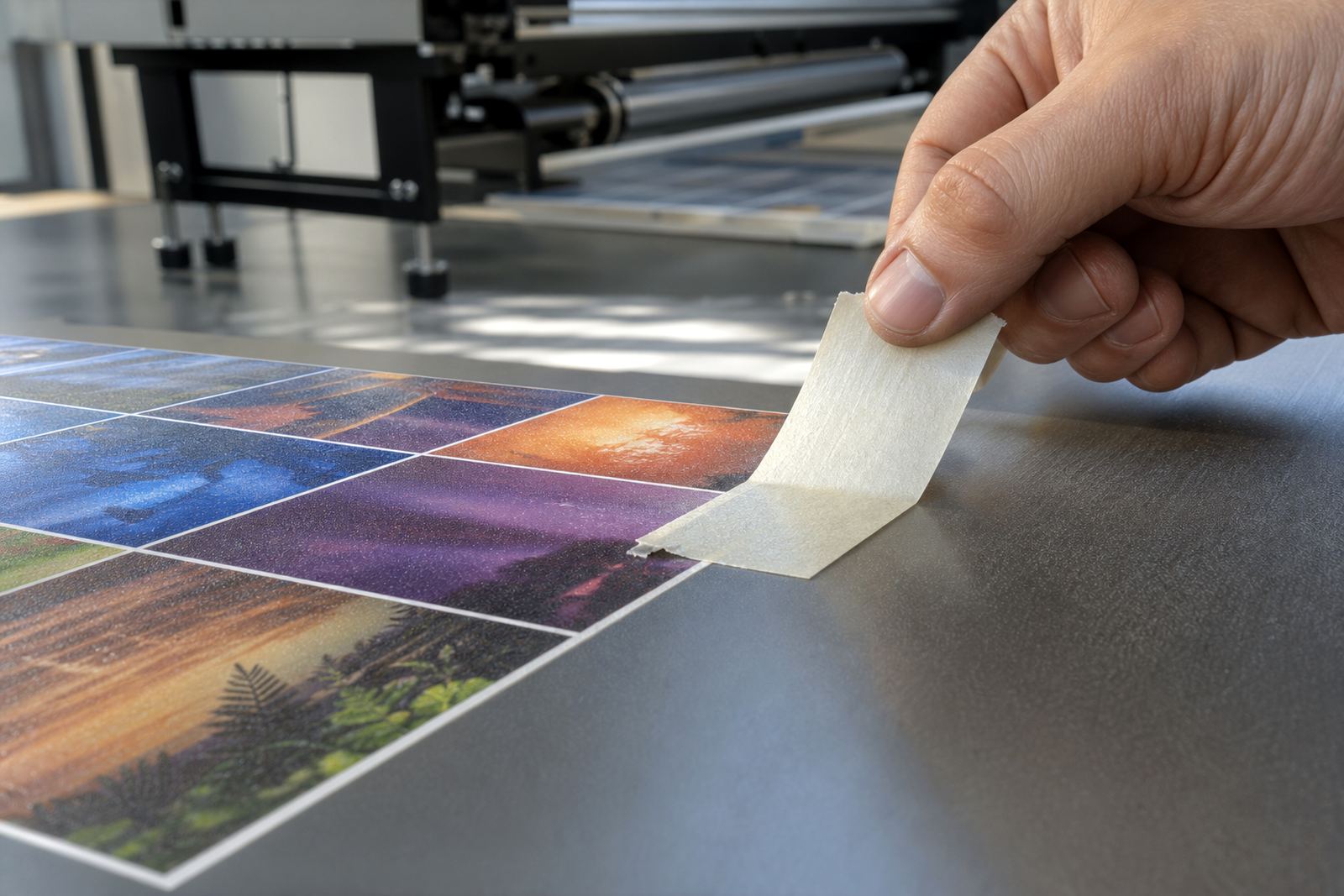
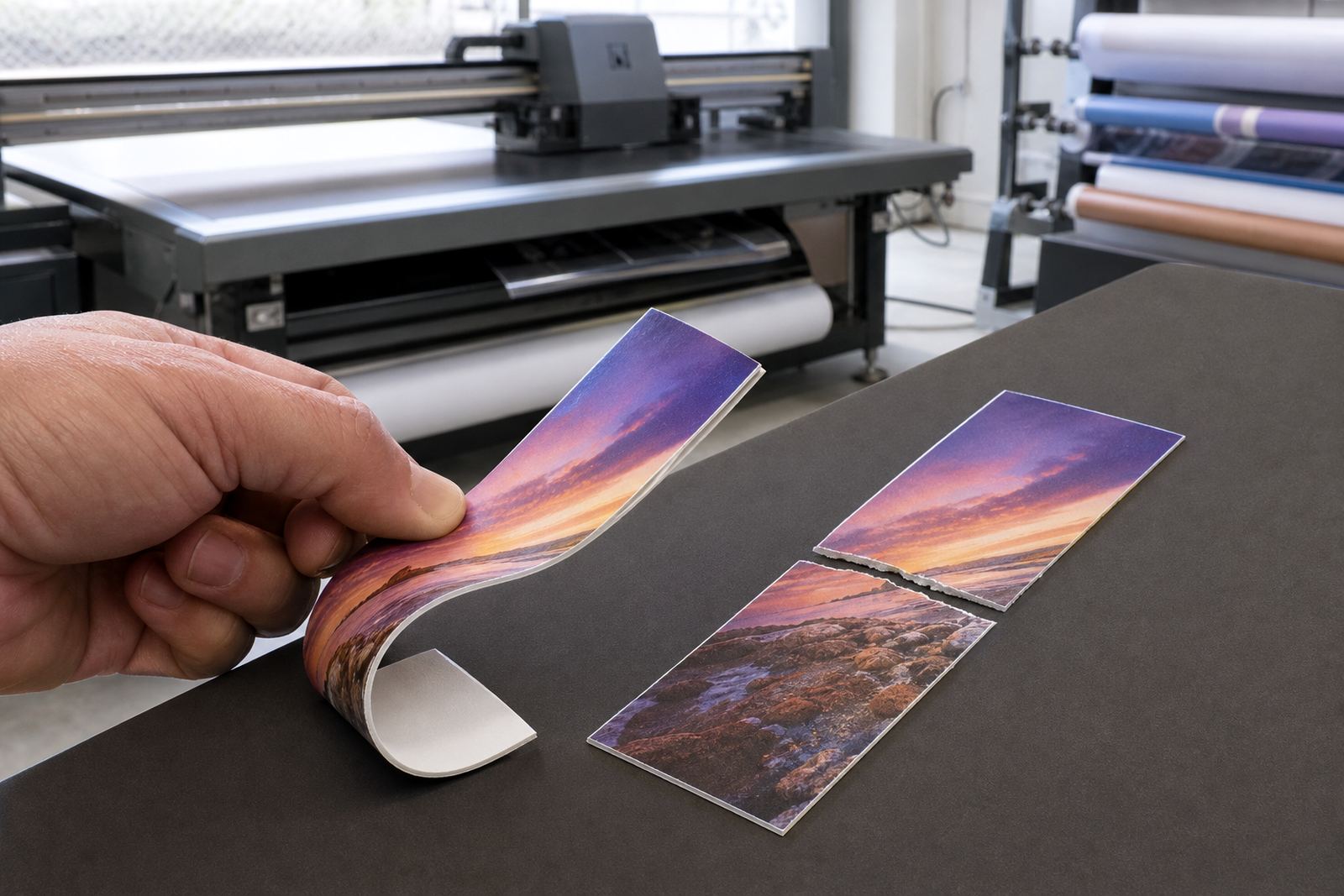
Our practical approach is simple: print a small sample, cure it correctly and then assess the result after handling. If the ink lifts, scratches or chips too easily, the substrate or settings need attention. That kind of checking is especially useful for signage, display work and packaging where appearance and durability both matter.
- Wipe down dusty or oily surfaces before printing
- Use sample pieces cut from the same stock as the job
- Test tape pull, scratch resistance and edge wear
- Keep notes on any substrate that needs special handling
Flatbed and roll-to-roll workflow tips
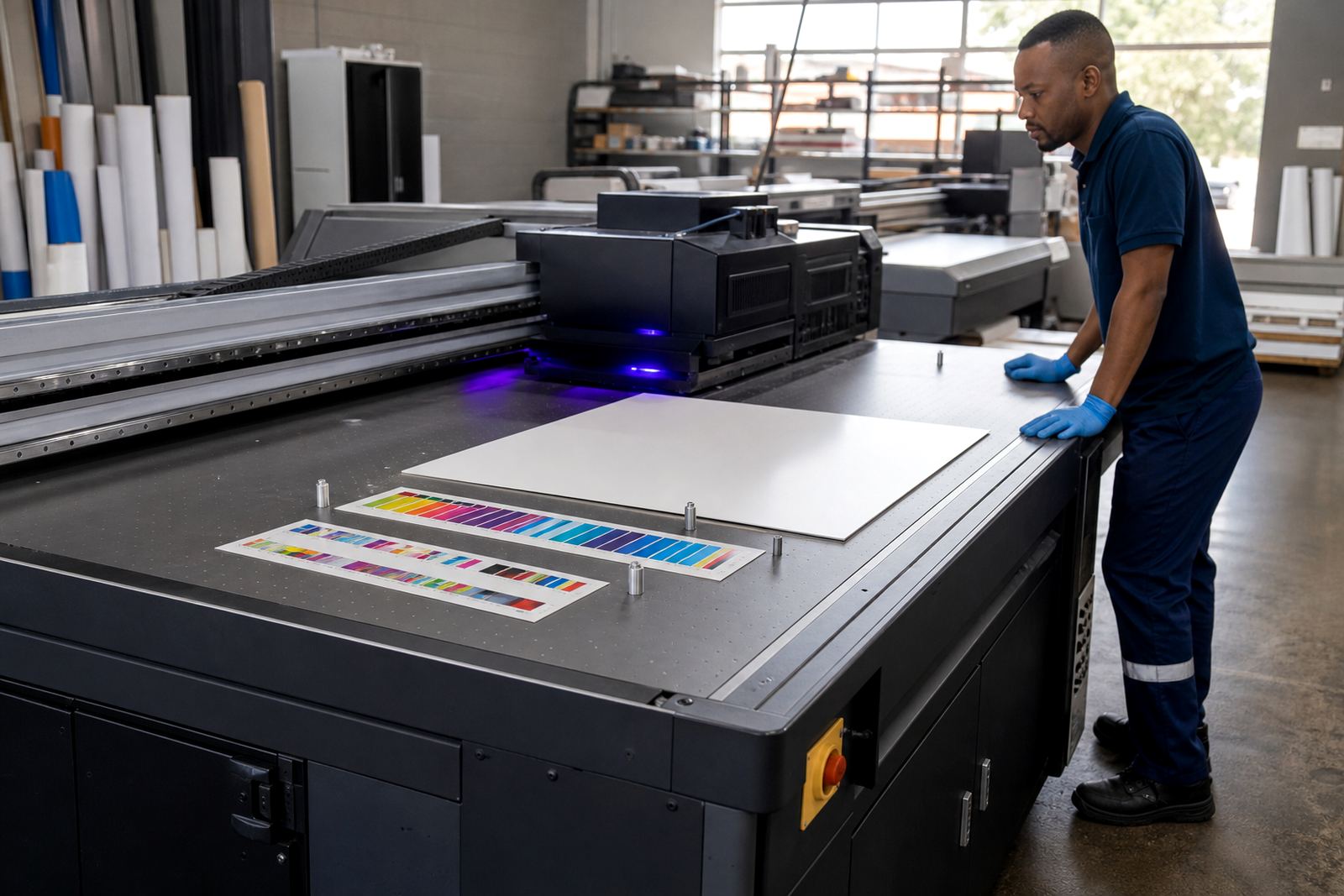
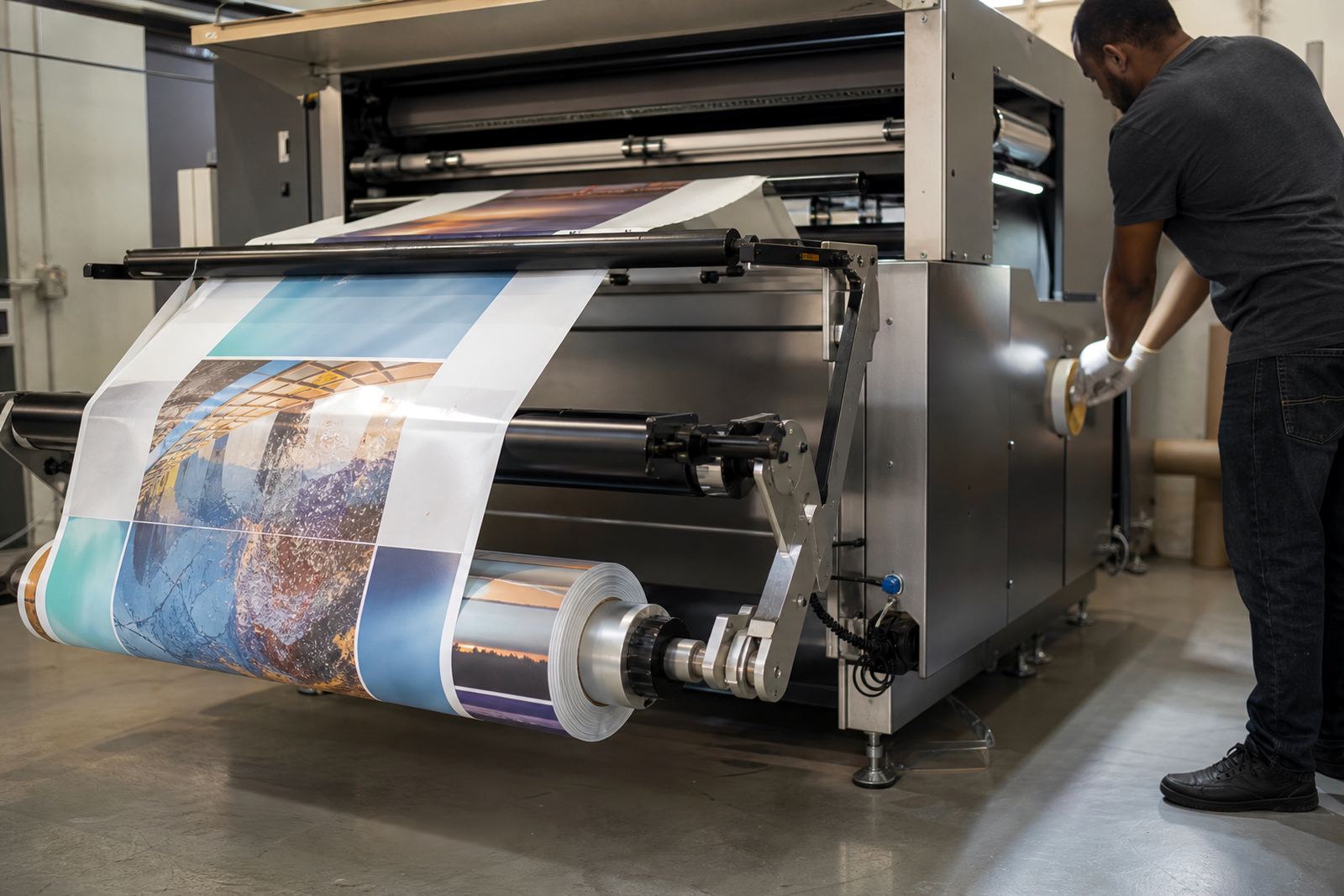
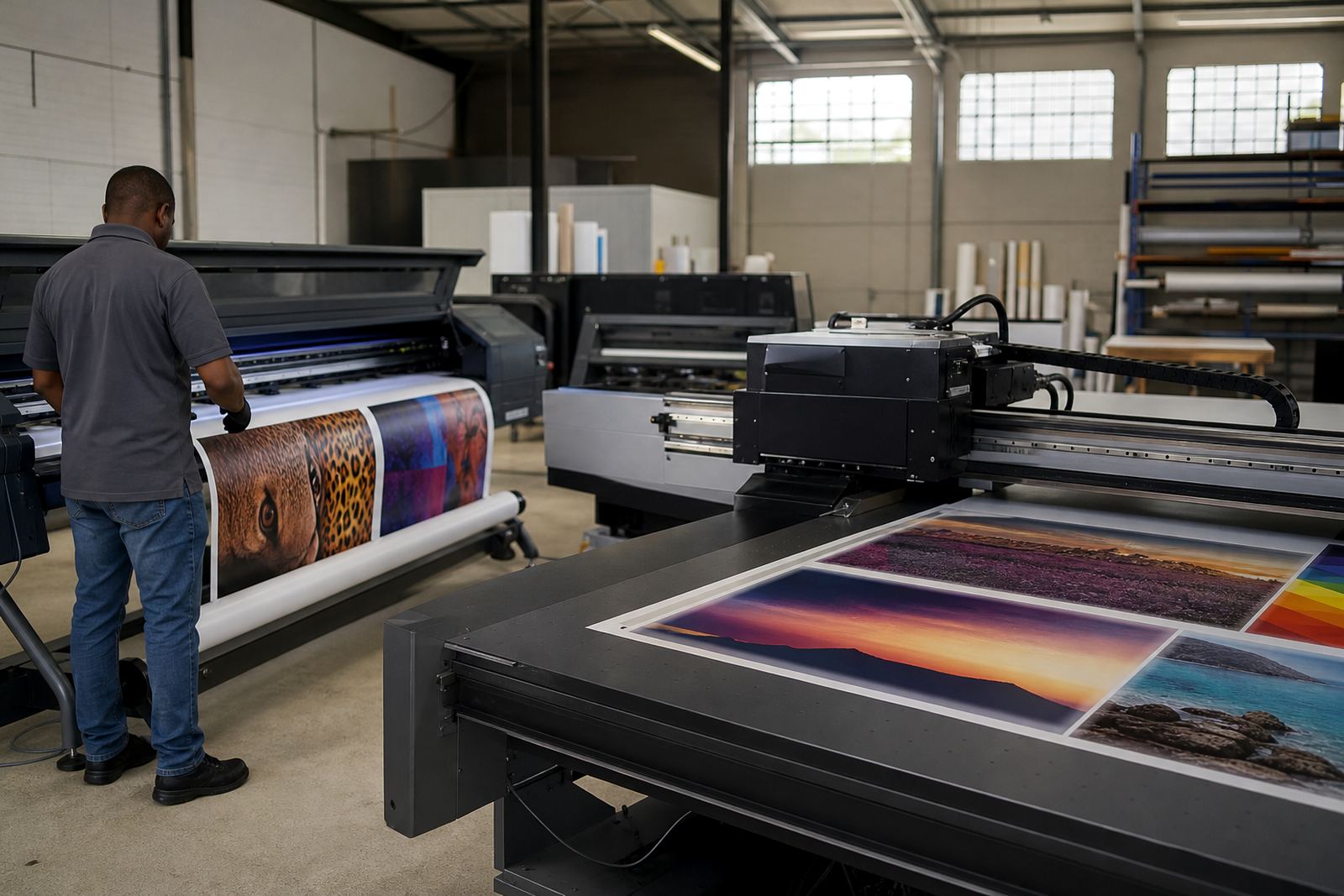
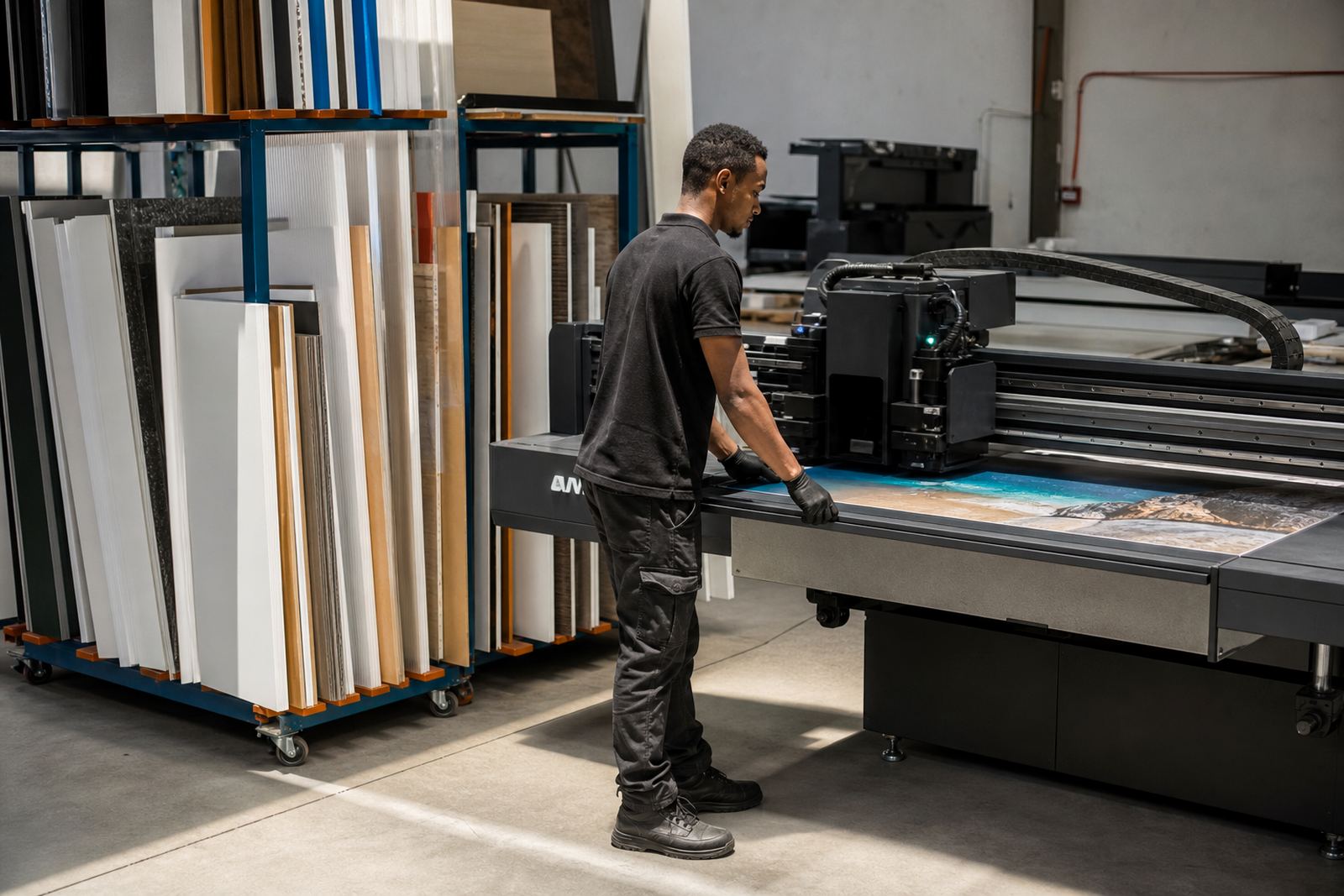
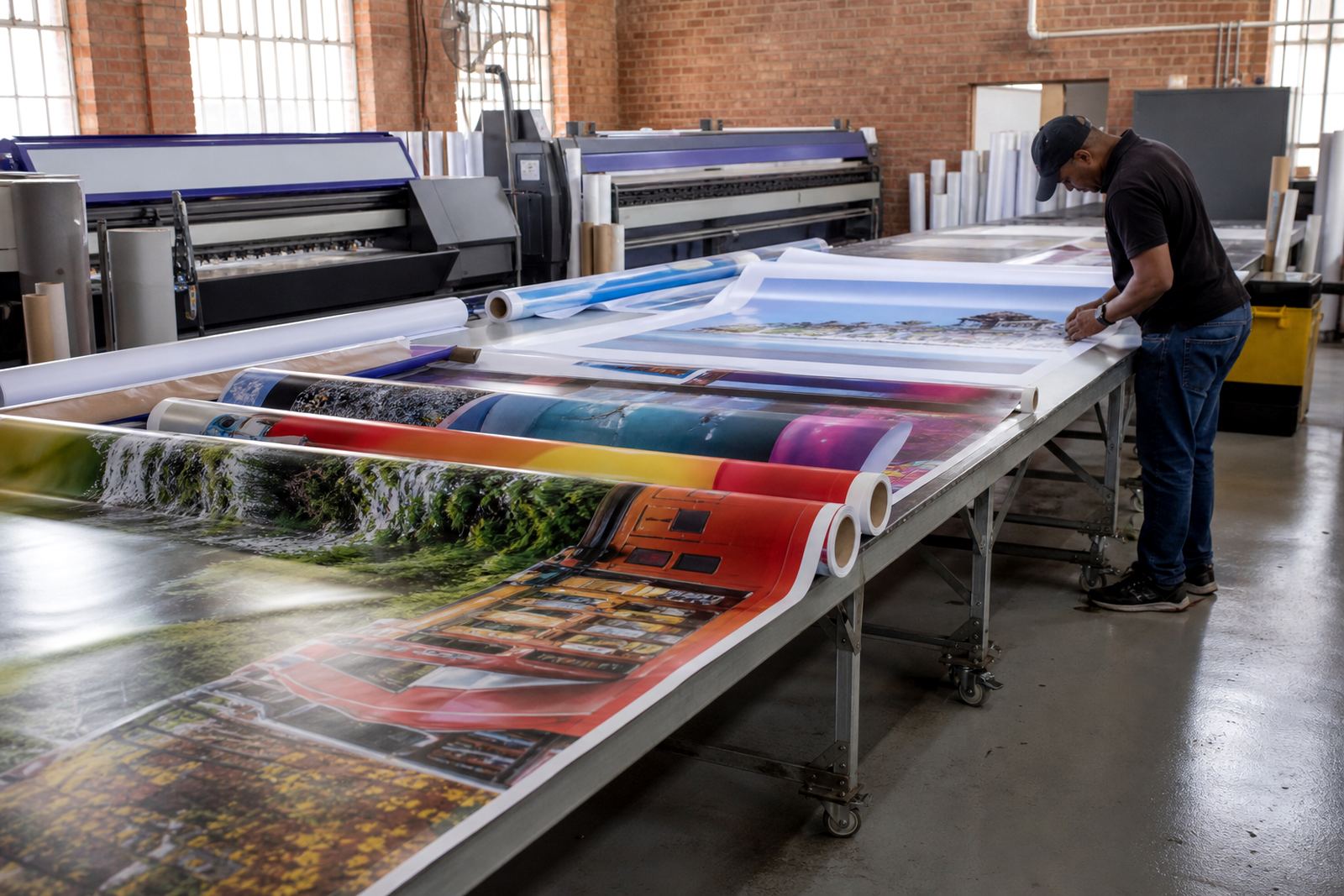
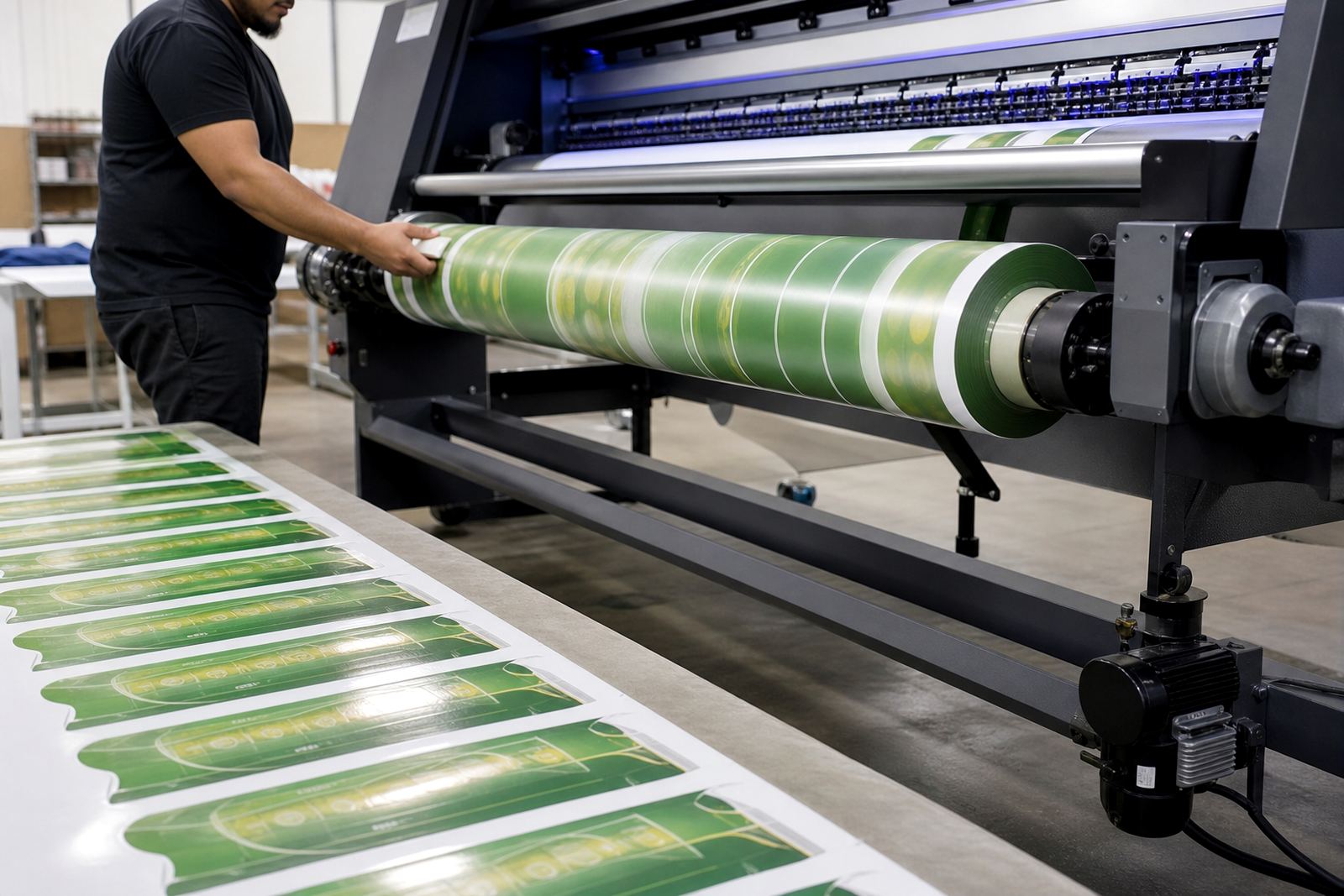
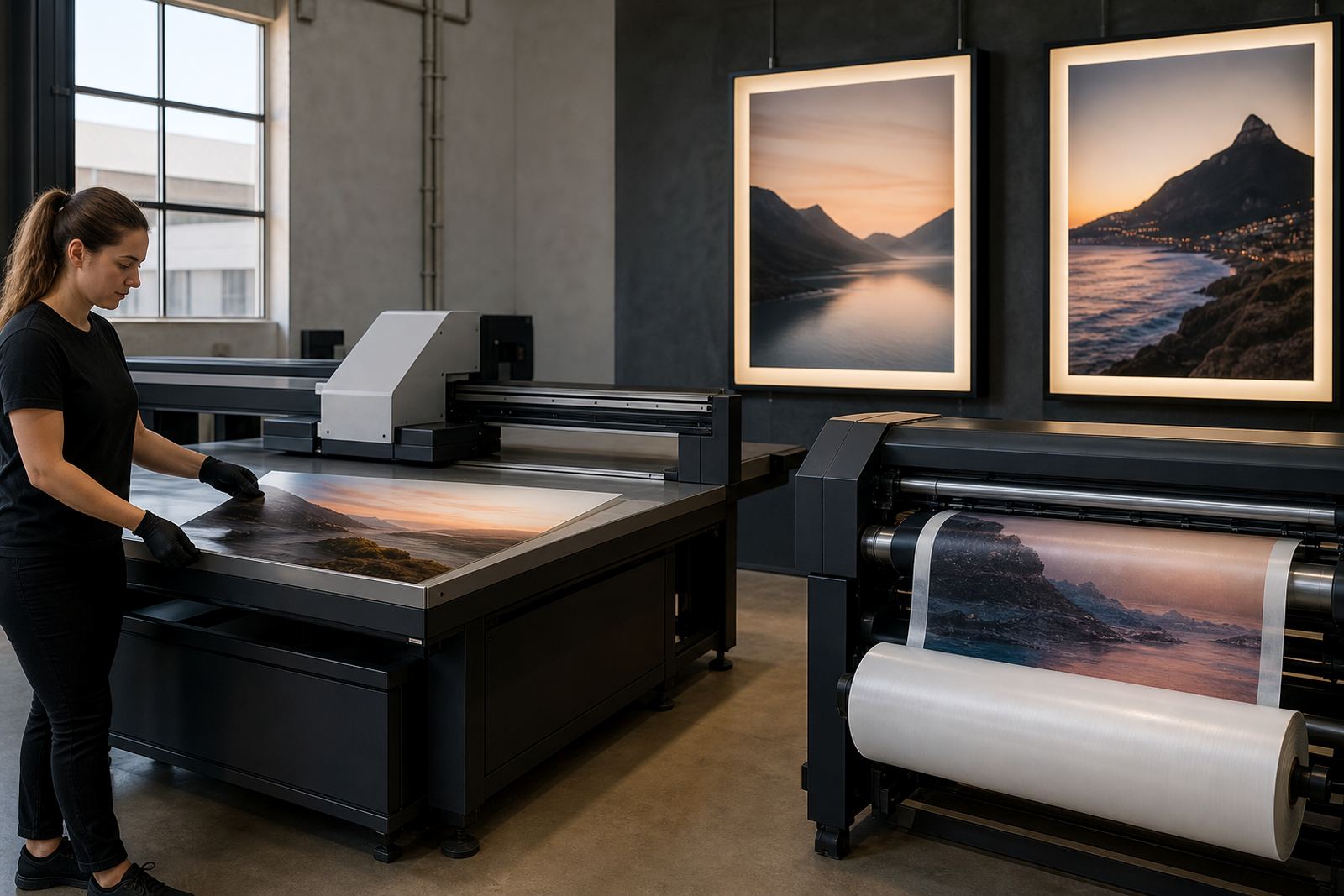
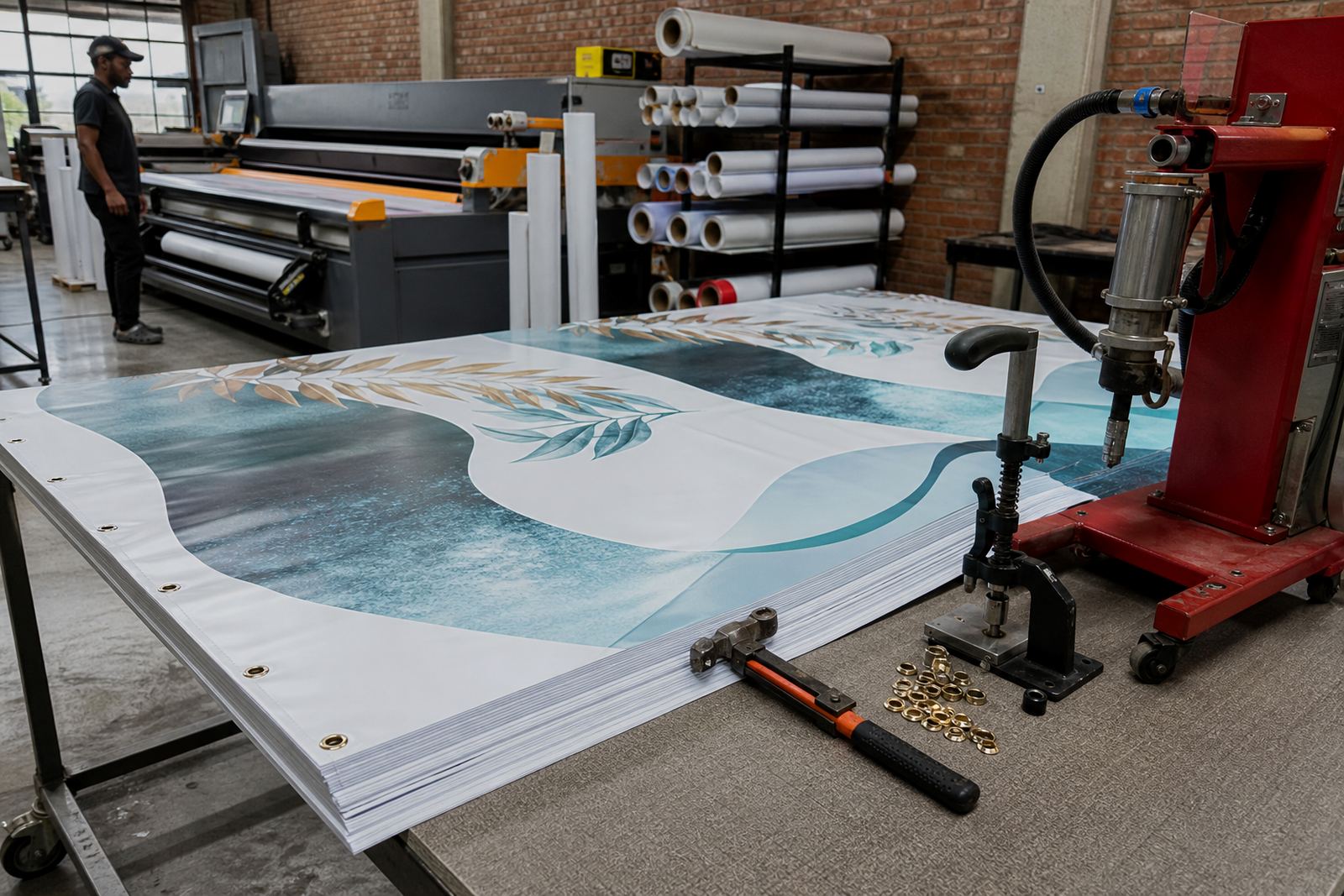
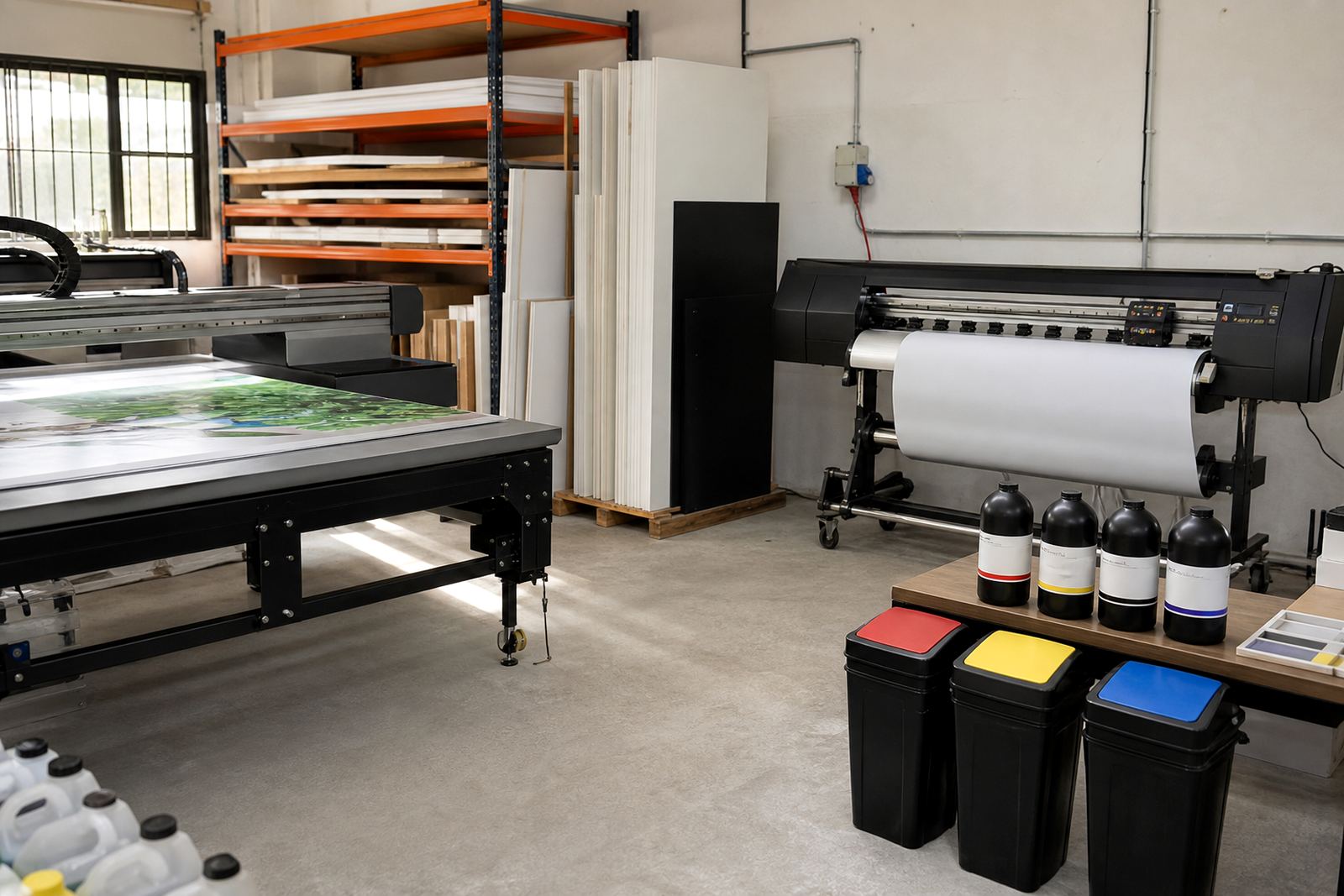
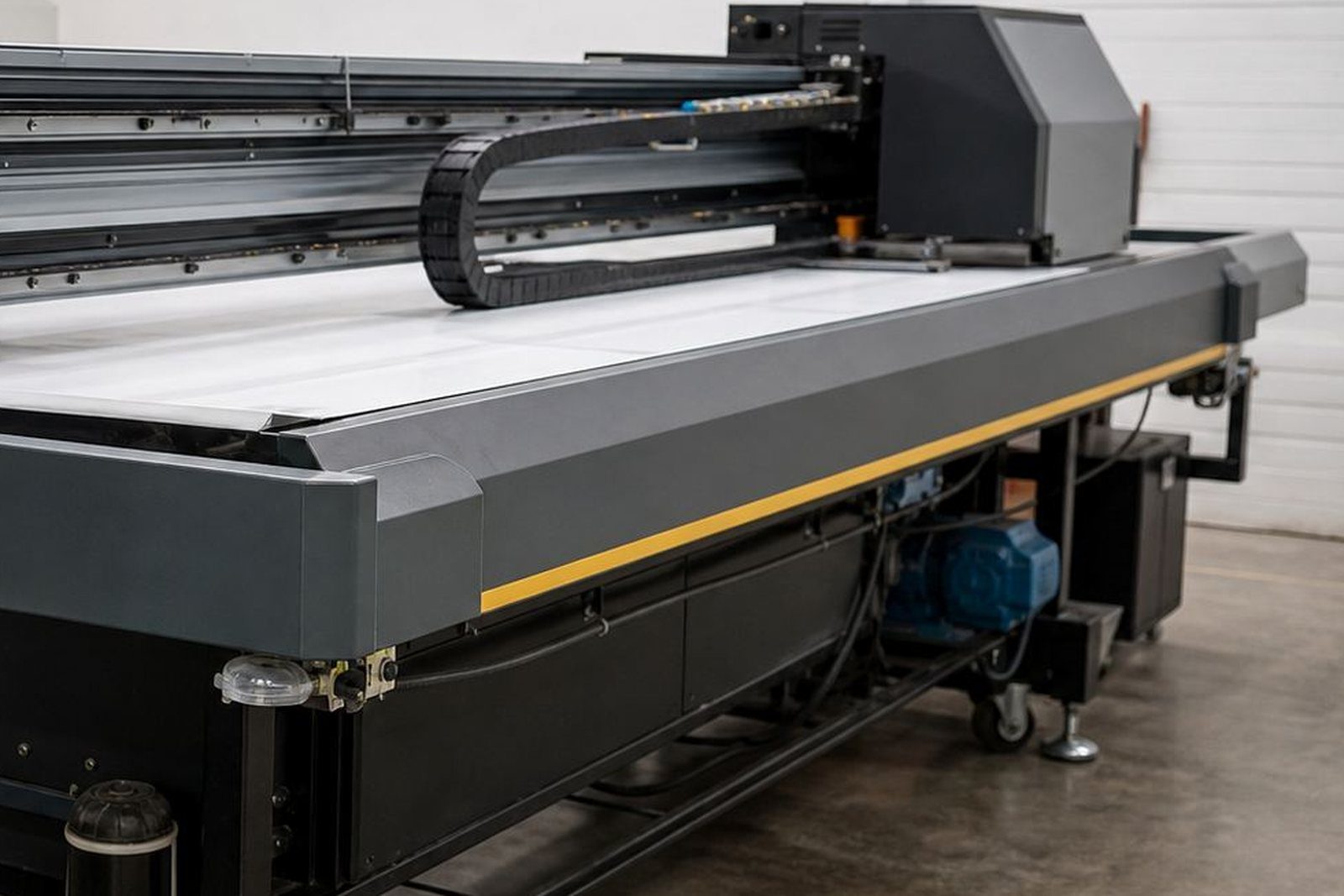
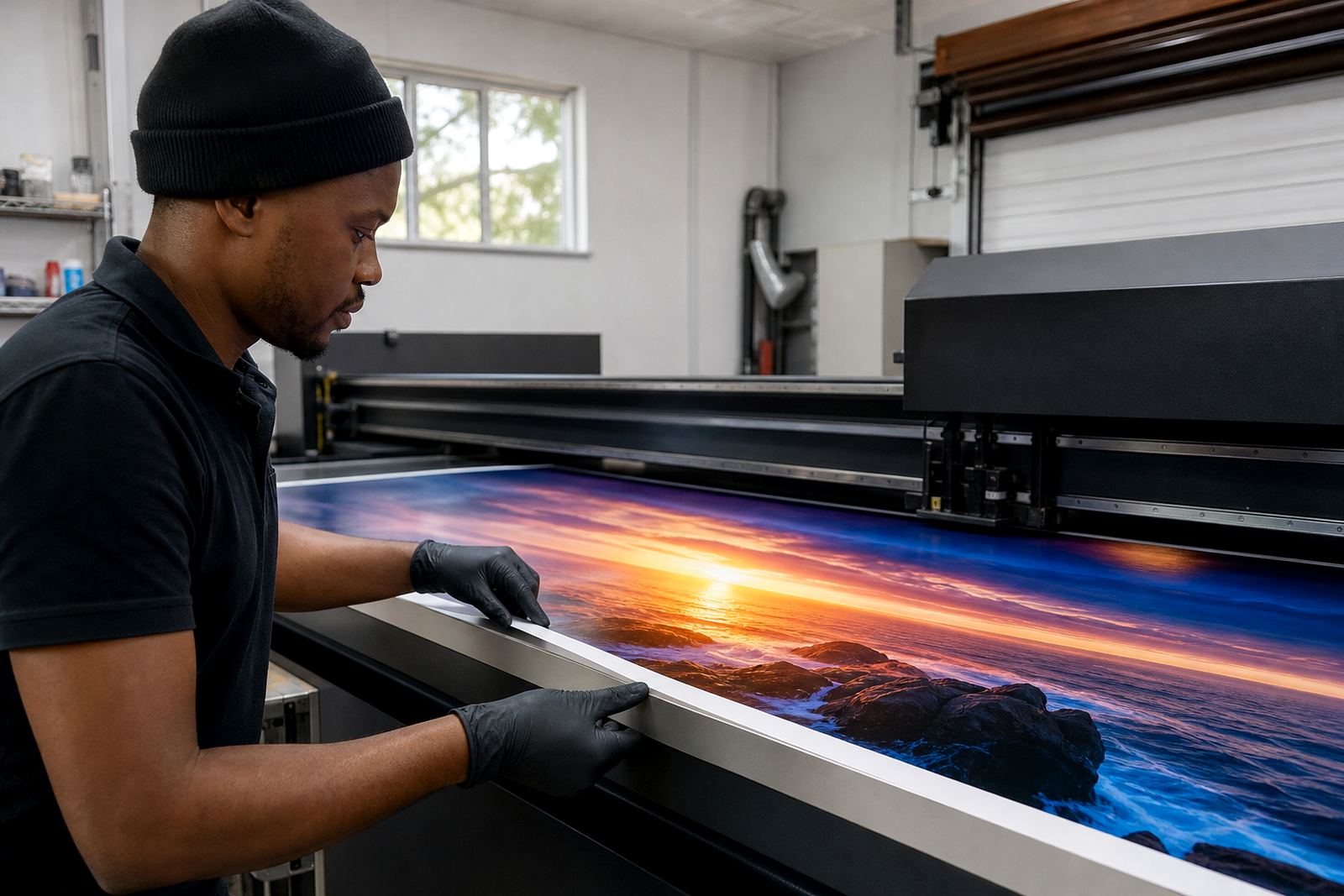
Different printers ask for different handling. Flatbed systems suit rigid panels and boards, while roll-to-roll machines are made for flexible media that moves through the printer. Matching the ink to the machine and the substrate is only part of the job. You also need a clear workflow that reduces downtime and keeps operators safe.
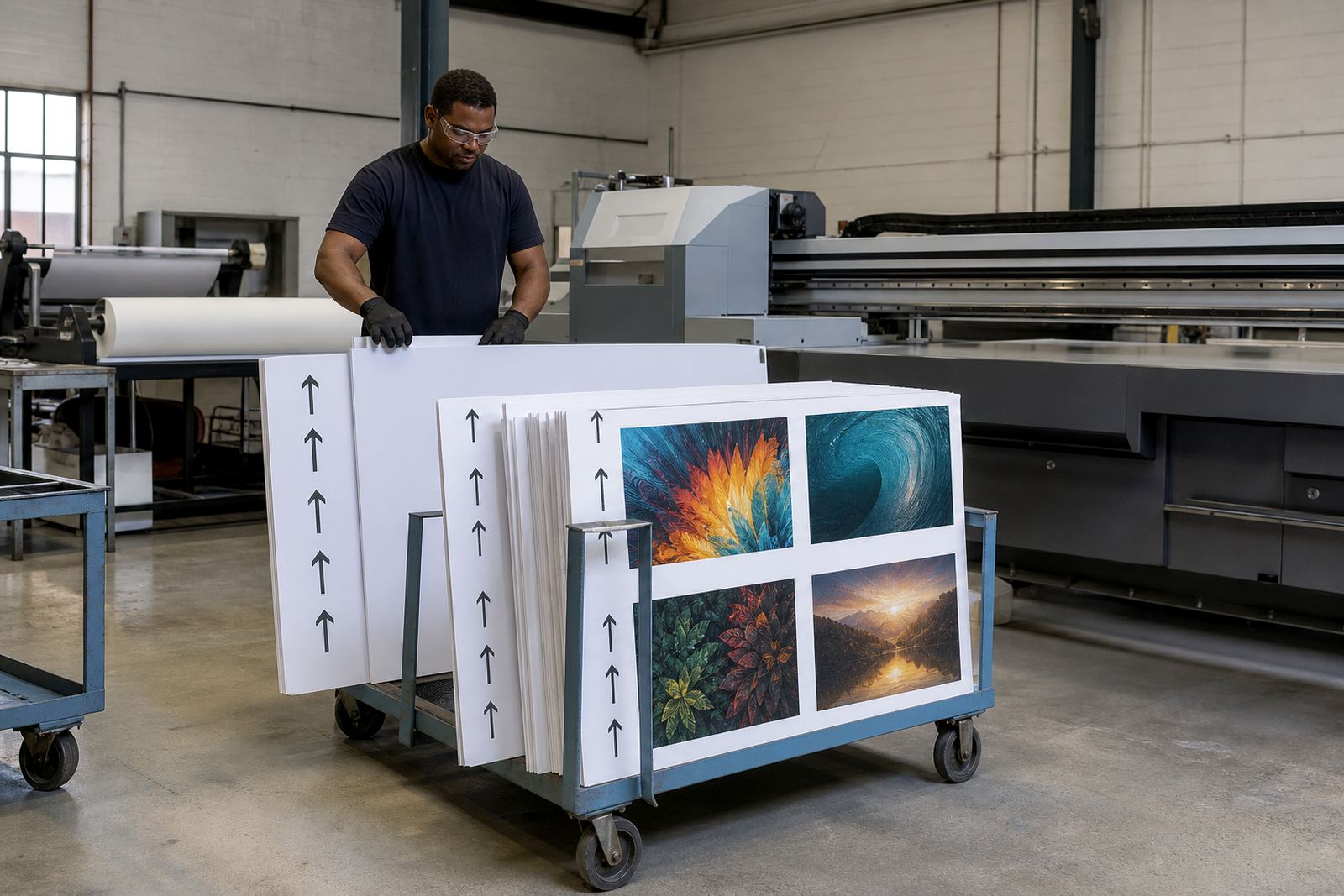
Think through loading, alignment, curing, stacking and storage before the first sheet goes in. In busy shops around Epping and across the country, a tidy production line makes a real difference when orders stack up. A small mistake at setup can lead to wasted material, so a short check list before each run is worth the time.
- Keep media flat, clean and acclimatised before use
- Check roller tension and feed alignment on roll systems
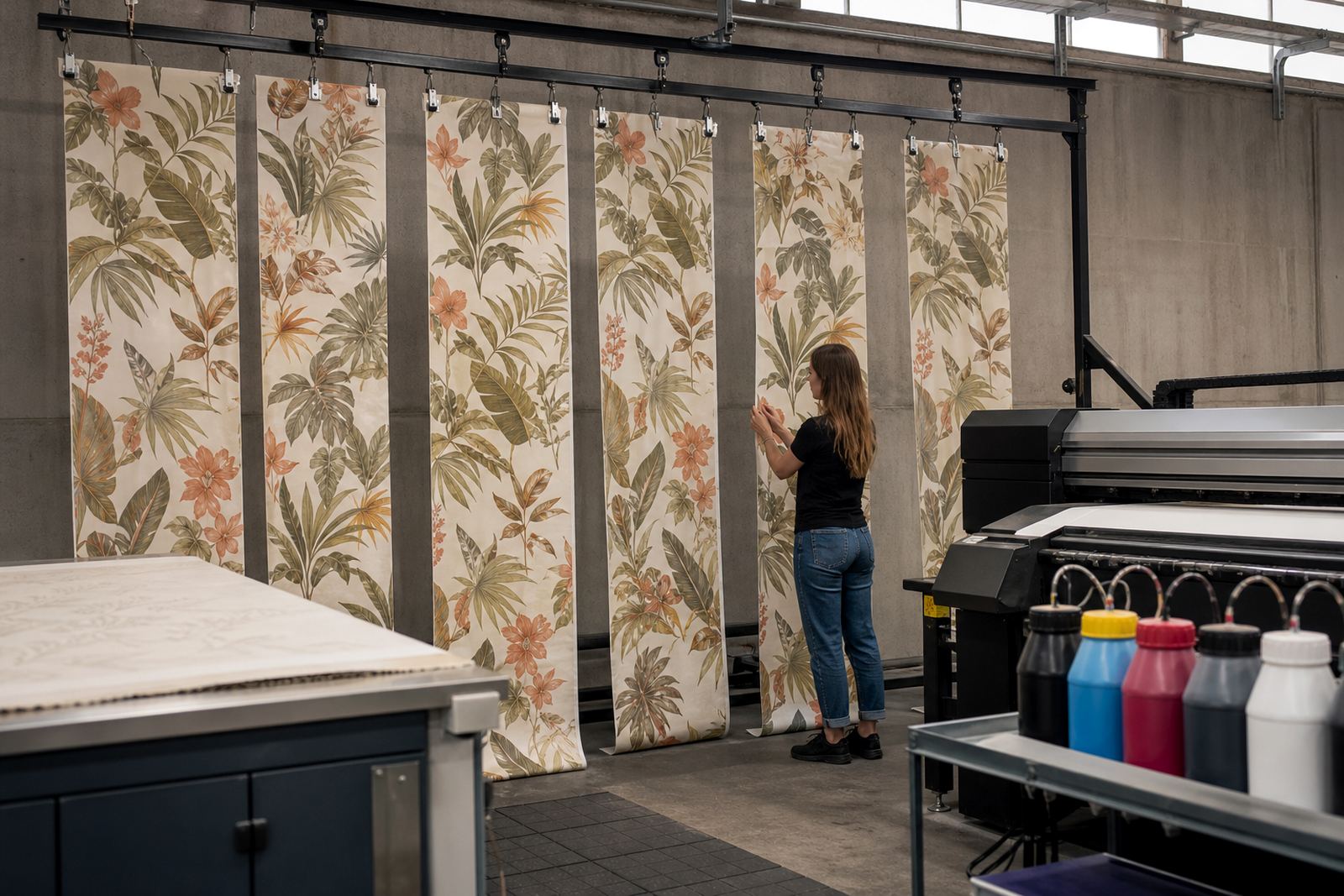
- Plan drying or cooling space for finished work
- Separate first-off samples from full production packs
Safe handling on the shop floor
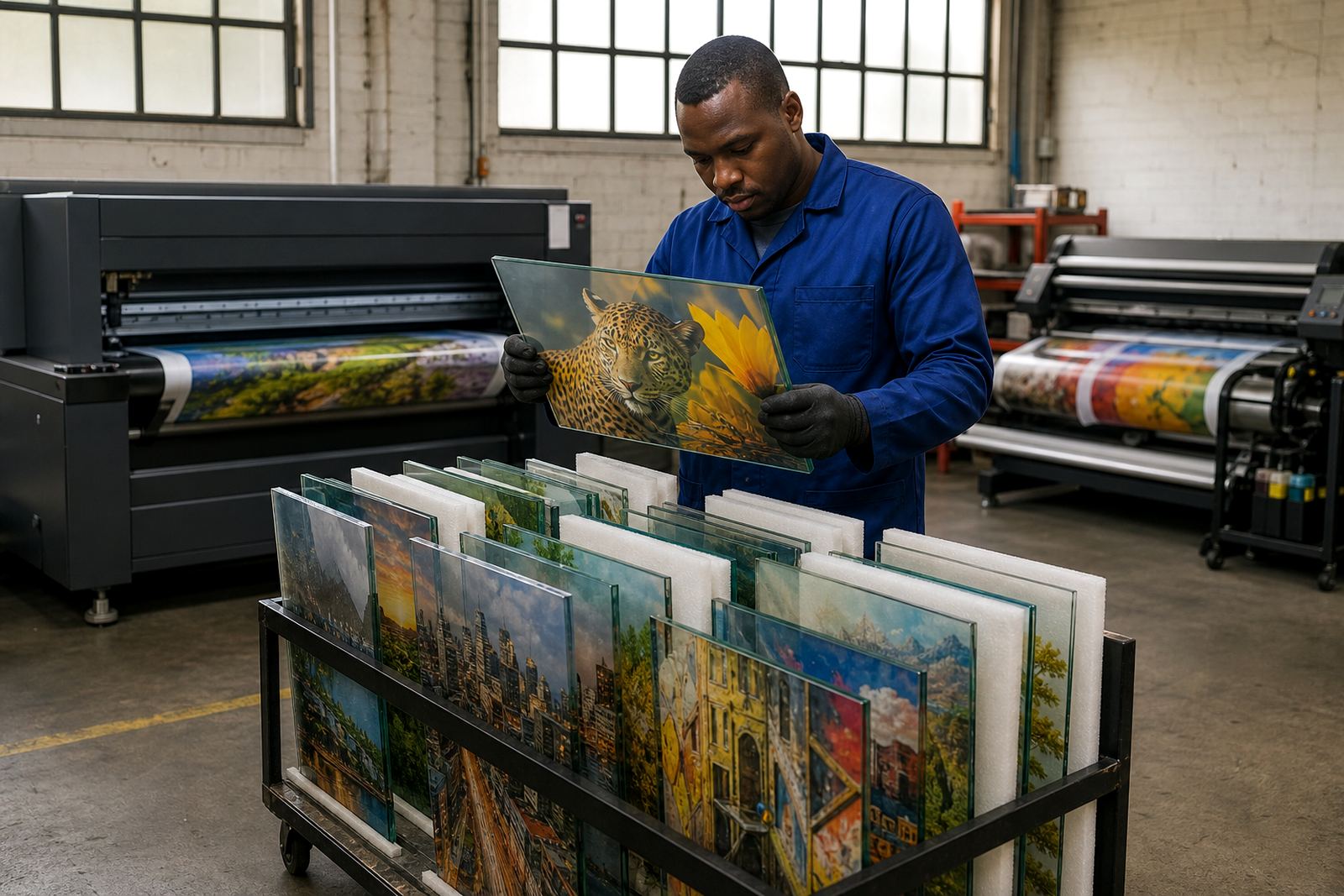
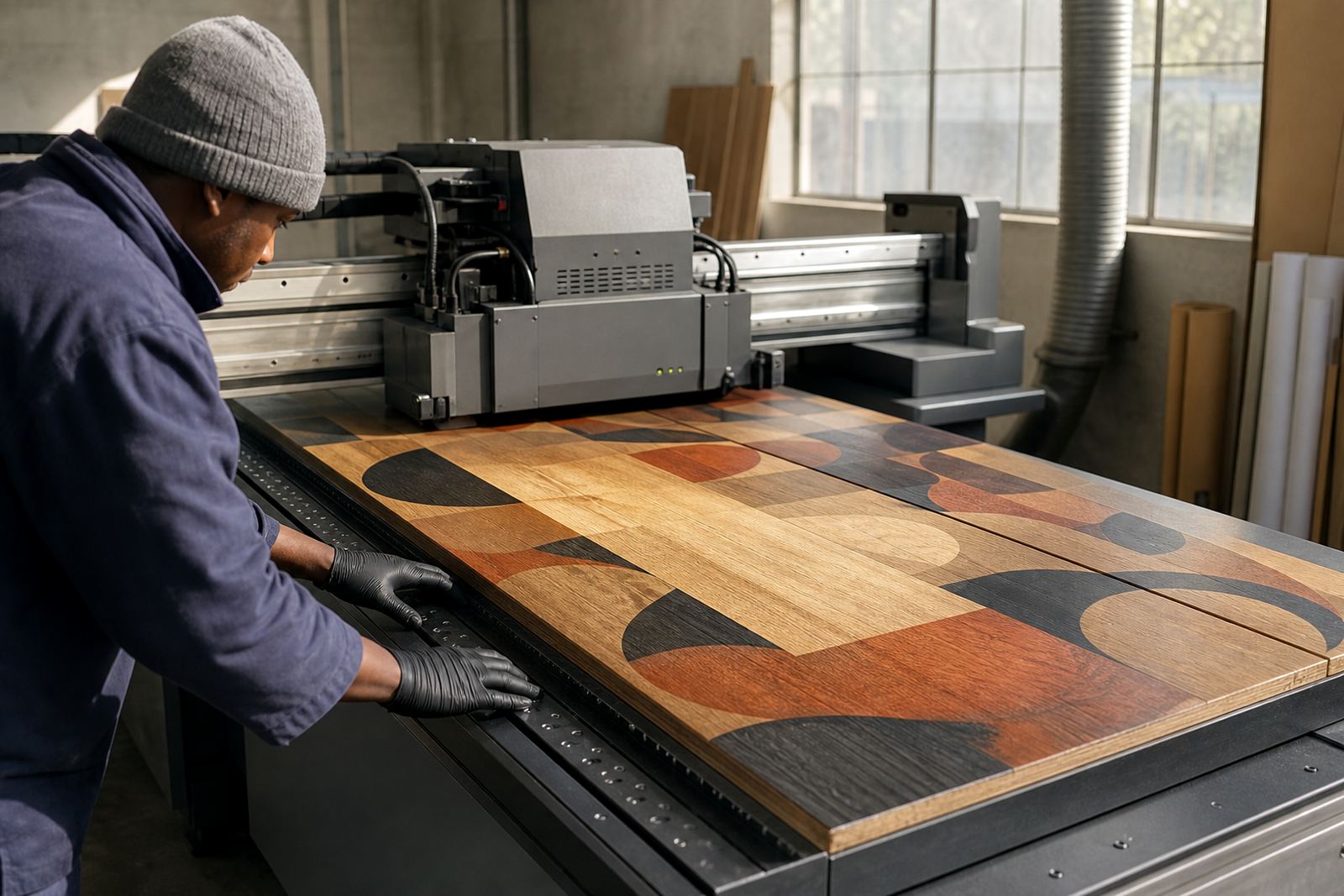
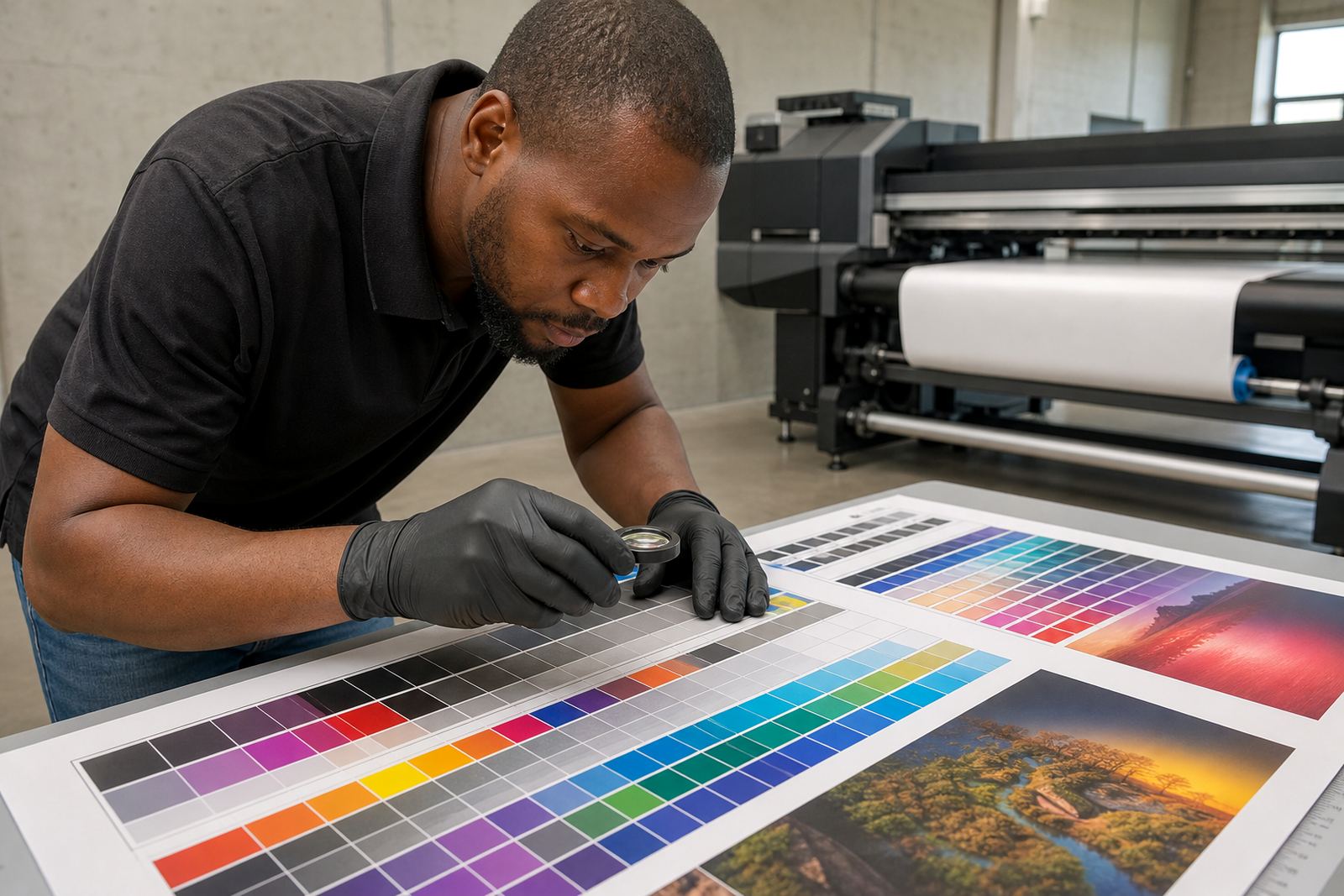
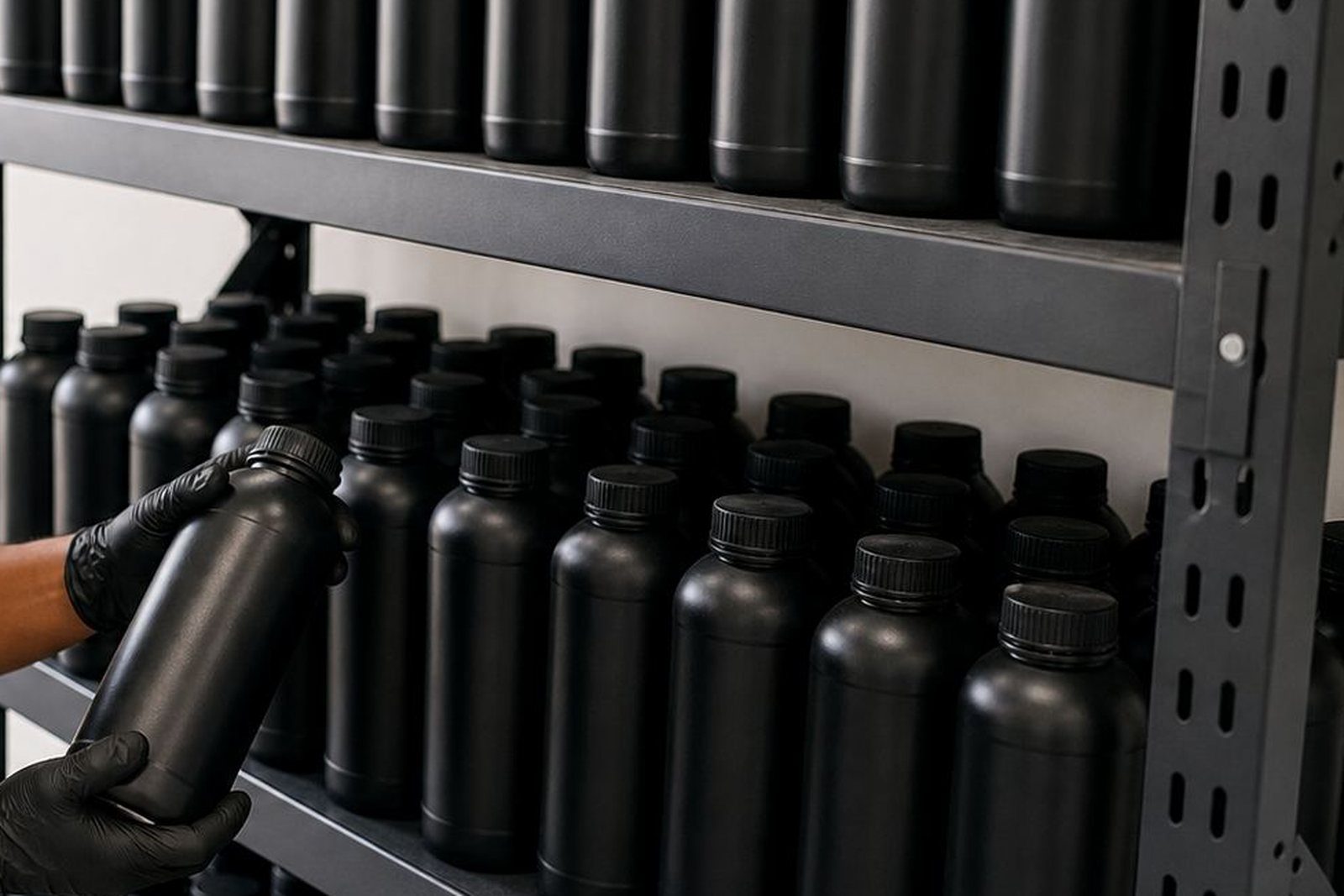
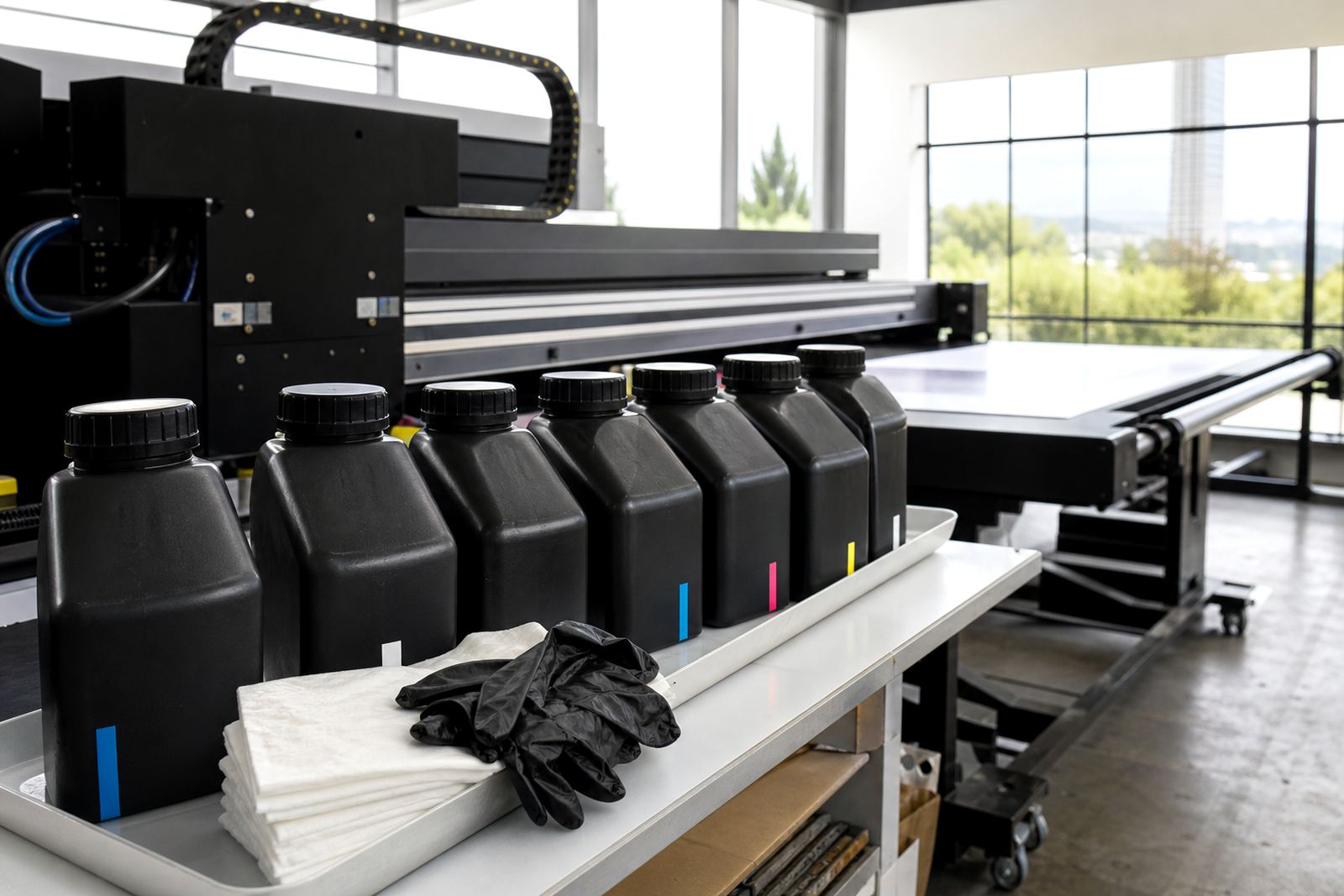
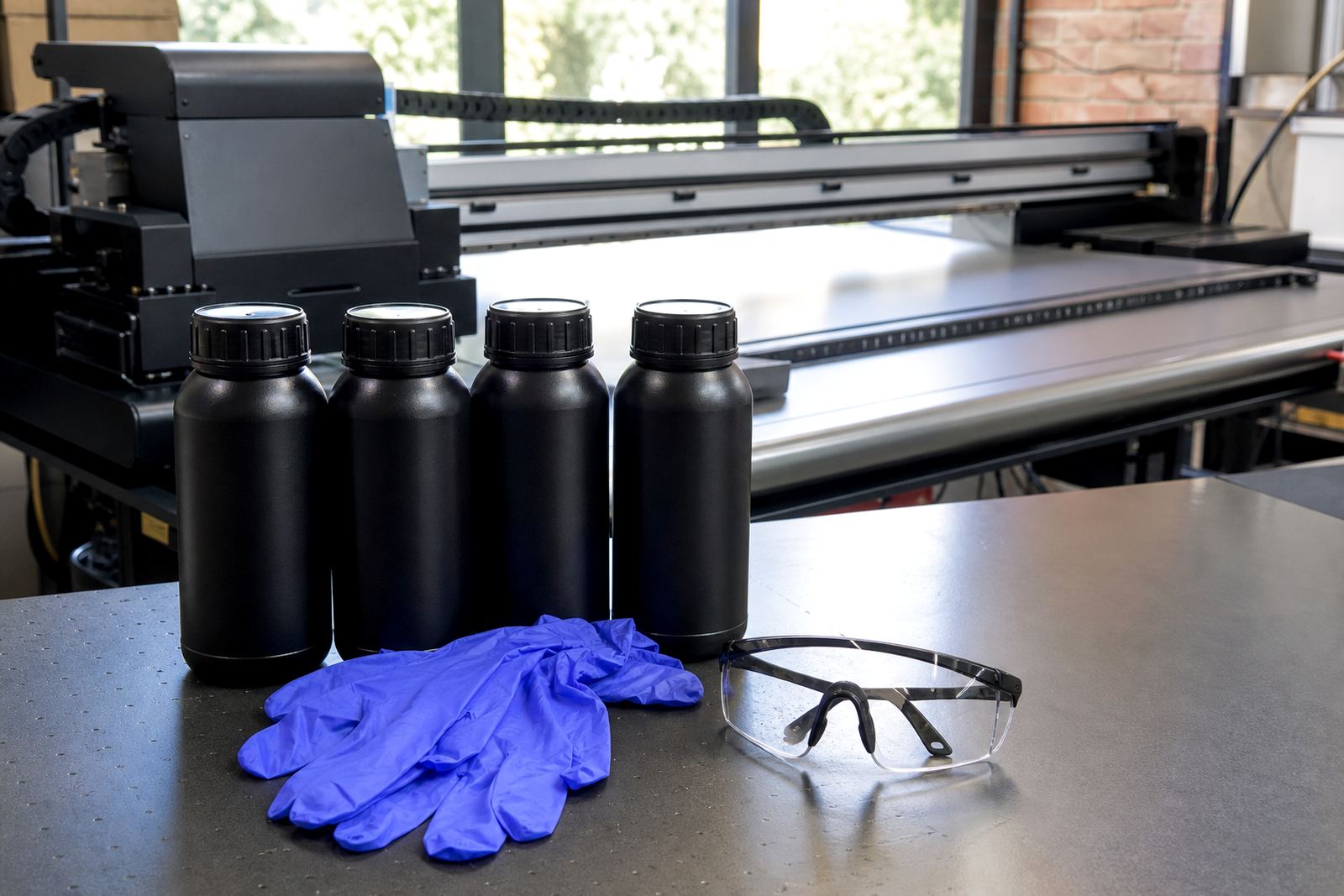
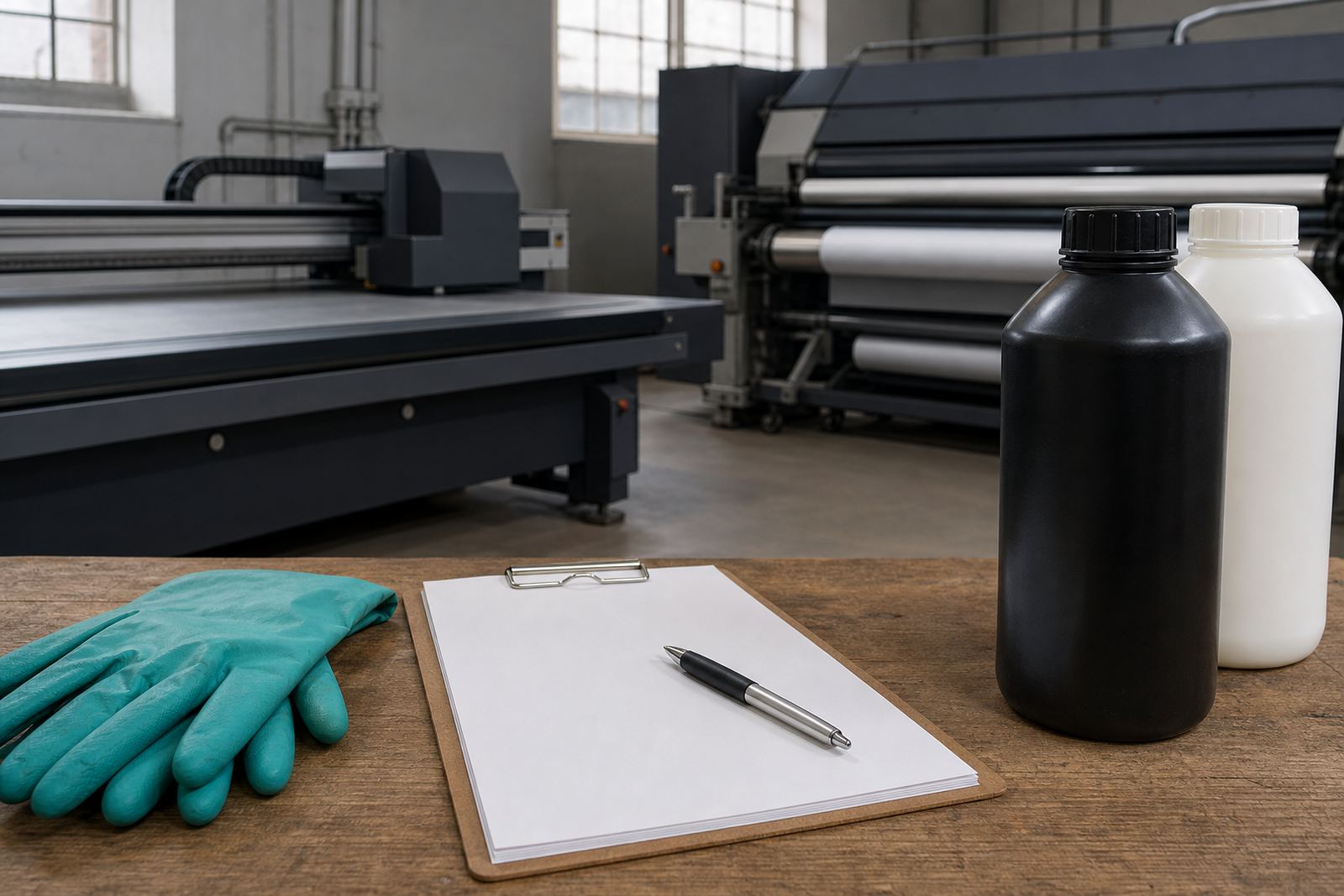
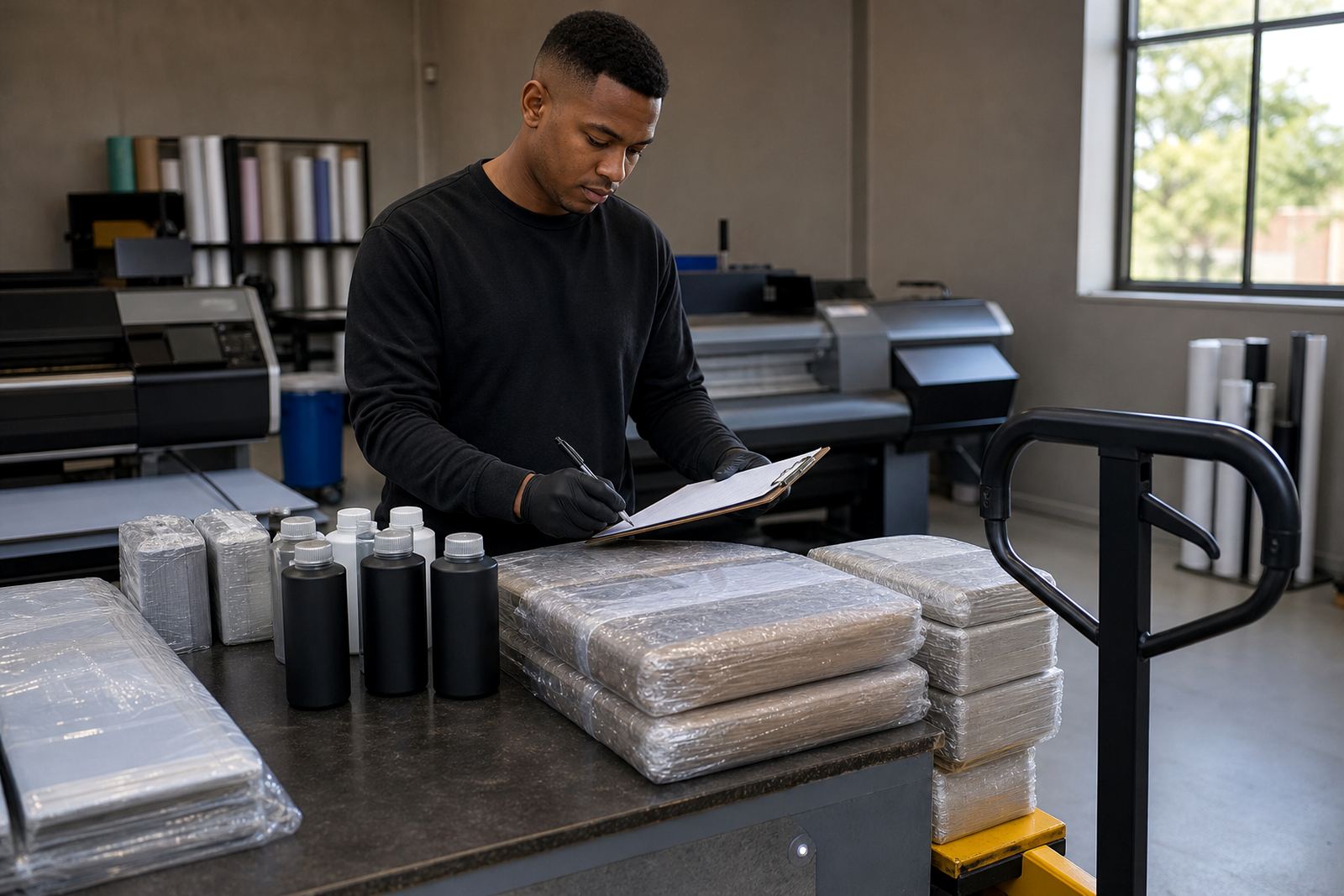
UV-curable inks should always be handled with care. Read the safety data sheet for each product and follow the instructions given there. Gloves are important, especially when changing containers, cleaning up small spills or working through long shifts. Good ventilation also helps keep the workspace comfortable and controlled.
Do not rely on habit alone. Operators should know what to do before a spill, how to store ink correctly and how to keep lids, tools and surfaces clean. Safe handling is part of reliable printing, not separate from it.
- Wear gloves when handling inks and contaminated materials
- Keep the safety data sheet available in the work area
- Store containers closed, upright and away from direct heat
- Clean tools and surfaces as soon as the job is done
What this journal helps you solve
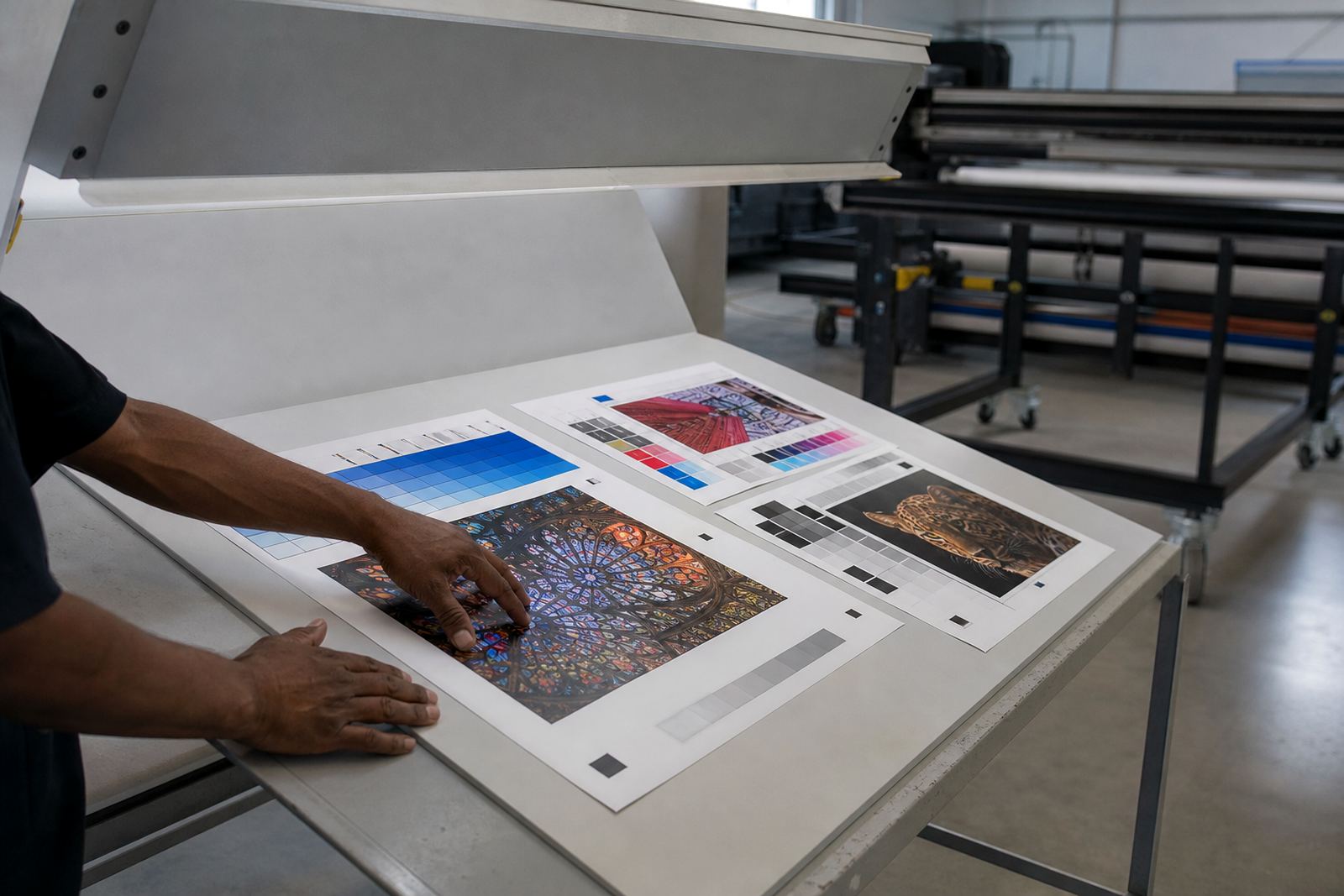
This journal is for printers who want practical answers, not theory for its own sake. You will find guidance on colour trial support, sample pack prep, production planning, operator training and remote tech help, all written for South African print rooms that need results and clear steps. Whether you are running repeat orders or testing new materials, the aim is to help you make better decisions before the job gets expensive.
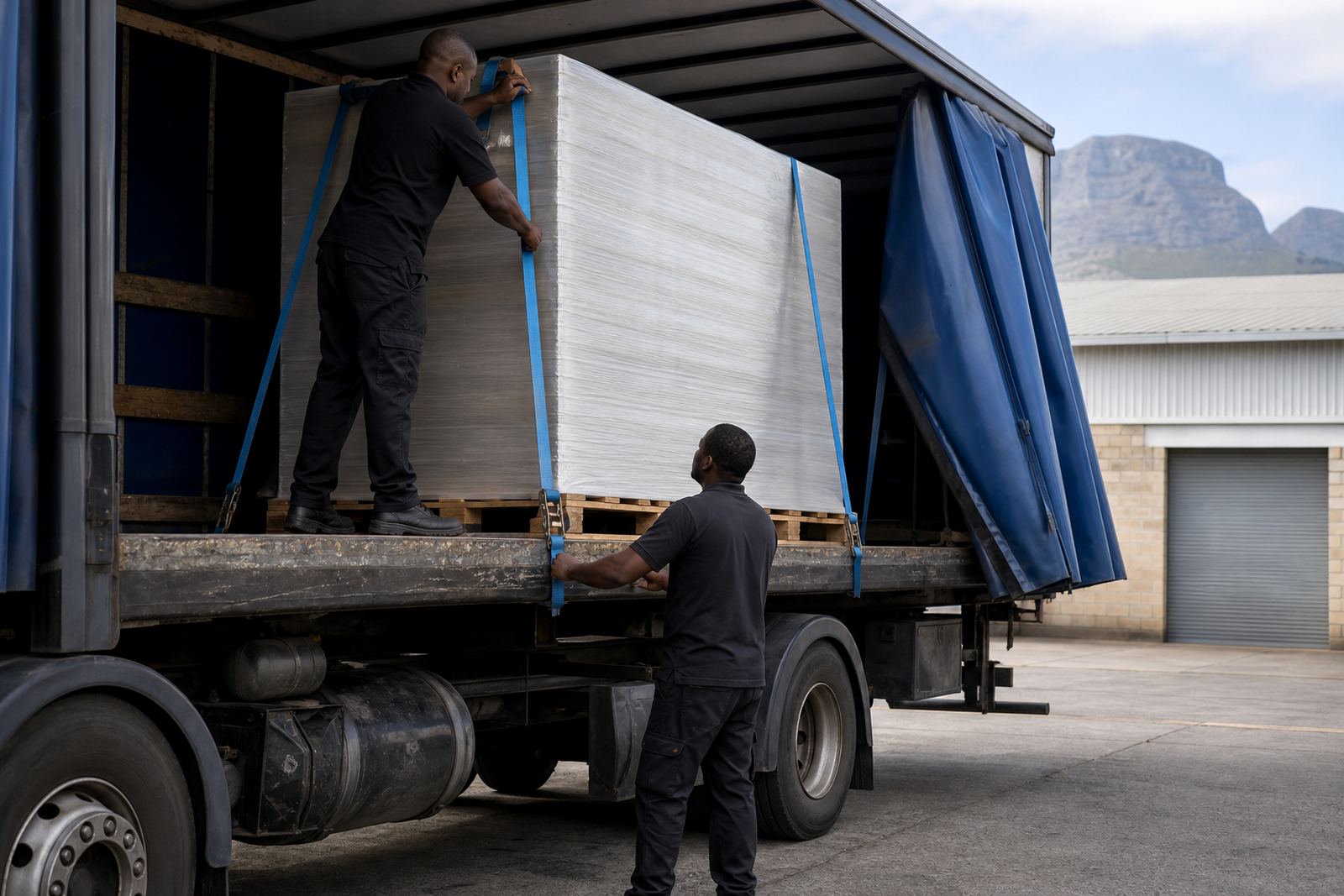
Use the articles to compare options, plan around courier delivery and prepare for the next production run. If you need to work across branches or areas like Bellville, Paarl, Cape Town, Johannesburg, Durban, Pretoria and Gqeberha, the same basics still apply: choose carefully, test properly and keep safety first.
- Use the hub to compare inks for different applications
- Look for advice on curing, adhesion and substrate handling
- Follow safe handling steps on every job
- Build repeatable settings for future orders