Why Vinyl Needs More Than Good Colour
Vinyl is used for so many jobs because it is flexible, smooth and easy to cut, but that same smooth surface can make ink bonding tricky. UV-curable inks cure by exposure to UV light, forming a hardened film on the surface, so the printed result depends on how well the ink wets the vinyl, how much energy the lamps deliver and whether the media is suited to the job.
If the adhesion is poor, you may see edge lift, scuffing or ink flaking during application. That is why vinyl type matters as much as colour or image quality. Cast, calendared and specialist self-adhesive materials can behave very differently under flatbed and roll-to-roll printers.
In Epping and across Cape Town, many teams print on vinyl for shopfront graphics, event signage and short run label work. The common mistake is to assume one setting fits every roll. It does not. Temperature, dust, static and even coastal humidity can affect how the ink sits on the film.
Matching the Vinyl to the Printer and End Use
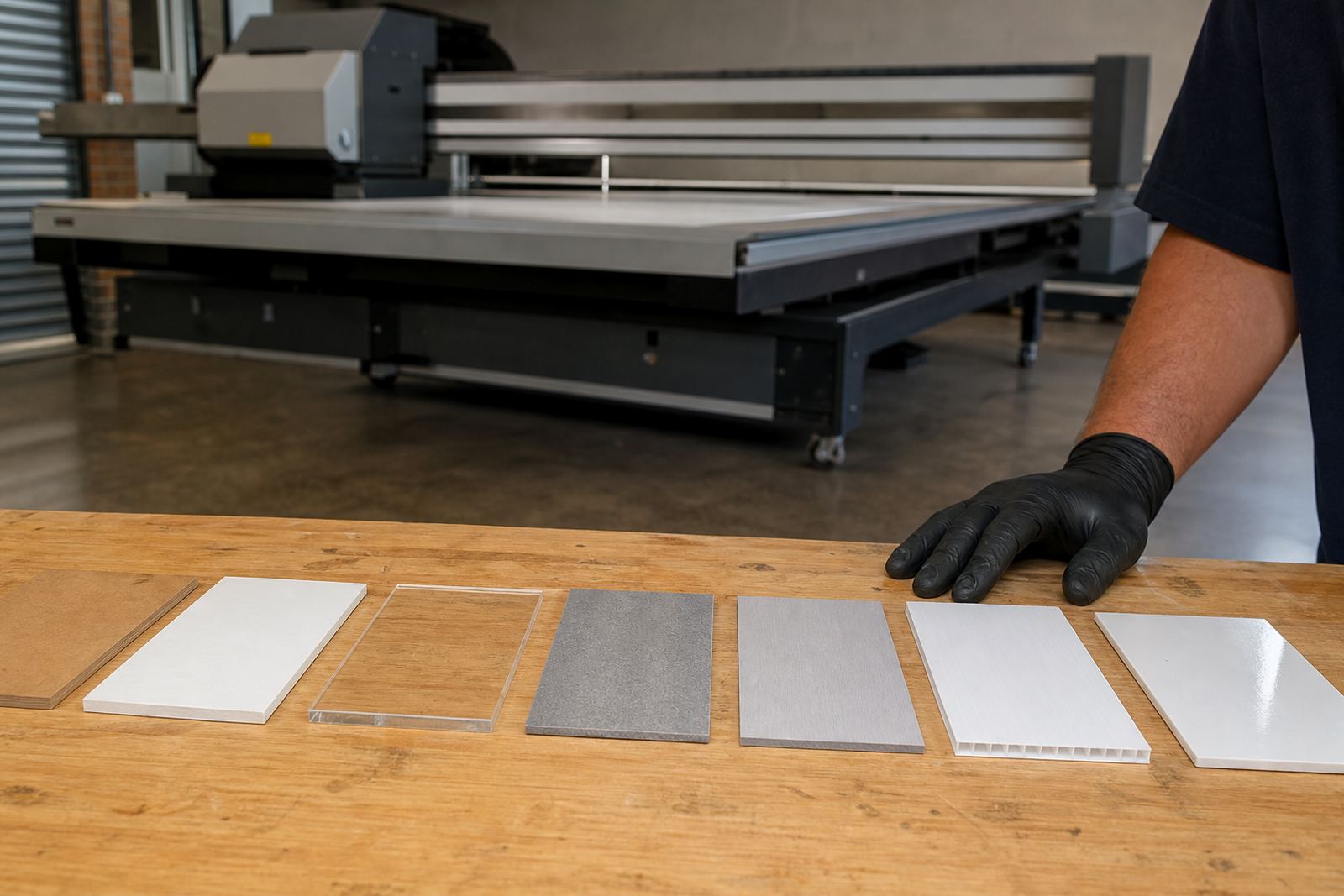
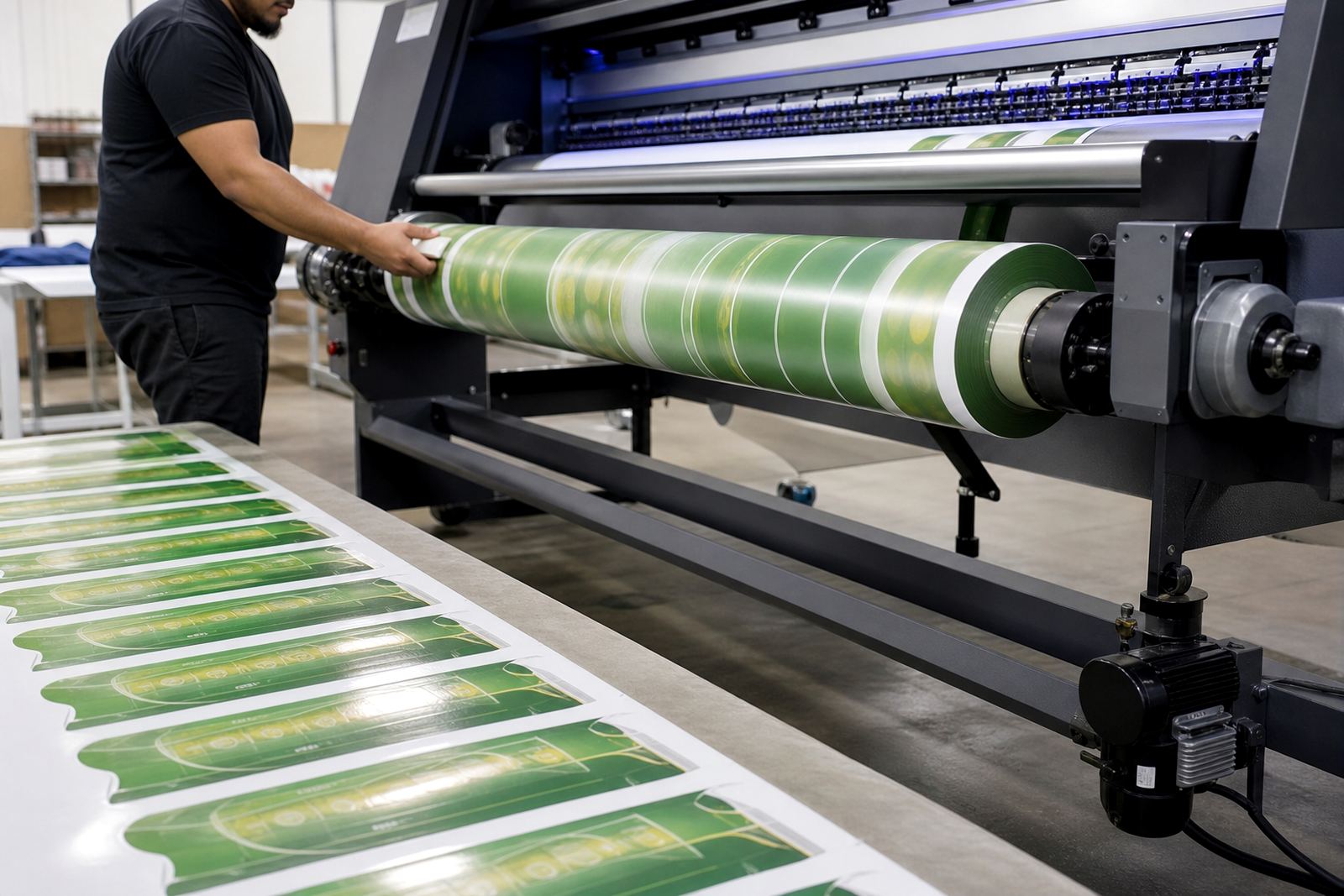
Not every vinyl is suited to every printer. Flatbed systems are often used for rigid or semi-rigid work, while roll-to-roll printers suit flexible media such as adhesive vinyl for banners, decals and wall graphics. Before running a job, check whether the vinyl is intended for UV-curable ink, and whether it needs a primer or special top layer for better adhesion.
A simple compatibility check can prevent wasted stock. Look at the surface finish, thickness and intended use. A gloss vinyl for window graphics may give a sharp result, while a matte finish can reduce glare on indoor labels. If the vinyl will be cut after printing, make sure the print has cured enough to resist blade marks and handling. In production, that small detail saves time later.
- Confirm the media is rated for UV-curable ink.
- Test a small sample before running a full batch.
- Check drying and curing at the actual print speed you plan to use.
Curing Matters More Than Most People Think
UV curing is not only about making the ink dry quickly. It is about creating a stable bond and a finish that can handle flexing, cleaning and outdoor exposure. If the curing is too light, the print may feel tacky or mark easily. If it is too strong, some vinyls can warp, curl or lose surface consistency. That is why cured print quality should be checked before a job leaves the workshop.
For window graphics and labels, curing consistency is especially important at the edges where the ink film can be thinnest. A well cured print will generally hold better through trimming and application, while a poorly cured one can fail at the corners first. In summer heat or in a busy shop where prints are packed quickly, allow enough time for the job to settle before lamination or fitting.
We also advise following the safety data sheet for every ink line and wearing gloves during handling, cleaning and set up. Even when the ink is designed for efficient curing, safe handling is part of good workshop practice and keeps operators protected.
Practical Print Checks Before You Run the Job
Good vinyl printing starts with a few checks that are simple enough to build into daily production. They help reduce reprints, improve adhesion and keep colour consistent from sample to final output. This is especially useful when a customer wants a quick turnaround for a retail promotion or site branding.
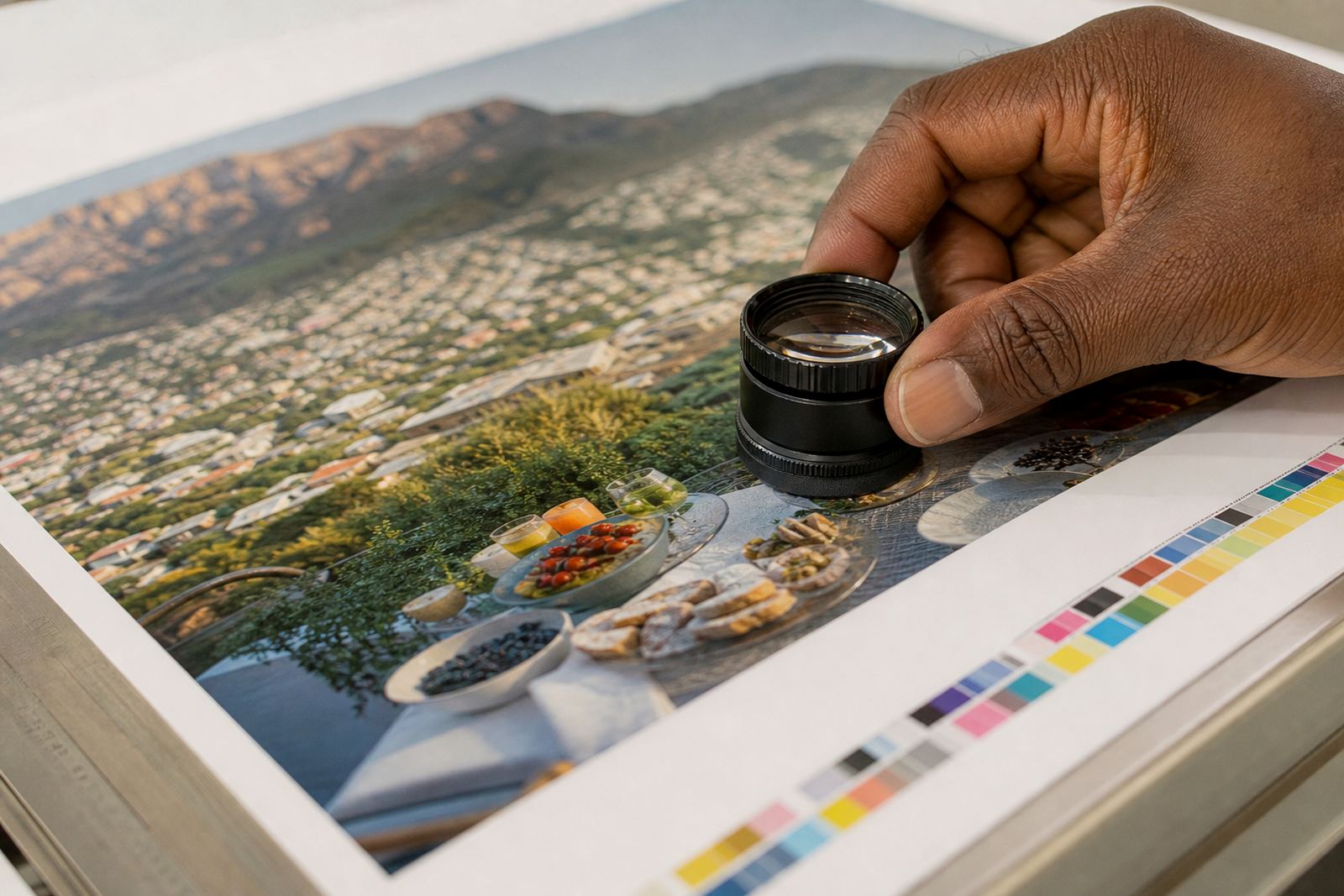
Before printing, make sure the roll is clean and acclimatised to the room. Vinyl pulled straight from a cold van or a humid storeroom can behave differently on press. Check the platen, feed path and rollers for dust or adhesive residue. Then do a sample strip and inspect the result under normal shop light, not only under the printer lamp.
- Check media cleanliness and static before loading.
- Run a small adhesion test on the chosen vinyl.
- Inspect colour density and edge sharpness after curing.
If the printer restarts after a cut, it is worth checking registration and cure settings before resuming the full run. A small pause now can prevent an expensive batch later.
A Cape Town Example: Shop Window Graphics in Salt Air
A small retailer in Bellville might need window graphics for a month-long promotion, while a restaurant in Gqeberha may want menu decals that can stand up to cleaning and sea air.
In a coastal area, humidity and salt can affect surface prep and long-term performance, especially on windows facing wind and direct sun. If the glass is not cleaned properly, the adhesive side of the vinyl may bond unevenly and lift at the corners. A good installer will wipe, dry and inspect the surface before applying the graphic, then check the edges after the first day in service.
If the team knows whether the graphic is for short term sale signage or a longer display, they can decide on the right media, ink loading and curing approach from the start.
How UV Ink Supports Faster Turnaround Without Cutting Corners
UV-curable inks are useful for vinyl jobs because they cure quickly and can support productive turnaround when the workflow is set up properly. That does not mean speed should replace testing. The strongest result still comes from matching the ink to the vinyl and keeping the production steps clear from quoting through to dispatch.
Our team supports customers with ink selection, compatibility checks, adhesion testing, curing guidance, colour trial support, sample pack prep, production planning, operator training, safe handling briefing, remote tech help, courier stock support and repeat order management. For vinyl work, that practical support can make the difference between a neat finished job and one that needs rework.
If you are printing decals, labels or window graphics and want more confidence in the result, start with the substrate. Then check cure, adhesion and handling. That order usually gives better output than chasing colour alone.
What to Ask Before You Place the Next Vinyl Order
Before ordering ink or setting up a vinyl job, ask a few direct questions. They help the workshop, the installer and the customer stay on the same page, especially when the job has a deadline or must be repeated later. A proper job brief helps the printer, installer and customer avoid wasted material.
- Is the vinyl intended for indoor or outdoor use?
- Will the print be cut, weeded or laminated after curing?
- Does the surface need extra adhesion support or testing?
- Will the job run on a flatbed or roll-to-roll printer?
- Is there time for a sample before production starts?
If you are ordering from our Epping, Cape Town base, clients can reach us through the enquiry form on our contact page. We supply We courier UV ink to Cape Town, Johannesburg, Durban, Pretoria, Gqeberha and other centres, with support for Bellville and Paarl deliveries as well.