

Choosing the right print application for UV ink
UV-curable ink is used across many jobs because it can print on coated and uncoated materials, then cure quickly under UV light. The right choice depends on the surface, the handling the finished item will face, and whether the printer is a flatbed or roll-to-roll machine. A good match helps with adhesion, colour hold and day to day production stability.
For shops in Epping, Cape Town and beyond, the first step is to look at the end use. Indoor display work, outdoor signage, rigid panels, flexible graphics and some packaging all ask for different ink behaviour. Coastal humidity in places like Cape Town, Durban and Gqeberha can also affect media prep and drying conditions, so it is worth checking the full process, not just the ink bottle.
- Match the ink to the substrate type and coating
- Confirm curing output and carriage settings before production
- Check whether the job needs flexibility, scratch resistance or strong adhesion
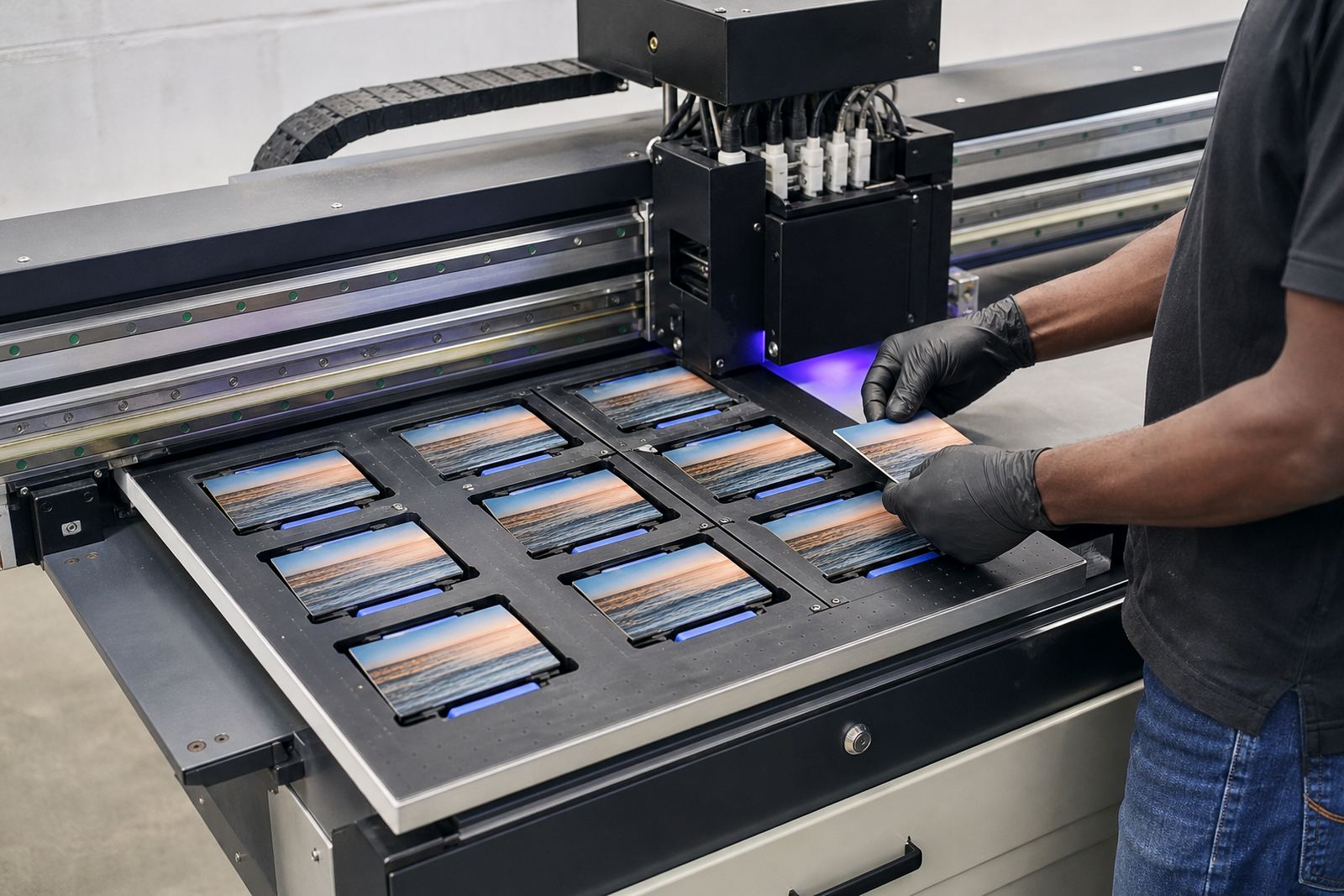
- Keep the safety data sheet close and wear gloves when handling ink
Signage and display boards
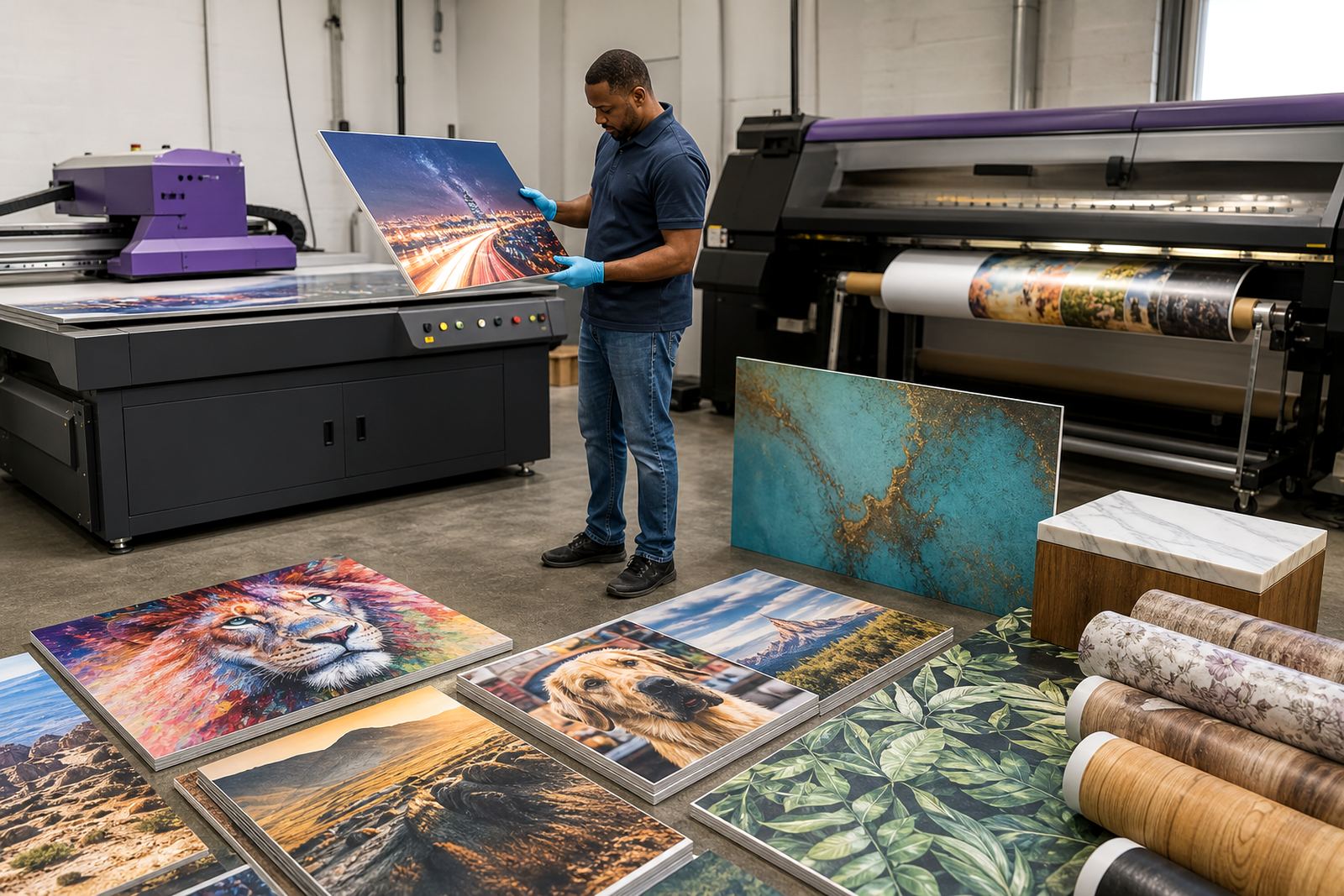
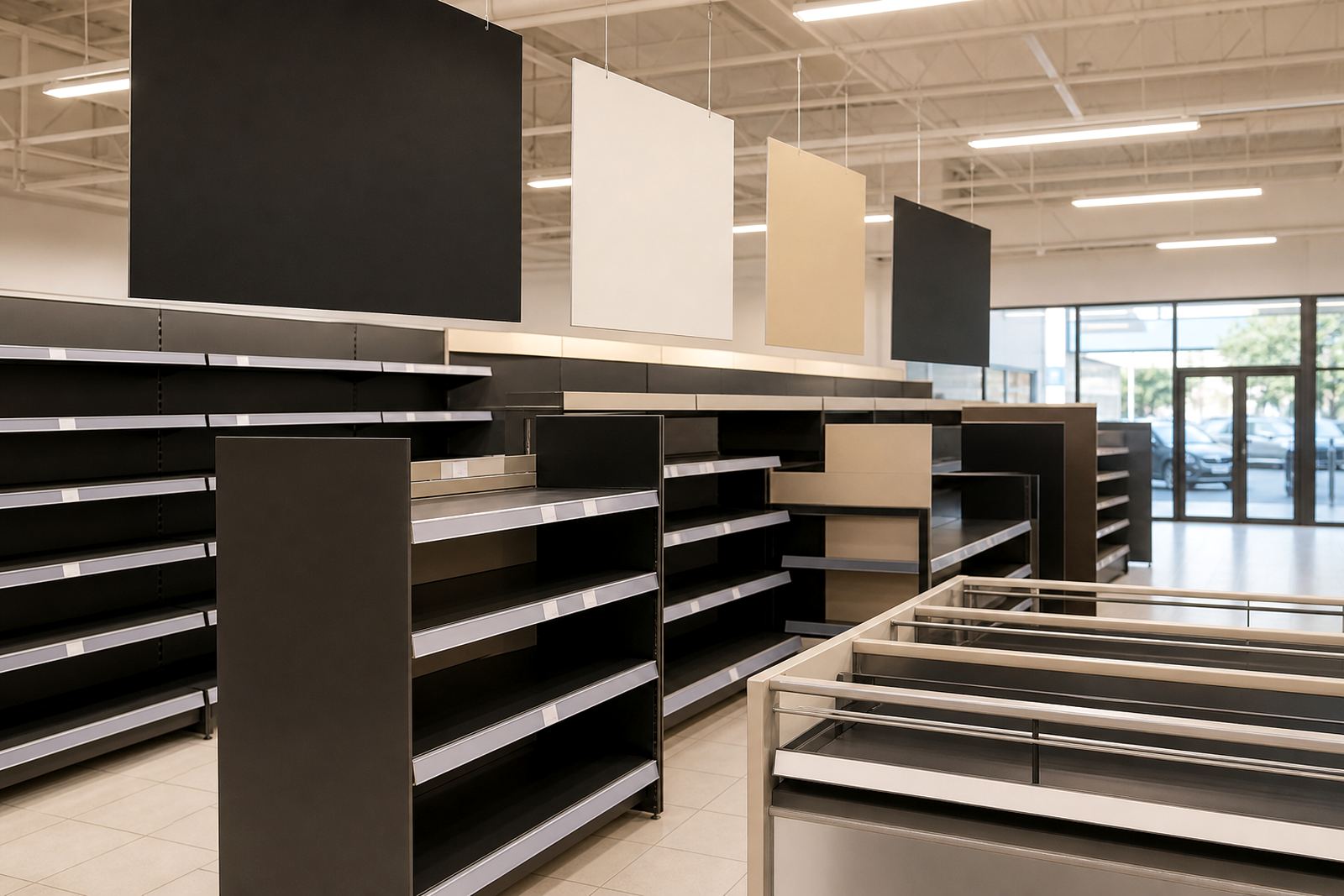
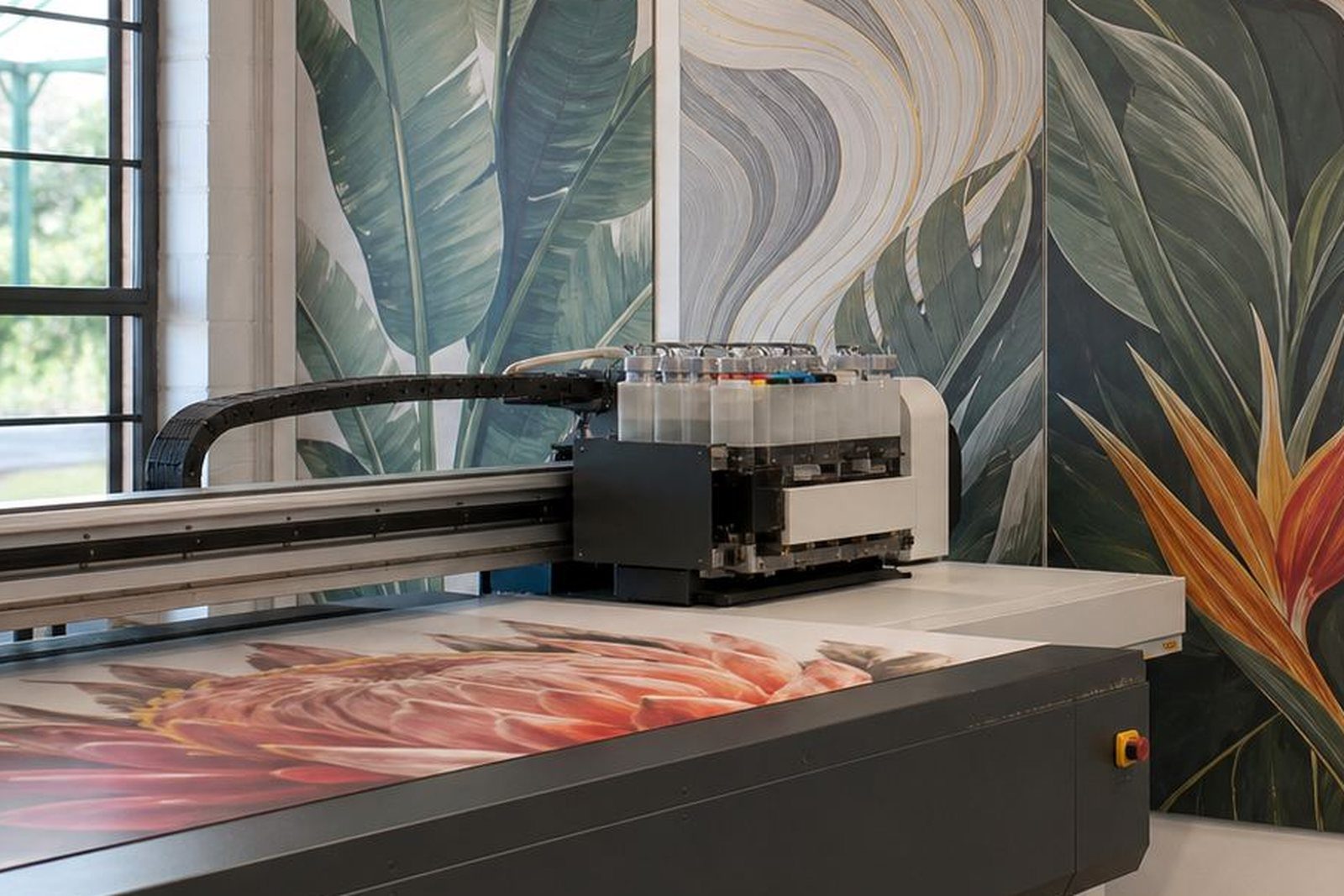
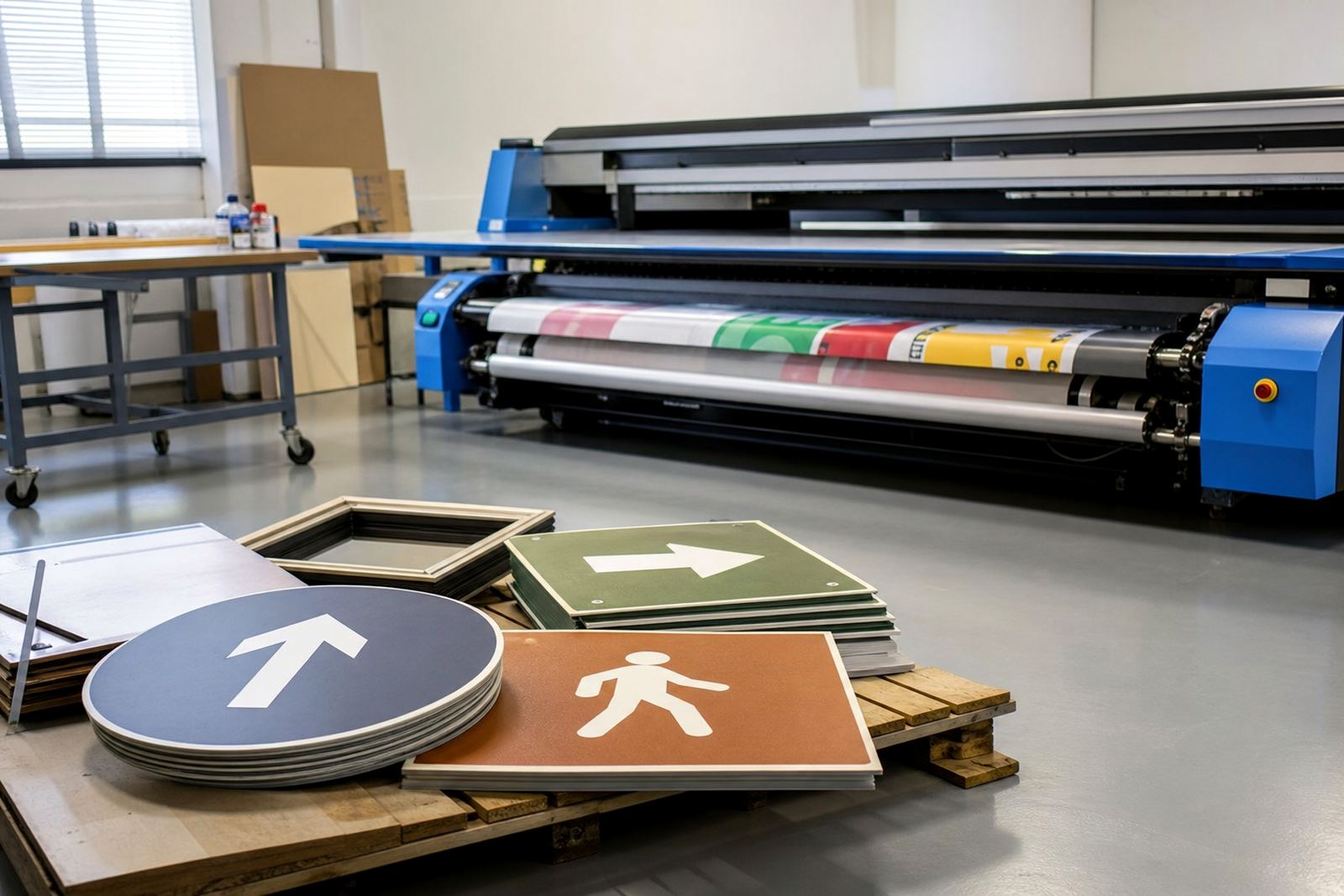
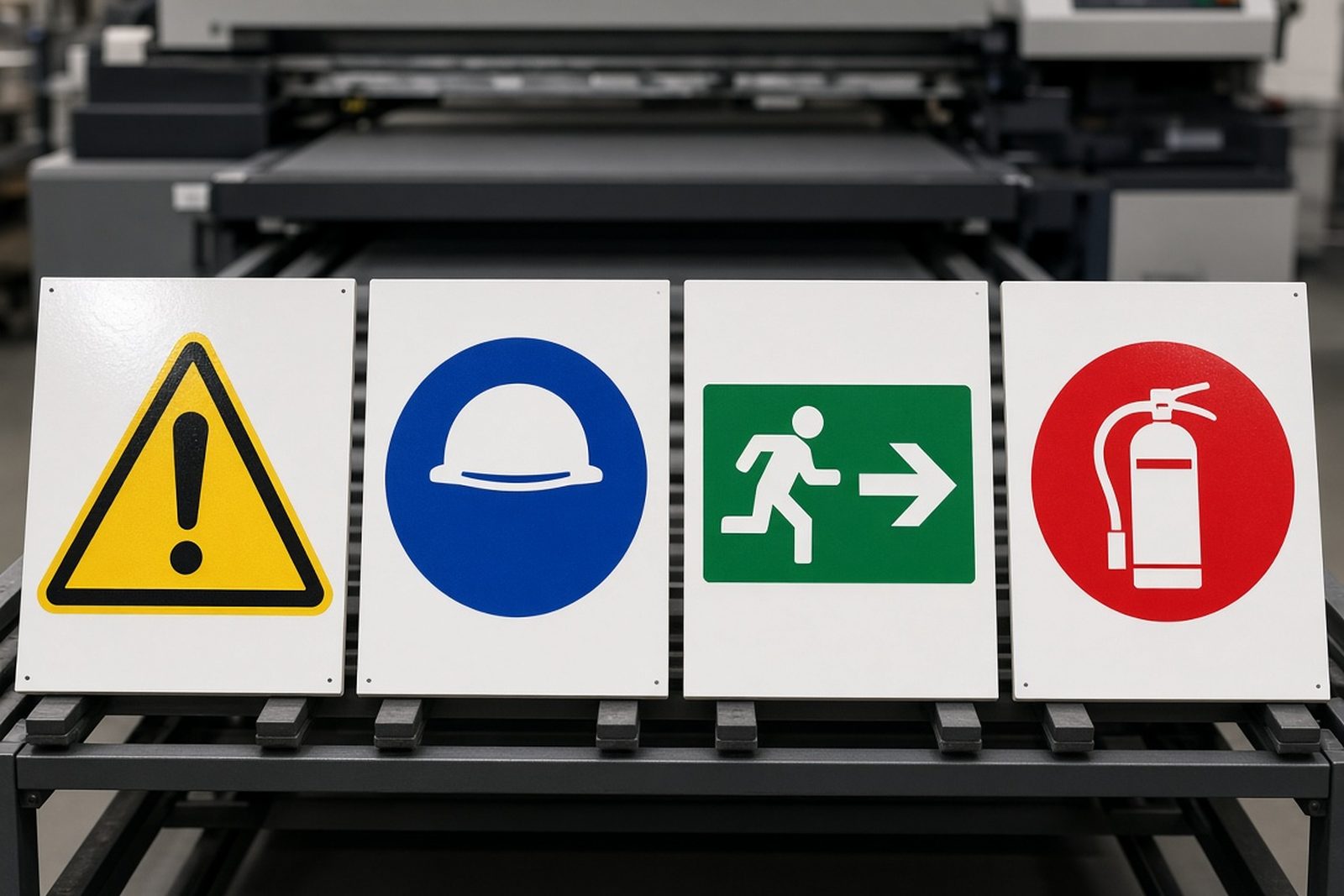
Signage is one of the most common uses for UV-curable ink. Flatbed printers are often used for rigid boards, foam PVC, acrylic, aluminium composite panel and other display materials. These jobs need clear colour, controlled dot gain and reliable curing so the print can be handled, trimmed and installed without trouble.
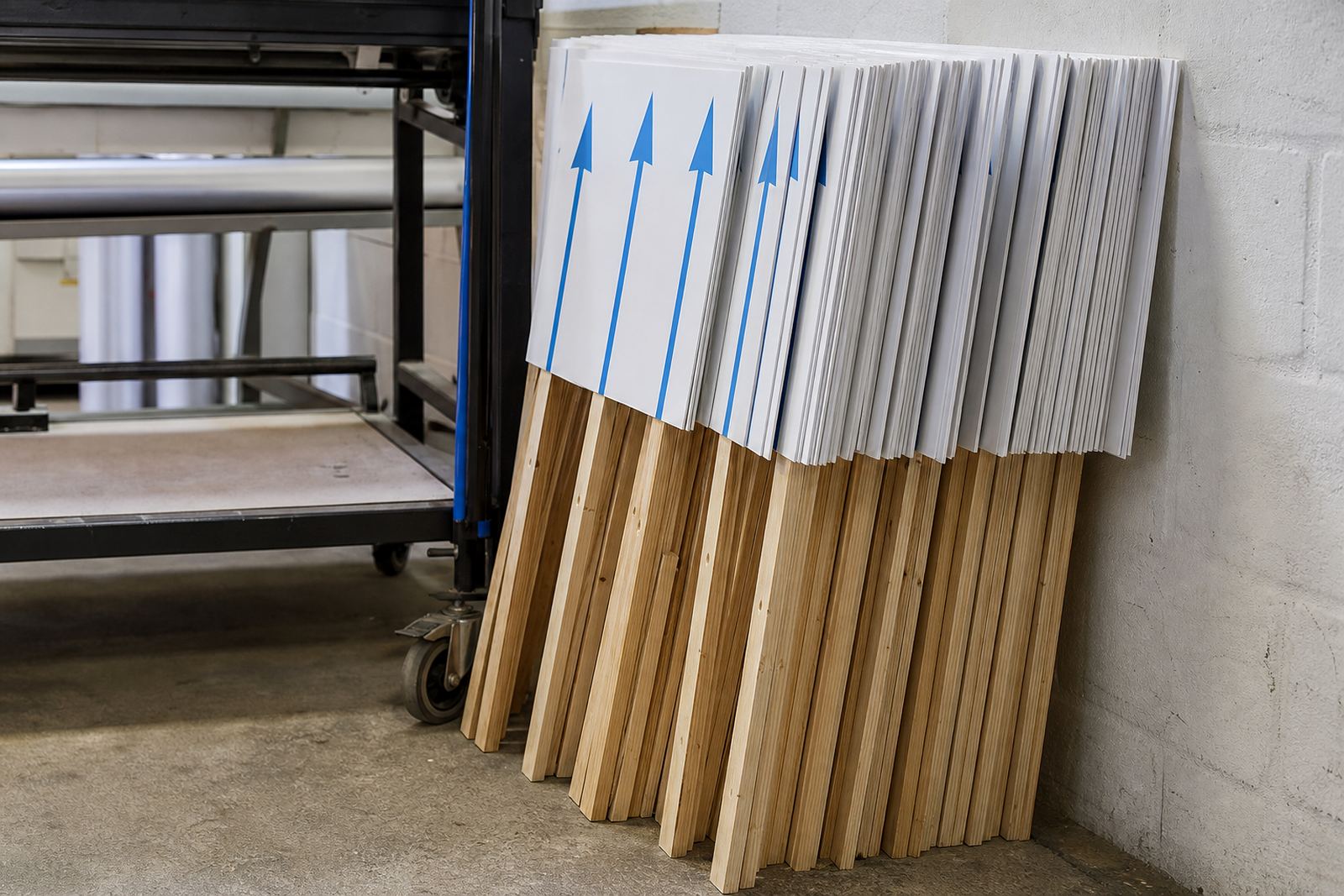
Where the sign will sit outdoors, curing and adhesion matter even more. Wind, sun and dust can test the finish, especially on roadside work, shopfronts and construction signage. In Gauteng and coastal areas alike, production teams often run sample tests first to confirm that the cured print holds properly and does not mark when stacked.
- Rigid display panels for retail and point of sale
- Directional signs for estates, warehouses and parking areas
- Construction and safety boards for short or medium term use
- Printed panels that need clean edges after cutting or routing
Vehicle graphics and fleet branding
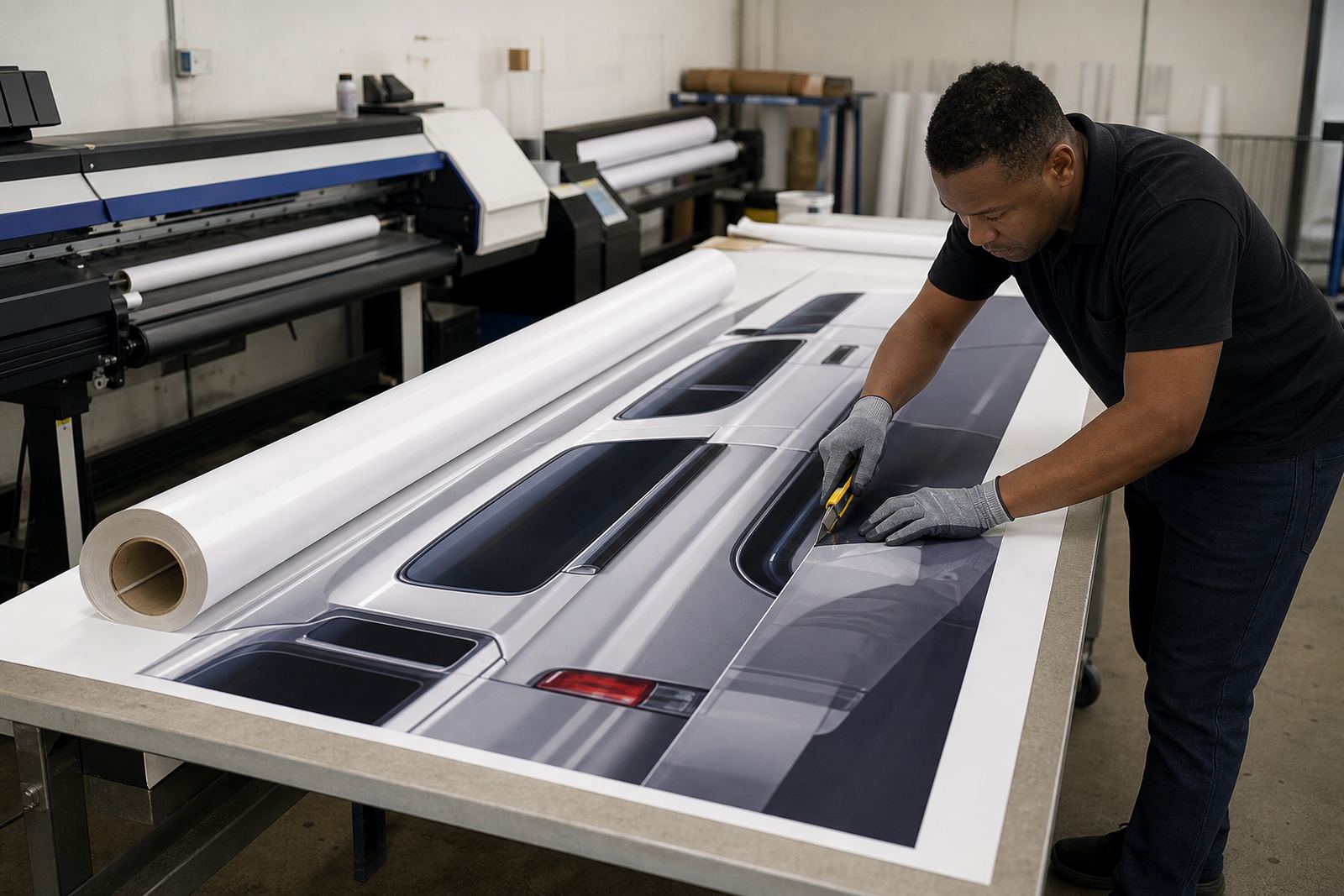
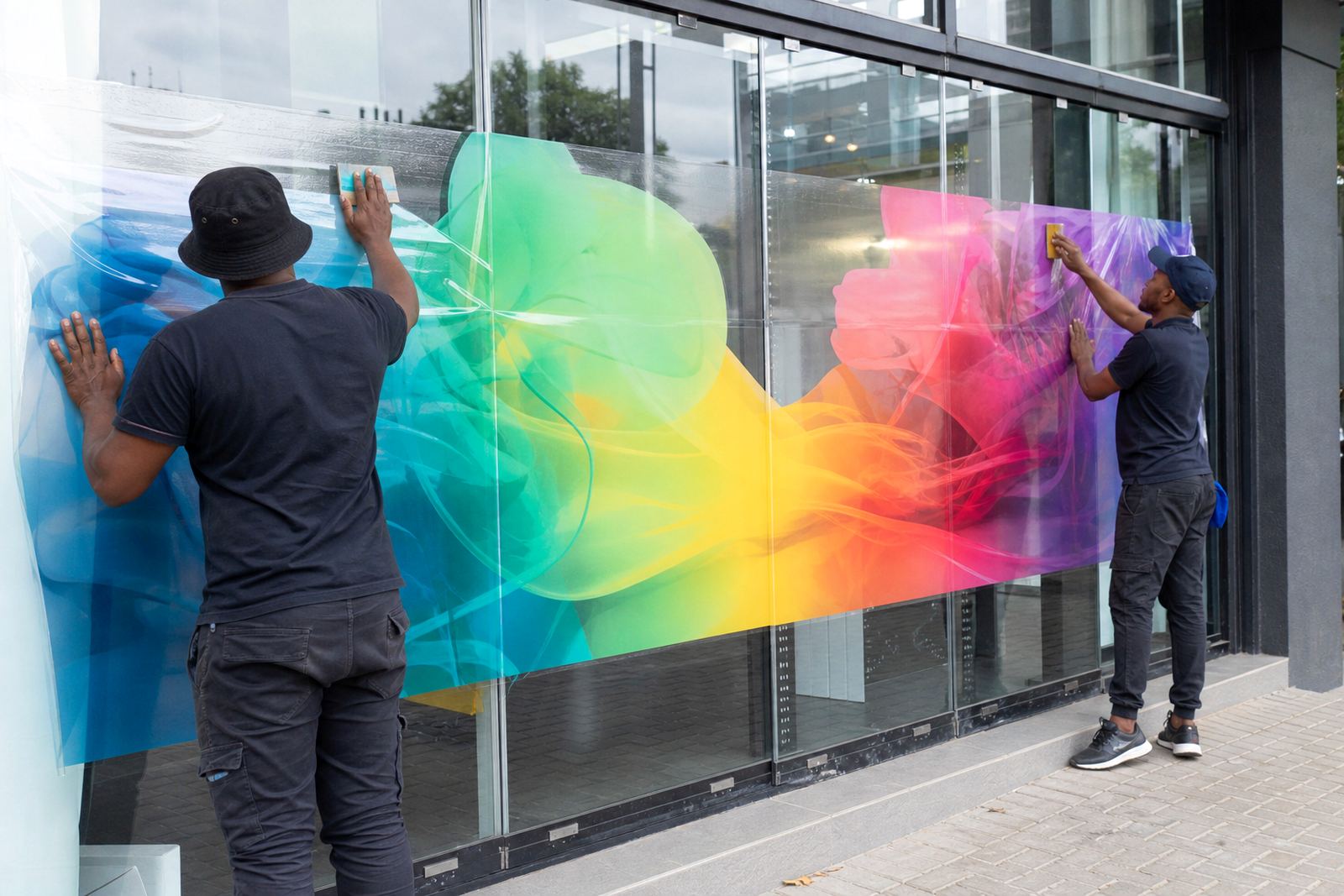
Roll-to-roll UV ink is often selected for wraps, decals and fleet graphics where flexible media is needed. These jobs can include laminated graphics, pressure-sensitive vinyl and other roll stock used on cars, bakkies, vans and trucks. The print must cure fully and still remain flexible enough for application around curves and edges.
Operator setup plays a big role here. Too much ink laydown can affect drying and stretch behaviour, while poor curing can weaken the bond at the edge of a panel or sticker. In South African fleet work, a print may need to cope with heat, road grime and repeated washing, so it is worth doing a small trial before full production. If a job will be applied in a humid area or stored for some time before fitting, keep the rolls clean and sealed.
- Fleet graphics for delivery vans and service vehicles
- Decals for windows, doors and body panels
- Printed panels that are later cut into fitted sections
- Short run promotional wraps for events and activations
Packaging, cartons and product labels
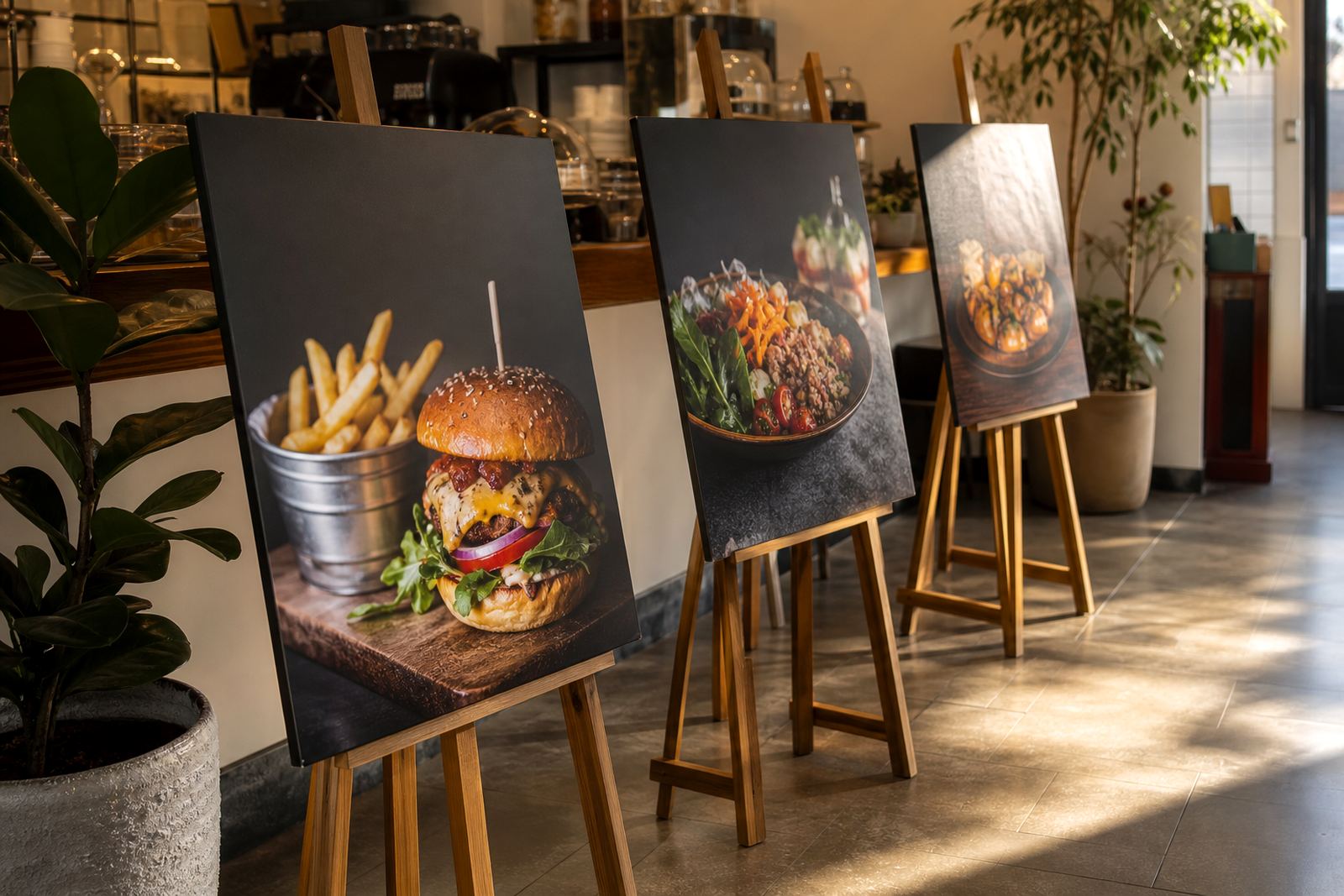
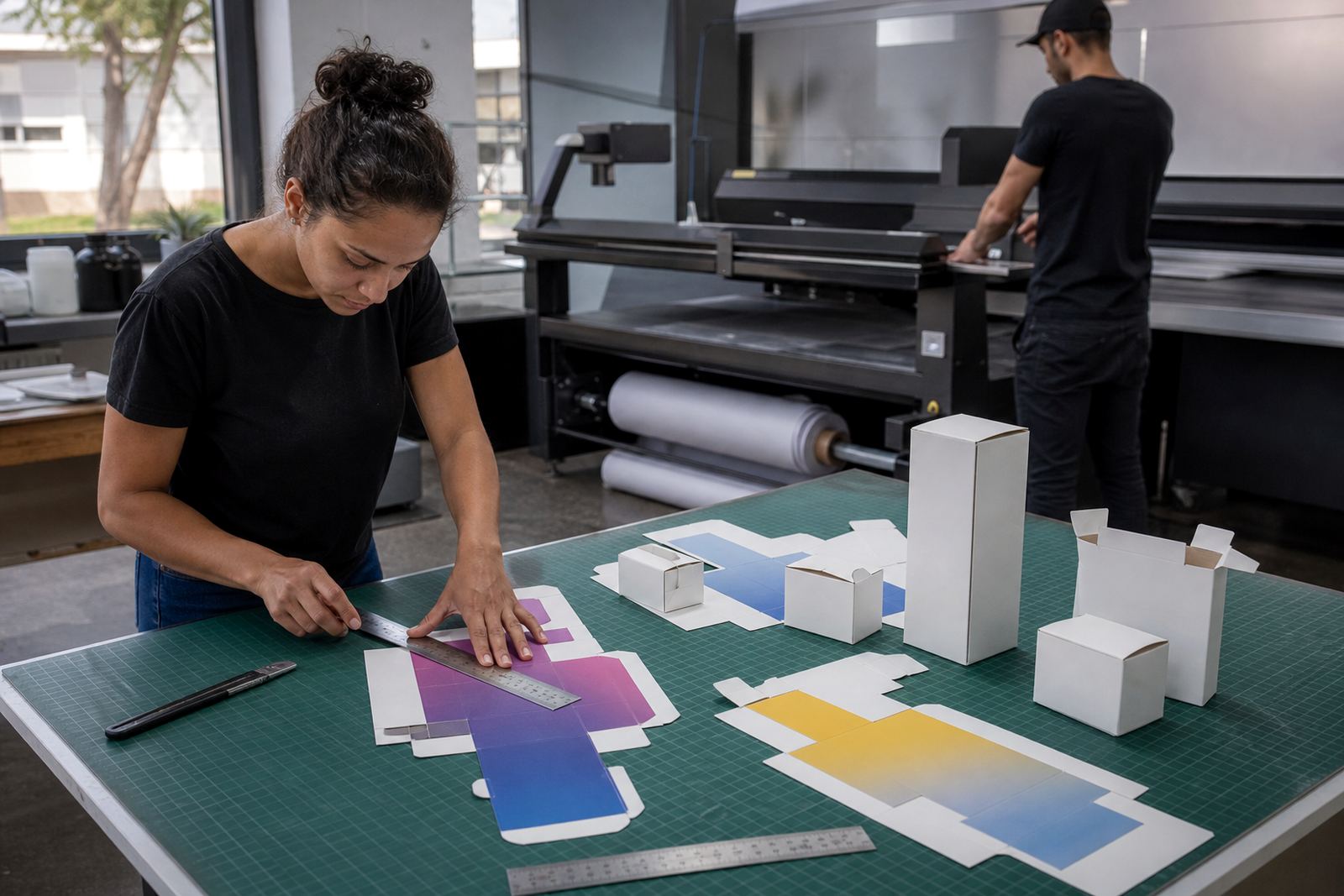
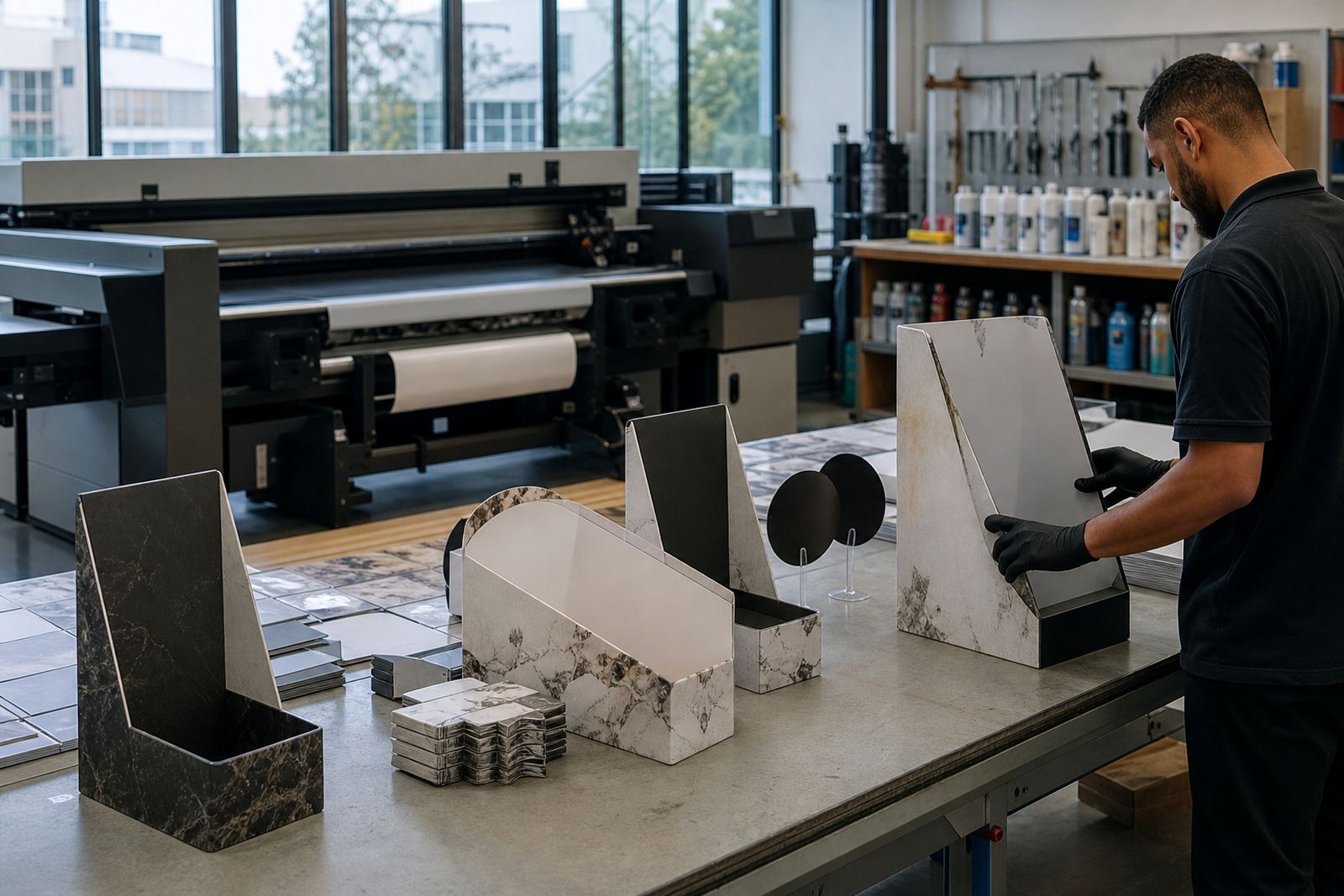
Some packaging work can be produced with UV-curable inks, especially where sharp graphics and fast turnaround are needed. Printed cartons, sleeves, inserts and selected label work may use UV systems where the board or film has the right surface energy and the curing setup is matched to the substrate. This is where compatibility checks matter most.
Packaging lines often move quickly, so ink must cure enough for handling, folding and finishing. If the print will be cut, creased or glued, test those steps before starting a full run. In some cases a simple colour trial can save a lot of rework. Safe handling also matters in production spaces, so operators should read the safety data sheet, keep gloves on and follow the cleaning instructions supplied with the ink.
- Short run cartons and sleeves
- Promotional packaging for retail launches
- Labels and inserts that need strong image clarity
- Trial packs before committing to full production quantities
Glass, acrylic and other rigid materials
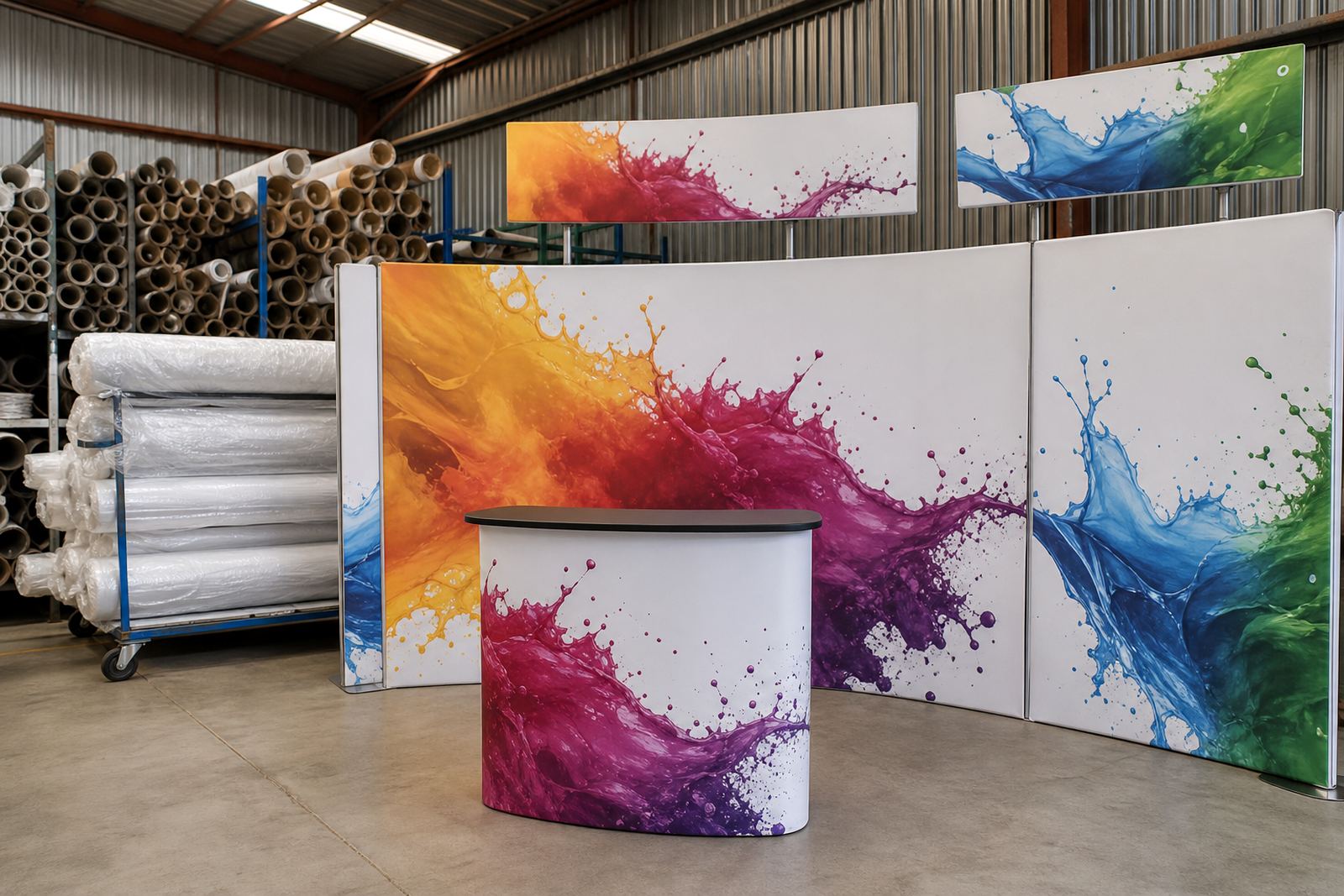
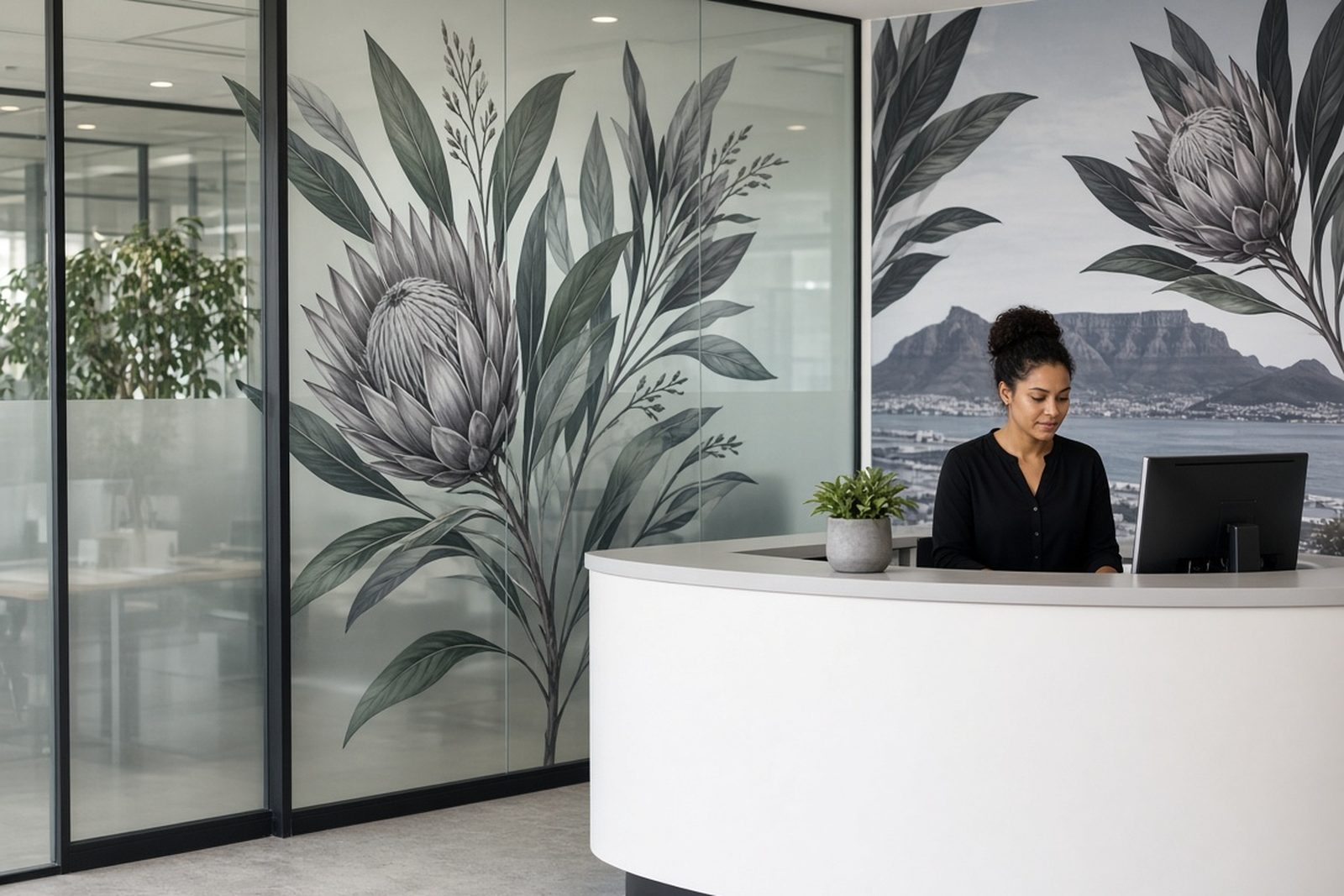
UV-curable inks are widely used on rigid materials such as glass, acrylic, polycarbonate, PVC sheet and some coated boards. Flatbed printing is often the best fit, because the media stays stable during print and the cured image can be used for decorative, informational or branded work. This is common in office fit-outs, shop interiors and exhibition builds.
Adhesion on non porous surfaces can vary a lot, so a proper test is essential. Surface cleaning, primer use where suitable, and the correct curing pass all affect the result. That gives a clearer picture than a visual check alone.
Sample packs, trials and production planning
When a customer is not sure which application fits best, a small sample pack and a guided test are often the safest place to start. That helps with colour trial support, adhesion testing and curing guidance before a full order is placed. It also helps when switching between printers, media suppliers or job types, since a change in one part of the process can affect the result.
Planning ahead gives enough time for repeat order management, operator training and remote technical help if the setup needs adjustment. Our team in Epping works with customers in Cape Town, Johannesburg, Durban, Pretoria and Gqeberha, as well as Bellville and Paarl, through the enquiry form on our contact page.
- Sample pack prep for new media or new jobs
- Colour trial support before full production
- Repeat order planning for busy print rooms
- Remote tech help when the printer setup changes
Safe handling and day to day use
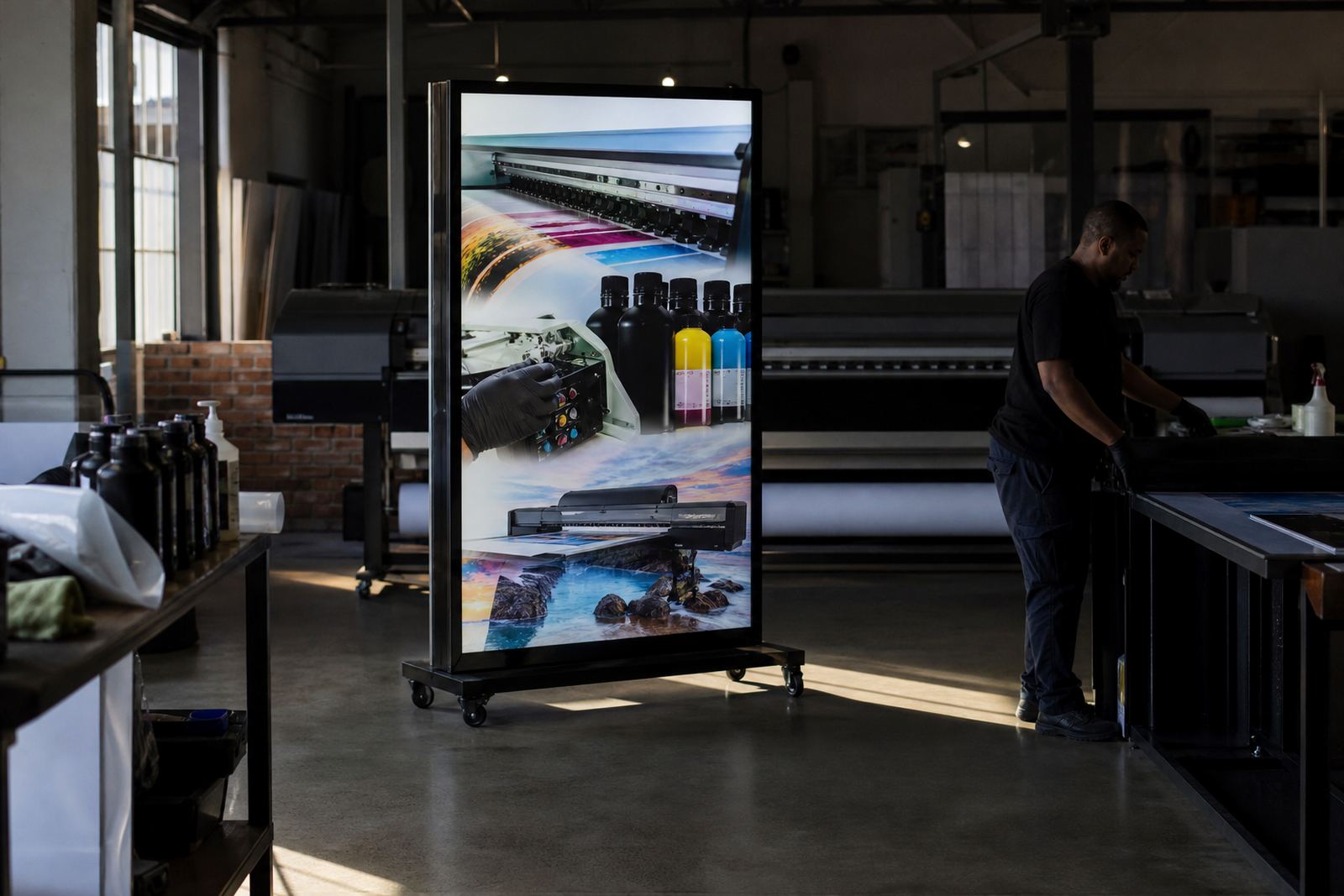
UV-curable ink should always be handled with care. Follow the safety data sheet, keep the work area clean and wear gloves when opening containers, pouring ink or cleaning around the printer. Good housekeeping helps reduce spills, skin contact and wasted stock. It also makes it easier to keep the print room organised during busy shifts.
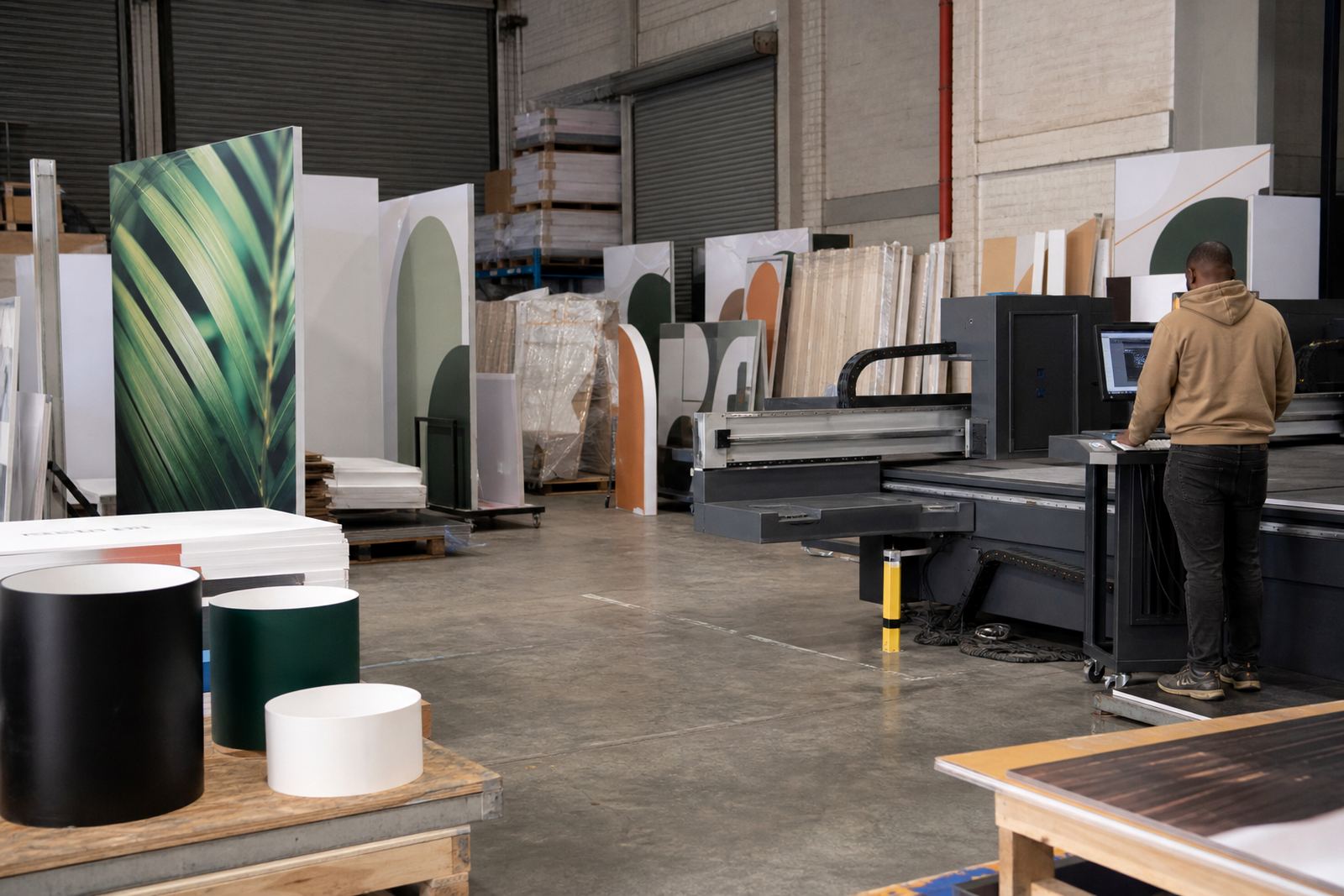
For practical use, the best results come from the full system working together: the ink, the media, the printer, the curing setup and the operator. That is why compatibility checks and clear setup notes are useful for both flatbed and roll-to-roll work.