

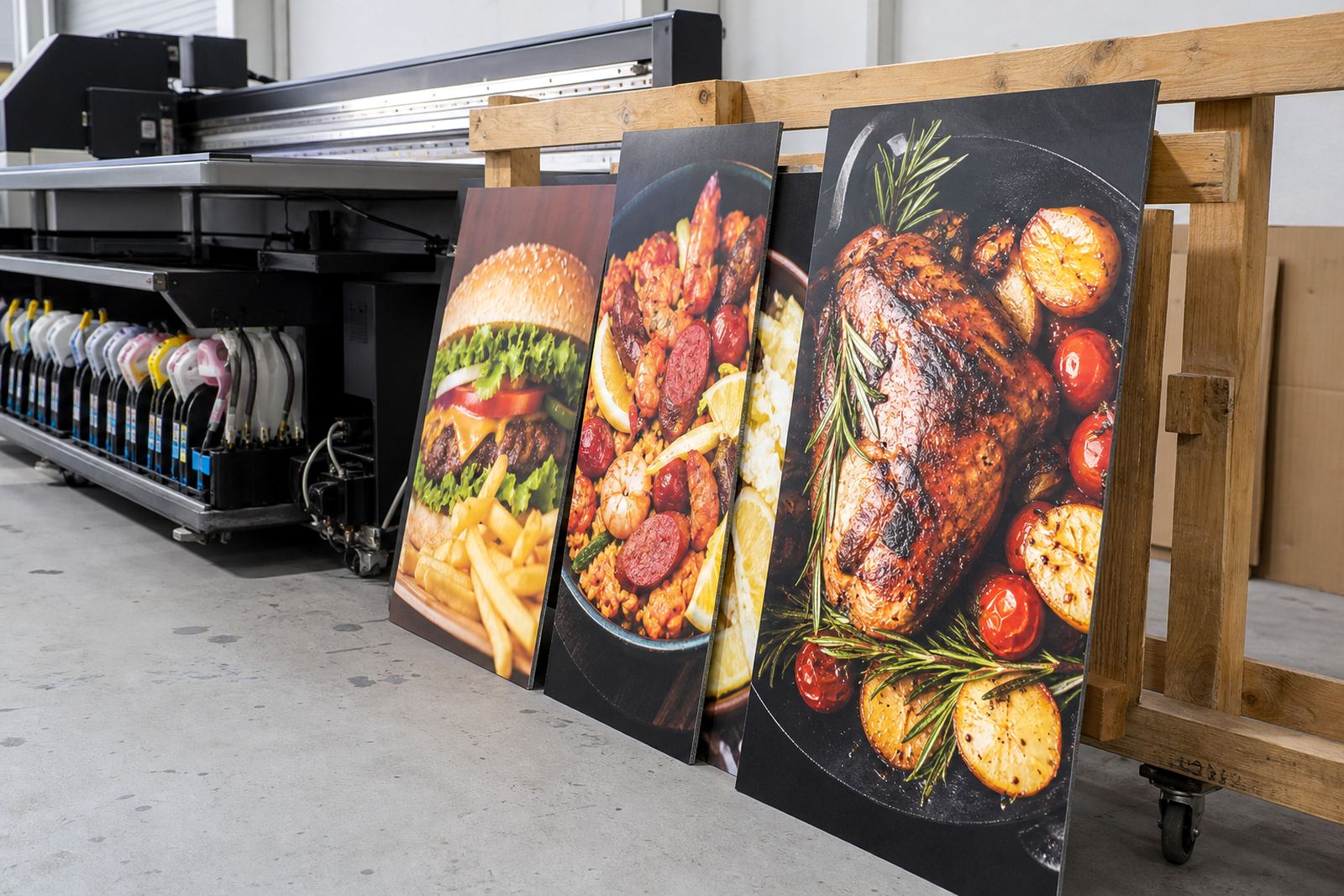
What these print shop stories cover
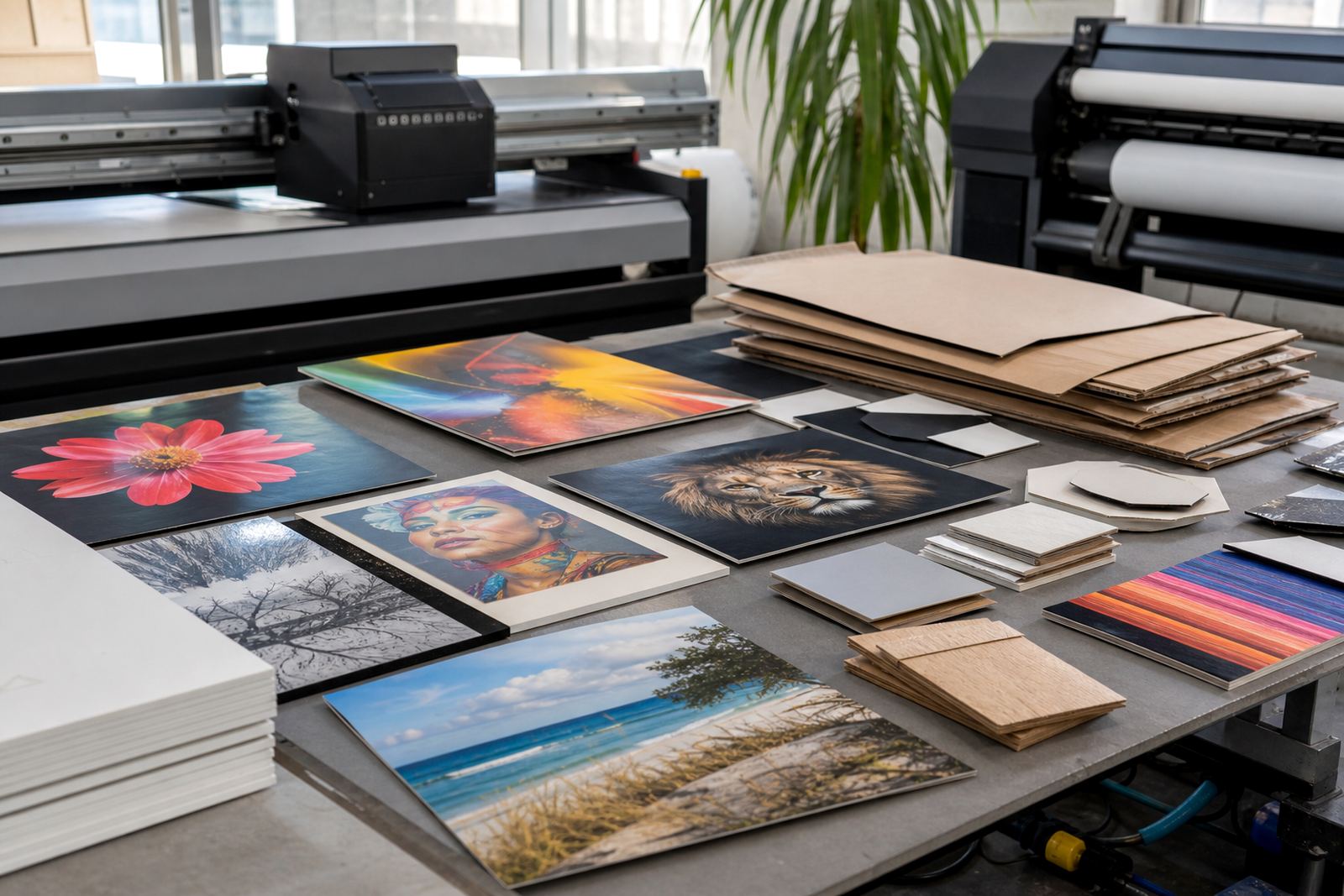
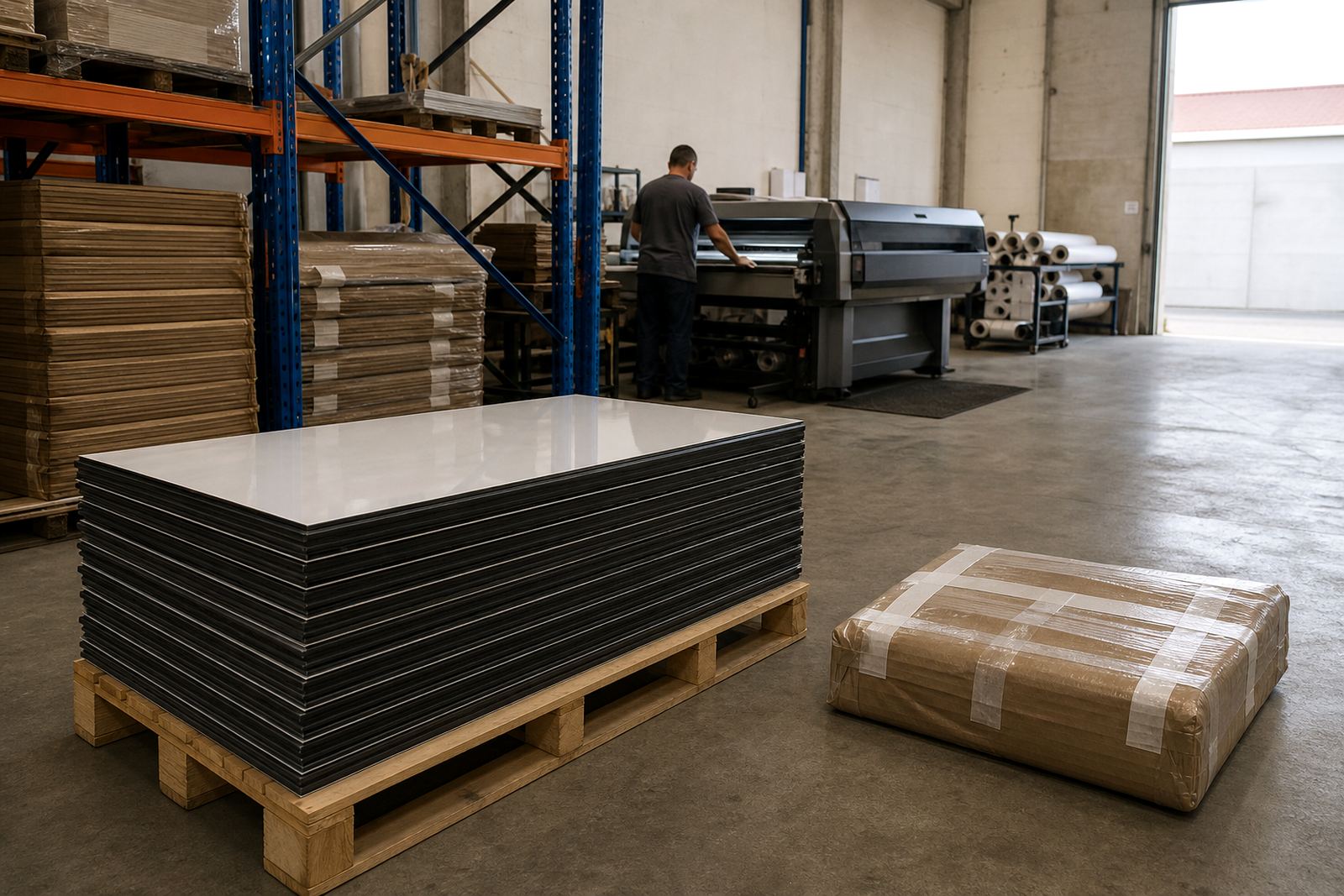
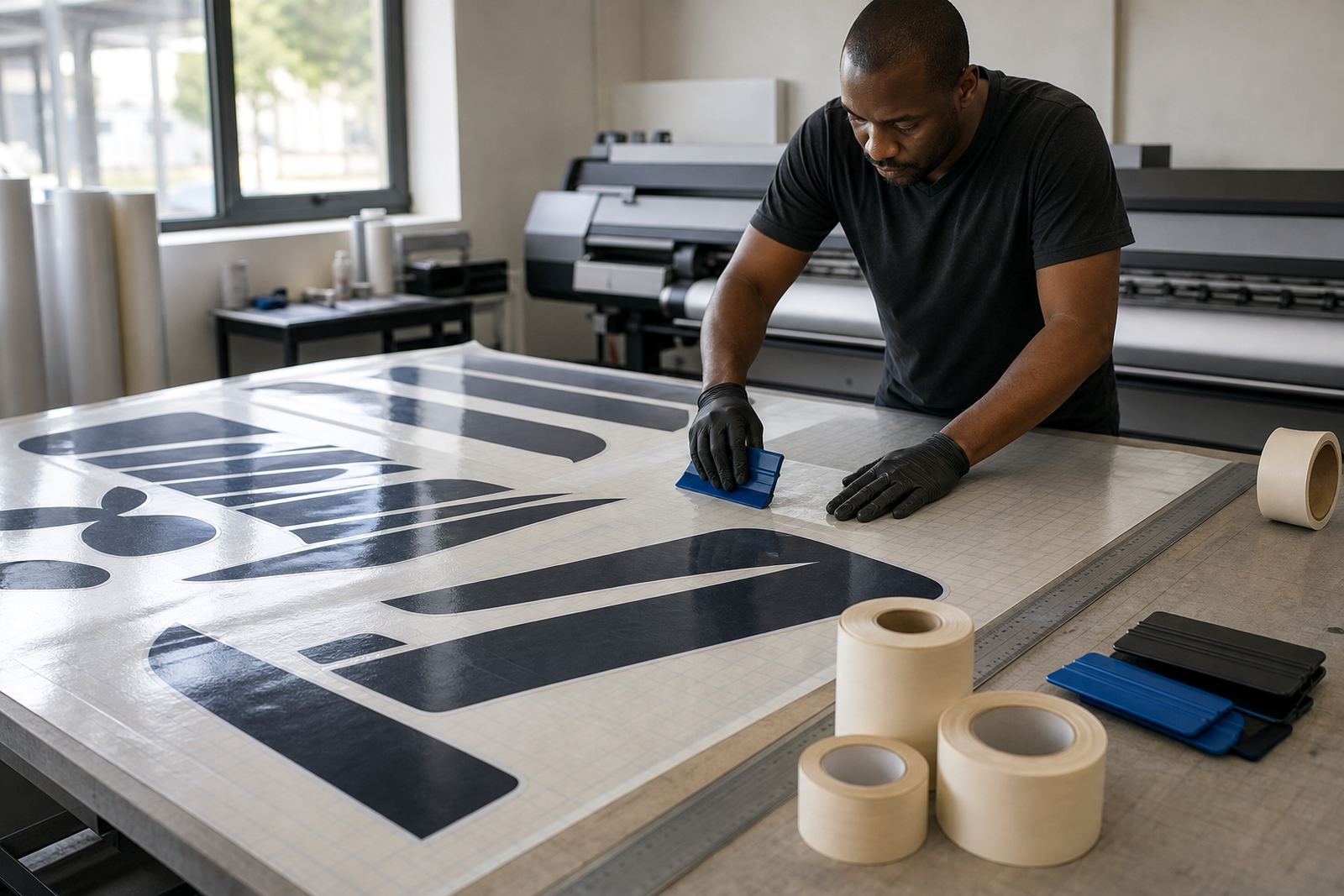
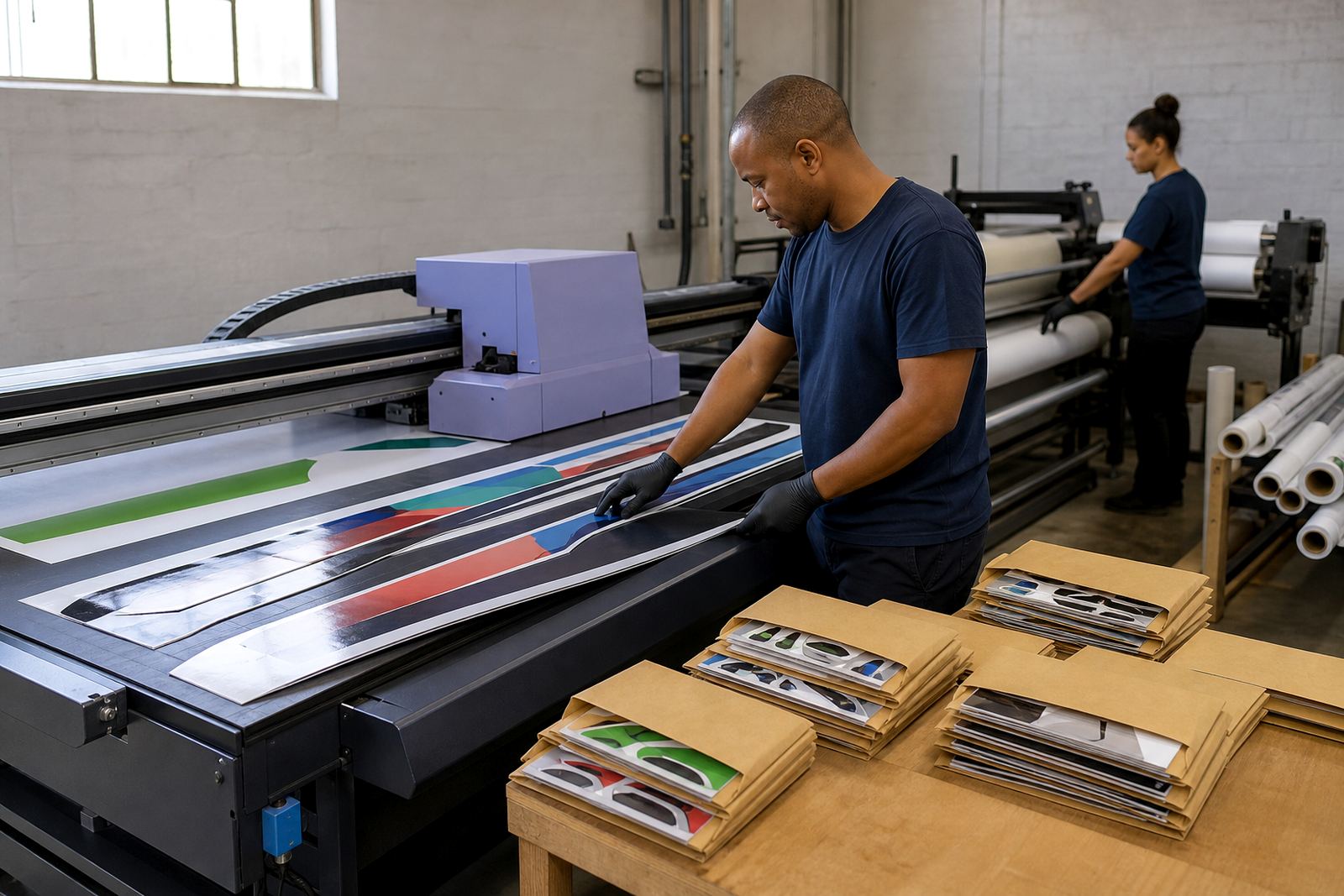
Each story is kept generic on purpose, because the useful part is the job flow rather than the name on the machine. You will see how shops handle flatbed and roll-to-roll work, what they print on, and where curing or adhesion checks can make the difference between a neat finish and a costly reprint.
Use the stories as a practical guide if you are running signage, graphics or packaging work in Cape Town, Johannesburg, Durban, Pretoria or Gqeberha. The aim is simple: match the ink to the substrate, the drying path and the way the finished piece will be used.
How to choose a story that matches your job
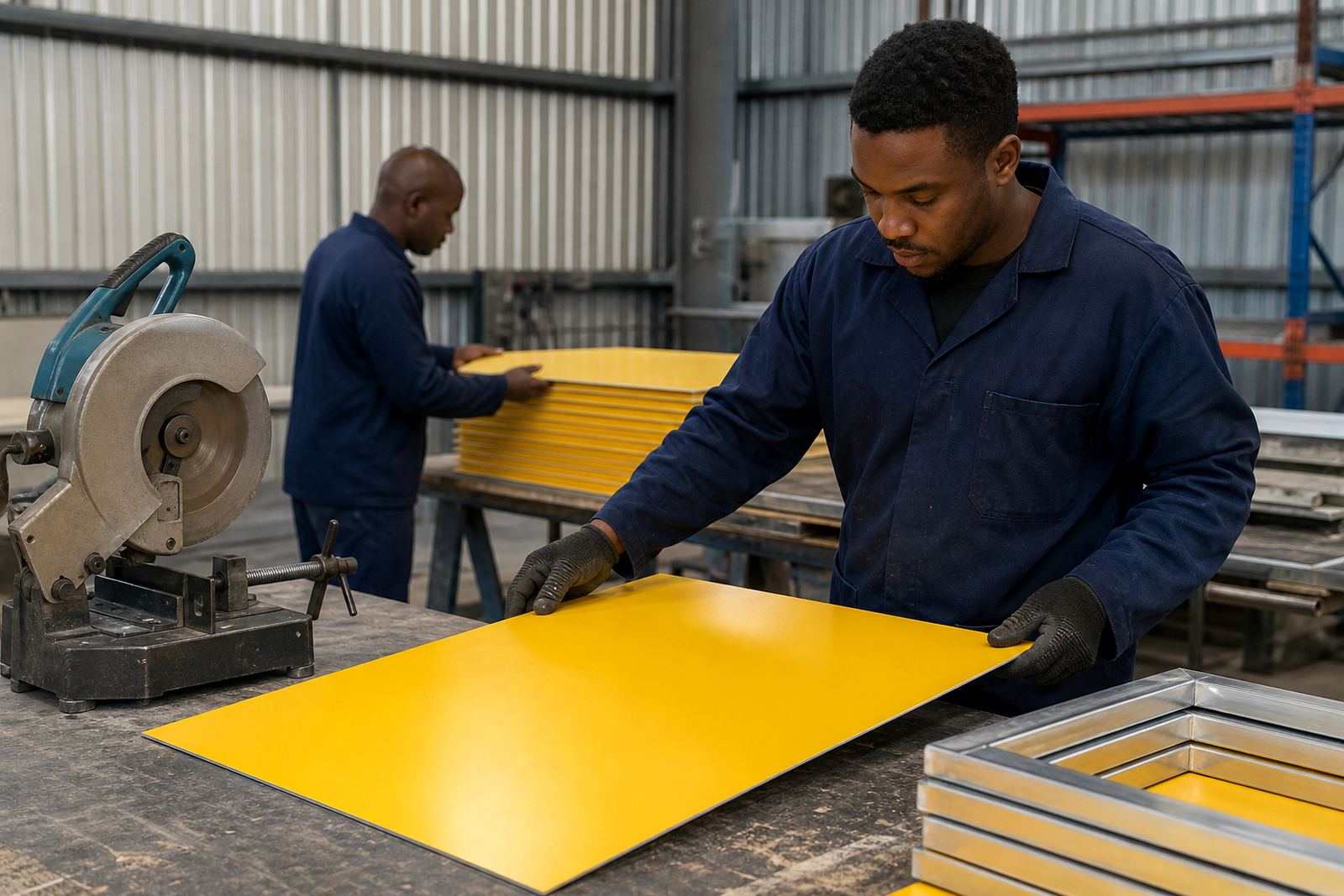
Start with the material. Rigid boards, corrugated sheets, acrylic, PVC, vinyl and coated paper all behave differently under UV curing. A smooth indoor panel may need a very different approach from a wrapped display or a box blank that must handle bending, stacking and handling.
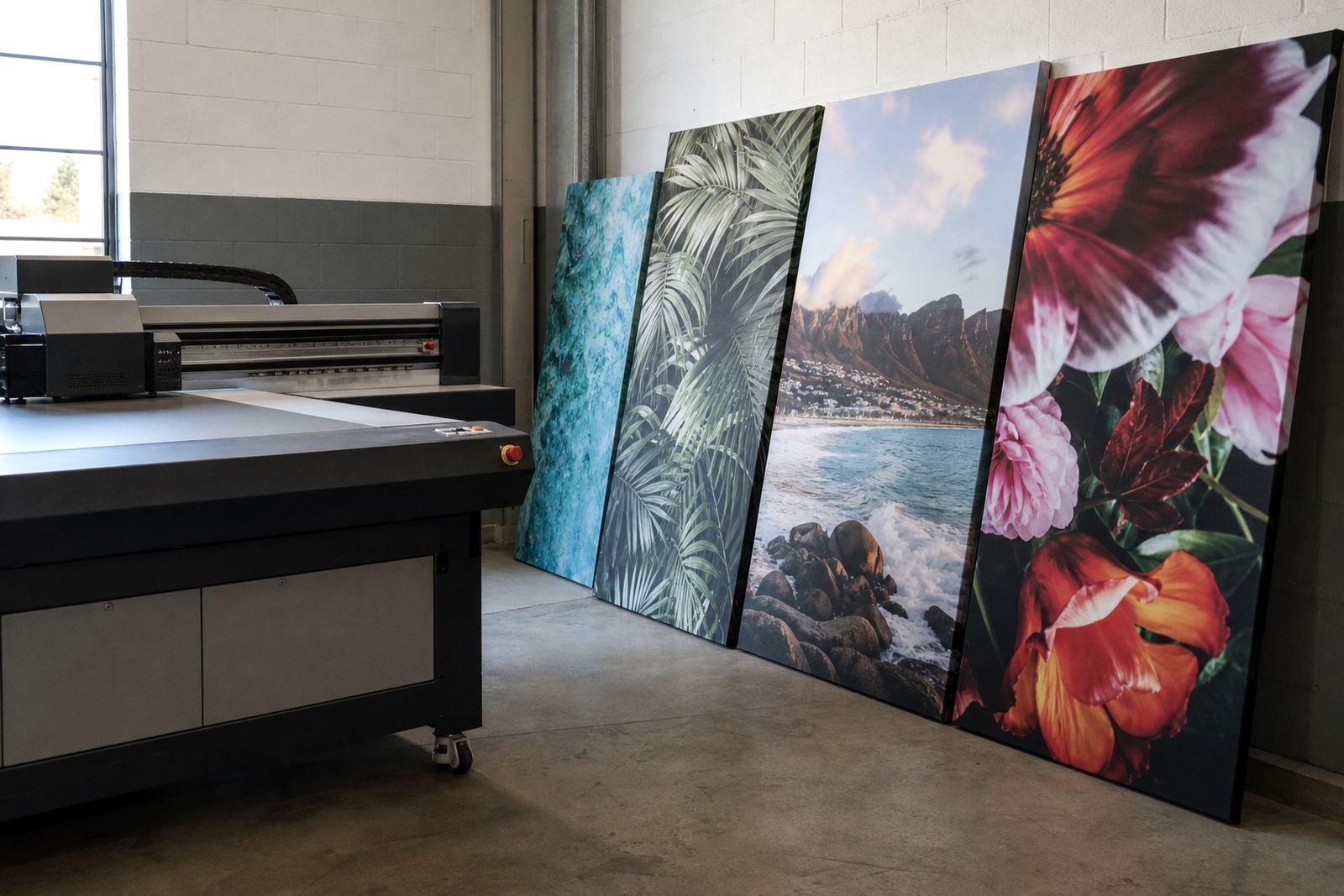
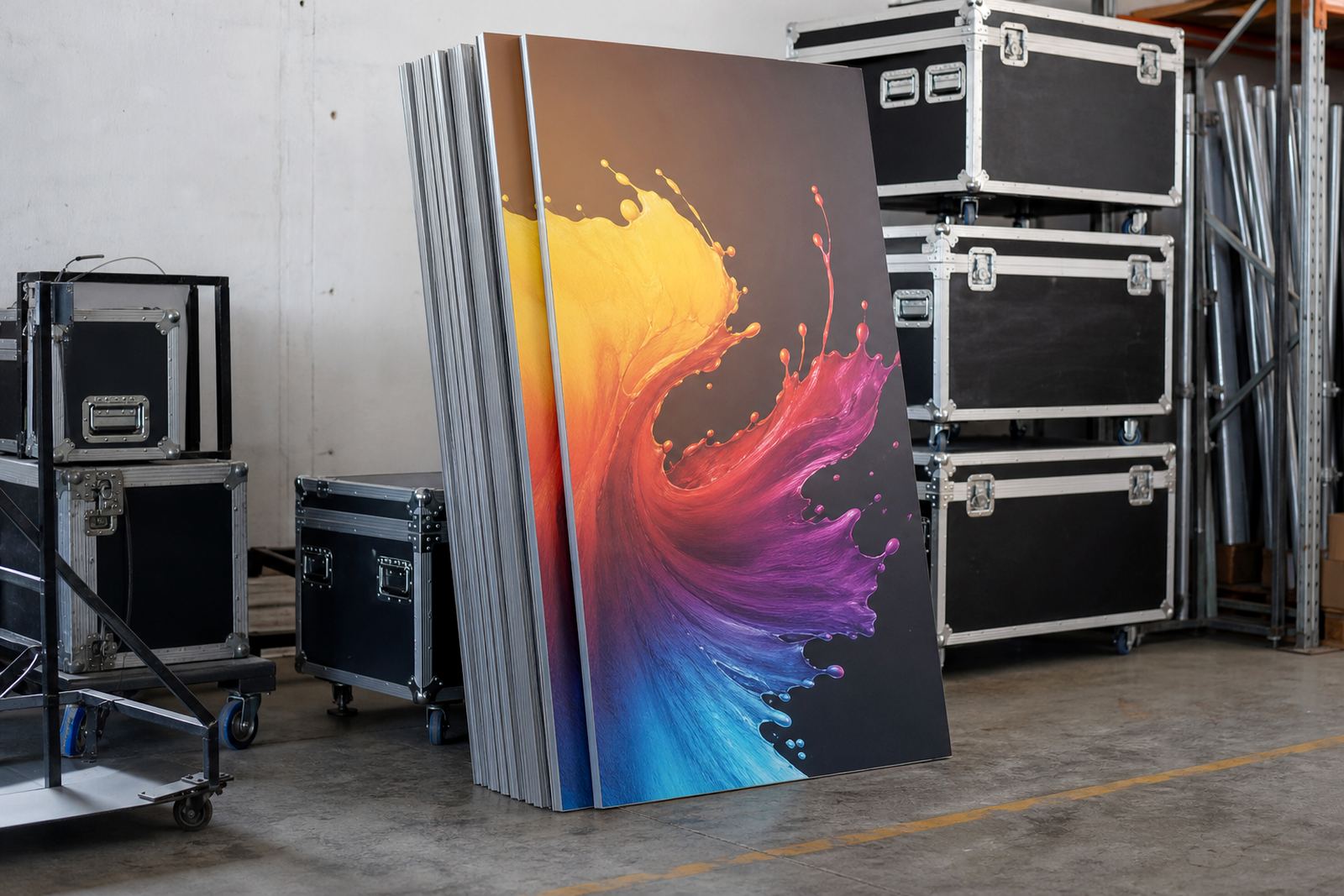
- Choose flatbed examples if you print on rigid boards, panels or packaging blanks.
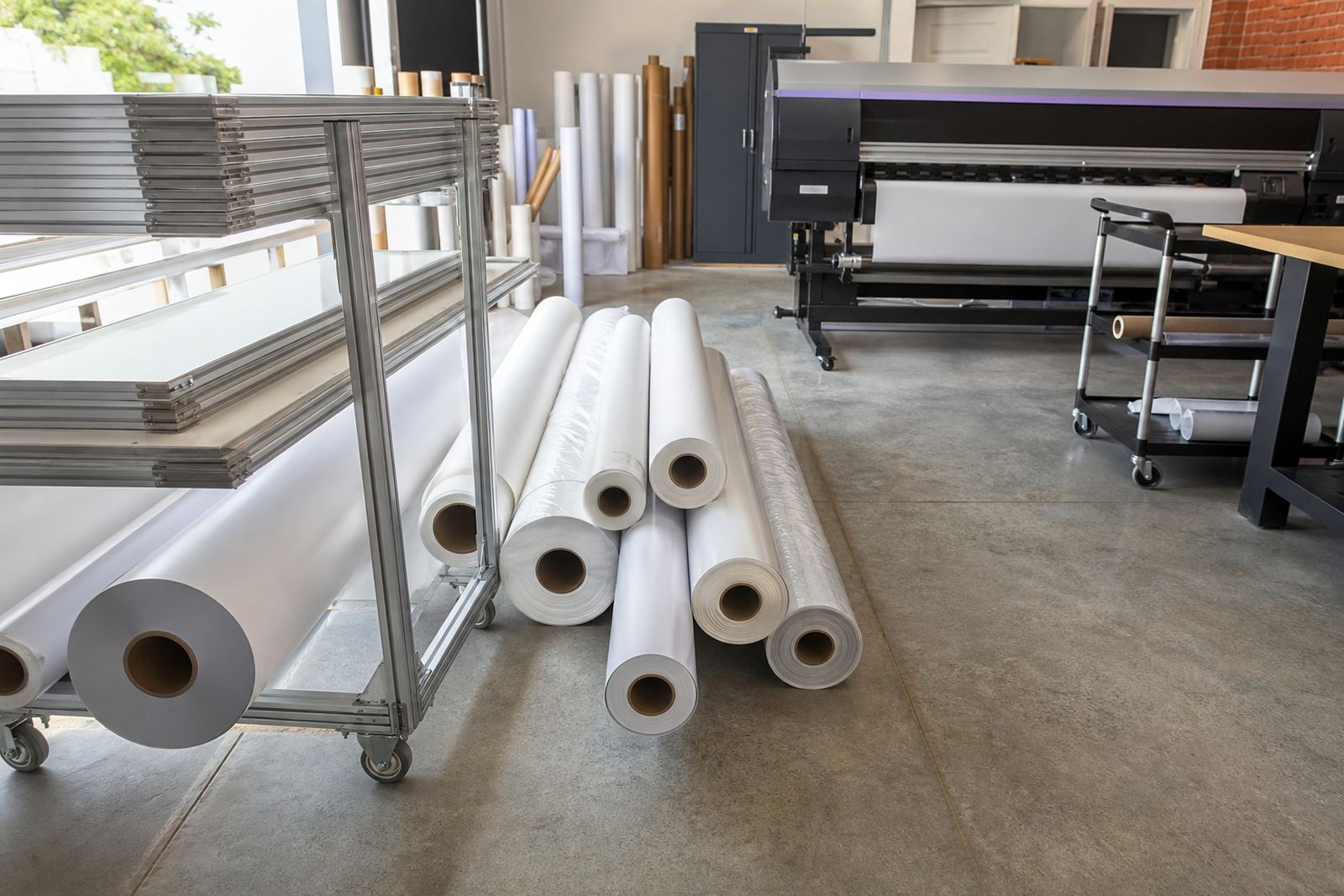
- Choose roll-to-roll examples if you run banners, film, self-adhesive media or flexible graphics.
- Check whether the story mentions adhesion testing, because that matters most when the surface is coated, dusty or textured.
- Look for curing notes if you print in a busy production room where temperature and humidity shift through the day.
Curing, adhesion and the realities of local production
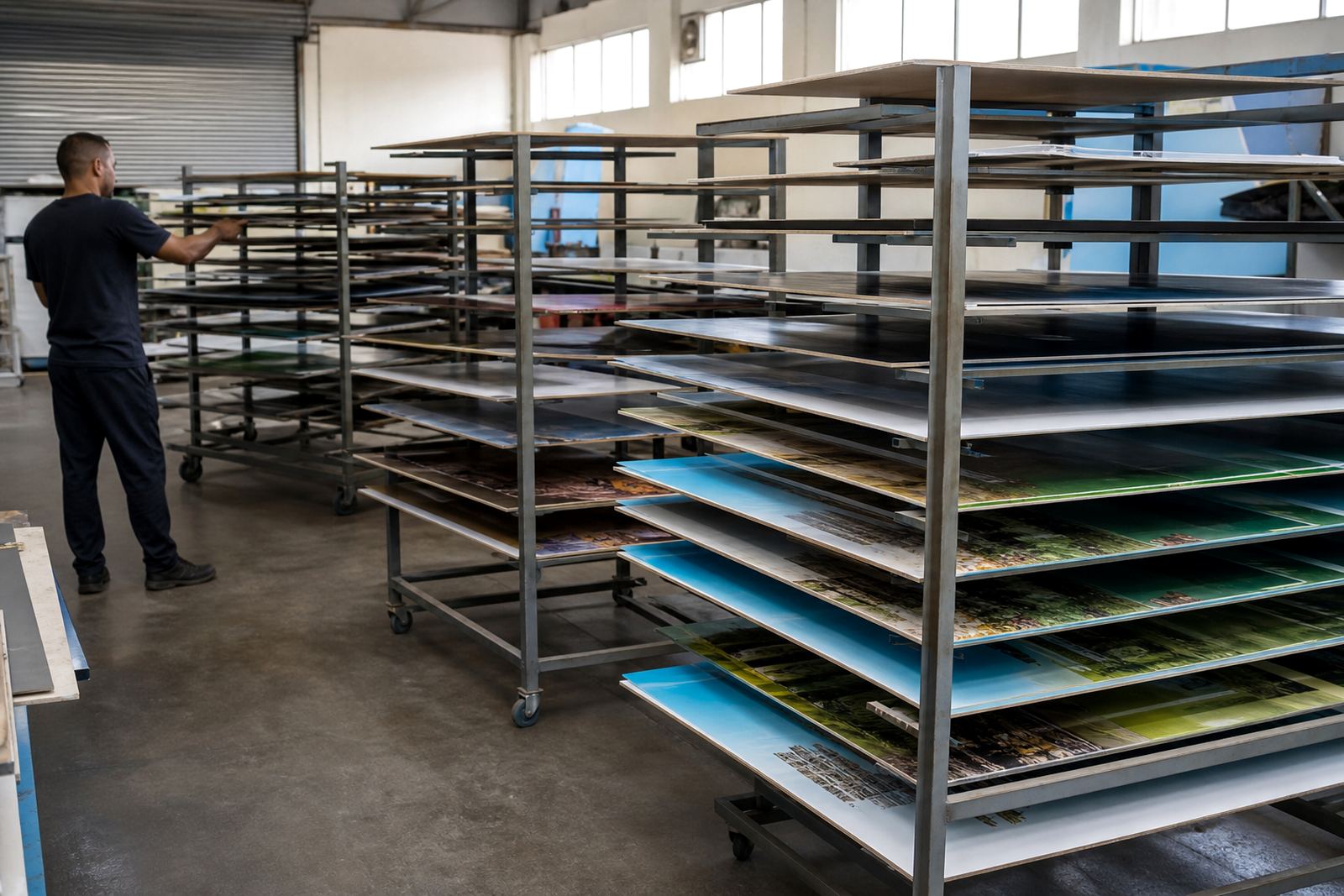
UV-curable ink cures when exposed to the right UV output, so the machine setup and pass speed matter as much as the ink itself. In practice, local shops need to balance cure strength with print feel, because too little cure can leave weak adhesion while too much can affect flexibility or surface finish.
Adhesion checks are especially important on jobs that travel far or face tough conditions, such as coastal humidity in Durban or long courier routes from Epping to inland customers. A small change in media coating, dust control or curing settings can alter the result, so sample tests are worth doing before full production.
Typical jobs from signage to packaging
The stories below usually follow the kinds of work South African print shops handle every week, from short-run branded displays to repeat production for retail and industrial use. They are useful if you want to see how one ink can perform across different media and finishing steps.
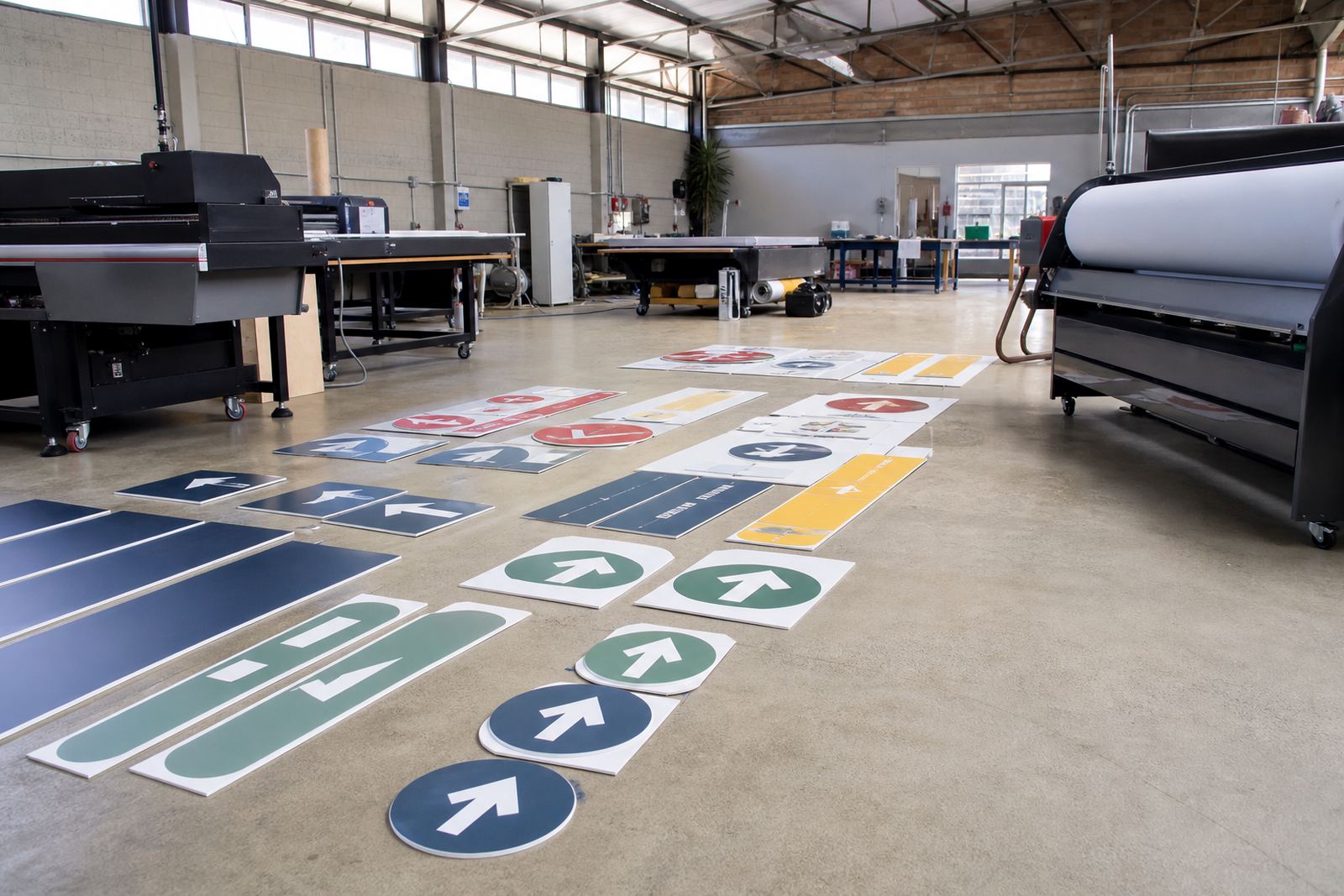
- Shop signs and directional panels for local businesses.
- Point-of-sale graphics for stores, forecourts and exhibitions.
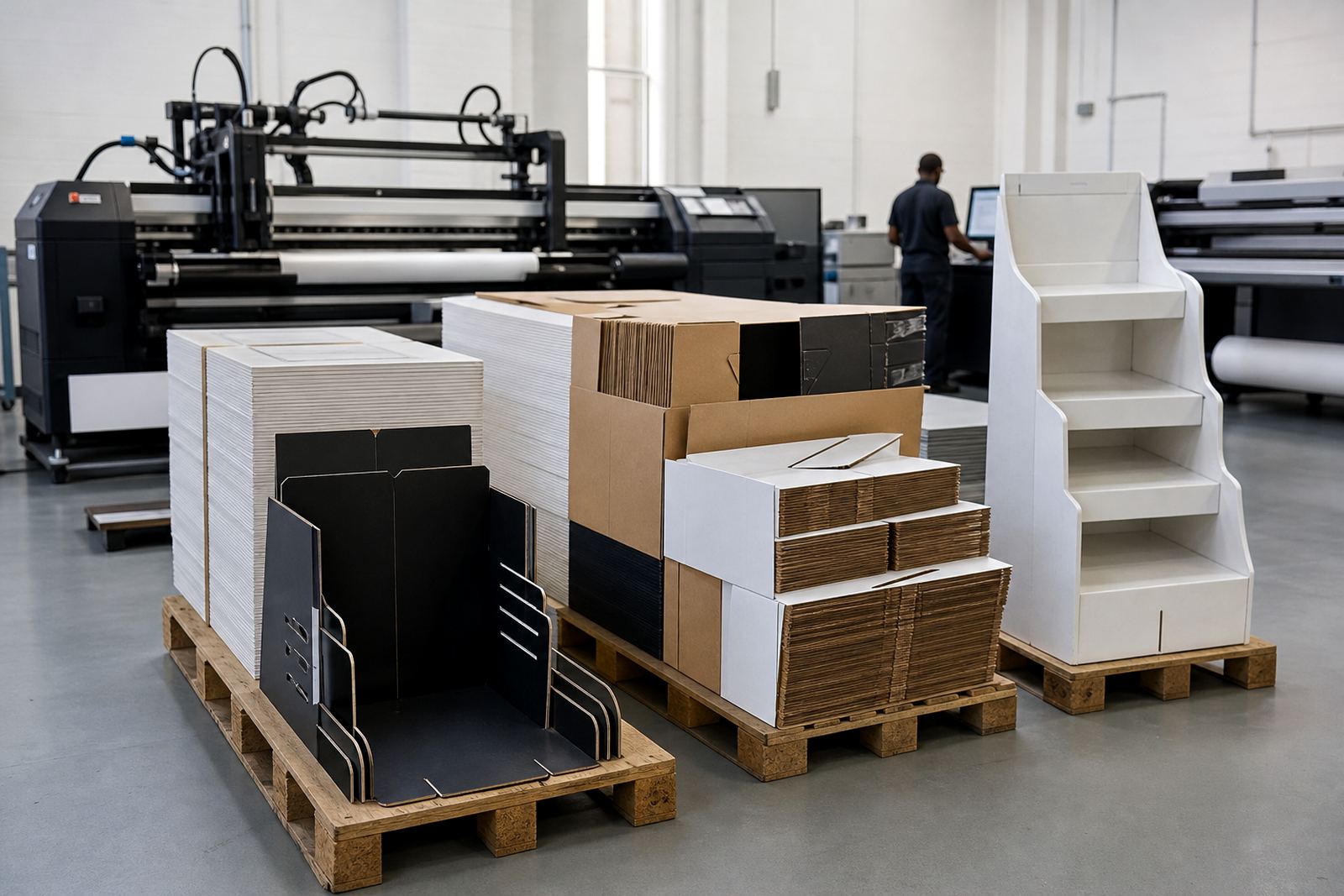
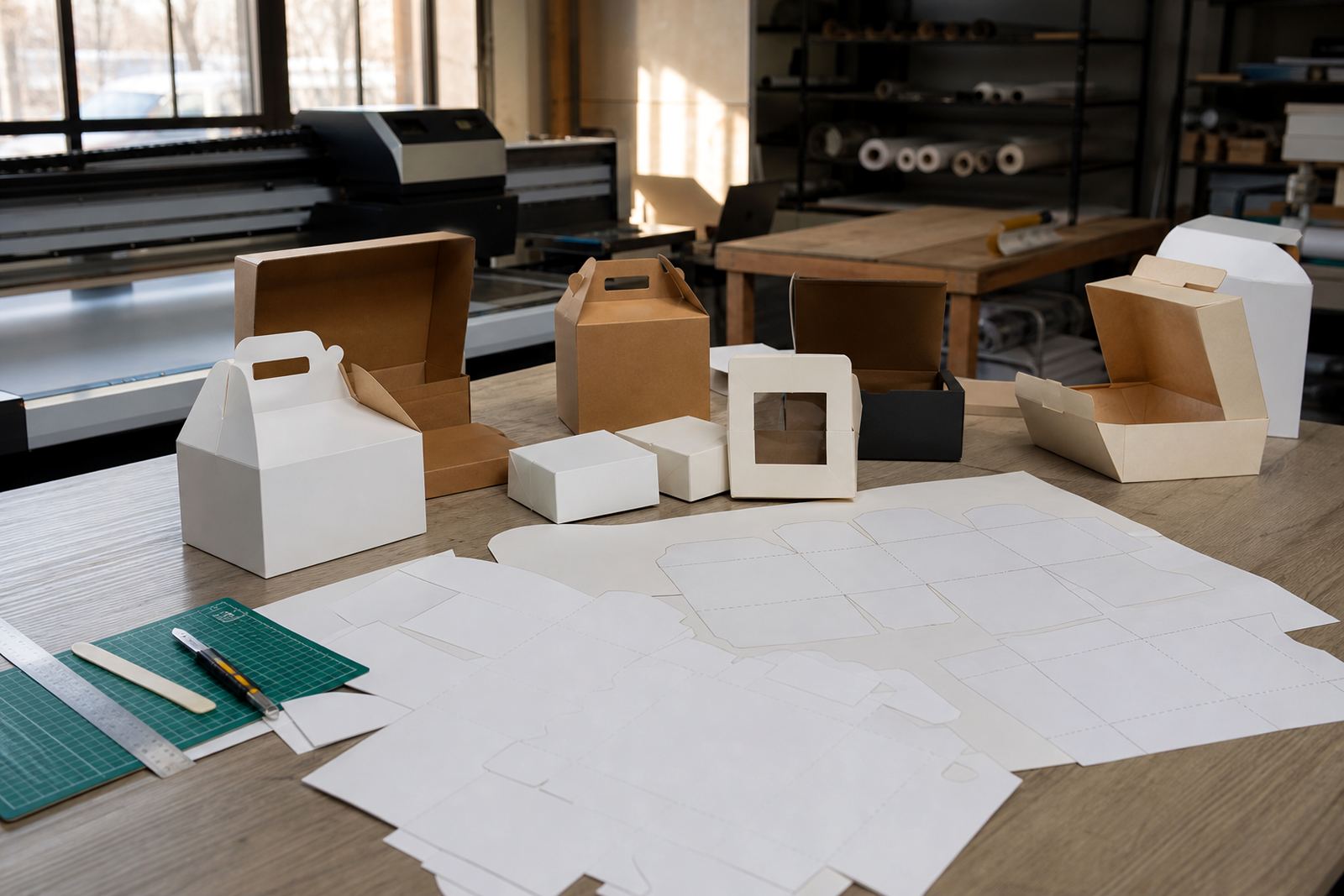
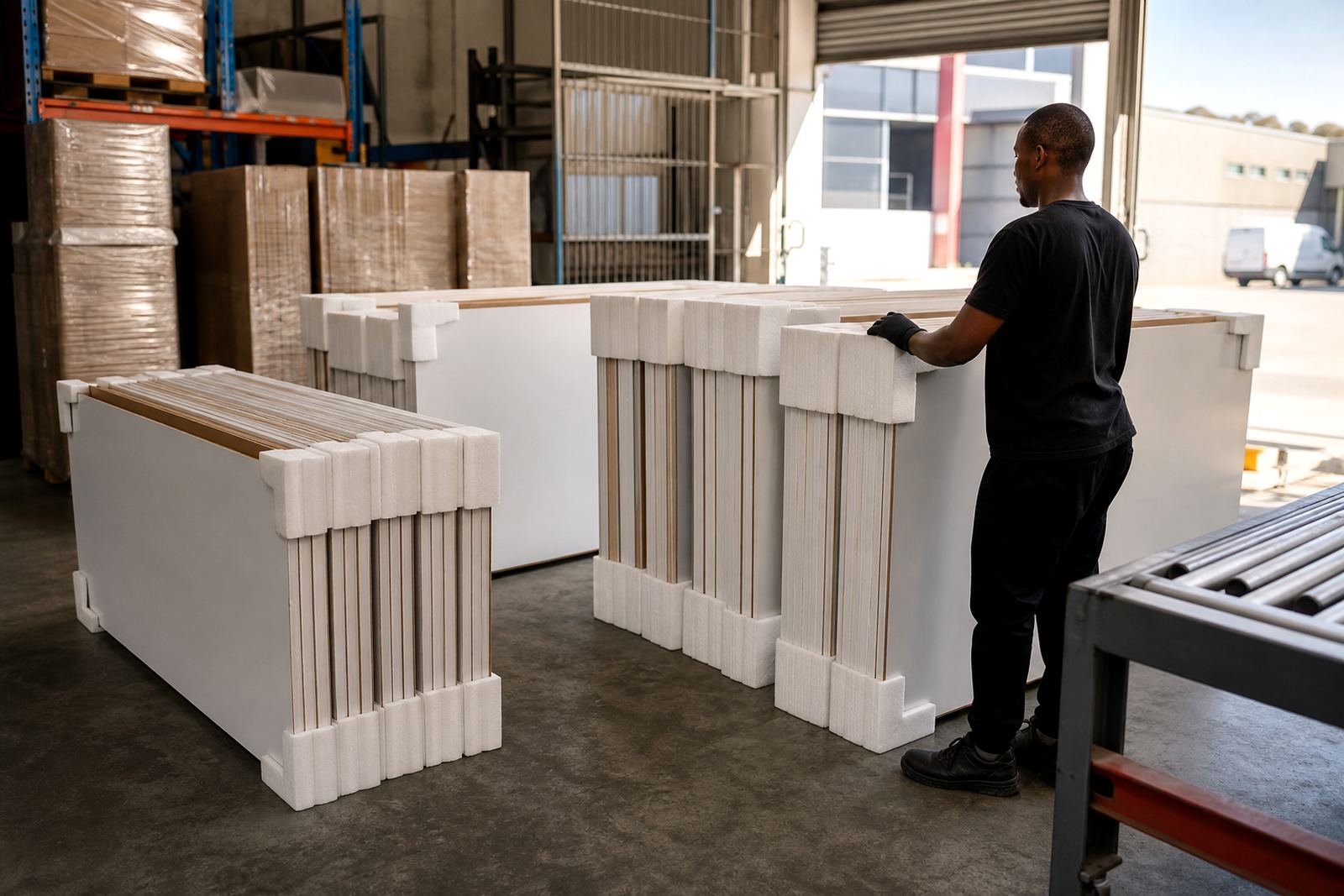
- Packaging samples and short production runs for cartons or sleeves.
- Outdoor promotional pieces that need careful curing and weather resistance.
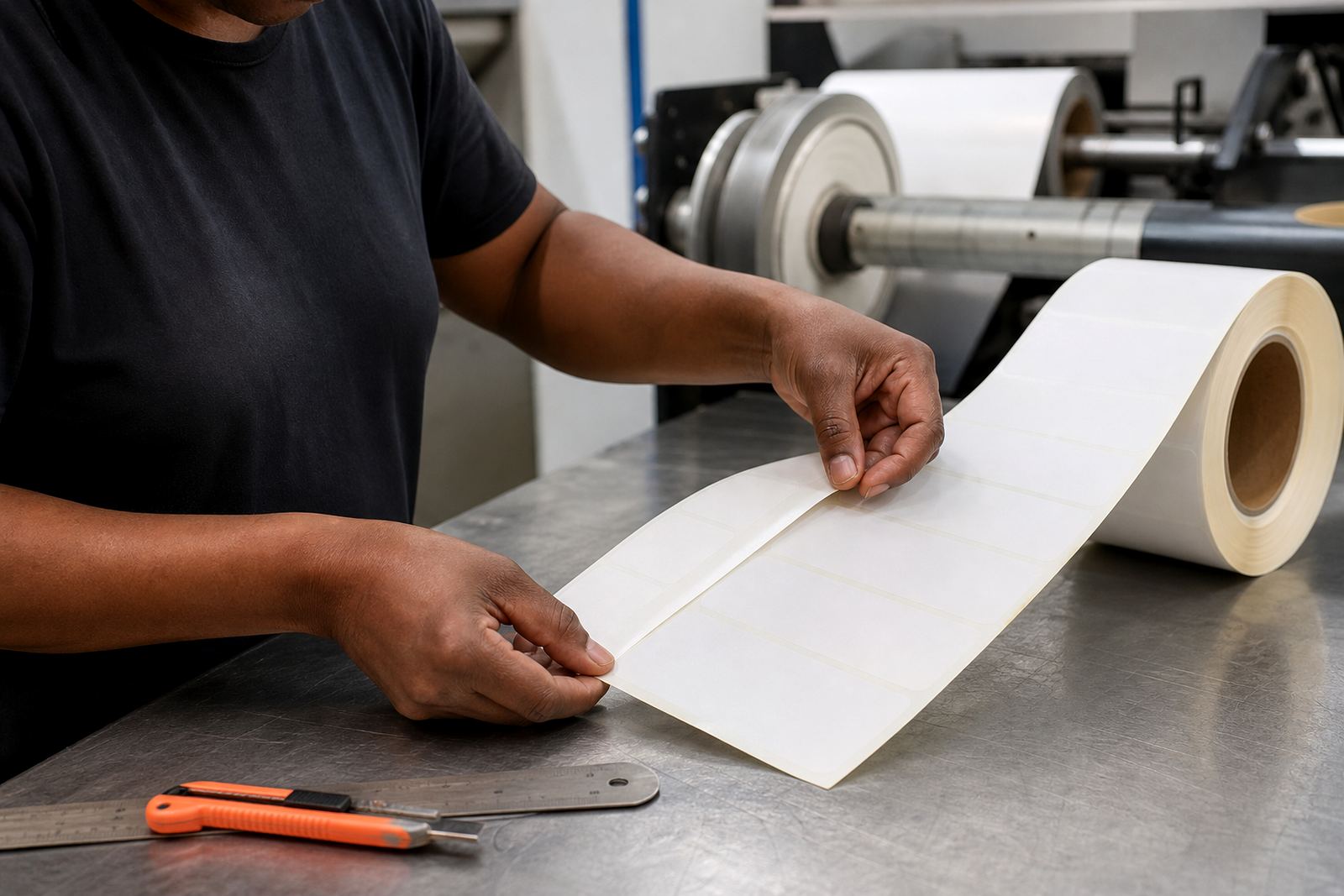
- Specialty labels, inserts and display materials that need clean colour and good bond strength.
Delivery routes and turnaround planning
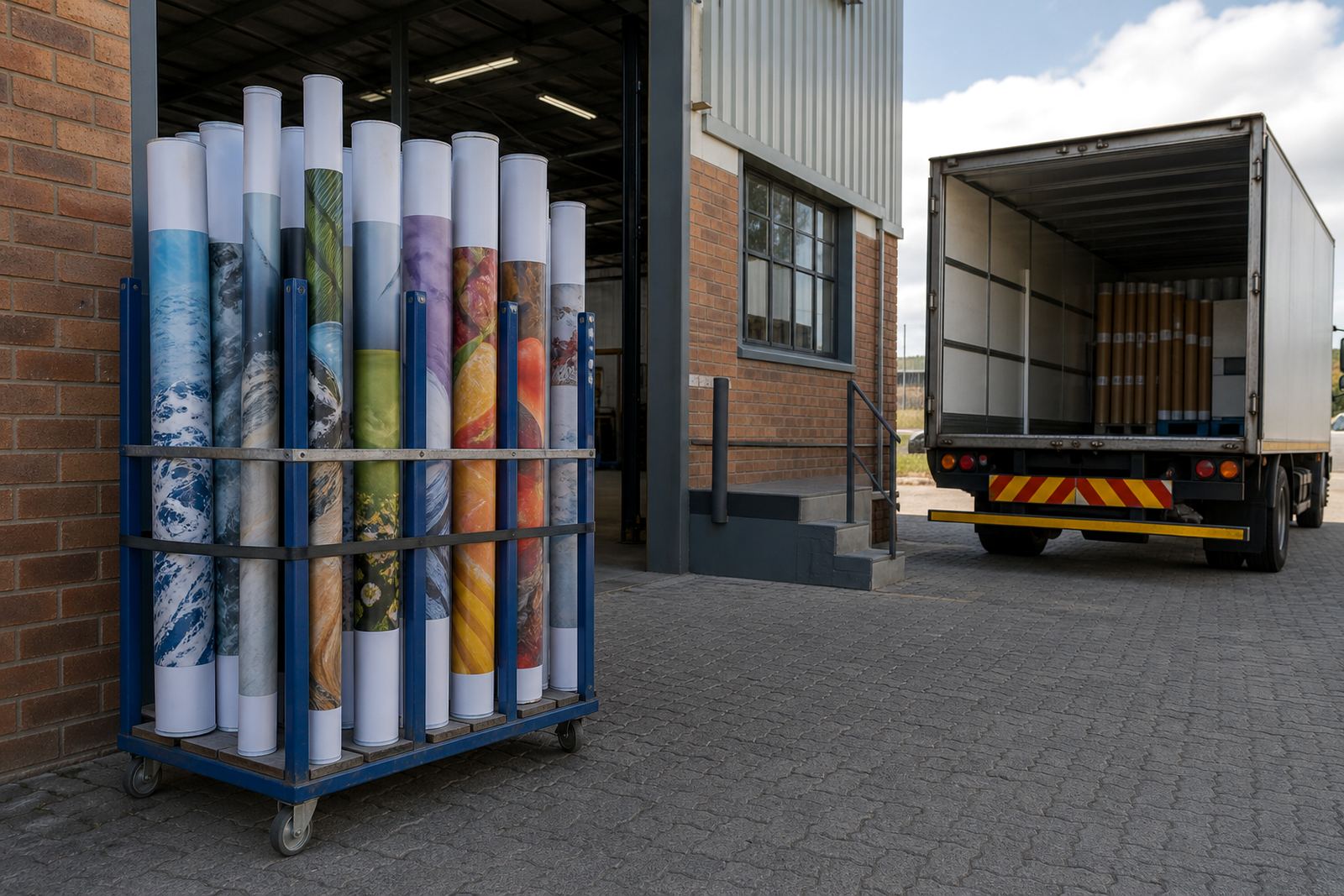
Because many customers order from outside Cape Town, the practical side of the job matters just as much as the print itself. Courier stock support, repeat order management and sample pack preparation all help keep production moving when a press stops waiting for ink or a trial batch needs to reach another city fast.
In Epping, stock planning is often shaped by the week ahead, not just the current order.
Safety and handling before the first print
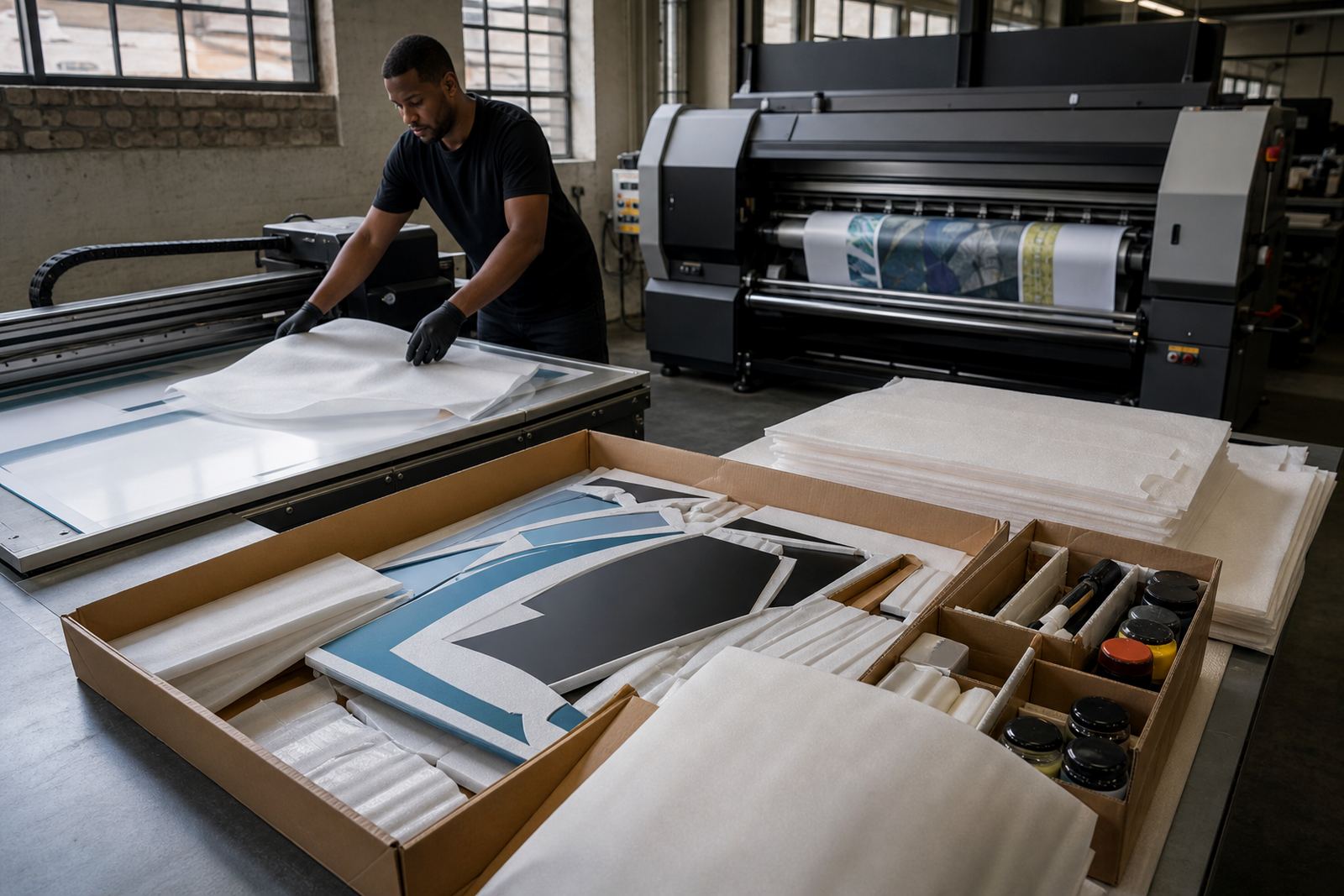
UV ink is a production material, so safe handling should be part of the routine. Always follow the safety data sheet supplied with the product, wear gloves when handling ink or cleaning contaminated parts, and keep lids closed when containers are not in use.
It also helps to brief operators on storage, spill control and ventilation.
- Check the safety data sheet before use.
- Wear gloves during filling, sampling and cleanup.
- Keep ink away from food areas and open drinks.
- Store containers upright in a cool, dry place.
When to ask for support from the Epping team
If you are unsure which story matches your application, write to UV Ink through the contact page form and ask for help with ink selection, compatibility checks or curing guidance. The team can also assist with colour trial support, remote tech help, sample pack prep and operator training for new jobs or changing substrates.
That kind of support is useful whether you are starting a short run in Cape Town or managing regular deliveries to Johannesburg, Durban, Pretoria or Gqeberha. A quick compatibility check at the start can save time later, and it usually leads to cleaner production on the next repeat order.