The brief for hospitality displays in Stellenbosch
The project came through a regional display supplier in the Winelands area, with the work destined for hospitality lightboxes in Stellenbosch and nearby wine estates.
The client needed UV-curable inks for backlit film on a mixed fleet of flatbed and roll-to-roll printers. They were producing hospitality display panels for indoor use, so colour pop mattered, but so did fine detail in menu boards, wayfinding and promotional graphics. In this kind of work, the printer, ink and film all need to line up properly or the final result can look dull once the lightbox is switched on.
Because the delivery was for the Winelands, the client also wanted a supply plan that could cope with a few moving parts. We started by checking what media they were using, what print heads were in service and which curing settings they were comfortable with already.
What we had to account for before printing
Backlit film is less forgiving than plain poster stock. If the ink laydown is too heavy, the film can look muddy. If the curing is too light, adhesion suffers and the printed surface can mark when handled. We treated this as a production issue, not just an ink supply call, and worked through the constraints before any full run was approved.
The main concerns were printer compatibility, ink adhesion on the chosen film and the effect of curing on colour density. That meant no room for guessing on dwell time, lamp output or operator handling. In coastal Cape Town, humidity can also make film behave differently from day to day, so we allowed for that in the trial setup too.
- Substrate: backlit film for indoor lightboxes
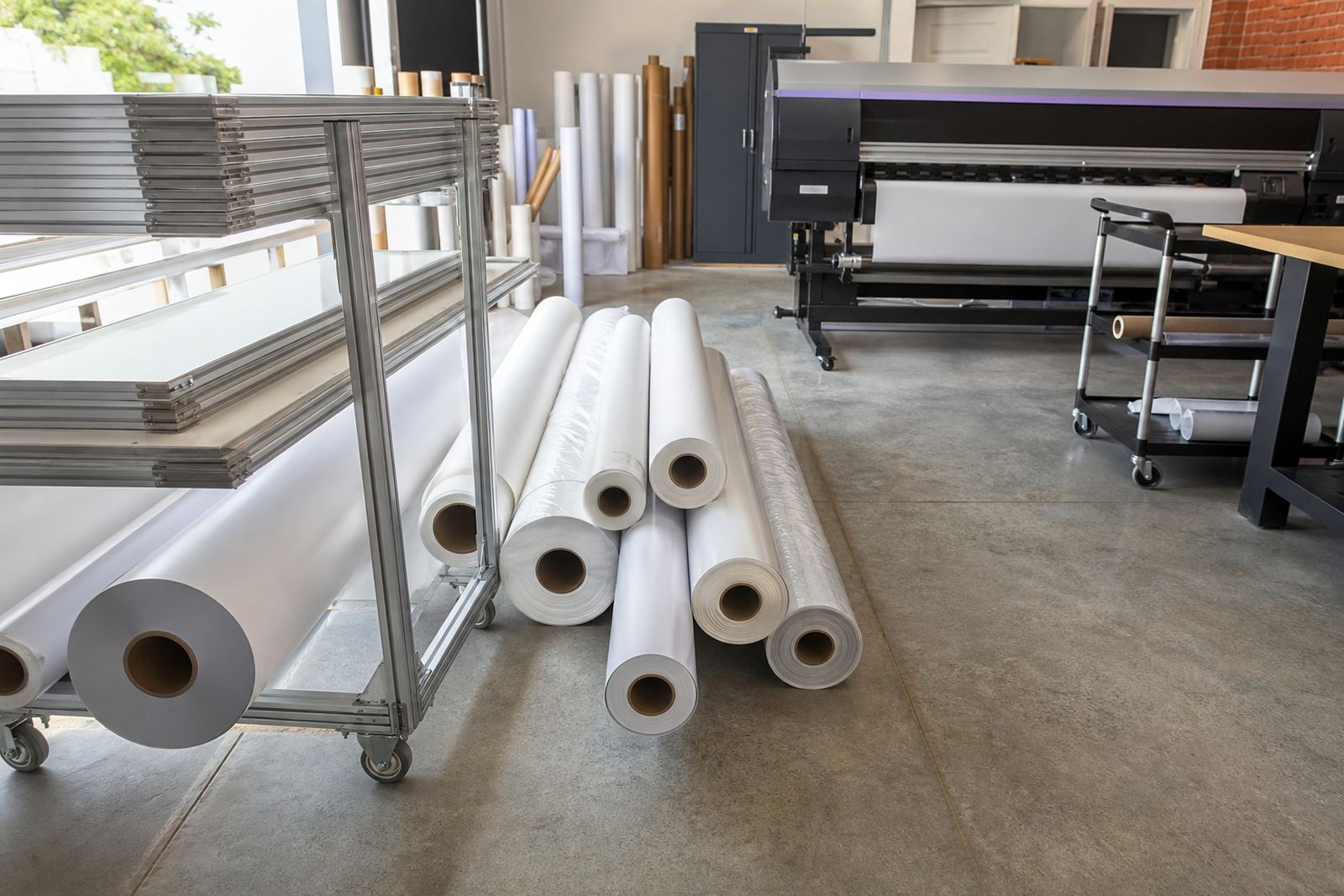
- Print platforms: flatbed and roll-to-roll UV printers
- Use case: hospitality displays, menu panels and directional signage
- Key requirements: adhesion, consistent colour and clean curing
- Handling need: safe stacking and transport after curing
Ink selection, adhesion checks and curing guidance
We supplied UV-curable inks suitable for the printers in use and helped the client match the ink set to the film type before the main production run. The first step was a sample pack prep and colour trial support session, then an adhesion test on the actual media. That gave the operator a clear reading on how the ink behaved at the chosen speed and output setting.
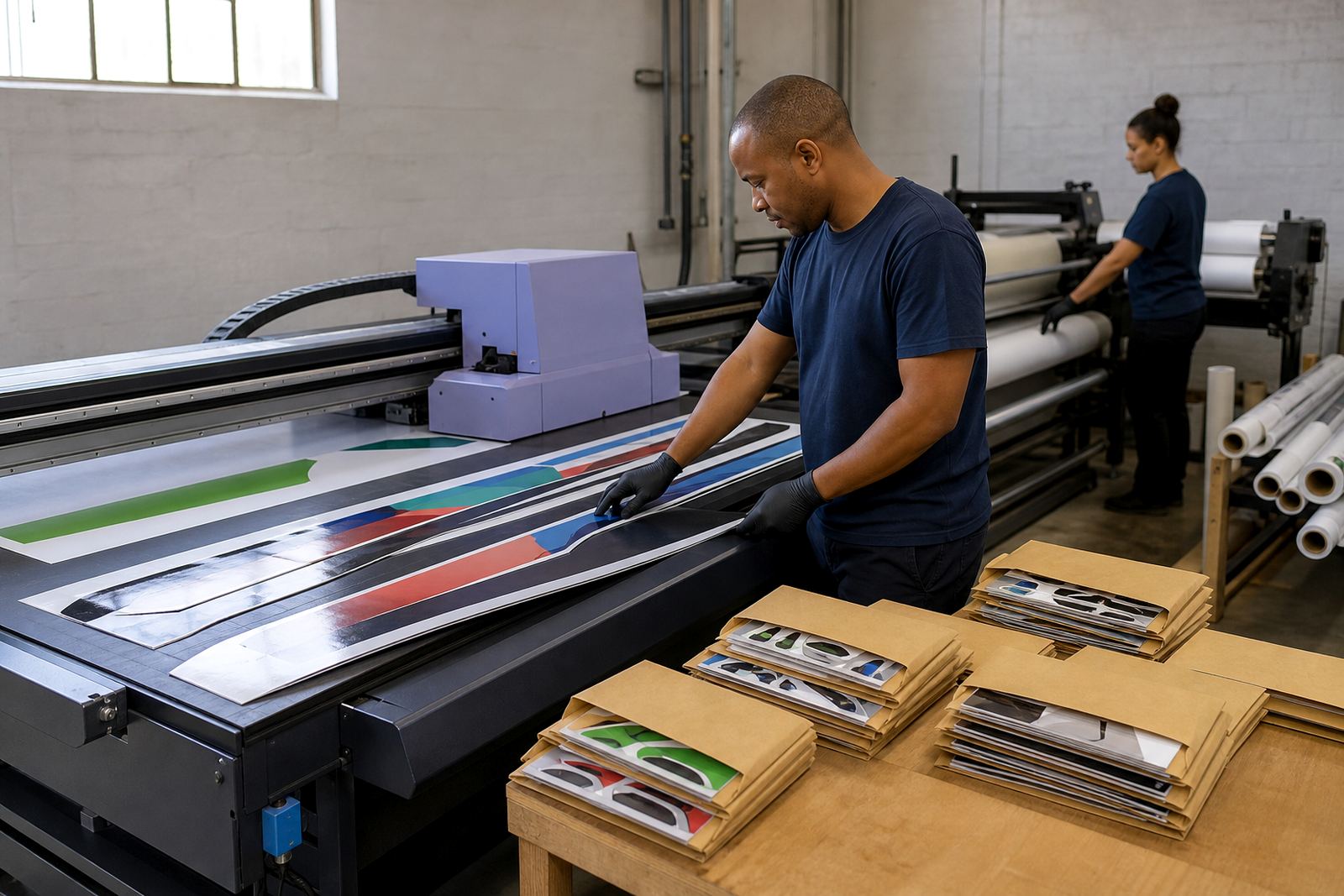
Once the adhesion result was satisfactory, we went through curing guidance for the team. UV inks need enough exposure to cure properly, but too much heat or overexposure can affect detail and colour on a transparent or backlit substrate. We covered lamp condition, pass count, ink laydown and post-print handling. Simple things matter here, like allowing prints to cool before stacking and using clean gloves so fingerprints do not show up under the lightbox.
We also checked compatibility across the mixed machine setup. The same print file can behave differently on a flatbed and a roll machine, so we advised the operators to keep a record of the settings used for the approved sample. That saved time later when they repeated the job for another site in the same region.
Production timing and courier delivery to the Winelands
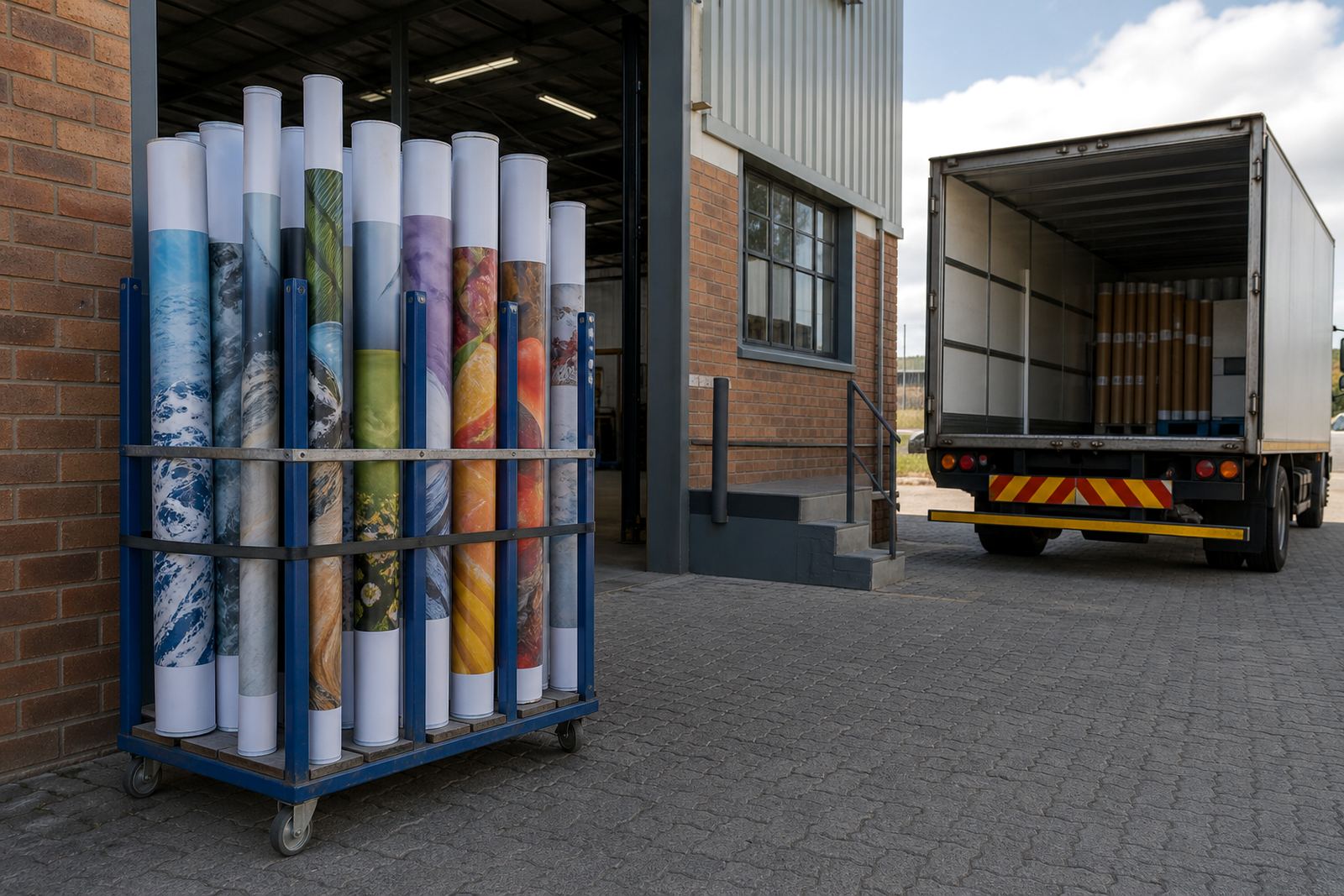
We arranged courier delivery for the Winelands run and kept the rest of the order in reserve for follow-up panels. Our operations team handled the packing notes, while logistics confirmed the route and handover timing. For a hospitality rollout, this matters more than people think because one late carton can hold up fitting teams on site, especially when installers are booked around venue access and municipal working hours.
- Week 1: brief, sample pack prep, adhesion testing and curing guidance
- Week 2: production supply, packing, courier dispatch and repeat order planning
- Delivery path: Epping, Cape Town to Stellenbosch and surrounding Winelands sites
- Support: remote tech help during the first production batch
What the finished lightboxes needed to do
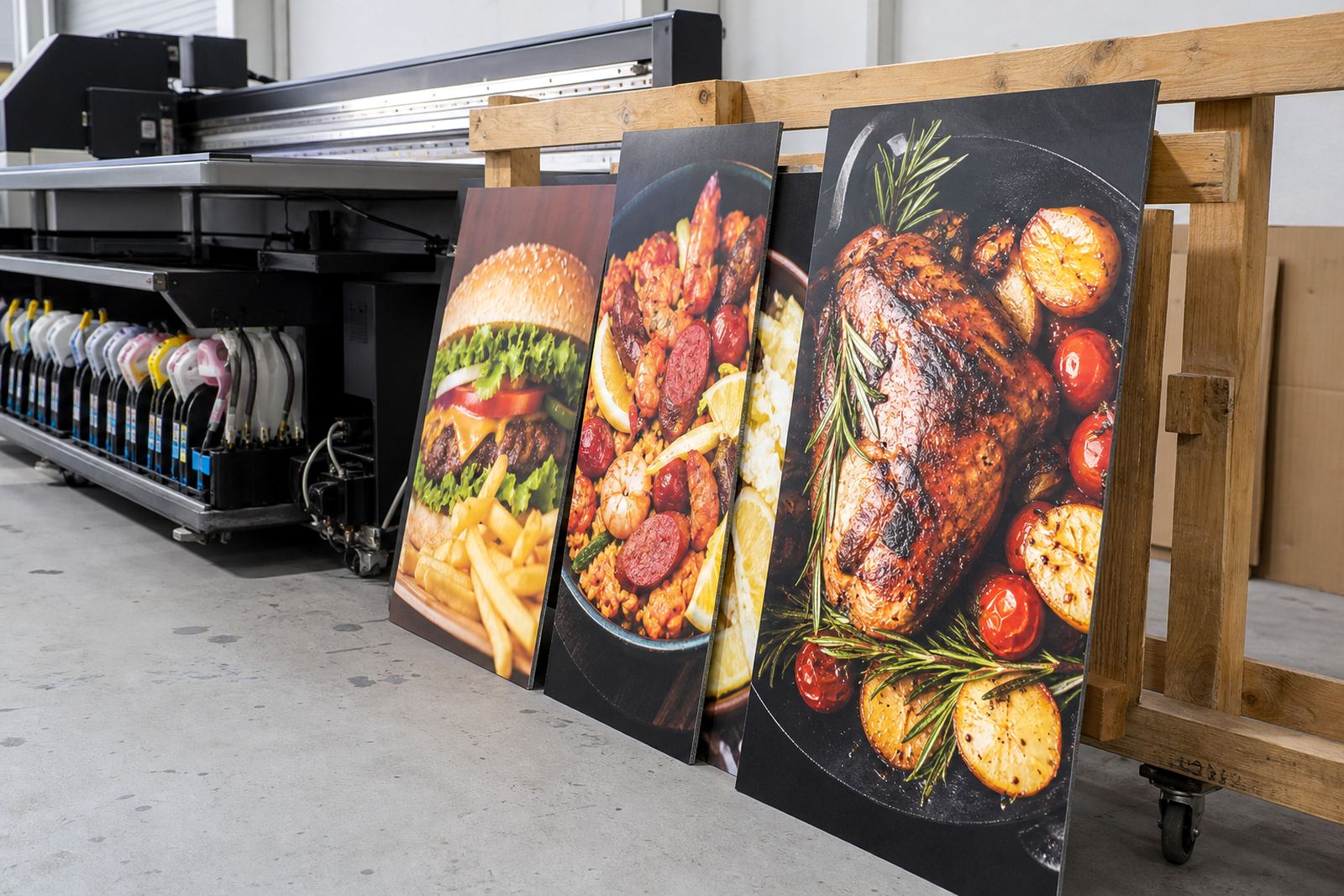
The finished panels had to read clearly in low ambient light and hold their colour once illuminated from behind. That meant strong saturation, clean edges and no visible patchiness in the printed areas. The approved output was used across hospitality display units, where menus and promotional messages had to stay legible at a glance.
The practical result was a smoother install for the client and fewer production interruptions on their side. They were able to keep the approved settings on file, which helped on the repeat order. The prints came off the roll cleanly, the cured surface handled well during fitting and there was no need for rework on the first batch. In plain terms, the job did what it needed to do and kept the schedule intact.
For a supplier working into Stellenbosch, that kind of result is valuable because the standards are high and the margins for error are small. Hospitality clients expect display work to look neat in daylight and under lightboxes, and the print team needs materials that behave predictably from one run to the next.
Kept for the next Winelands run
If we did this project again, we would follow the same sequence: sample first, adhesion check second, then a controlled production run with written settings. That process keeps waste down and makes it easier to handle colour changes if the client shifts from one lightbox size to another. We would also keep the same focus on handling and curing, because backlit work can be damaged by rushed packing more easily than ordinary signage.
For a regional supplier, the lesson is simple. UV-curable inks are not just about bright output. They have to suit the printer, the film, the curing setup and the way the job will be used on site. When those pieces line up, hospitality displays for Stellenbosch and the wider Winelands are far easier to produce and install. We would gladly take the same approach on another batch, whether the order is for a single venue or a multi-site rollout.
- Repeat the approved printer settings to protect consistency
- Keep the film flat and dust free before printing
- Use gloves during handling and follow the safety data sheet
Ink data
| Project location | Stellenbosch, Western Cape |
|---|---|
| Application | Backlit film for hospitality lightboxes |
| Ink type | UV-curable inks |
| Print systems | Flatbed and roll-to-roll printers |
| Timeline | 2 weeks from brief to dispatch |
| Supply base | Epping, Cape Town with courier delivery nationwide |