

Choose the right UV ink for the job
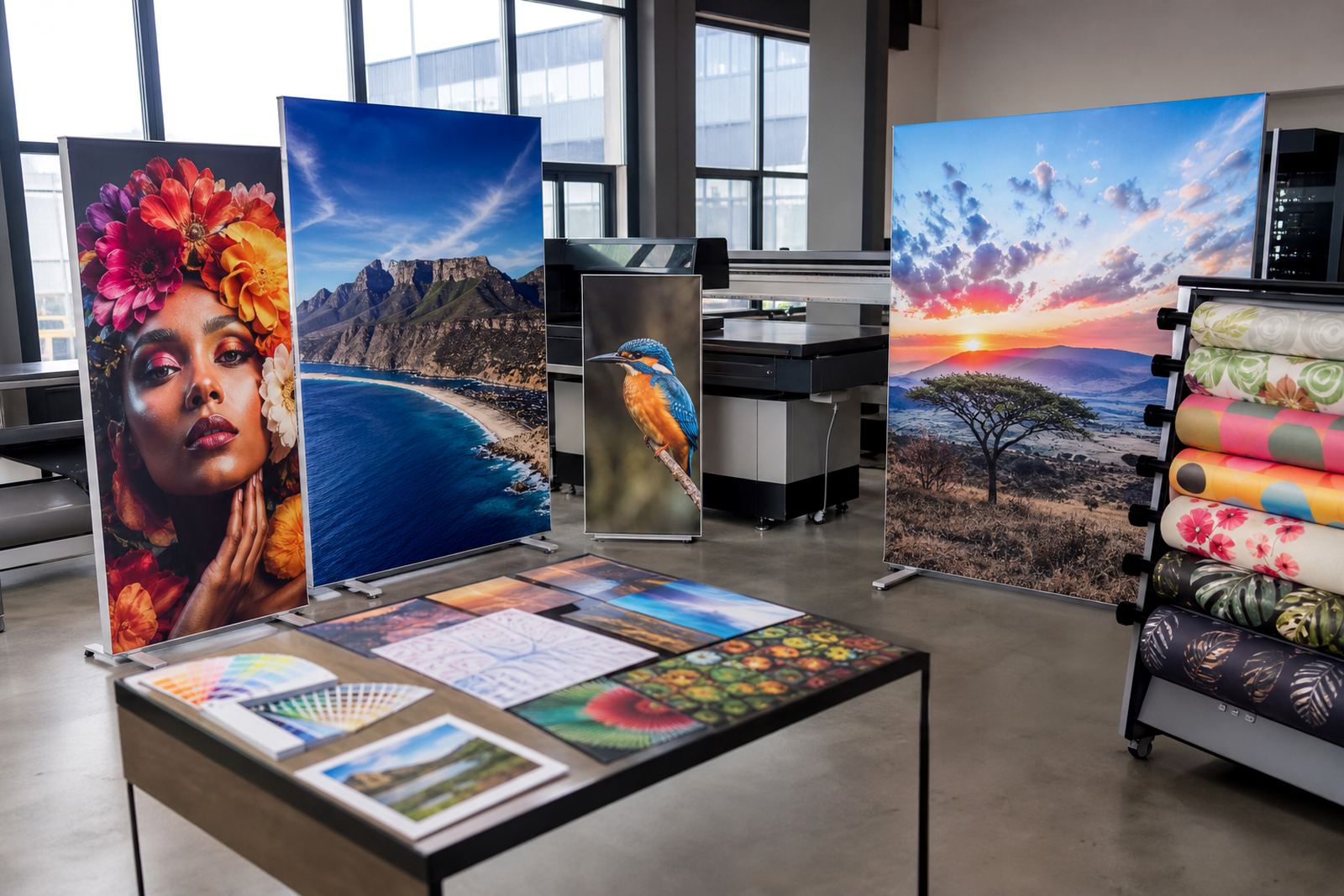
UV-curable ink needs to suit the printer, the substrate and the end use. A fast sign job on rigid board asks for different behaviour than a roll-to-roll run on flexible media, and the wrong choice can leave weak adhesion, poor detail or an uneven finish. We help customers compare ink types by application, surface and production pace so orders fit the work on hand.
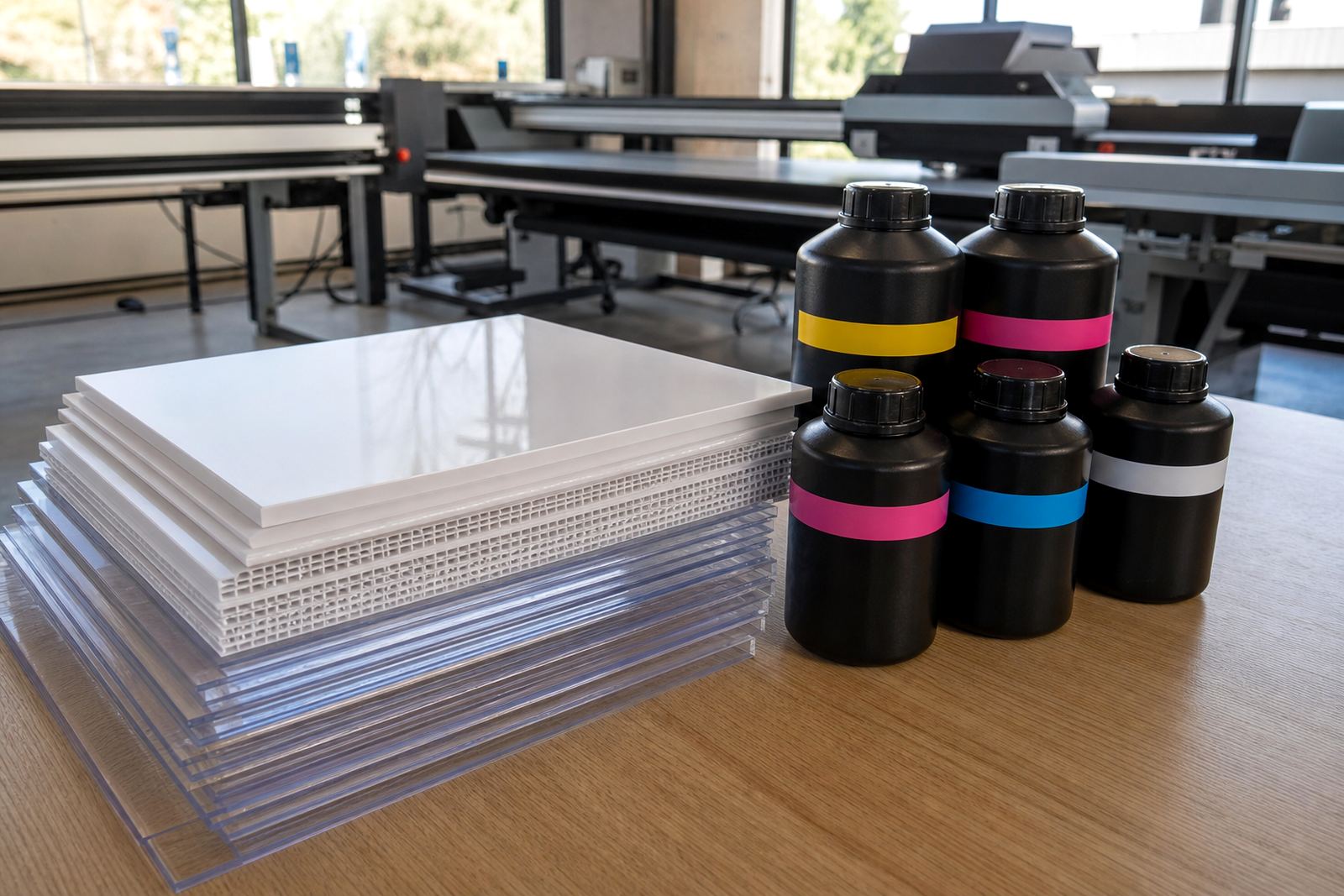
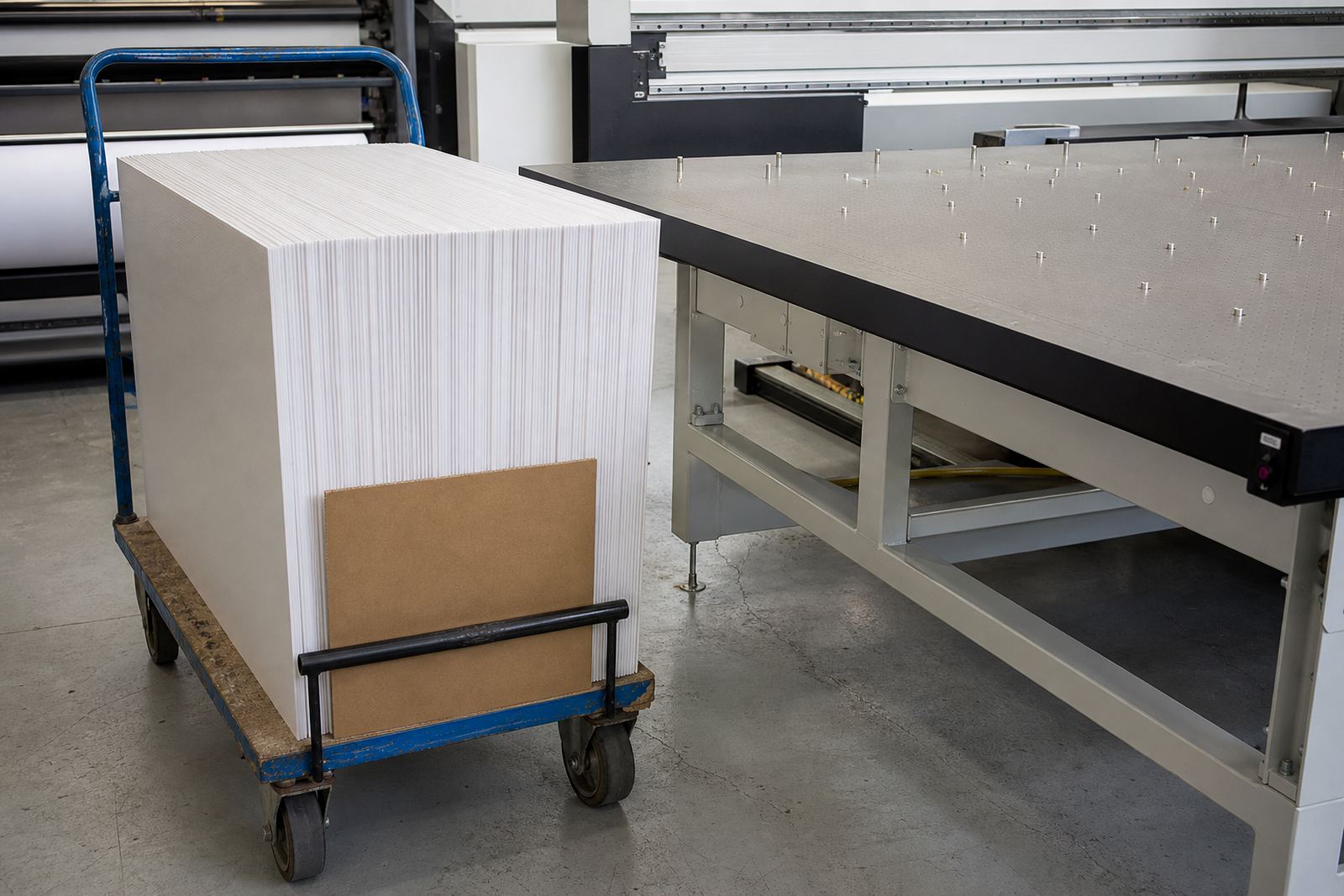
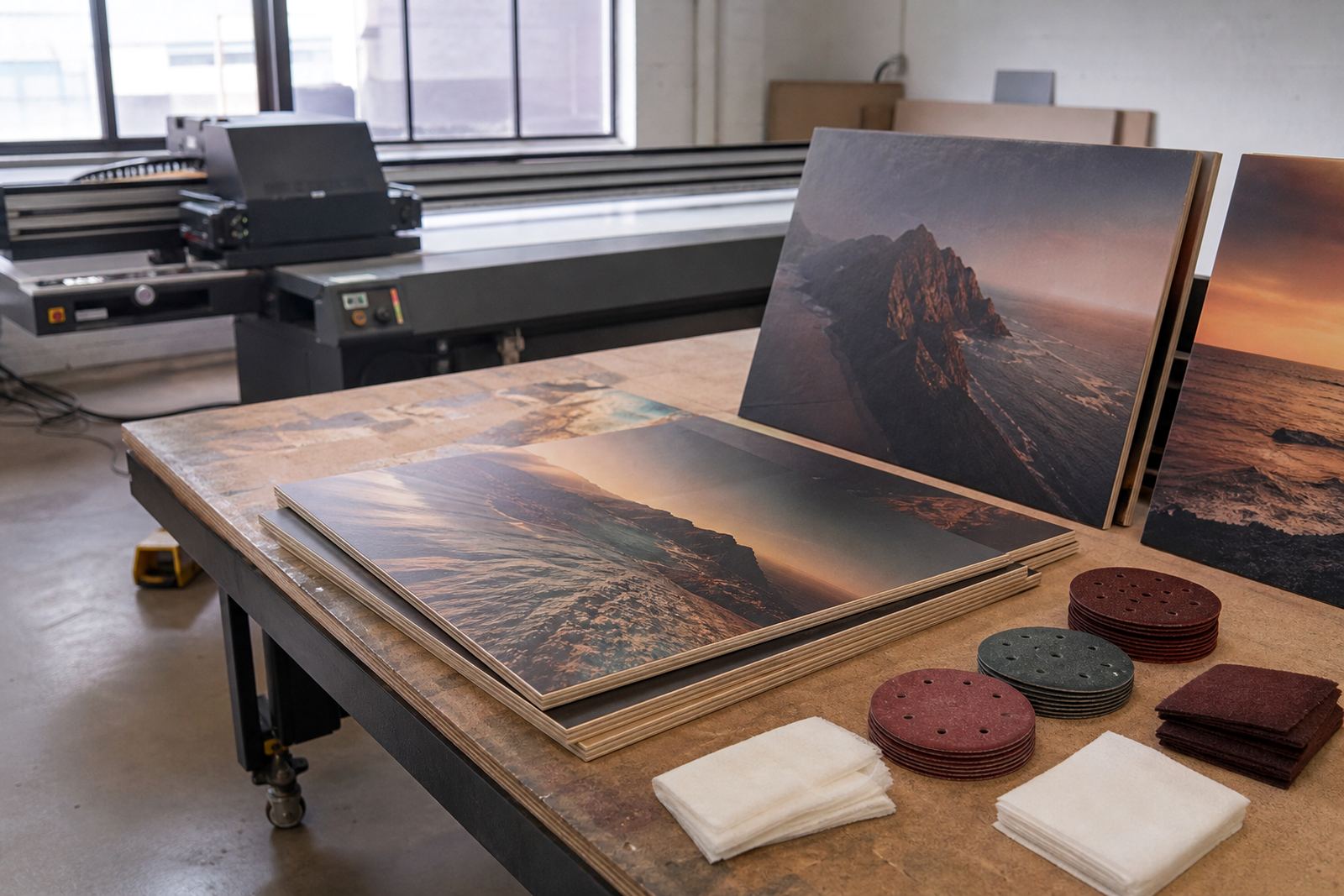
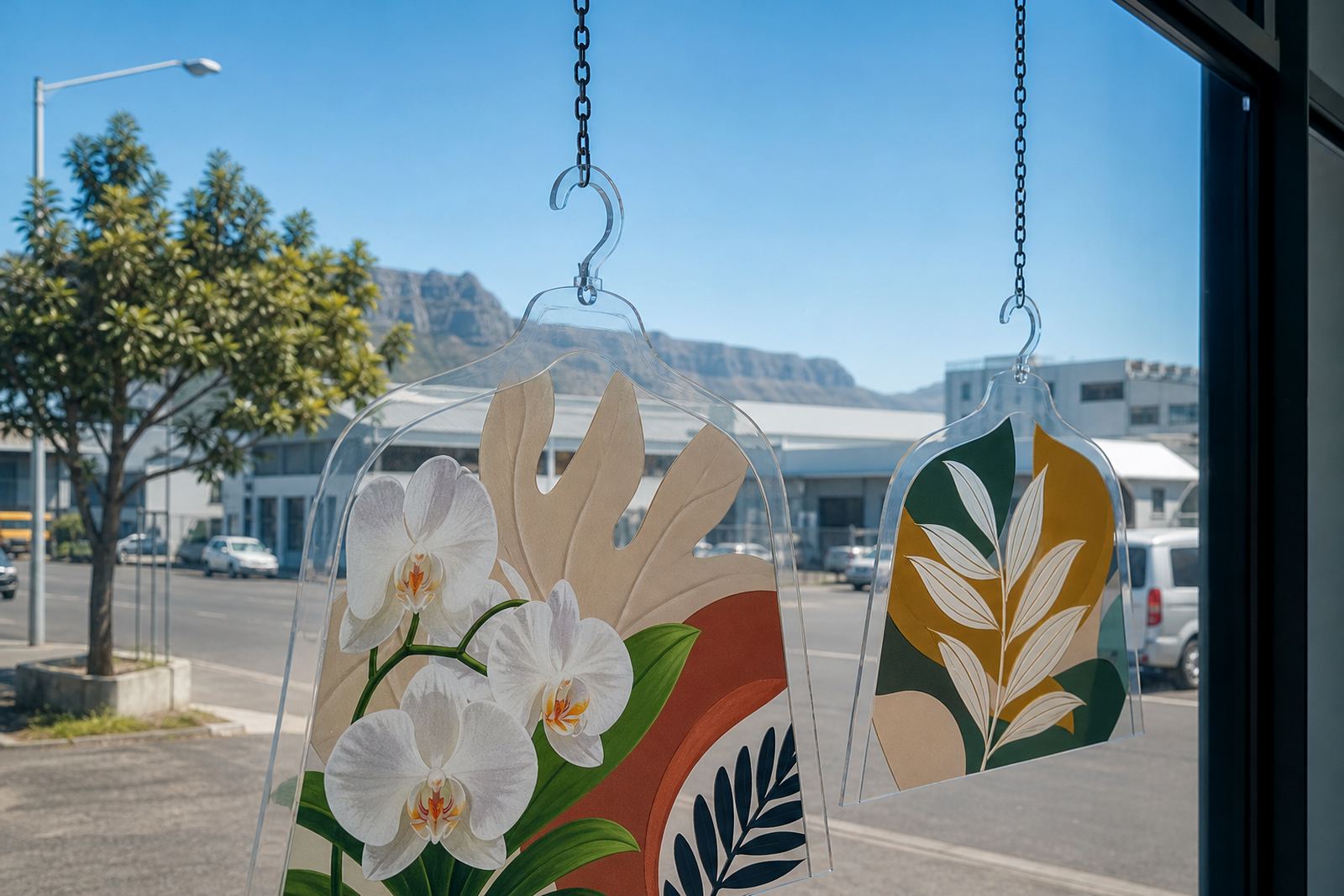
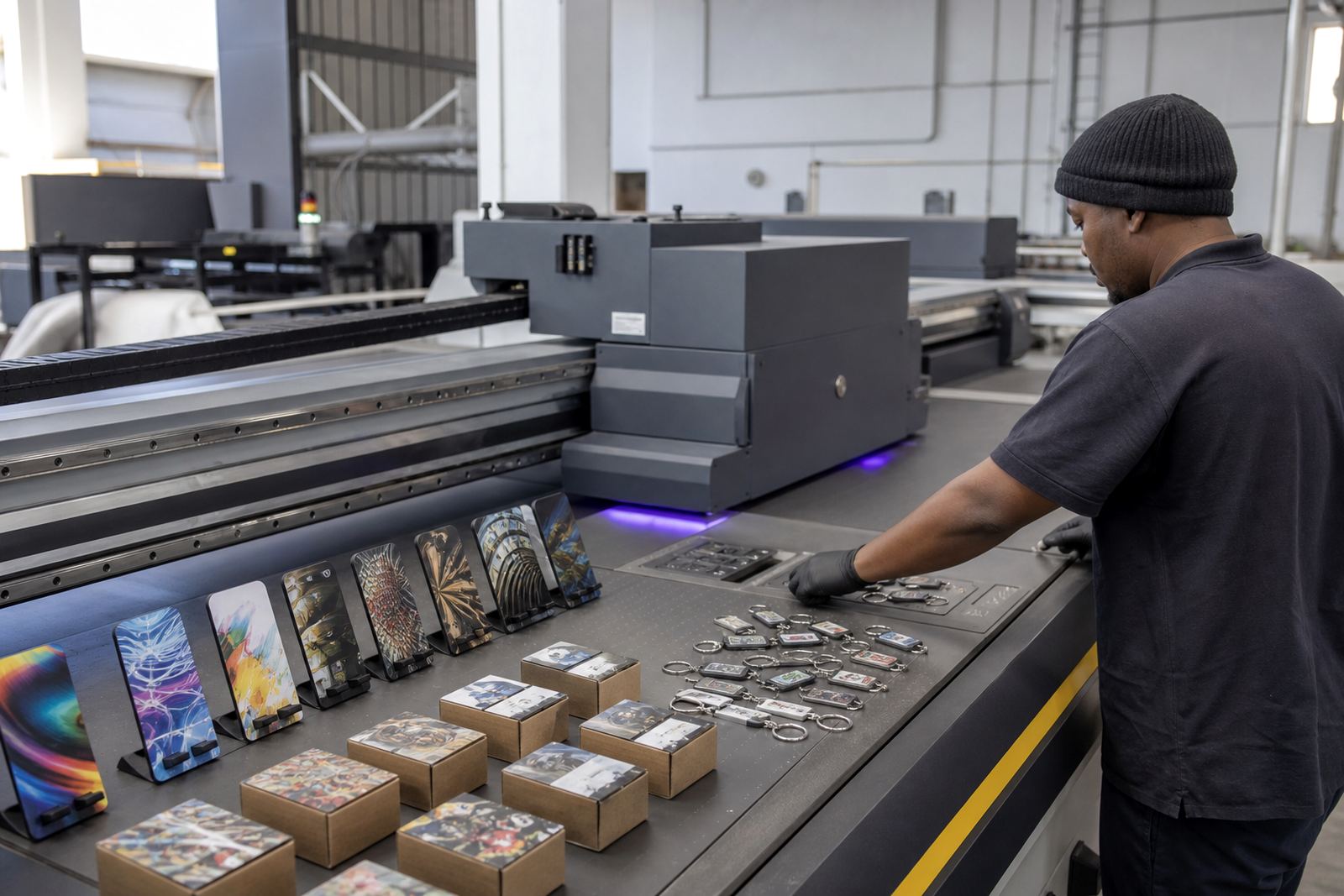
If you print for signage, packaging, displays or graphics, start with the material first. Smooth plastics, coated board, glass, metal and flexible films all behave differently under UV light and not every ink bonds the same way. For coastal sites in Cape Town or humid rooms in Durban, that choice matters even more.
How UV curing affects print results
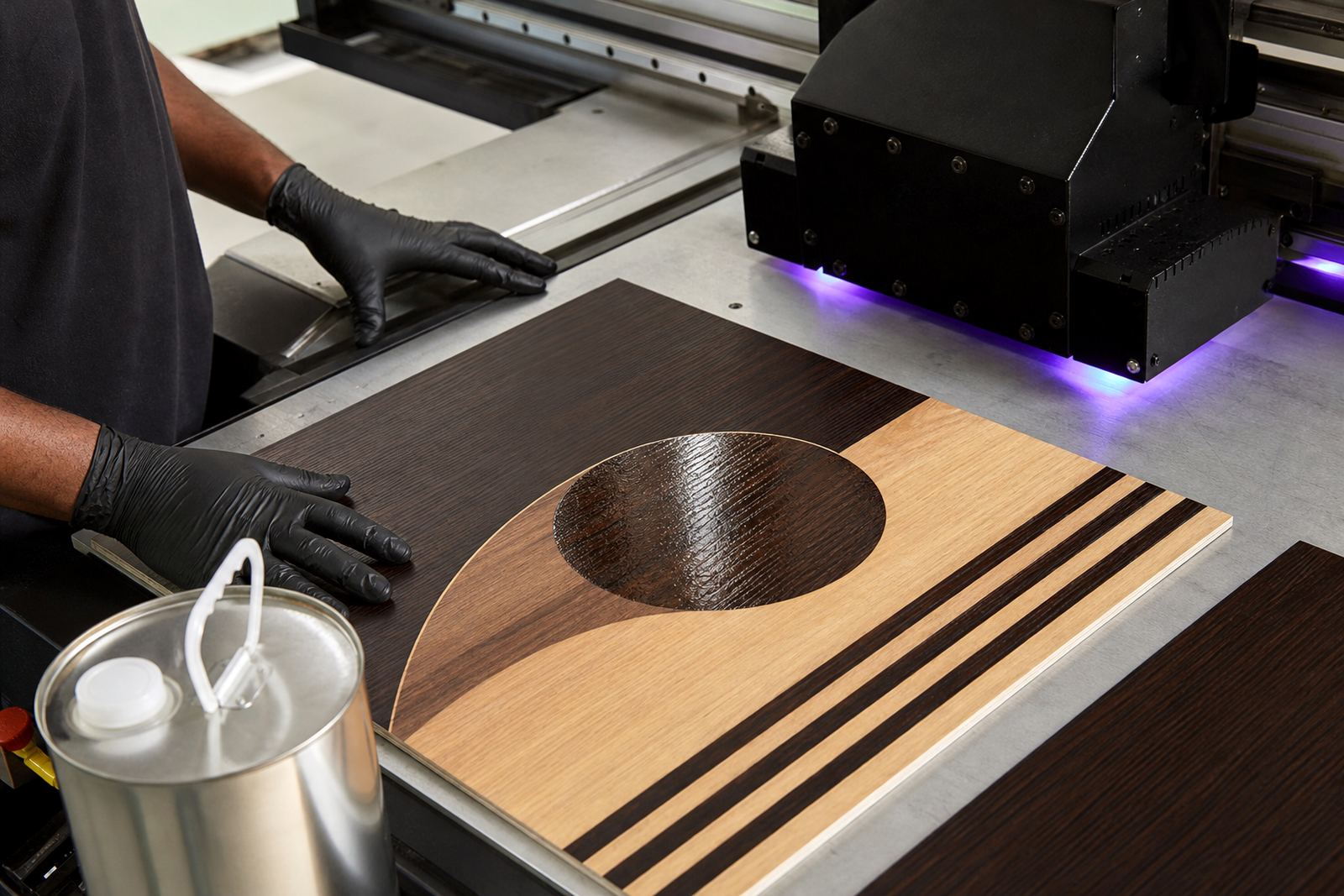
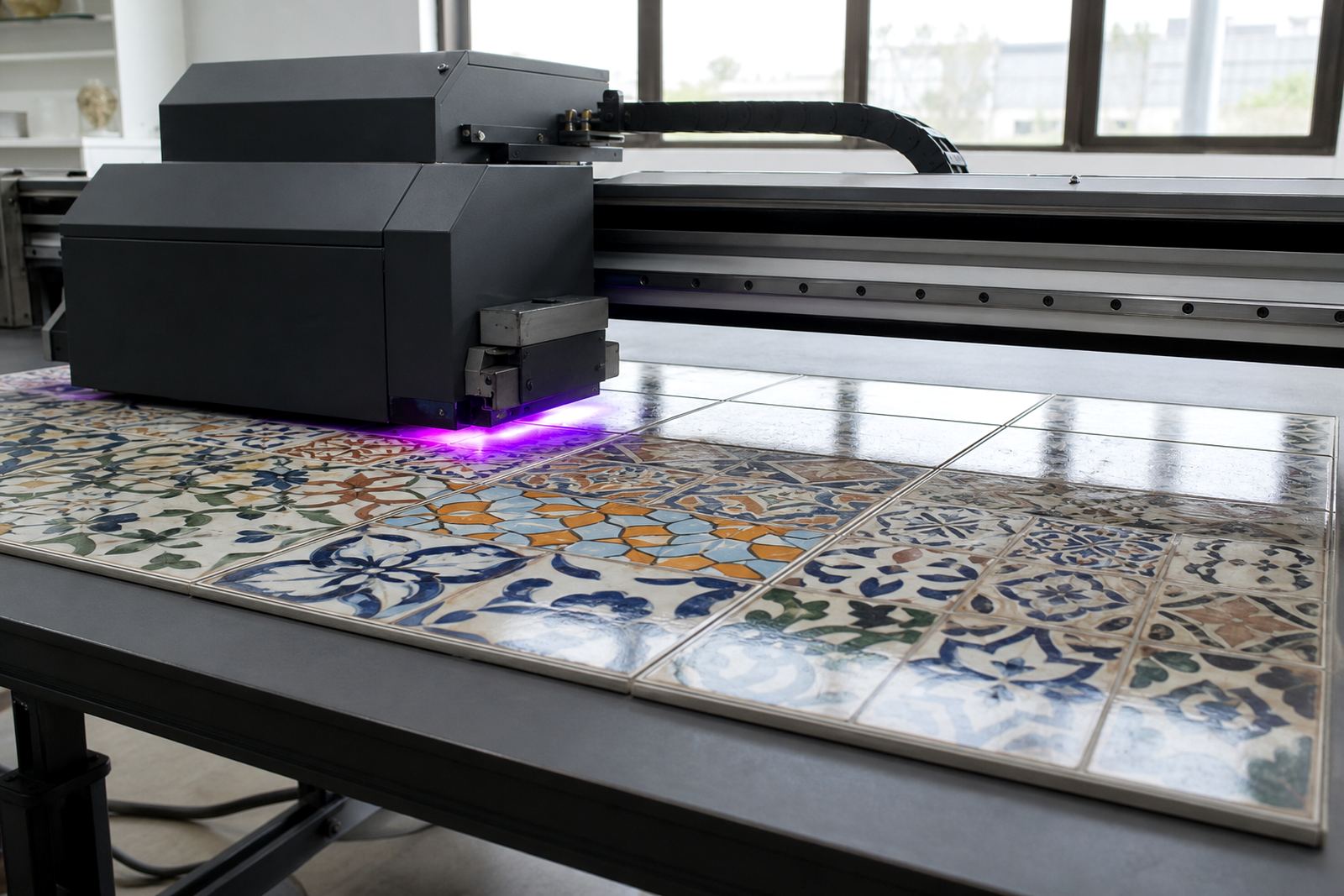
UV ink cures when exposed to the correct lamp output or LED wavelength, which turns the liquid ink into a solid layer on the media. Good curing helps with rub resistance, sharper edges and better handling after print. If curing is too light, prints may stay tacky or wear off too easily, while too much heat can affect sensitive materials.
- Match the curing setup to the printer and media thickness
- Check whether the print needs instant handling or full production drying time
- Confirm curing settings before starting long production runs
Adhesion on rigid and flexible materials
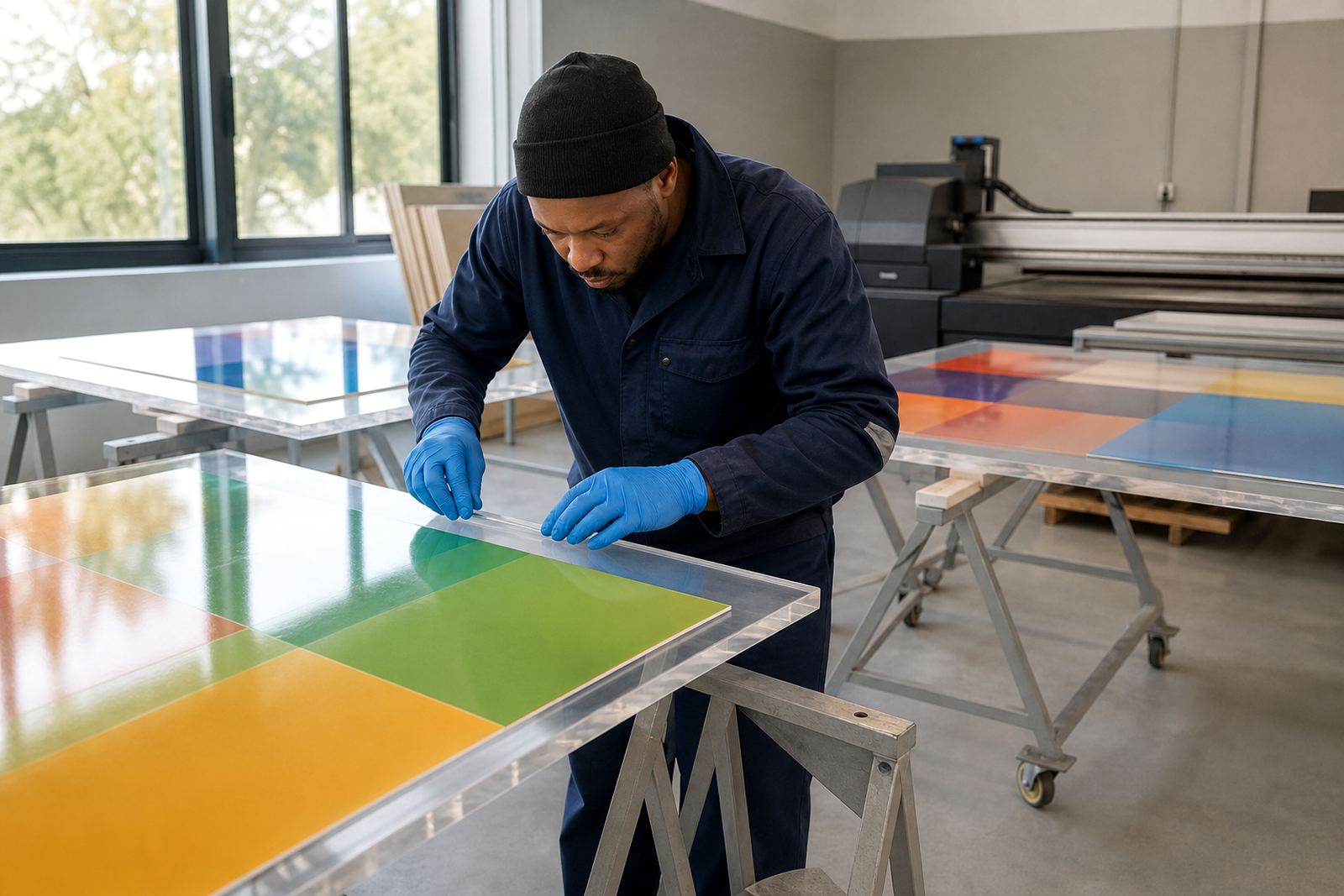
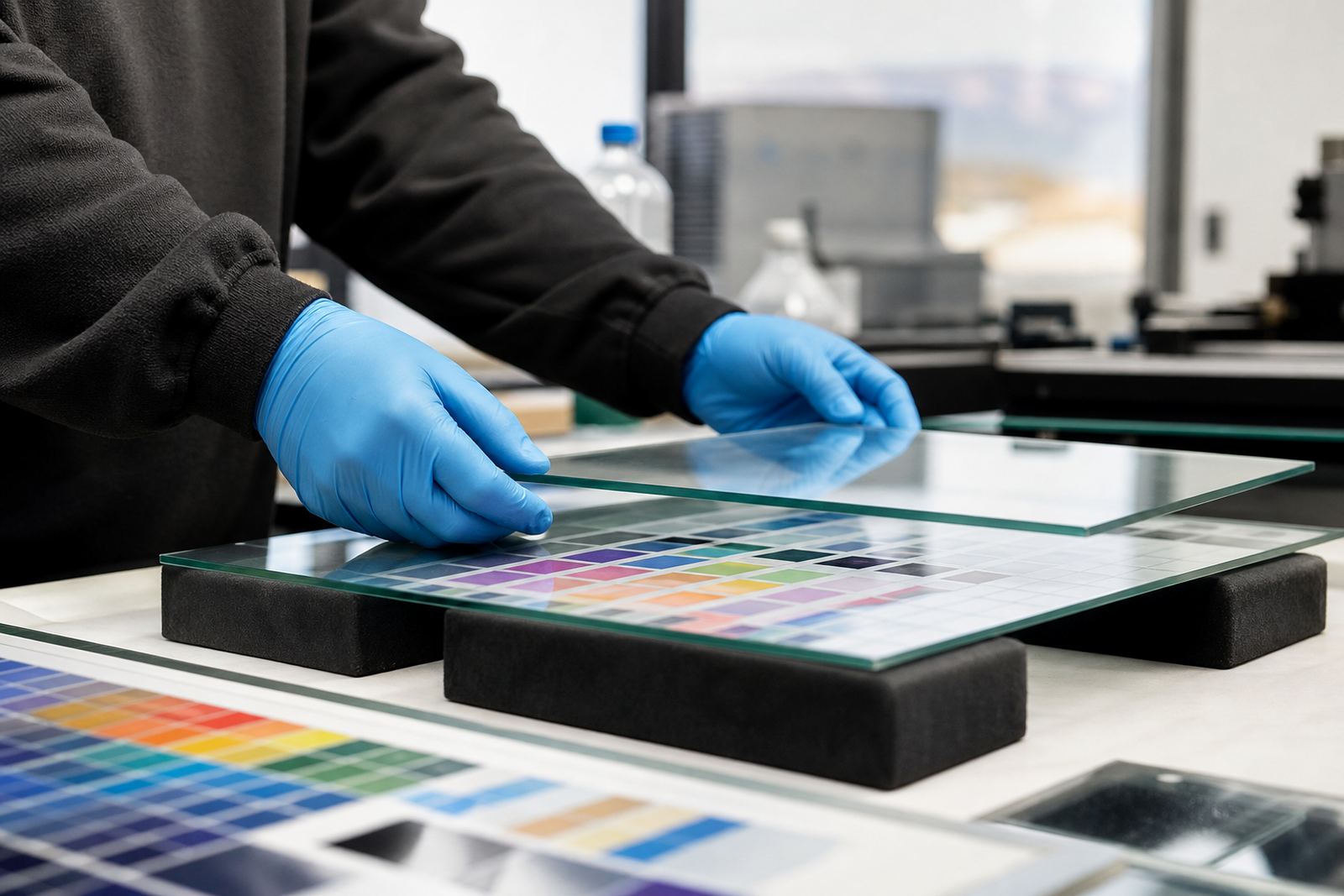
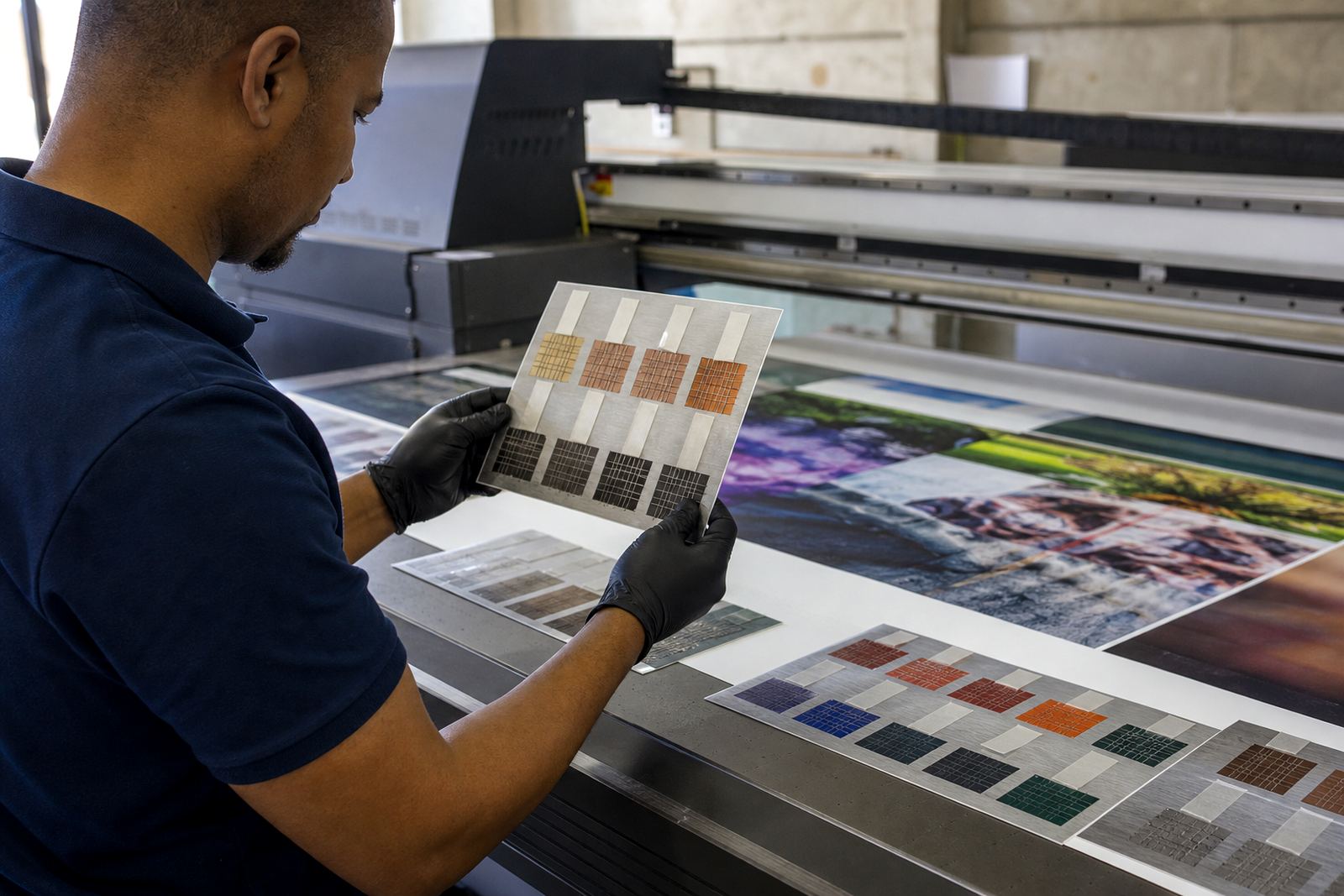
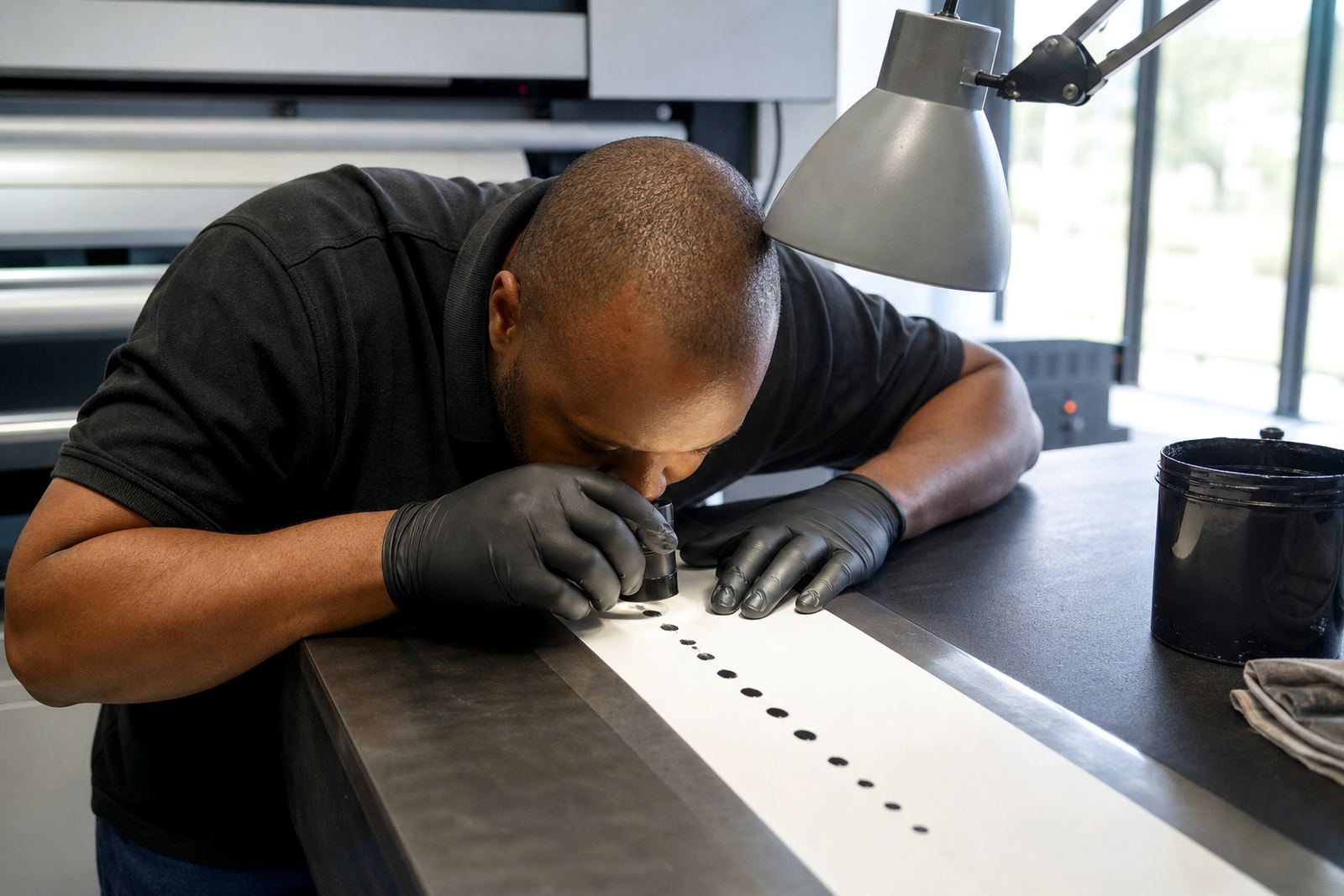
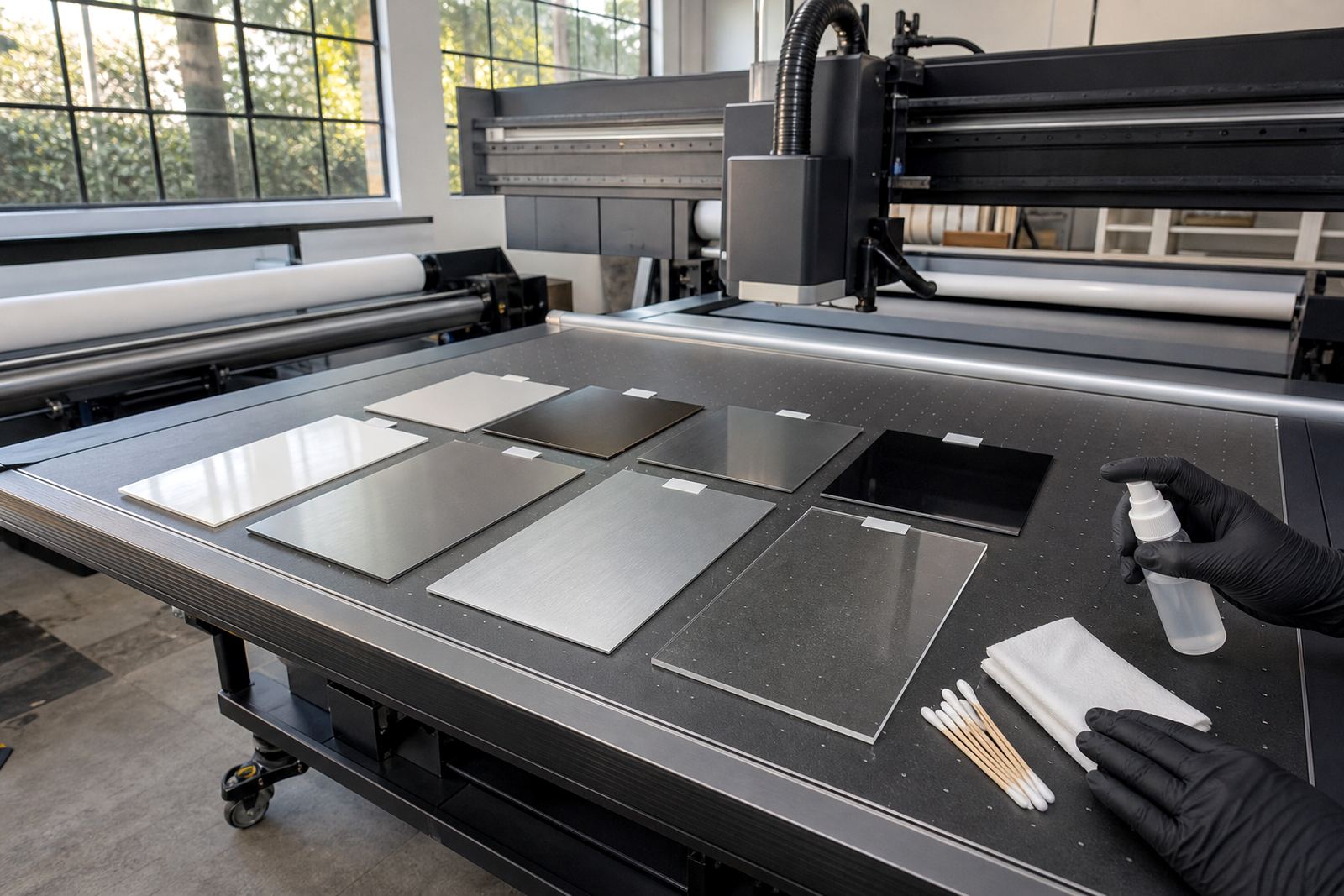
Adhesion is one of the main reasons to test before full production. A print can look strong at first but still fail when folded, scratched or exposed to moisture. We assist with adhesion testing on common sign and packaging surfaces, helping customers see how the ink behaves before committing to a larger run.
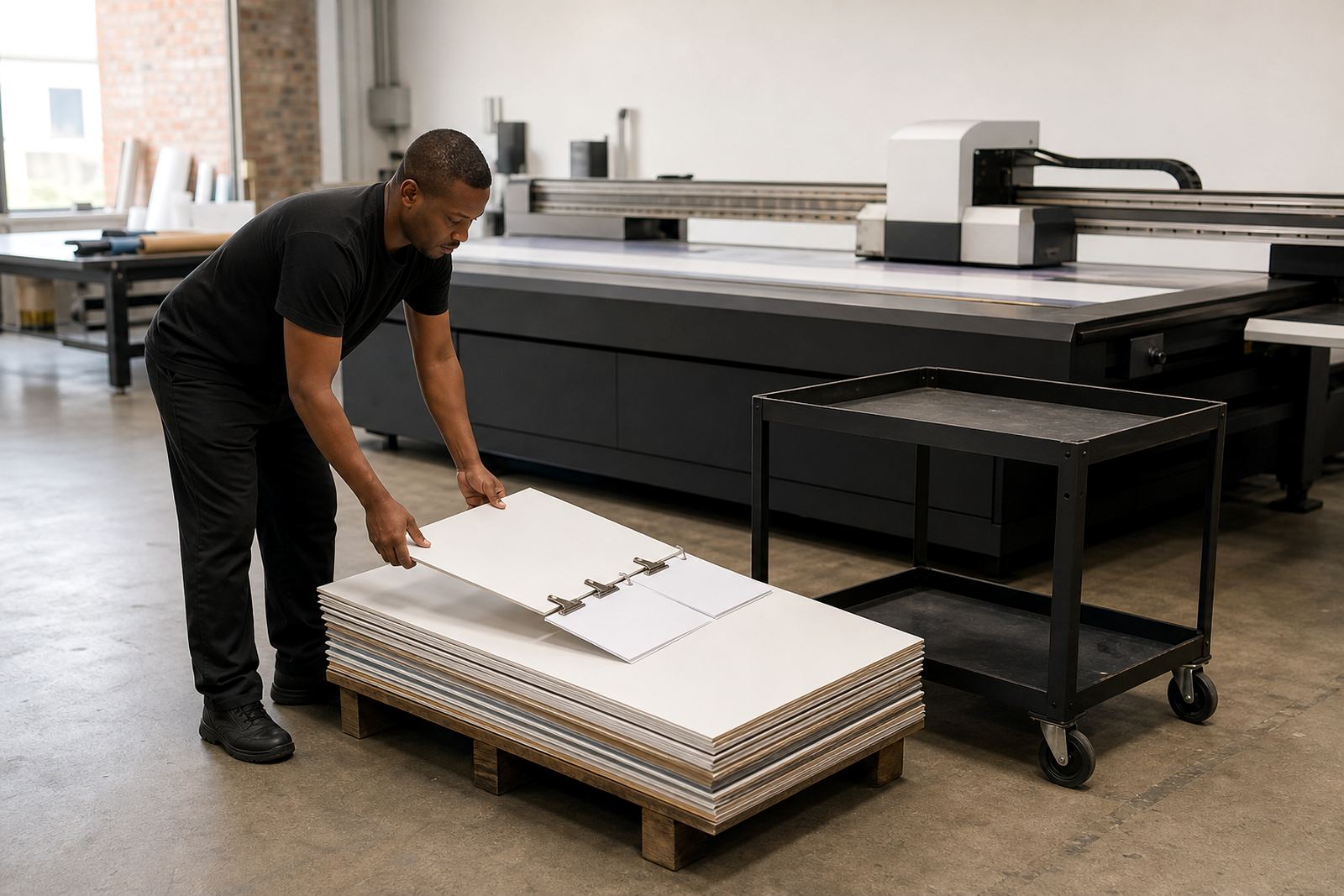
For rigid boards and panels, surface energy and cleaning make a big difference. For roll media, flexibility and ink layer thickness matter too. A proper test saves time, waste and repeat work later.
Printer compatibility without the guesswork
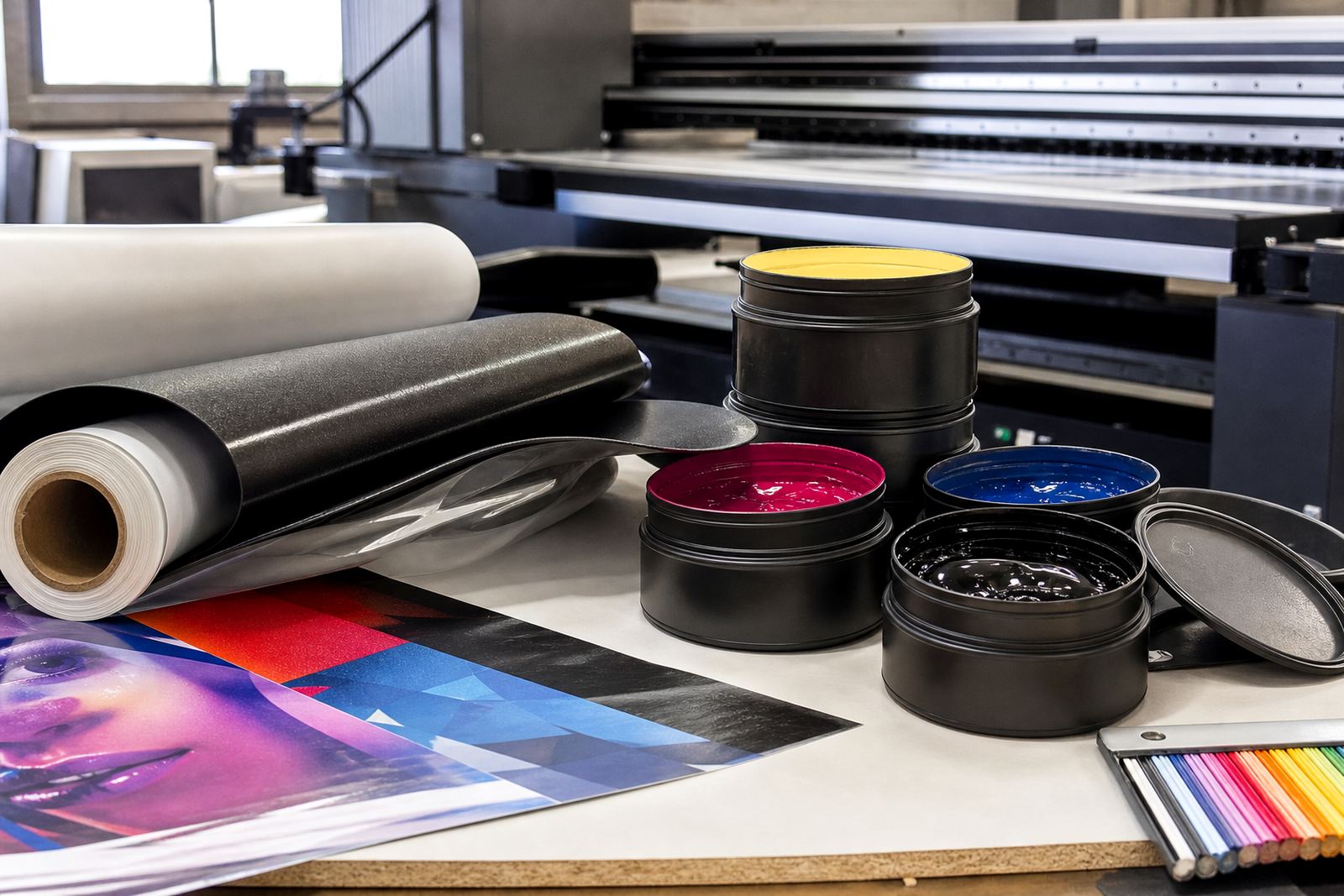
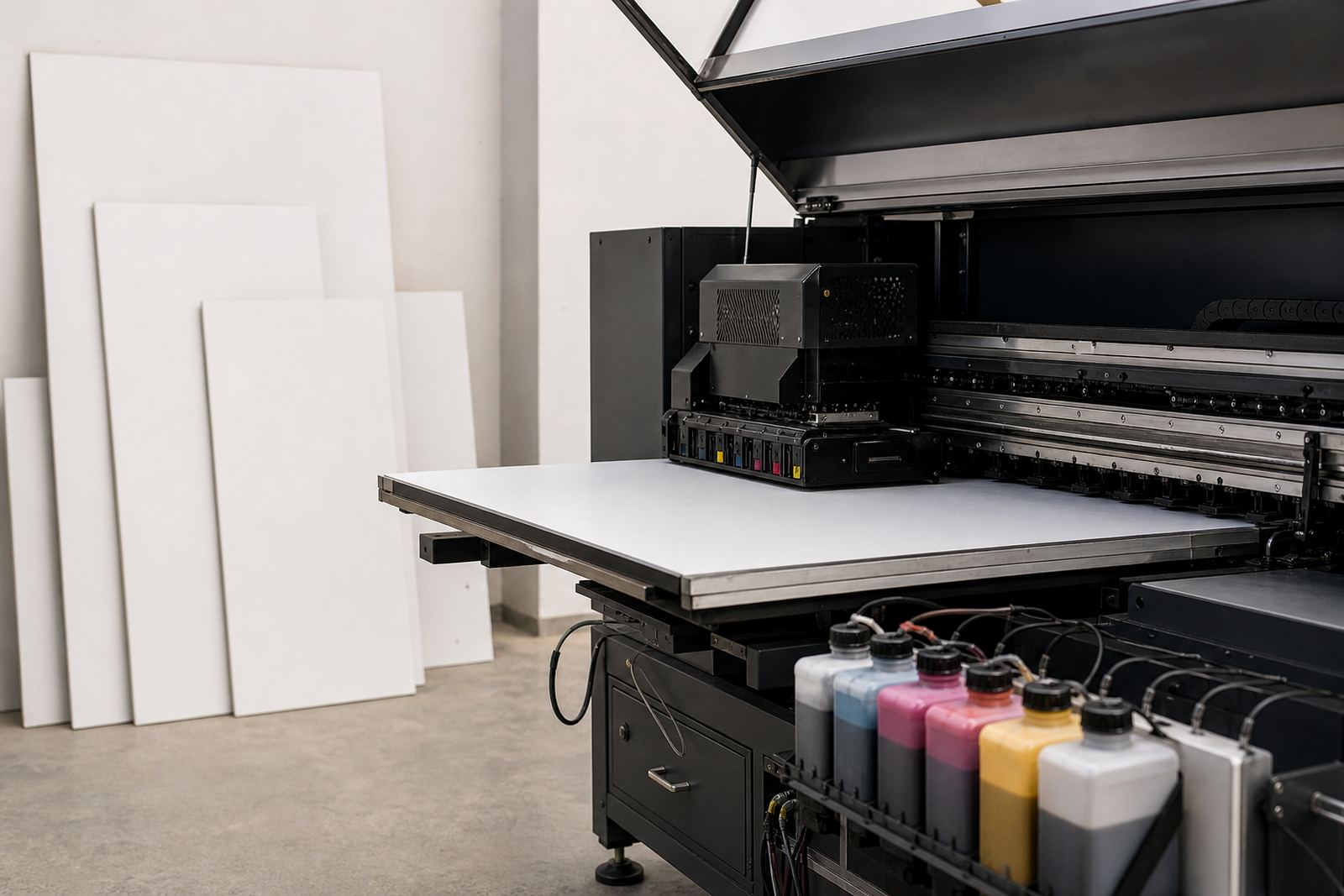
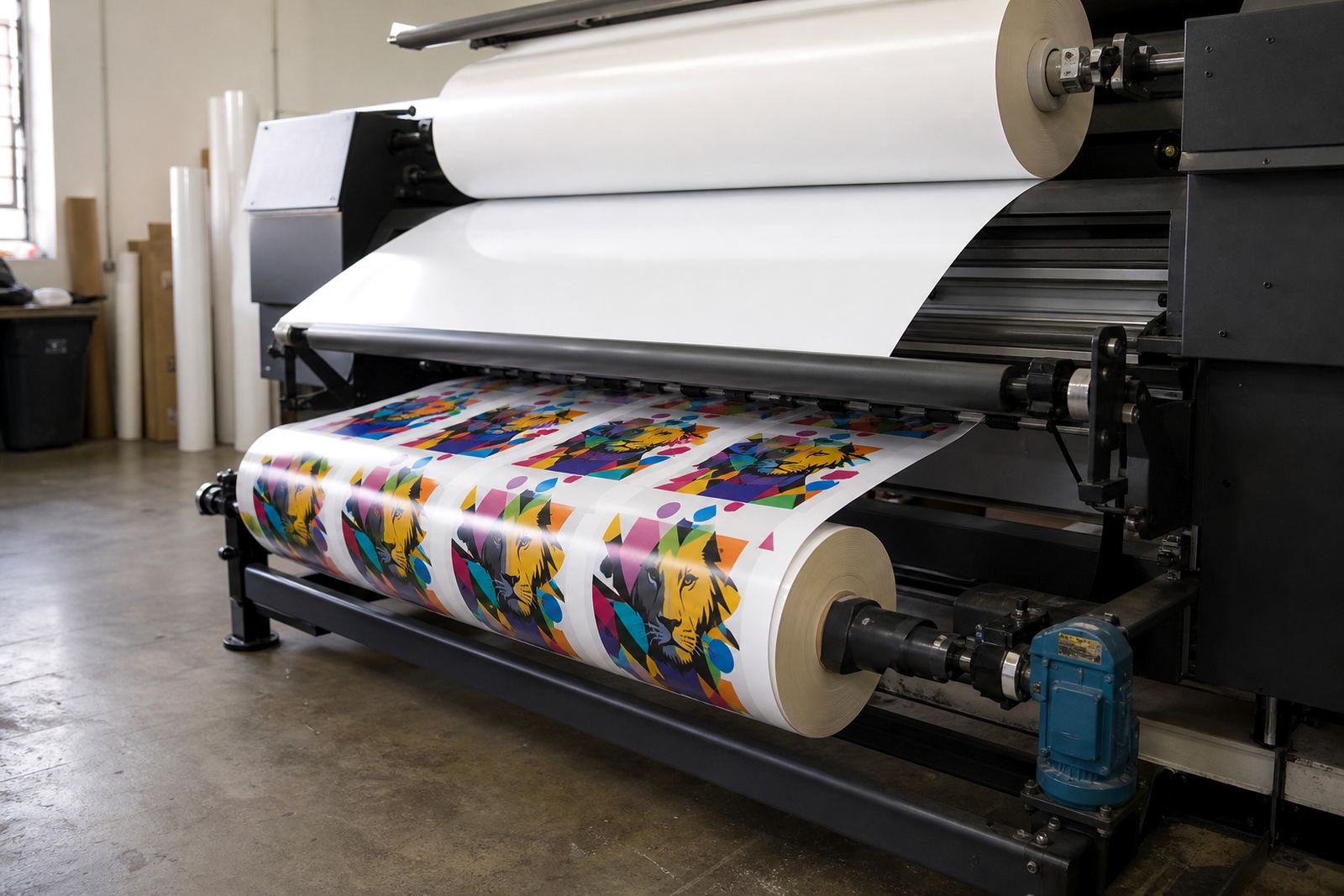
Flatbed and roll-to-roll printers each place different demands on the ink path, heads and curing system. No single ink suits every machine, so compatibility checks are part of the process. We look at the printer setup, intended use and production speed before recommending an option.
- Check head type and ink delivery requirements
- Confirm whether the printer is set up for rigid or flexible media
- Review cleaning routines and how often the machine runs
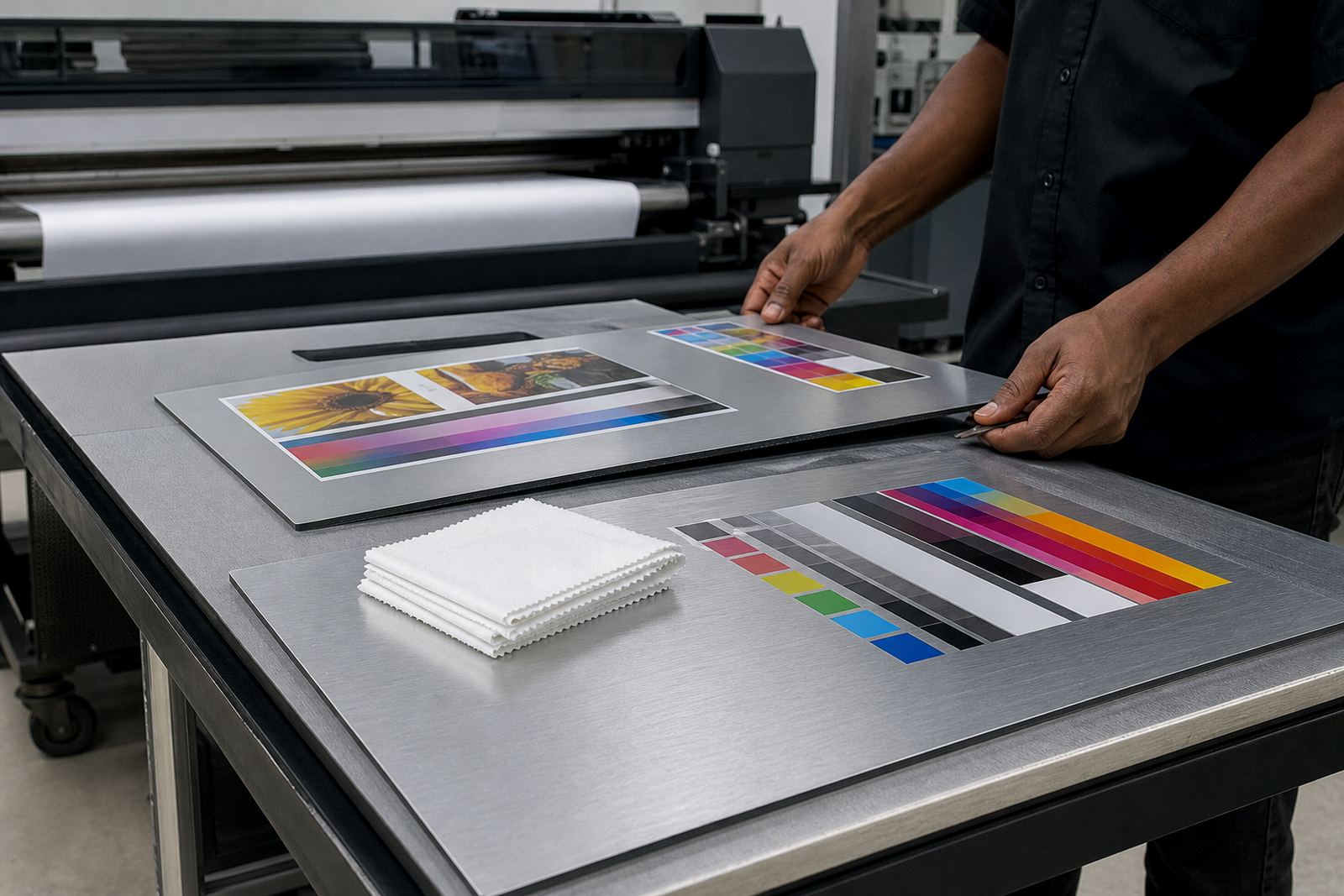
- Compare trial prints against the final production standard
That approach helps avoid blocked heads, poor laydown and compatibility problems that slow a shop down.
Support for day-to-day production
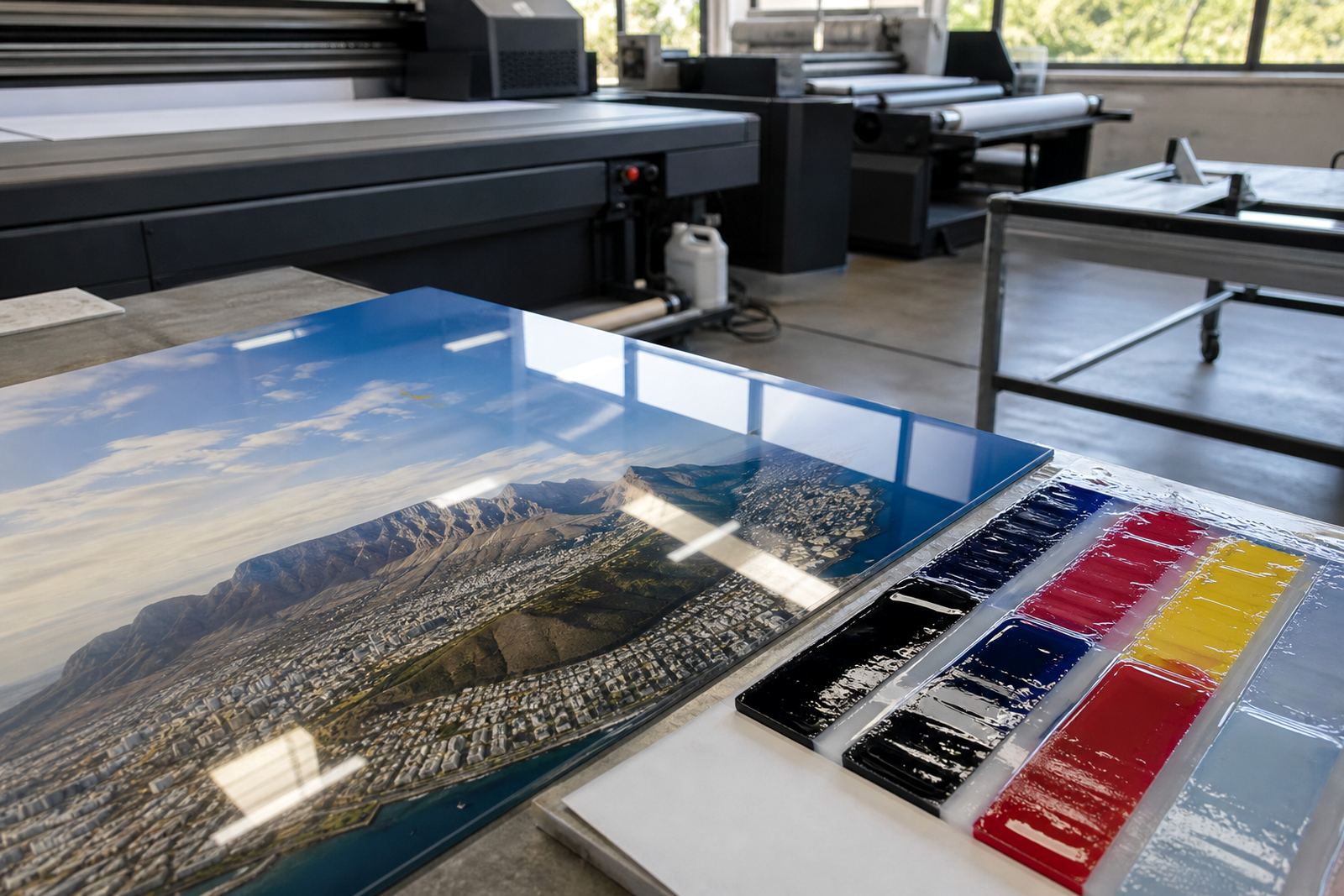
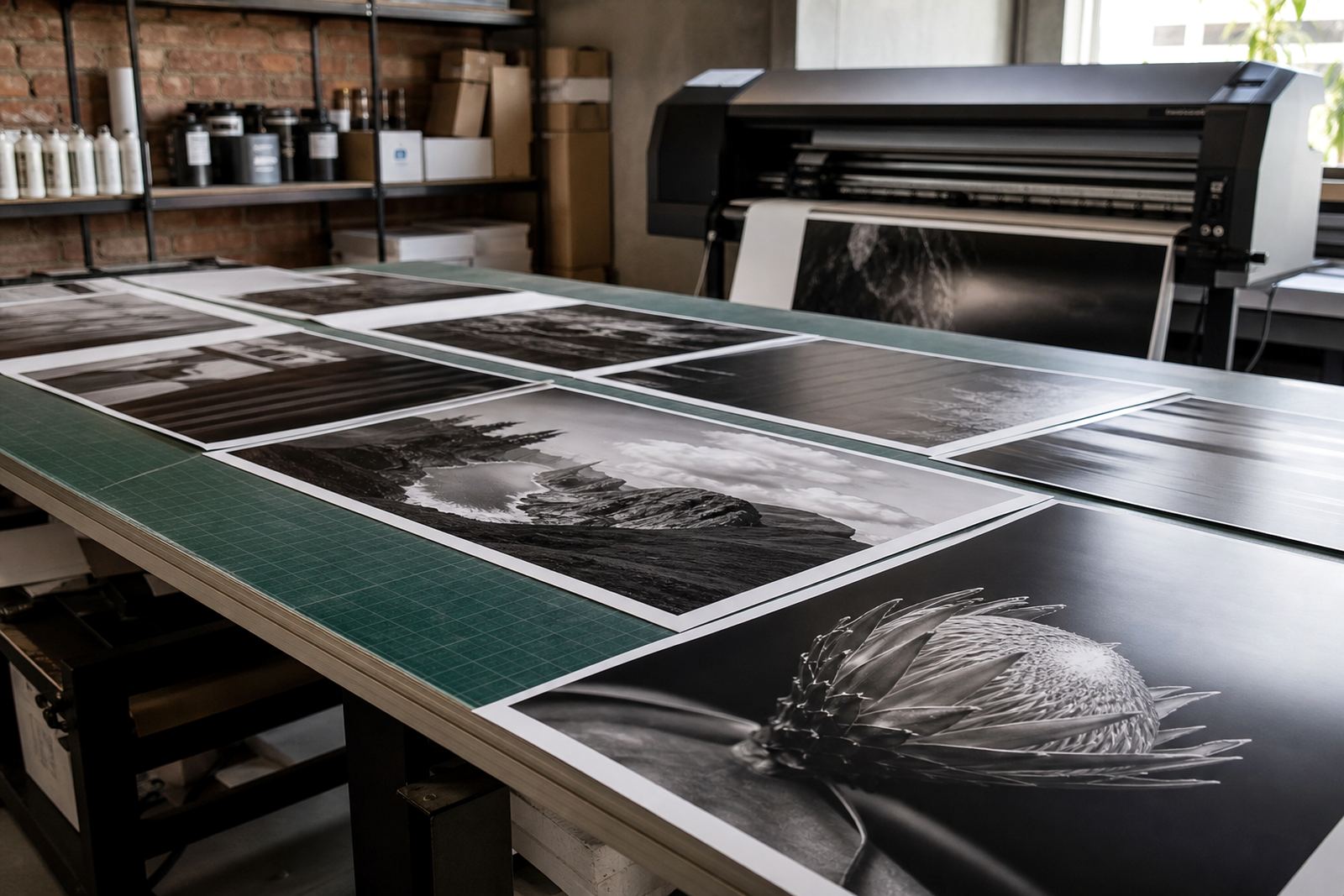
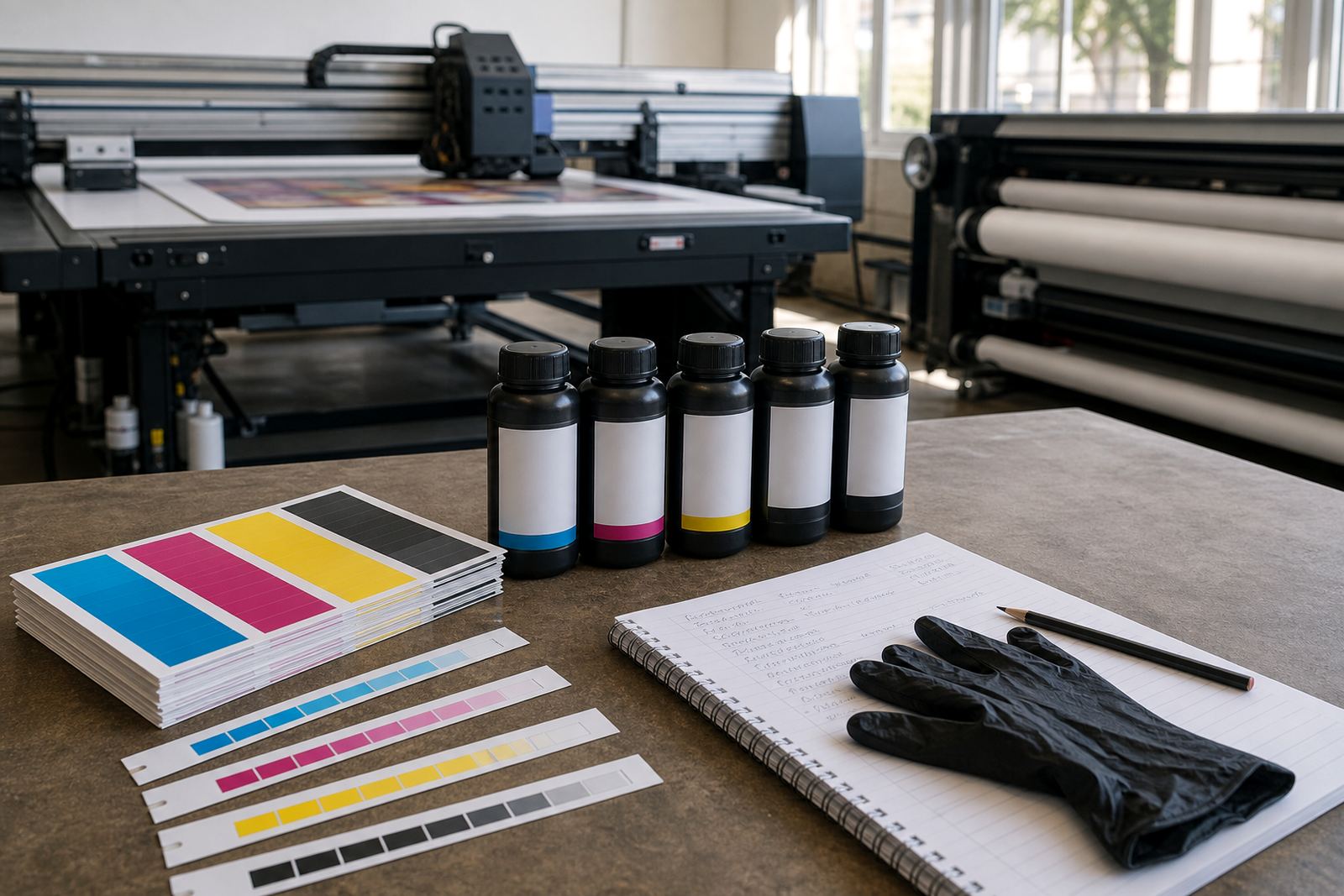
Our work does not stop at supply. Customers often need help with colour trial support, sample pack prep, production planning and operator training, especially when a new substrate or job type comes in. We also provide remote tech help for print rooms that need quick guidance during busy periods.
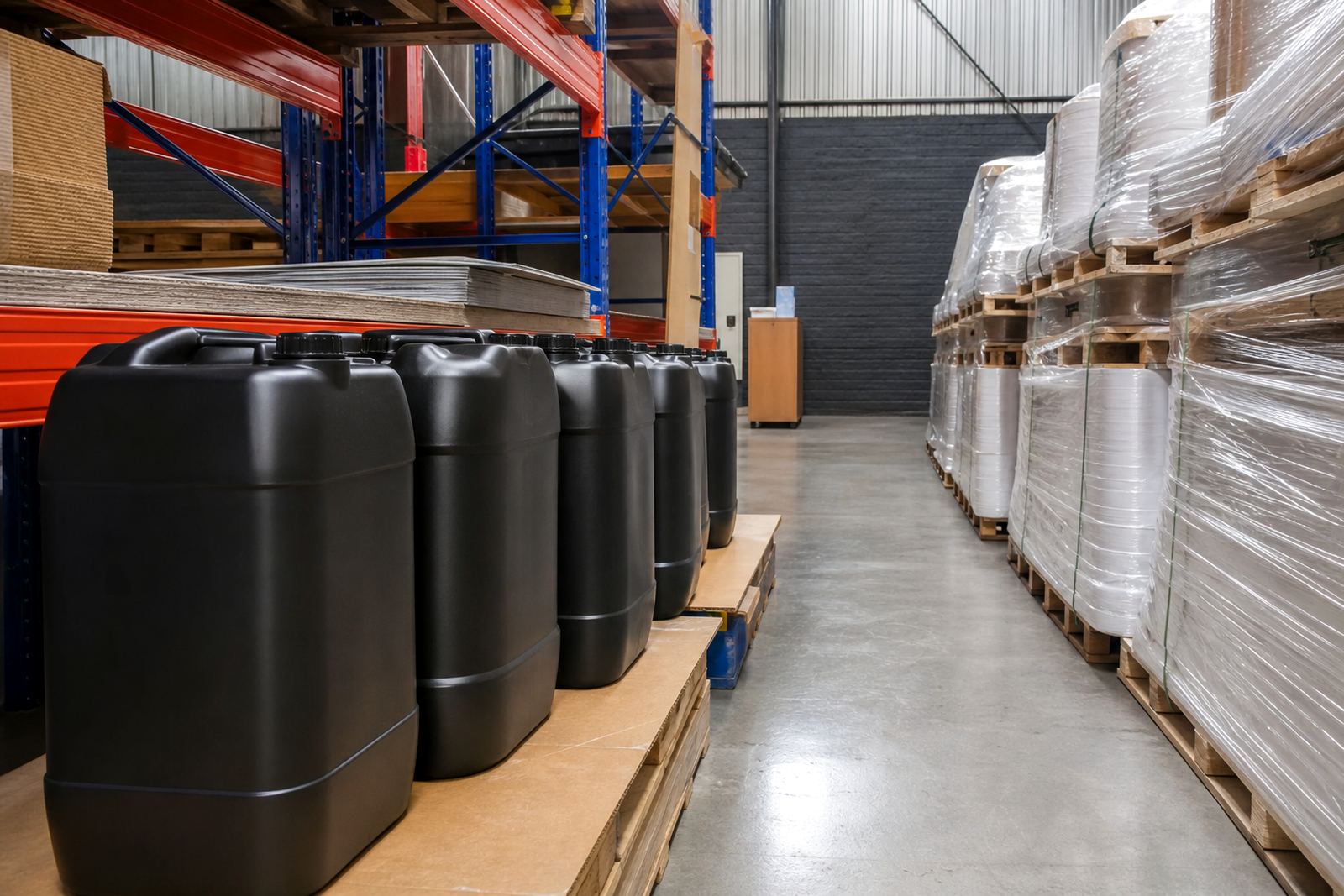
From Epping supply to courier delivery in Johannesburg, Pretoria, Durban and Gqeberha, the aim is to keep production moving. Repeat order management also helps businesses stay stocked, which matters when municipal delays or peak season demand put pressure on turnaround times.
Safe handling and practical ordering
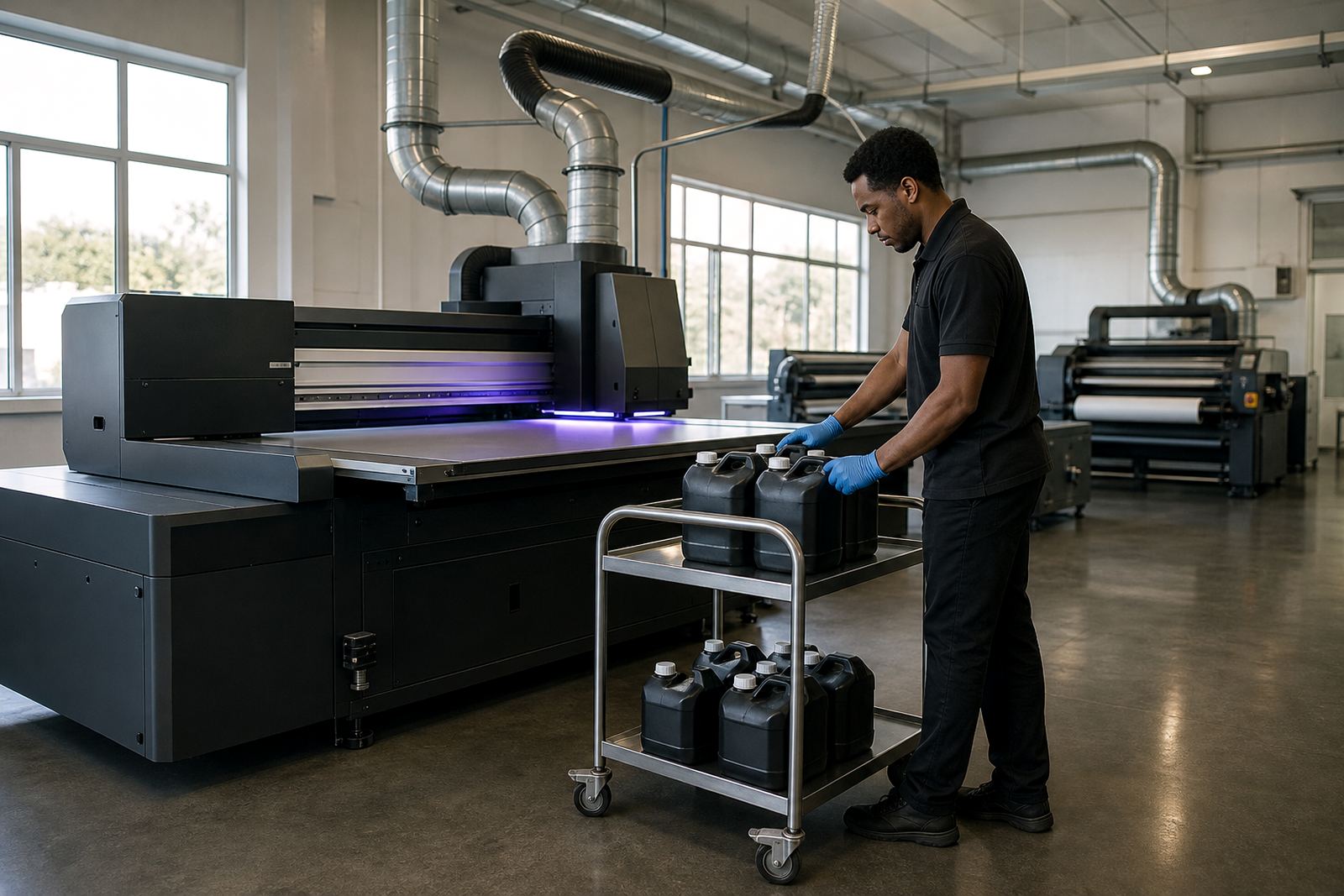
UV-curable inks should always be handled with care. Follow the safety data sheet, wear gloves and keep the work area tidy. If an operator is new to a product, a short safe handling briefing is worth doing before the first run.
When you are ready to order, write to UV Ink through the contact page form and tell us what printer you have, what material you are using and what finish you need. That makes it easier to suggest the right ink, prepare samples if needed and plan courier stock for your branch or site.
- Ink Selection
- Compatibility Checks
- Adhesion Testing
- Curing Guidance
- Sample Pack Prep