
What low odour UV-curable ink does on press
Low odour UV-curable ink is formulated to reduce the strong solvent-like smell that operators often notice during printing and curing. It still cures under UV lamps or UV LED systems, then forms a dry, handled surface that can be moved, trimmed or packed soon after printing. The main benefit is a more comfortable print area, especially in smaller workshops, enclosed rooms or sites where staff spend long shifts close to the machine.
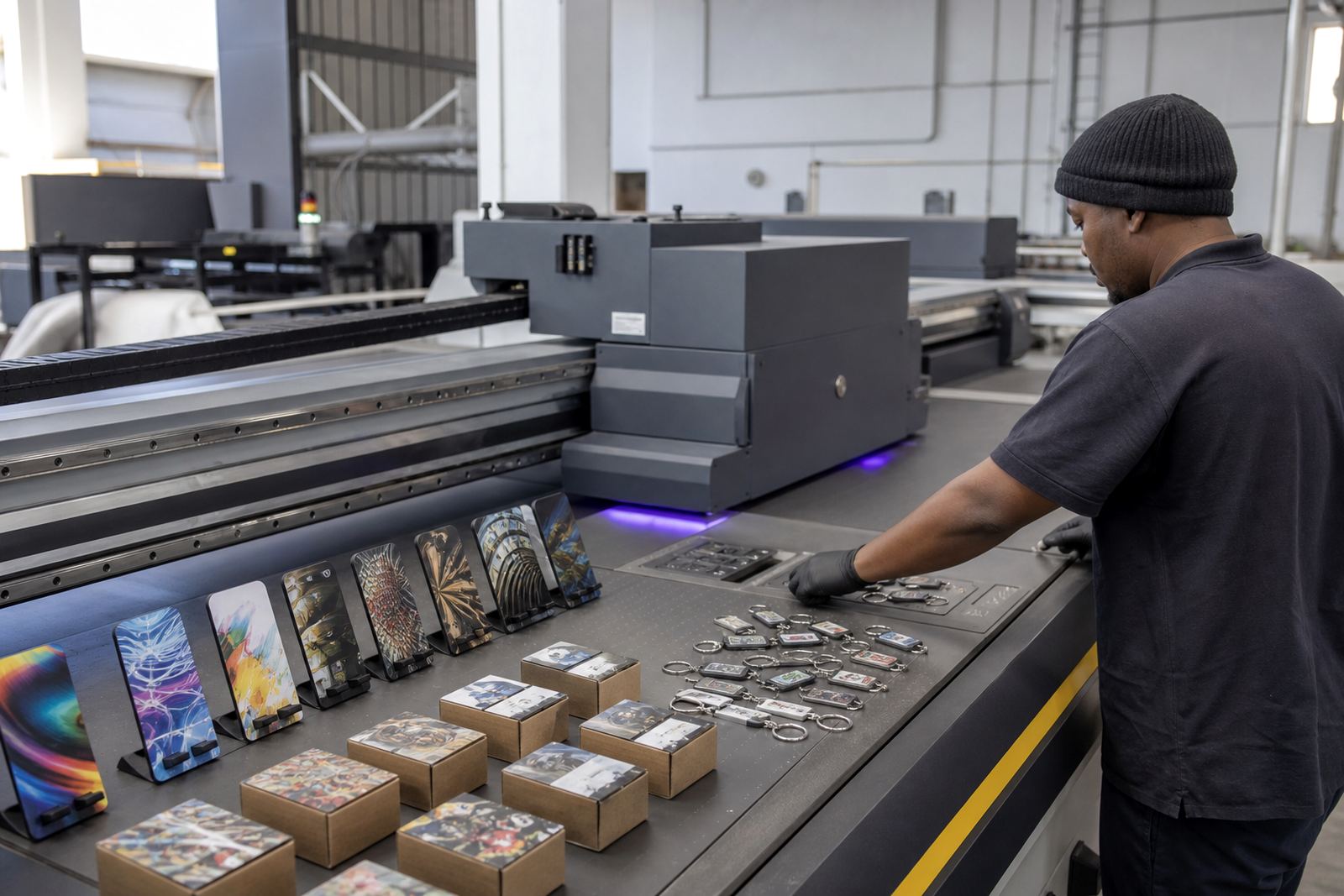
It is suitable for signage, graphics, display work and packaging tasks where the shop wants cleaner handling routines and steady production. The ink is made for flatbed and roll-to-roll printers, but the final result depends on the substrate, the print mode, the lamp setup and the profile being used. If a job needs to hold well on PVC, acrylic, foam board, coated boards or prepared film, compatibility testing is still important. A good cure is just as important as the ink itself, and poor curing can affect adhesion, scratch resistance and odour levels after print.
- Designed for UV-curable printing systems
- Supports flatbed and roll-to-roll production
- Helps reduce strong odour in the work area
- Needs the correct curing setup for best performance
Where this ink works best in South African print shops
This option suits busy shops in Cape Town, Johannesburg, Durban, Pretoria and Gqeberha that want a practical balance between print performance and day-to-day operator comfort. The cleaner handling routine can help teams keep the work area more pleasant, though a low odour ink is not a substitute for proper ventilation.
For coastal areas such as Cape Town and Gqeberha, where humidity can affect some substrates and storage conditions, the ink should be kept sealed and stored correctly. In inland sites like Pretoria and Johannesburg, temperature swings and dust can also affect print consistency. If your team switches between short runs, repeat jobs and more detailed graphics, this ink can fit well into production planning because it is suited to both steady output and controlled colour trials. It is a practical choice for operators who want a more manageable shop environment, not just bright print results.
- Good fit for enclosed print rooms and shared production areas
- Useful where staff prefer a cleaner smelling work space
- Works for signage, graphics and packaging sample work
- Suitable for inland and coastal print environments when stored properly
Sizes and supply options for production planning
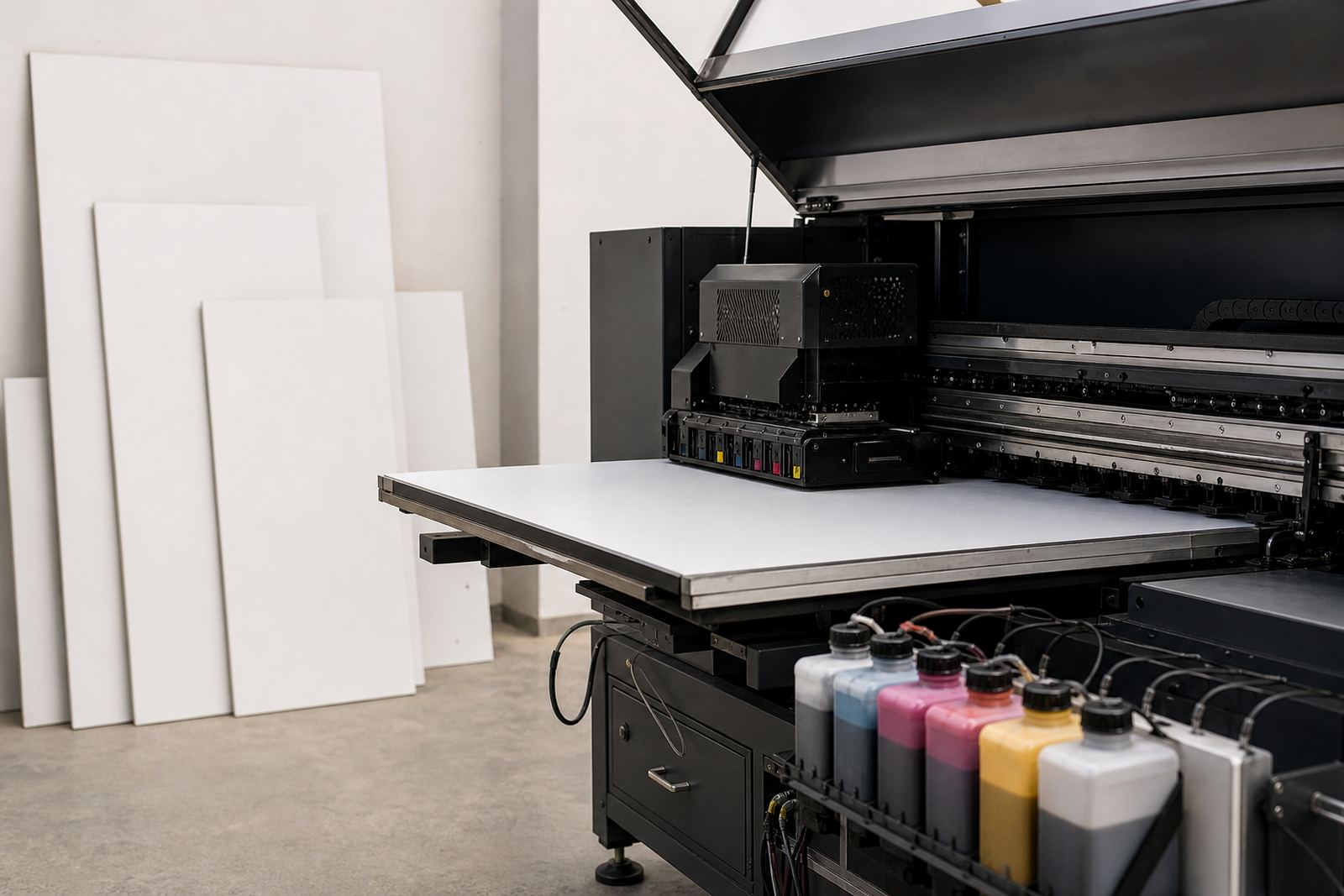
Low odour ink is normally supplied in production-ready containers that suit routine print shop use. Ordering the right size depends on how often the printer runs, the number of colours in use and whether the site is doing sample work or full production. For a busy shop, smaller packs can be useful for trial runs and colour checks, while larger packs help reduce stoppages when the machine is running daily. If the printer is shared across multiple operators, it also helps to plan around repeat order management so stock does not run short mid-job.
When ordering, confirm the colour set needed, the intended printer type and whether the job will be run on rigid boards or roll media. It is also worth checking if your team needs sample pack prep, colour trial support or remote tech help before placing a larger order. This helps avoid waste and saves time on setup. In many print rooms, the right pack size is not only about price, but about keeping production flowing when courier stock support is needed across South Africa.
- Available in production and trial order sizes depending on use
- Suitable for repeat ordering and stock planning
- Can be matched to colour trials and sample runs
- Best ordered with the print application in mind
Printer compatibility, curing and adhesion checks
Compatibility should always be checked before switching inks. UV-curable inks can behave differently on flatbed and roll printers, and even small changes in lamp strength, print speed or substrate coating can alter the result. A proper compatibility check looks at ink flow, nozzle behaviour, adhesion after curing and whether the printed surface stays stable after stacking or trimming. If the print will be folded, laminated or handled often, curing needs to be tested carefully so the surface is dry to the touch and properly fixed.
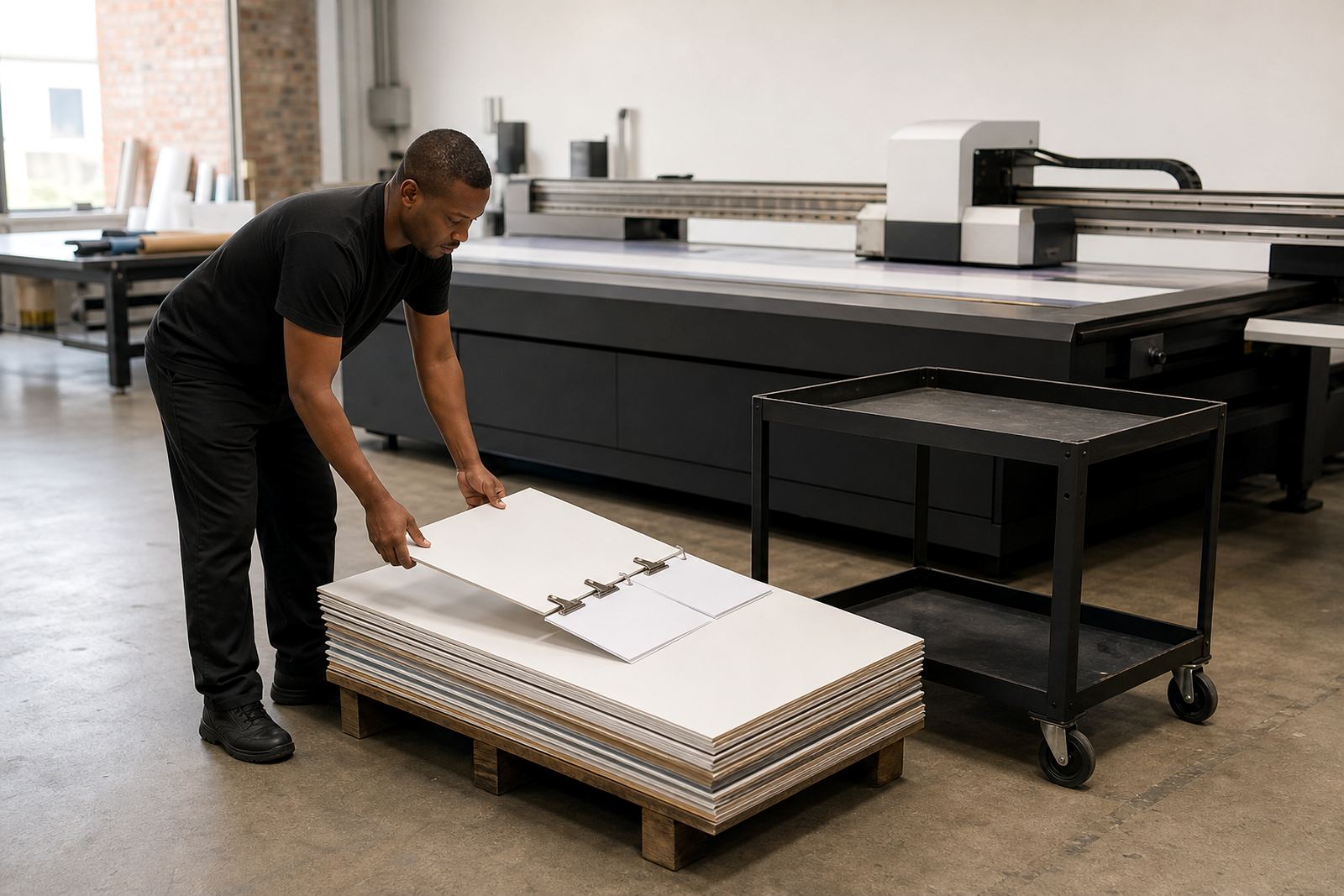
Adhesion testing is especially important on difficult surfaces such as low-energy plastics, some coated boards and smooth rigid sheets. The print may look fine at first but still fail later if cure levels or surface prep are not right. That is why curing guidance and operator training matter. A good workflow includes test strips, a small trial sheet and a check for rub resistance after curing. If the substrate or job type changes, the settings may need adjustment and that is normal in day-to-day production. A little testing at the start can prevent reprints later, which saves time and material.
- Check printer model, lamp type and print speed before use
- Test adhesion on the exact substrate being printed
- Confirm cure performance after the first trial sheet
- Review handling time before stacking, cutting or packing
Handling, safety and shop-floor care
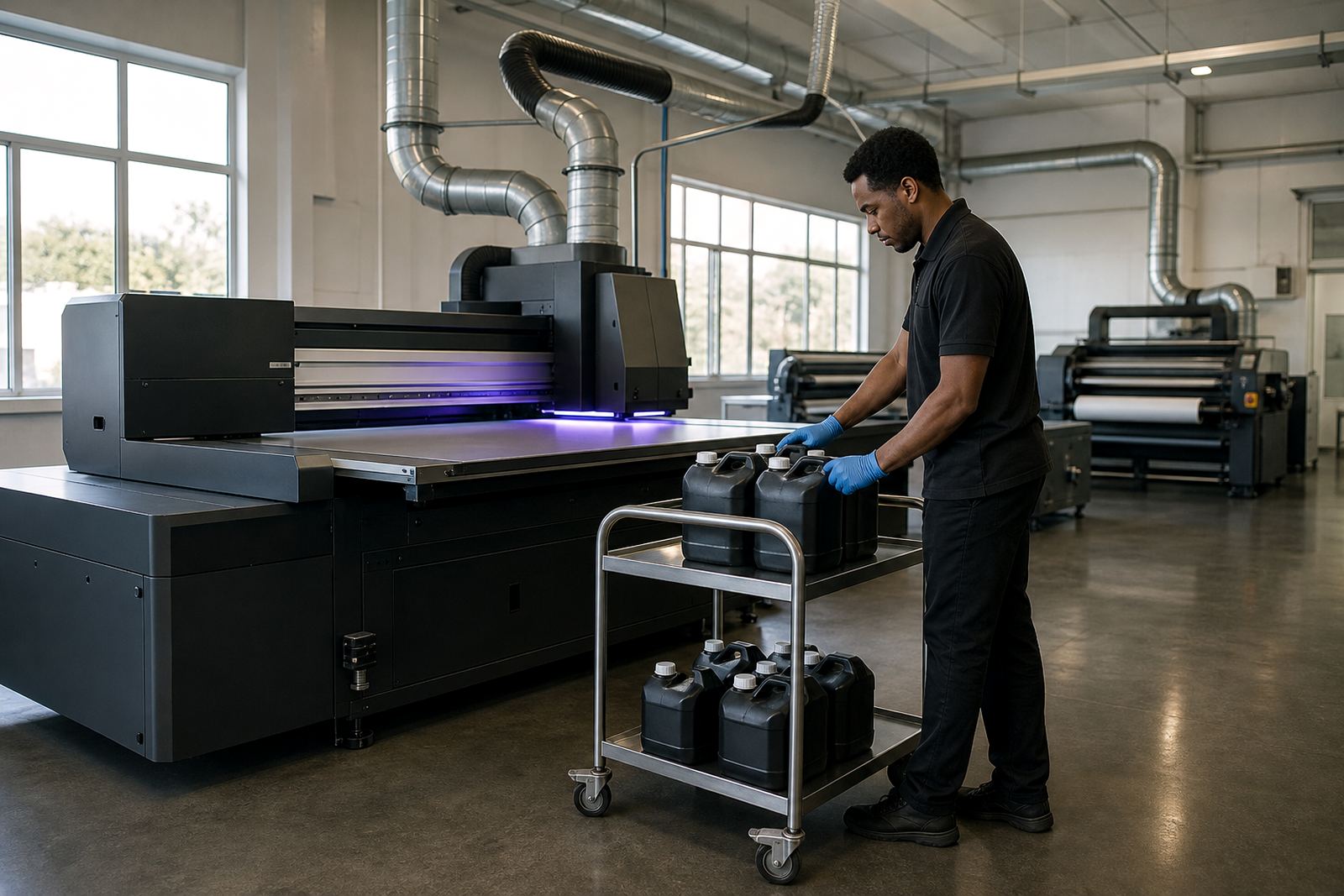
Even with a low odour formulation, UV ink should still be handled with care. Operators should follow the safety data sheet, wear gloves and keep the work area tidy. Spills should be cleaned promptly and containers should stay closed when not in use. On a practical level, that means keeping lids tight, wiping tools after use and avoiding unnecessary exposure during filling or cleaning. This is especially useful in busy shops where several jobs are moving at the same time.
Routine care also includes checking filters, heads and curing equipment at the intervals set by the printer or production team. For shops near the coast, moisture control matters as well, because damp storage can affect both the ink and the media. Proper handling keeps the product consistent and helps the printer stay ready for the next run, even when production schedules are tight.
- Read the safety data sheet before opening or decanting
- Wear gloves during handling and clean-up
- Keep containers sealed and stored in a cool dry place
Before you order ink
Before ordering, confirm the printer type, the substrate list and the finish you need. A matte or gloss result, outdoor exposure and post-print handling can all affect the best ink choice. It also helps to know whether the job needs white, process colours or spot colour support, since that affects compatibility checks and stock planning. If your team prints for signage, graphics or packaging, share the intended use up front so the right guidance can be given from the start.
For new users, it is wise to request colour trial support, sample pack prep and a short operator briefing before full production. If the job will run in a shop that already has a fixed workflow, remote tech help can be useful for confirming curing settings and handling steps. One small check now can prevent problems later, especially on repeat work where consistency matters. Make sure your team knows the storage space, the expected monthly usage and the delivery area so courier stock support can be arranged without delay.
- Printer model and ink system
- Substrate type and surface finish
- Required colour set and pack size
- Expected cure method and handling time
Ink data
| Ink type | Low odour UV-curable ink |
|---|---|
| Printer use | Flatbed and roll-to-roll printers |
| Curing method | UV lamp or UV LED, depending on machine setup |
| Best use | Signage, graphics, packaging and sample work |
| Handling | Wear gloves and follow the safety data sheet |
| Supply area | Epping, Cape Town with courier delivery across South Africa |