
Why short run printing needs a different ink choice
Small production jobs can be tricky because there is less room for waste. When you are printing a few boards, a limited signage order, or a short packaging run, the ink has to cure properly, hold detail, and stay stable even if the job is repeated a week later. Short Run Ink is made for that kind of work, where setup efficiency and repeatable output count just as much as colour strength.
UV-curable ink cures when exposed to UV lamps, so the print dries almost immediately on the media surface. That helps reduce smudging and shortens handling time, which is useful when you are moving between jobs in a busy workshop in Cape Town, Johannesburg or Durban.
For short production batches, consistency matters more than chasing large volumes. This ink is selected to support stable flow, clean image edges, and adhesion on common rigid and flexible substrates. It is practical for printers who need neat results without adjusting the whole setup for every small order.
Printer compatibility and where it works best
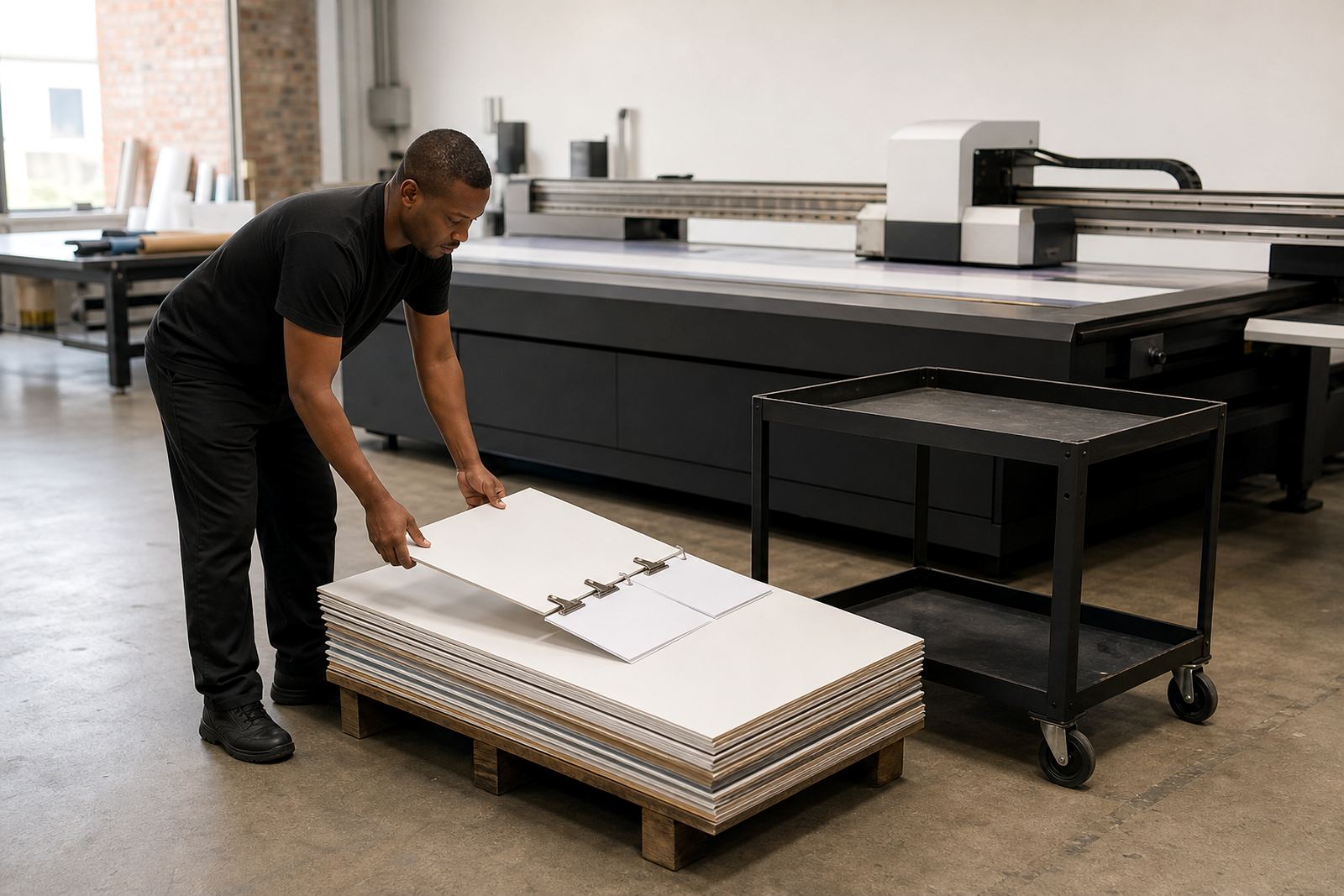
Short Run Ink is intended for UV flatbed and roll-to-roll printers that are set up for UV-curable ink systems. Compatibility should always be checked against the printer model, head type, ink path materials, and curing setup before a new batch is loaded. A good match on paper is not enough, the system has to handle the viscosity and curing behaviour as well.
This product suits a wide range of short run work:
- Signage panels and point of sale boards
- Short packaging samples and mock-ups
- Decorative graphics and display items
- Rigid boards, coated media and selected flexible substrates
- Small repeat orders where colour matching needs to stay steady
If you are printing coastal work in Gqeberha, or handling jobs in humid storage conditions along the coast, you may need to test adhesion and curing carefully. Surface prep, lamp output and media condition all play a role. A fresh board that has been cleaned properly can behave very differently from one that has picked up dust or moisture in storage.
Sizes, options and batch planning
For short run production, packaging and handling are easier when the ink is ordered in the right format. Available container sizes can be matched to your daily output, your machine consumption, and how often you want to open new stock. Smaller batches are often preferred by workshops that run mixed jobs and do not want old stock sitting for too long.
Typical planning points include the following:
- Single-colour or mixed-colour usage on smaller jobs
- Shorter shelf rotation for active production rooms
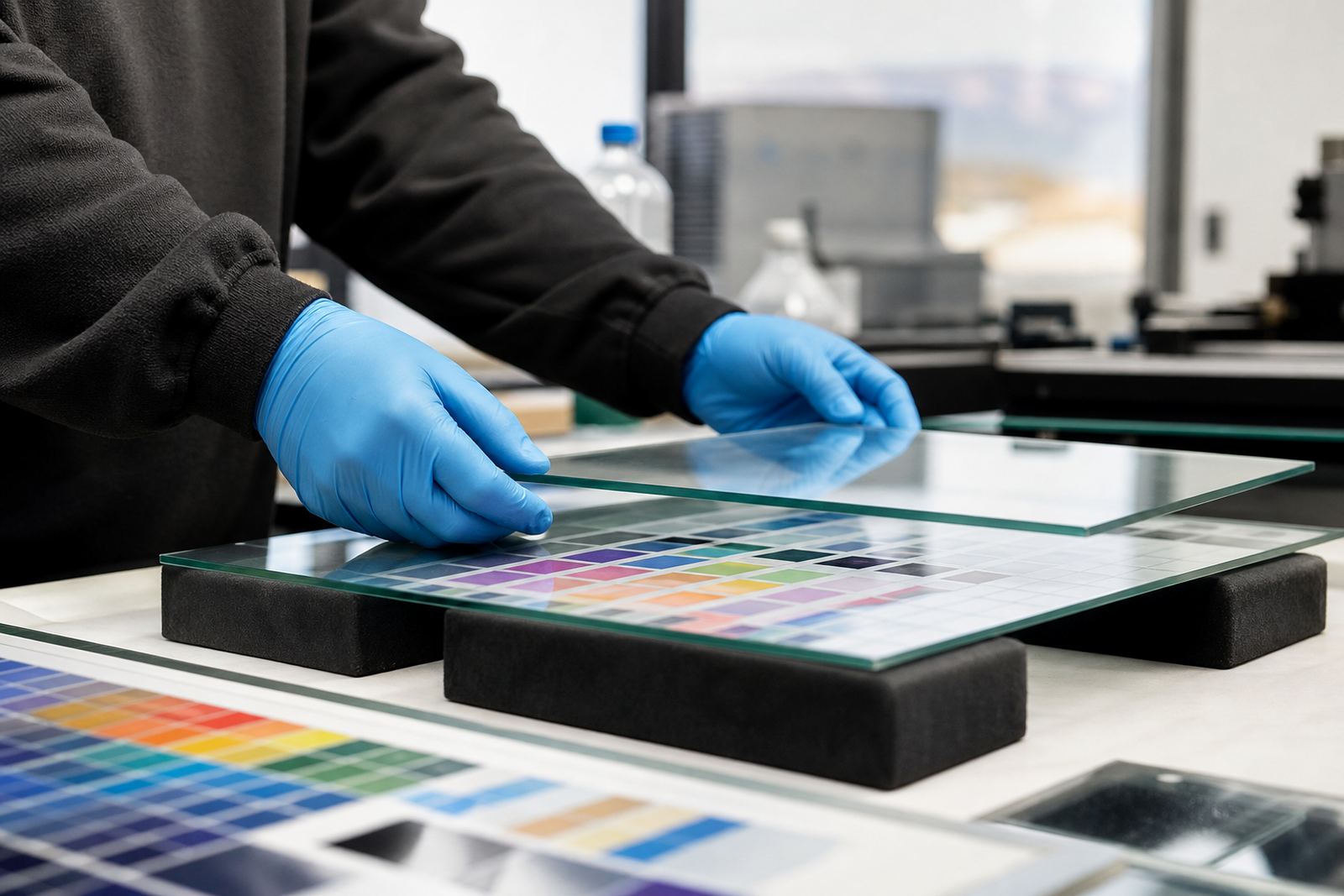
- Trial quantities for testing adhesion and curing on a new substrate
- Repeat order planning for consistent job repeats
When you order, it helps to know your average square metres per week, whether the printer runs daily or only on certain days, and if your stock room gets hot in summer. A bottle or container that is right for a busy shop in Epping may be too much for a smaller site in Paarl, especially if the turnaround is slower. Keeping the opening dates and batch details visible on the shelf is a simple way to avoid confusion, and it saves time later.
Curing setup and lamp checks
UV ink does not need heat drying in the usual sense, but it does need the correct curing system. The printer must have lamps or a curing arrangement matched to the ink and the print speed. If the lamps are too weak, curing can be incomplete. If they are too strong or too close, the media can overheat, warp, or become brittle. Balance is important.
Check lamp status, ink circulation, nozzle health and test prints before returning to full production. That extra minute can save a lot of material.
- Confirm that the ink is approved for the printer’s UV system
- Check the line flush status before loading a new batch
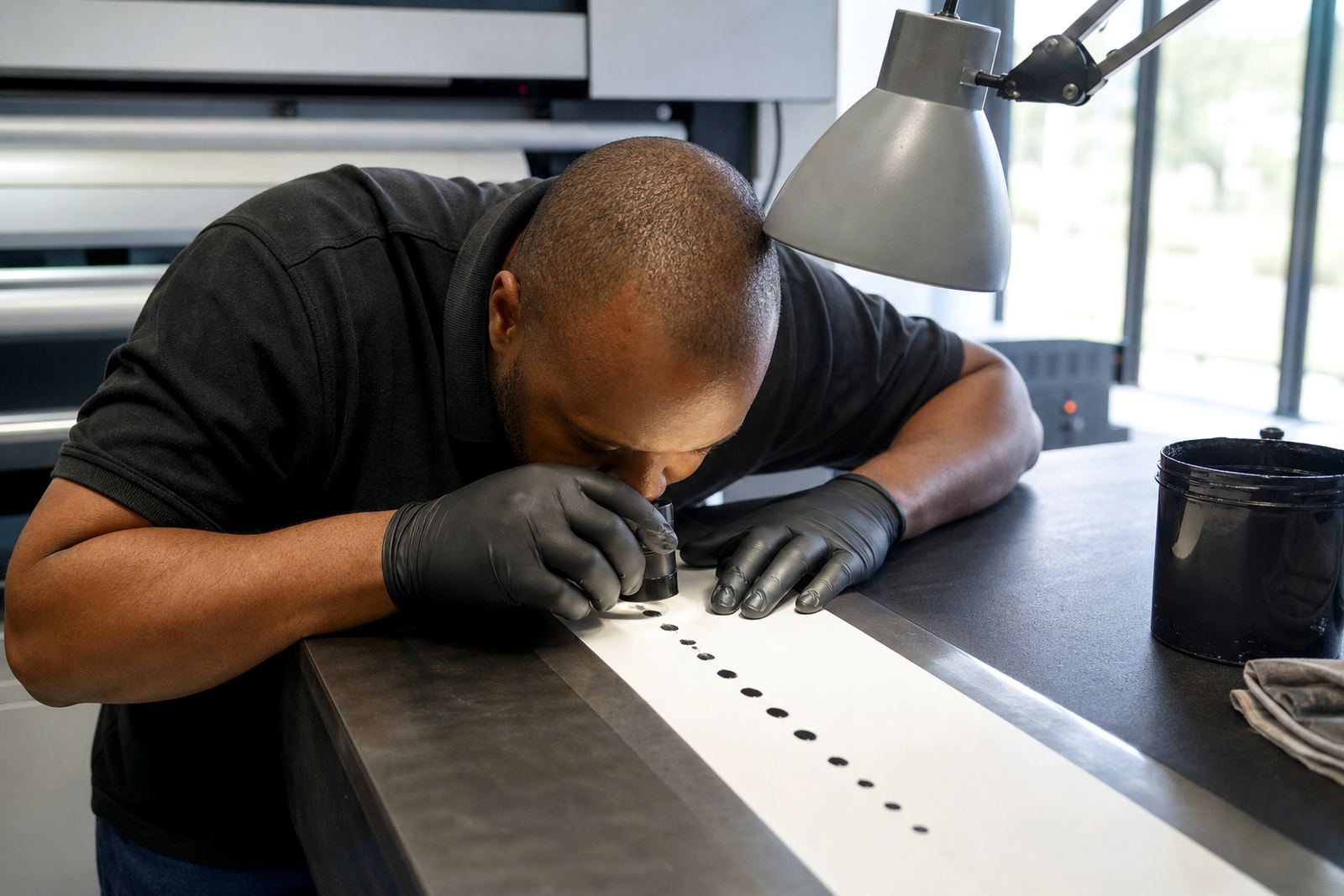
- Run a small test print and check cure and adhesion
- Keep the print room clean and free from dust, especially on open flatbed work
- Allow proper ventilation around the machine and lamps
Using the ink on press
UV-curable inks should be stored with care and handled with simple shop-floor discipline. Keep containers sealed when not in use, protect them from direct sun, and store them in a cool dry space away from dust and heat. In coastal areas, extra care is useful because humidity can affect media and storage conditions. It also helps to keep caps clean so that dried residue does not affect pouring or mixing.
Keep an eye on filters, heads, wipers and the curing setup. If prints begin to show weak adhesion, poor gloss, or a dull finish, do not assume the ink is at fault immediately. Check the lamp output, media surface, printer settings and any recent change in stock first.
Always follow the safety data sheet for the product and wear gloves when handling inks or cleaning up spills. Even routine handling deserves attention, especially in a busy workshop where several people may share the same machine. A quick safe handling briefing for new operators can prevent avoidable mess and skin contact.
Before you order ink
Before ordering Short Run Ink, it helps to confirm the basics so the supply matches the job. The right ink saves time, reduces test waste, and helps the printer stay productive during short production windows. If you are planning courier delivery to Pretoria, Durban, Johannesburg or Gqeberha, make sure the order matches the stock you need for the next production cycle.
Useful ordering checks include:
- Printer model and print head type
- Whether the machine is flatbed, roll-to-roll, or both
- Substrate type and surface finish
- Expected job size and weekly usage
- Required colour matching or repeat job consistency
- Any previous adhesion or curing issues
If you are weighing up options, use the contact form and tell us about the printer, media and ink set involved. Our team in Epping, Cape Town can help with ink selection, compatibility checks, adhesion testing, curing guidance, sample pack prep, production planning, operator training and remote tech help. For many shops, that support is what keeps short run work moving without unnecessary stops.
Short run specs that matter on press
Short Run Ink is chosen for practical production, not for showy claims. These are the details that usually matter when the job is live and the machine is running.
- Type: UV-curable ink for flatbed and roll-to-roll printers
- Curing method: UV lamp or compatible UV curing system
- Use case: smaller production batches and repeat short runs
- Compatibility: must be checked against printer, head and media
- Handling: sealed storage, clean pouring and glove use
- Support: sample checks, adhesion testing and cure guidance available
For operators in Bellville, Paarl and the greater Cape Town area, the aim is simple: get the right ink, get it cured properly, and keep the job moving. That is the difference between a smooth short run and a day of stop-start printing.
Ink data
| Ink type | UV-curable ink for short run production |
|---|---|
| Printer use | Flatbed and roll-to-roll UV printers |
| Curing | UV lamp curing with correct exposure and speed settings |
| Best suited to | Smaller batches, repeat orders, sample work and mixed jobs |
| Handling | Store sealed, keep out of sun, wear gloves and follow the safety data sheet |
| Support services | Compatibility checks, adhesion testing, curing guidance and operator training |