
What Matte Finish Ink Does on Press
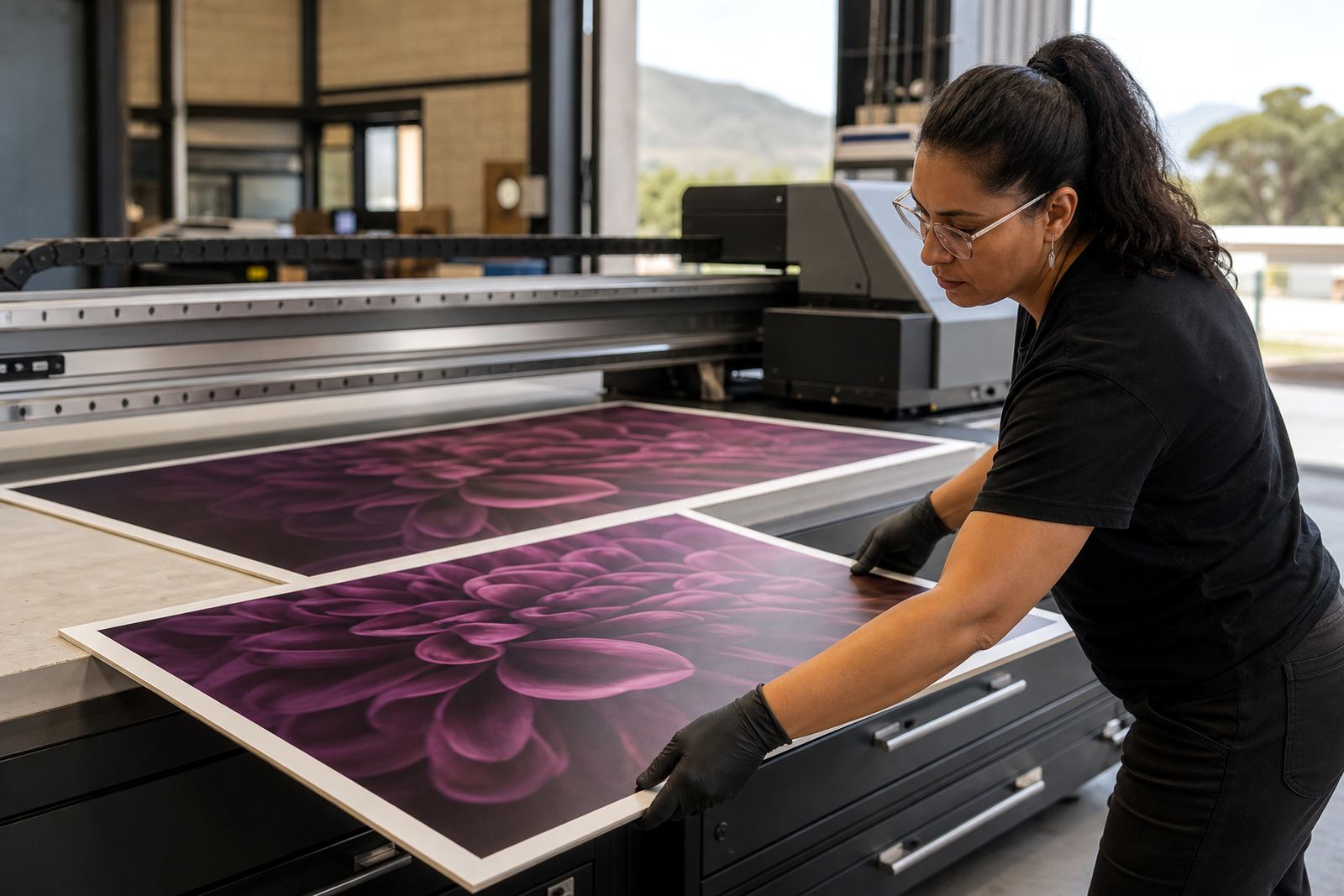
Matte Finish Ink is made for applications where a low-sheen finish is preferred over a glossy surface. After printing, the ink is cured with UV light so the image sets quickly and is ready for handling soon after the print pass. That makes it suitable for busy production floors where turnaround matters and where sheets or rolls cannot sit around waiting for drying time.
The softer finish helps reduce glare under indoor lighting, shopfront lights and strong daylight, which is useful for display work, packaging mock-ups, interior branding and information graphics. It is still important to match the ink to the substrate and the curing setup, because adhesion and final appearance depend on the full system, not just the ink alone. If your materials vary between rigid boards, flexible films or coated papers, do a small trial first so you can confirm how the surface reads under real conditions.
For teams in Epping, Cape Town and across South Africa, this type of ink is a practical choice when the brief calls for a more restrained finish without losing sharp detail. It is often selected where reflection is a problem or where a cleaner, less shiny visual effect is needed.
Sizes, Pack Options and Printer Setups
Matte Finish Ink is typically supplied in practical production sizes for day-to-day use, with options that suit smaller test runs as well as repeat volume work. Exact pack formats depend on the printer system and the intended output mix, so it is worth confirming container size, colour set and any flushing or priming requirements before ordering. For some shops, the right choice is a compact sample pack for trials. For others, it is a working stock order sized for regular production.
- Suitable for flatbed printers used on rigid boards and panels
- Suitable for roll-to-roll printers used on flexible media and banners
- Can be matched to common UV printer workflows where curing is done inline
- Useful for test panels, proof runs and production batches with low glare requirements
Printer compatibility should always be checked against the machine type, ink channel setup and the material being printed. Some media absorb or anchor ink differently, so the same setting that works on one board may not hold up on another. If you are moving from a gloss finish to matte, allow time for test prints and a quick operator check, especially if your team works with mixed stock in the same shift.
Where the Finish Works Best
This product suits signage, graphics and packaging work where a calm surface appearance is part of the brief. It is often chosen for retail displays, exhibition panels, point-of-sale graphics, decorative panels, short-run cartons and work that will be viewed at close range. Because glare is reduced, text and fine detail can be easier to read in bright conditions.
It can also be a strong option in offices, showrooms and public spaces where overhead lighting or glass causes reflections. On coastal jobs in places like Cape Town, Durban or Gqeberha, the environment can be humid and that means substrate choice matters even more. A clean print still depends on good surface prep, correct curing and the right material for the application. If the board is dusty, greasy or uneven, the adhesion can suffer.
For outdoor work, always consider the full exposure profile. Sun, wind, salt air and temperature swings can change how a print behaves over time. Matte finish may help with appearance, but it does not replace proper material selection or finishing where the job needs extra protection.
Lamp, media and adhesion checks
UV-curable inks need the correct curing energy to set properly, so the printer lamp or LED unit must be matched to the ink and pass speed. If curing is too light, the surface can stay soft or tacky. If it is too strong, colour and surface behaviour can shift. The best setting is the one that gives full cure without overheating the media. That is why a short trial run on your actual stock is worth the time.
Good adhesion starts with a clean substrate, the right ink laydown and the correct cure. Some materials need a primer or a surface treatment, while others print well after a simple wipe-down.
- Check lamp or LED output against the ink and media
- Confirm whether your media needs pre-treatment, primer or cleaning
- Keep the print room ventilated and free of dust
Storage and shelf life
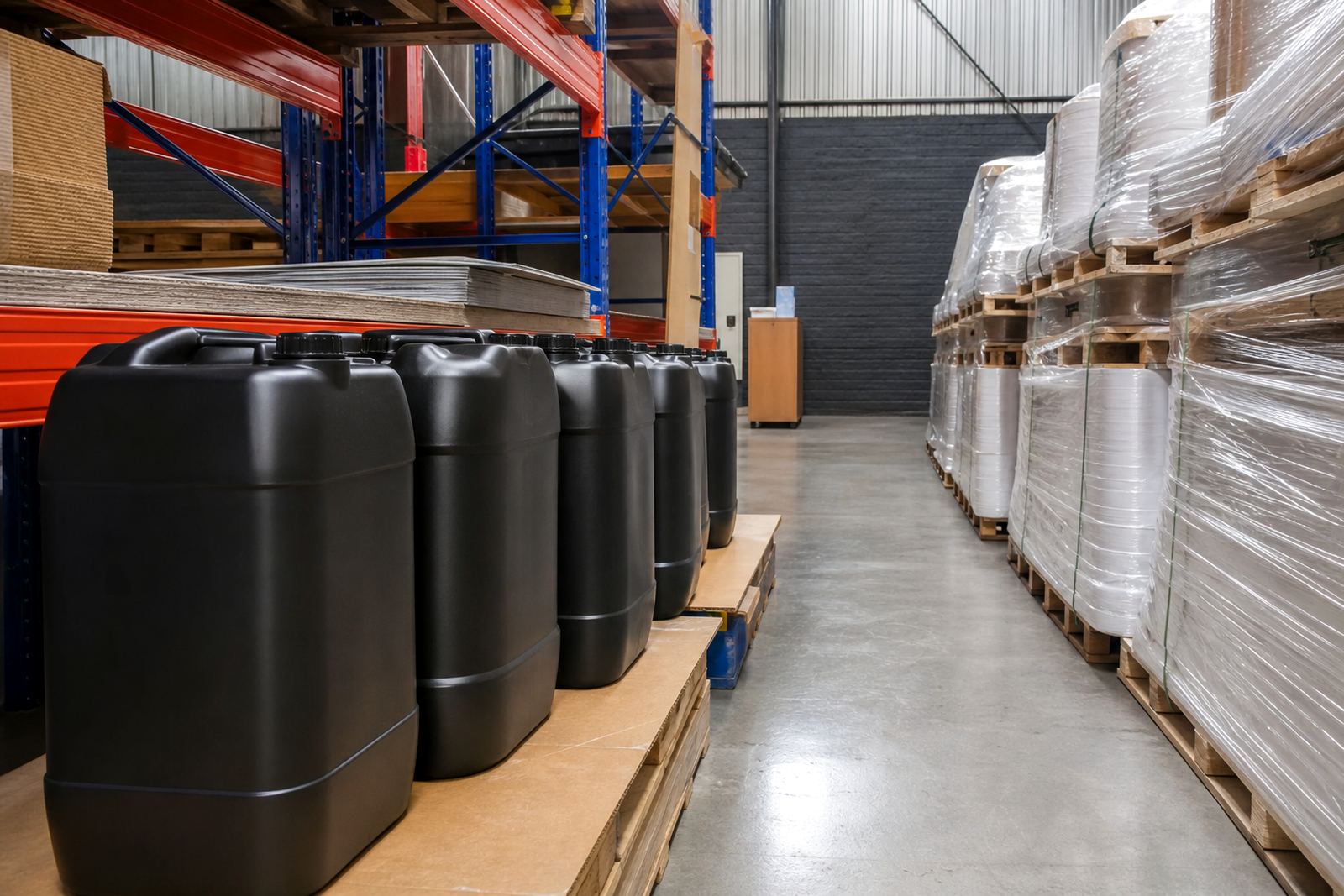
As with any UV-curable product, follow the safety data sheet and wear gloves when handling ink, cleaning parts or dealing with spills. Keep lids closed when the product is not in use and store containers in a cool, dry place away from direct sun. The handling area should be tidy, because dust and stray fibres can affect print quality and lead to extra cleaning on the machine.
Wipers, caps, lines and heads need attention according to the printer schedule, especially in a busy shop that runs mixed jobs through the week. If a printer sits idle for long periods, check the flushing routine before the next production run. This is even more important when the shop is using different media types and switching between jobs with different cure requirements. A small issue left too long can become a costly stoppage.
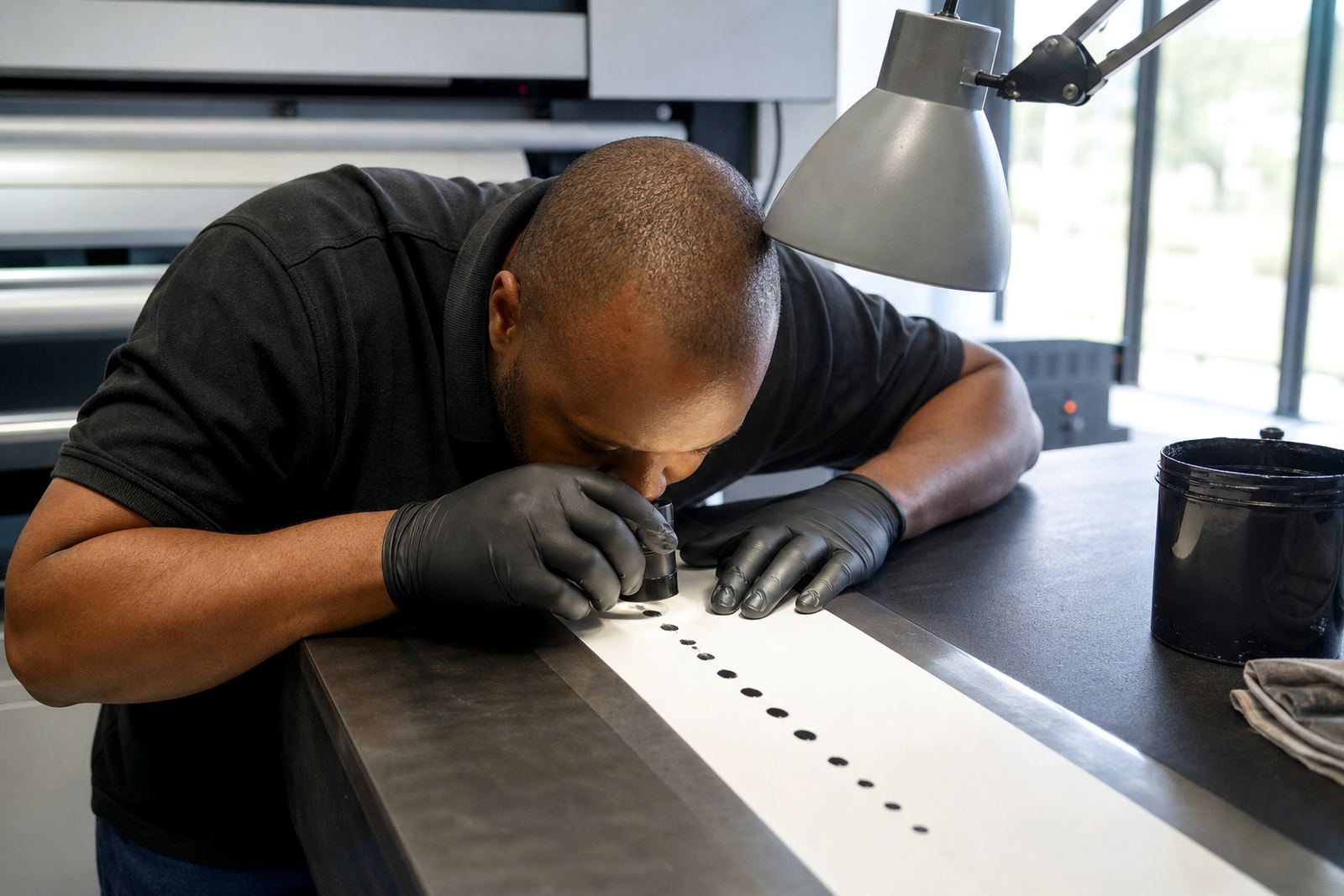
Operators should know how to spot early signs of poor cure, such as smudging, weak bonding or an uneven finish. If that happens, check the media, the print speed and the curing settings before assuming the ink is the issue. A simple change in environment such as temperature or humidity can shift the result too.
Before you order ink
Before ordering Matte Finish Ink, confirm the printer model, the colour set required and whether you are printing on rigid boards, flexible roll stock or both. It also helps to note the substrate type, the intended use and whether the job will be handled indoors or outdoors. That information lets the team check compatibility and advise on the right trial path. If you need sample pack prep or colour trial support, ask for that early so the workflow is clear from the start.
You should also confirm the job size, how often you repeat the order and whether you need courier stock support to Epping, Johannesburg, Durban, Pretoria or Gqeberha. For larger production plans, repeat order management and production planning can save time. If your operators need a refresher, ask for training support before the next run. It is better to sort the setup upfront than to discover a mismatch after the first batch has already moved through the machine.
- Printer type and ink channel setup
- Substrate material and surface treatment needs
- Required finish, colour behaviour and curing style
- Order size, repeat frequency and delivery destination
Clients can reach us through the enquiry form on the contact page for compatibility checks, pricing support requests and follow-up questions. We supply from Epping, Cape Town with We courier UV ink to Cape Town, Johannesburg, Durban, Pretoria, Gqeberha and other centres.
Ink data
| Finish | Matte, low-glare appearance |
|---|---|
| Ink type | UV-curable ink |
| Compatible printers | Flatbed and roll-to-roll UV printers |
| Typical use | Signage, graphics, packaging and display work |
| Curing | Inline UV curing with correct lamp or LED setting |
| Handling note | Follow the safety data sheet and wear gloves |