
UV Banner Ink for Flexible Signage Work
Banner ink is used on PVC banner, scrim banner and other flexible sign media where the print must bend, roll and hang without cracking too quickly. UV-curable ink is exposed to UV lamps or LED curing units during printing, so it dries and sets almost immediately instead of waiting for solvent to evaporate. That helps keep production moving, especially on urgent jobs for site branding, events and temporary promotions.
For Epping workshops, road-side installers and sign makers sending work across Cape Town, Johannesburg, Durban, Pretoria and Gqeberha, this matters when turnarounds are tight. The right banner ink should give reliable colour, decent outdoor durability and enough flexibility for winding onto a core or folding for delivery, but it still needs the correct settings and media pairing to perform properly.
UV Ink supplies banner ink for flatbed and roll-to-roll systems, with support for compatibility checks and production planning when your job needs a specific finish or curing approach.
How It Cures on Banner Media
UV-curable ink contains photo-reactive components that harden when exposed to the correct UV energy. On banner stock, the challenge is balancing cure speed with flexibility. If the ink is under-cured, it can stay tacky, mark easily or transfer when stacked. If it is over-cured, the print can become too brittle and may crack at folds or eyelets.
Good curing depends on lamp output, pass count, carriage speed, ink laydown and the condition of the media. On a roll-to-roll machine, banner media should run straight with even tension. If the heater settings are too high or the media is pulled too hard, you can get distortion at the edges. That is why curing guidance matters as much as the ink itself.
In coastal areas like Cape Town and Gqeberha, humidity can affect storage and handling. Keep rolls dry, sealed and out of direct sun before use. In warmer inland sites, room temperature and dust control also help keep the print consistent. A quick adhesion test on the actual banner stock is always worth the time, especially on mixed production days.
Sizes, Colours and Production Options
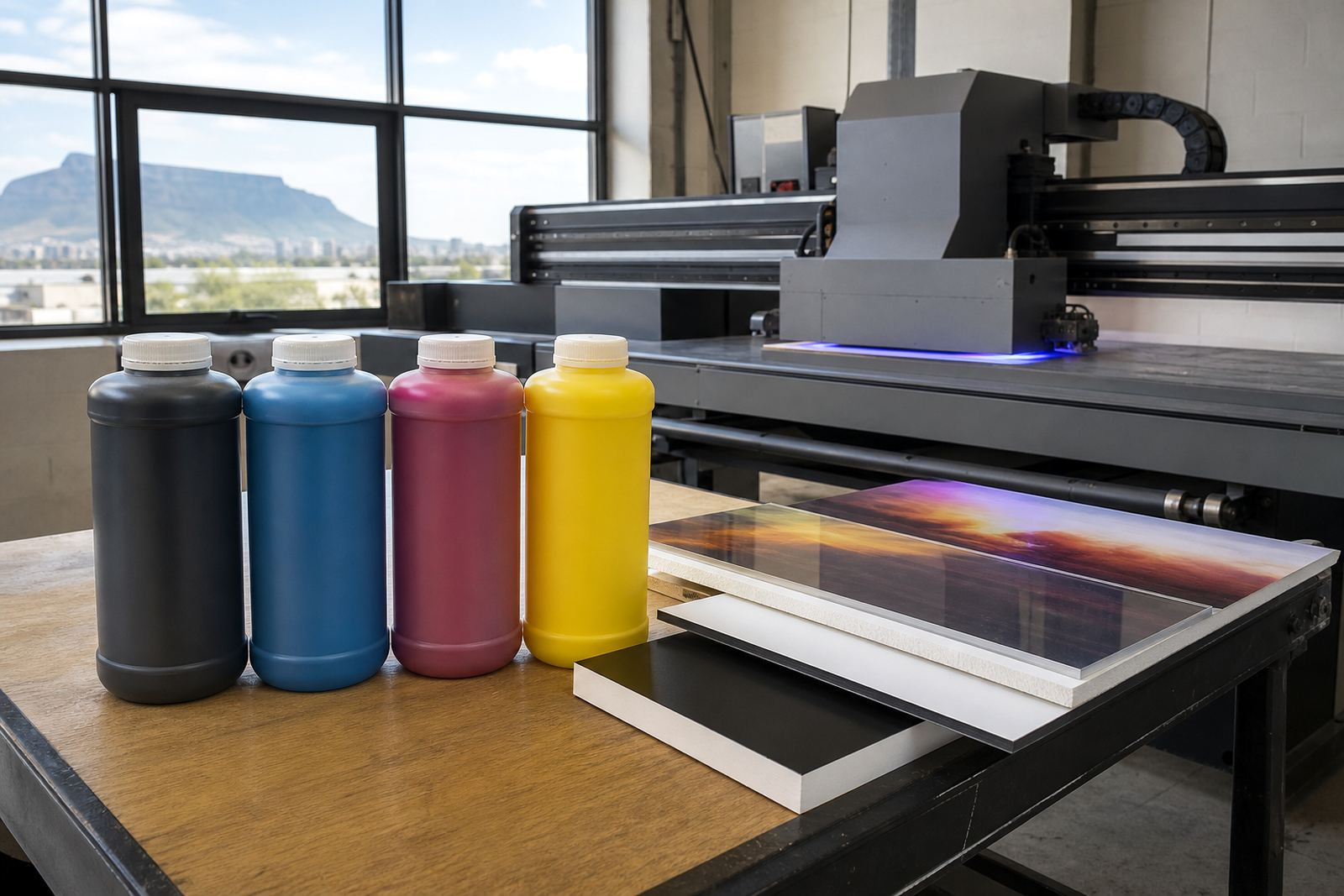
Banner ink is usually supplied in working formats suited to shop-floor use, such as bulk containers for refill systems or print-specific cartridges where the machine requires them. The exact option depends on your printer model, ink path and colour configuration. Some shops run CMYK only, while others use light colours or white where the media and application call for it.
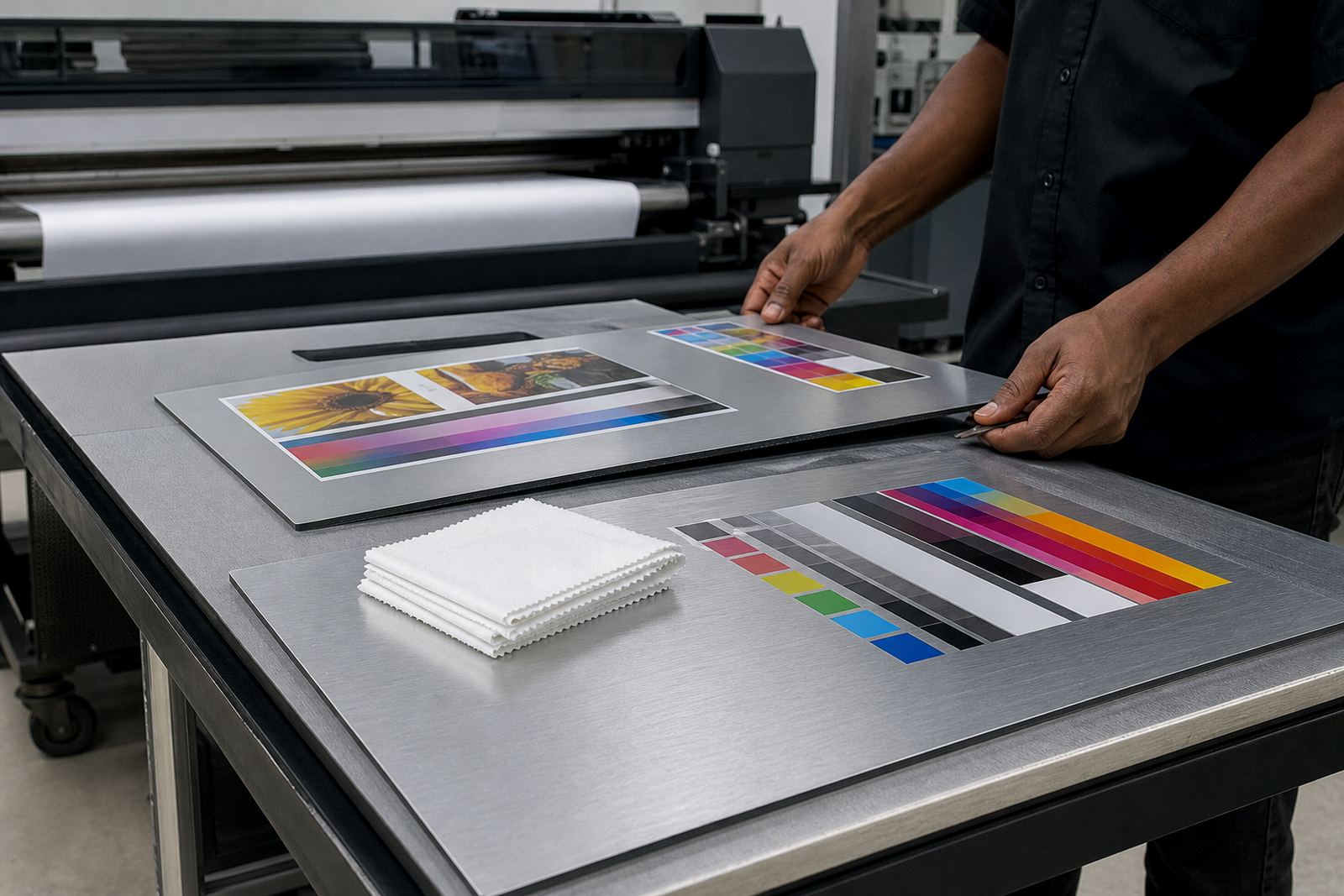
For most banner work, the aim is straightforward: strong colour, smooth laydown and repeatable output from one run to the next. If you print outdoor advertising, event drops, construction notices or short-term retail banners, you may want a setup that balances colour punch with flexibility. Where the print is expected to be folded or transported often, a slightly softer cure profile can help. Not every media behaves the same, so sample pack prep and colour trial support can save time.
We help customers check whether their printer, head type and media combination is suitable before a full order goes out. That is especially useful if you are switching from another ink line or using a new banner stock from your supplier.
Where Banner Ink Works Best
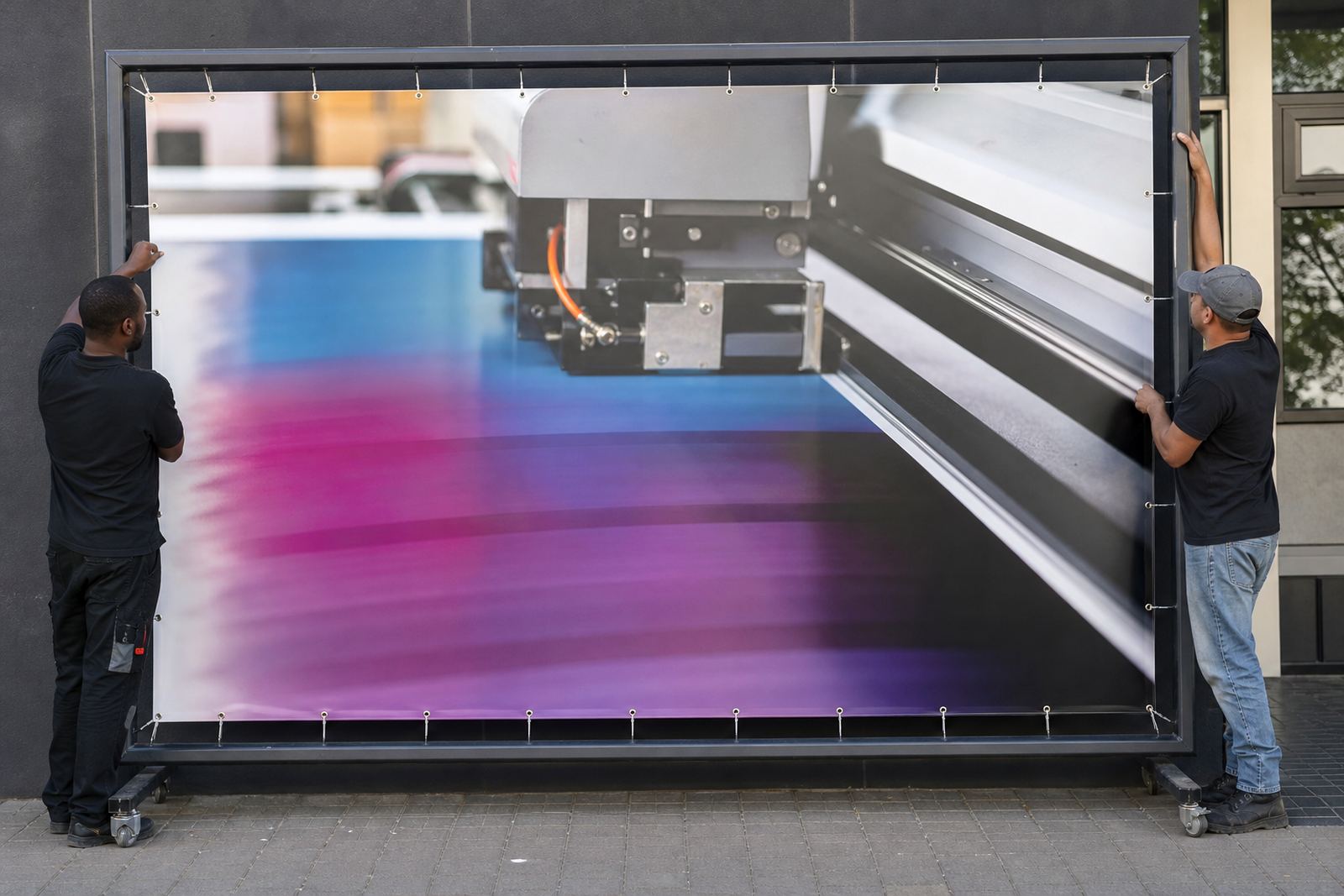
This product suits banner media used for fence wraps, building notices, shopfront specials, stage backdrops and event signage. It is also useful for short-term outdoor work where speed matters and the print needs to go out the same day or next day. For indoor use, it can still be a good choice when the job needs flexible handling and clean colour on a low-glare surface.
Flatbed printers can be used on some banner applications when the material is supported correctly and the machine accepts the sheet size. More often, roll-to-roll printers are the preferred option for banners because they handle long runs and continuous output better. If your operation runs in a busy production environment, the consistency of the feed, drying and take-up system is just as important as the ink formula.
We work with clients on compatibility checks before dispatch, because banner stocks vary in coating, thickness and surface feel. A print that looks fine on one roll may behave differently on another, so checking first helps avoid wastage and rework.
Curing setup and lamp checks
When installing new banner ink, flush and prime the line according to the machine requirements, then run a small test file before moving into production. Keep the ink at the recommended room temperature and avoid topping up with unknown material, even if the colour looks similar. Mixing incompatible products can cause blockage, poor adhesion or head issues.
Stable storage, clean fill practice and a simple start-up checklist can prevent a lot of downtime. If you need remote tech help, our team can talk through the basics and help you spot the likely cause when a print is not curing as expected.
Loading and handling the ink
UV banner ink should be handled with care. Follow the safety data sheet for the product you are using, wear gloves and avoid direct skin contact. Keep the caps sealed when containers are not in use, wipe spills promptly and store all ink away from food, heat and direct sunlight. Good handling protects both the operator and the printer.
Check dampers, lines, filters and heads as part of normal maintenance so dried residue does not build up. Cleanliness around the printer is important in coastal areas where moisture and dust can travel through an open workshop, and it matters just as much in busy inland shops where production runs all day.
If prints are coming out with uneven gloss, poor adhesion or weak colour on one side, the issue may be media, curing or head health rather than the ink alone. A careful test strip can narrow it down quickly. We also offer safe handling briefing and operator training for teams that want a clear routine from the start.
Before you order ink
Before you place an order, check your printer model, head type, ink delivery system and the banner media you intend to use. Also confirm whether you need CMYK only or a different colour setup, and whether the job must be rolled, folded or shipped soon after printing. If the application is outdoors, ask about the expected exposure and whether the finished banner will be stitched, welded or eyeletted.
It also helps to know your usual production pace. A fast-moving shop in Johannesburg may need stock support and repeat order management, while a coastal client in Durban or Gqeberha may want more attention to storage and humidity. For municipal and site work, check whether the banner will be installed in line with the client’s rules and timing, because some jobs need removal dates or display approvals.
Send through the details on our enquiry form and we can help with ink selection, compatibility checks, adhesion testing and curing guidance. That gives you a better chance of getting the first run right and keeps the rest of production moving without guesswork.
Ink data
| Product type | UV-curable banner ink for flexible media |
|---|---|
| Compatibility | For suitable flatbed and roll-to-roll printers, subject to check |
| Curing method | UV lamp or LED curing, depending on the printer setup |
| Typical use | Outdoor and indoor banner printing, promotional graphics and flexible signage |
| Handling | Use gloves and follow the safety data sheet |
| Supply areas | Epping, Cape Town and courier delivery across South Africa |