
Why label stock ink needs the right cure
Label stock puts ink through more handling than many other print jobs. Sheets and rolls are trimmed, laminated, rewound, slitted and packed, so the ink must cure properly and hold well on the face stock without cracking or rubbing off. UV-curable label stock ink is made to cure under the right UV output, then bond to common printable label materials used in product identification, short-run packaging and promotional labels.
For busy print rooms in Epping, Bellville or Paarl, the main concern is not only colour on the first pass but what happens after the print leaves the machine. Labels may meet finger contact, light moisture, chilled storage or courier movement. A good cure helps the printed surface stay intact and the ink sits cleanly on the substrate instead of lifting at the edges or smudging during post-processing. Small setup changes can make a big difference, so it is worth checking the substrate, lamp output and feeder speed together.
Where this ink suits best
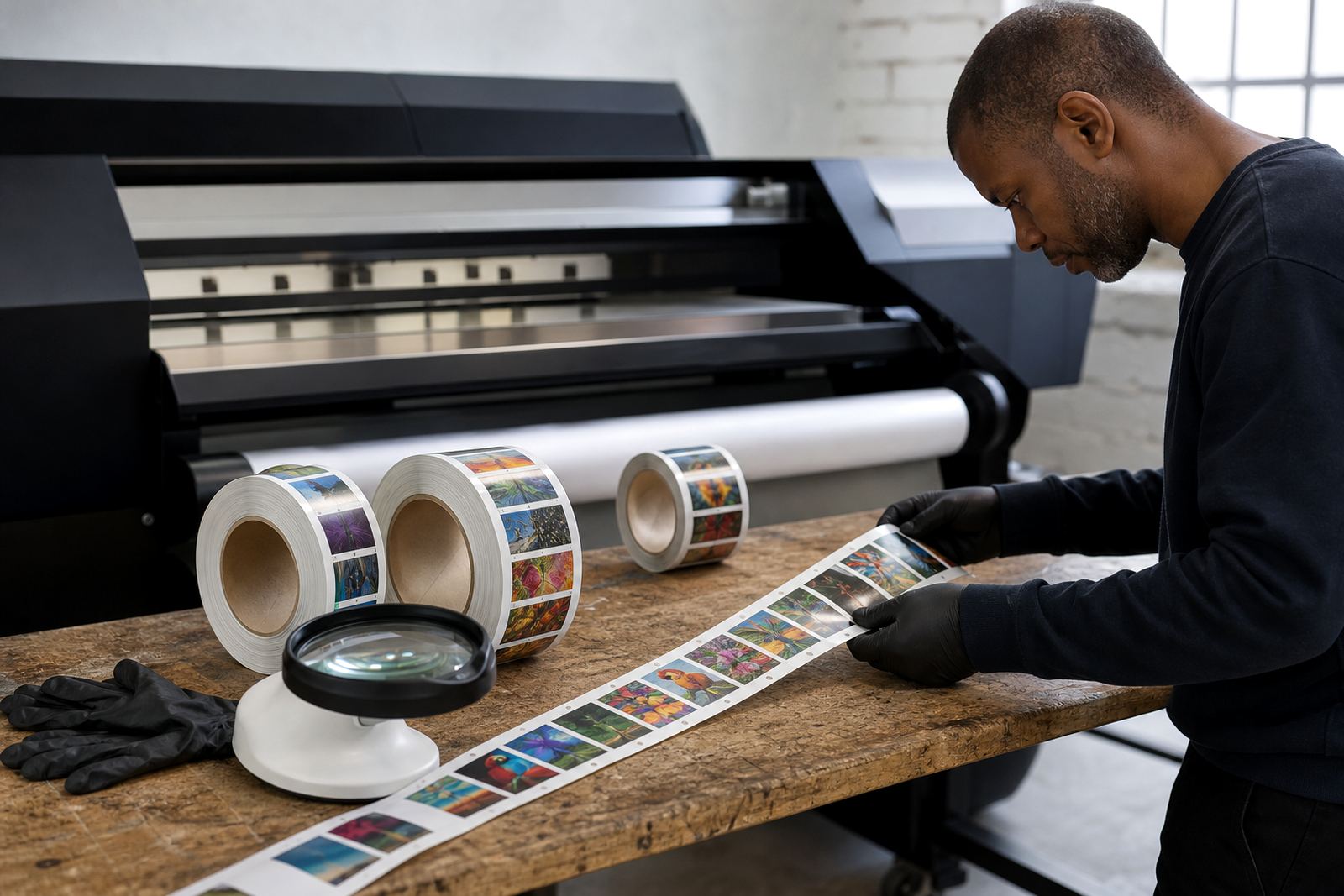
This product suits printable label stocks used on flatbed and roll-to-roll printers for short-run packaging, bottle labels, carton labels, barcode labels and product identification labels. It works well for jobs where the print must look clear and consistent on coated or treated label materials, with enough adhesion for cutting and application after curing.
- Paper label stock for dry indoor use
- PP, PET and other synthetic label films
- Short-run product labels and promotional stickers
- Variable-data label work with codes, batch details or dates
- Label production for retail, food, cosmetics and general packaging
If your work includes coastal humidity in Durban or fast turnaround packing in Johannesburg, it helps to keep the print path, take-up and finishing line steady. Label stock can move quickly through the shop, so consistent curing and clean handling matter more than fancy settings.
Sizes, packaging and order options
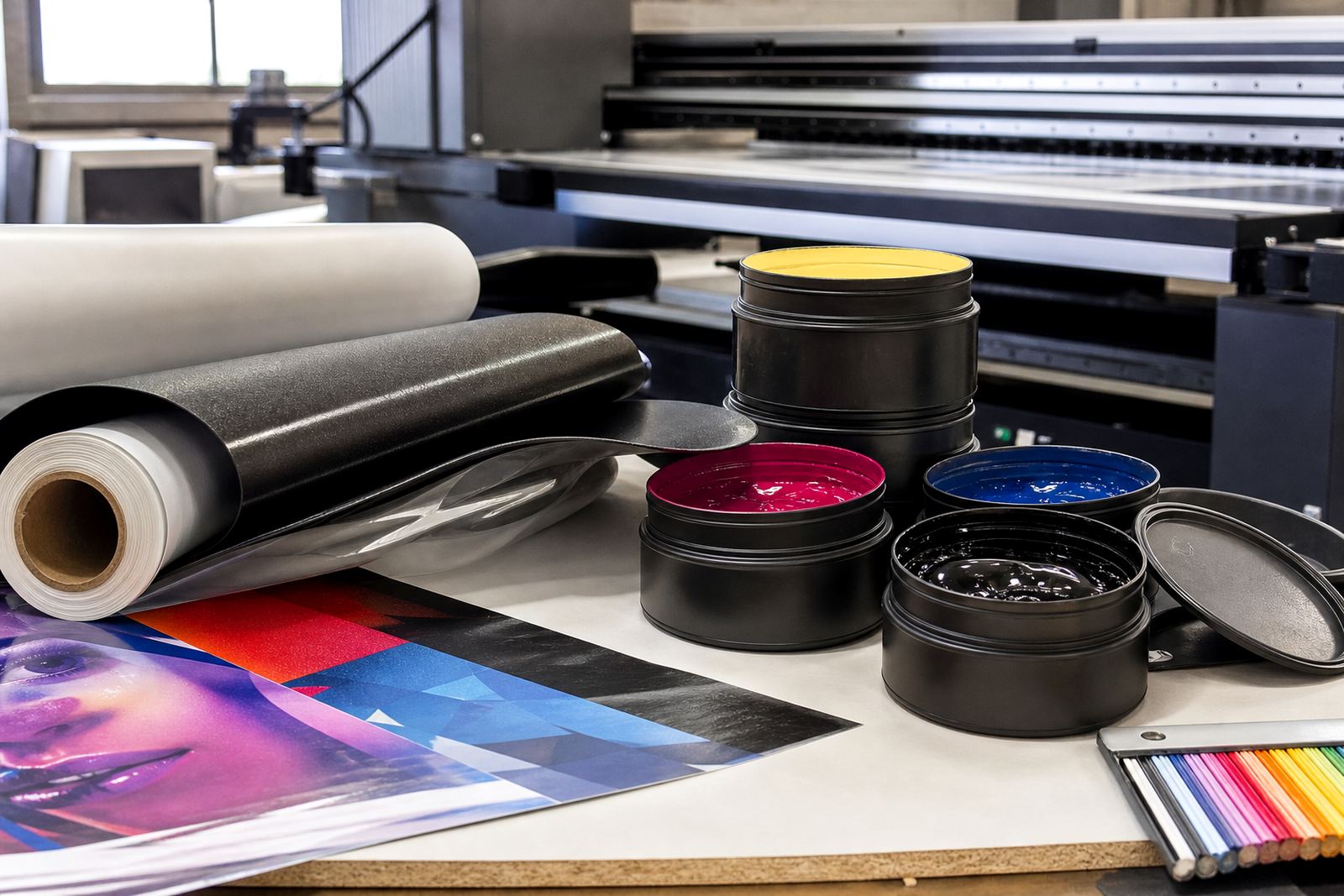
Label Stock Ink is generally supplied in production-ready containers suited to day-to-day print use. Common ordering options include smaller trial quantities for colour and adhesion checks, and larger working volumes for ongoing production. The right option depends on your print volume, the number of label materials you run, and how often you change jobs.
- Trial packs for compatibility checks and colour approval
- Working packs for regular production runs
- Single-colour and multi-colour production supply options
- Sample pack preparation for new label materials
- Repeat order management for steady stock planning
When you enquire through the contact page, it helps to share the printer type, the label face material, whether the job is cut sheet or roll fed, and the finish you need. That makes it easier to narrow the ink choice before stock is dispatched from Cape Town.
Curing setup and printer checks
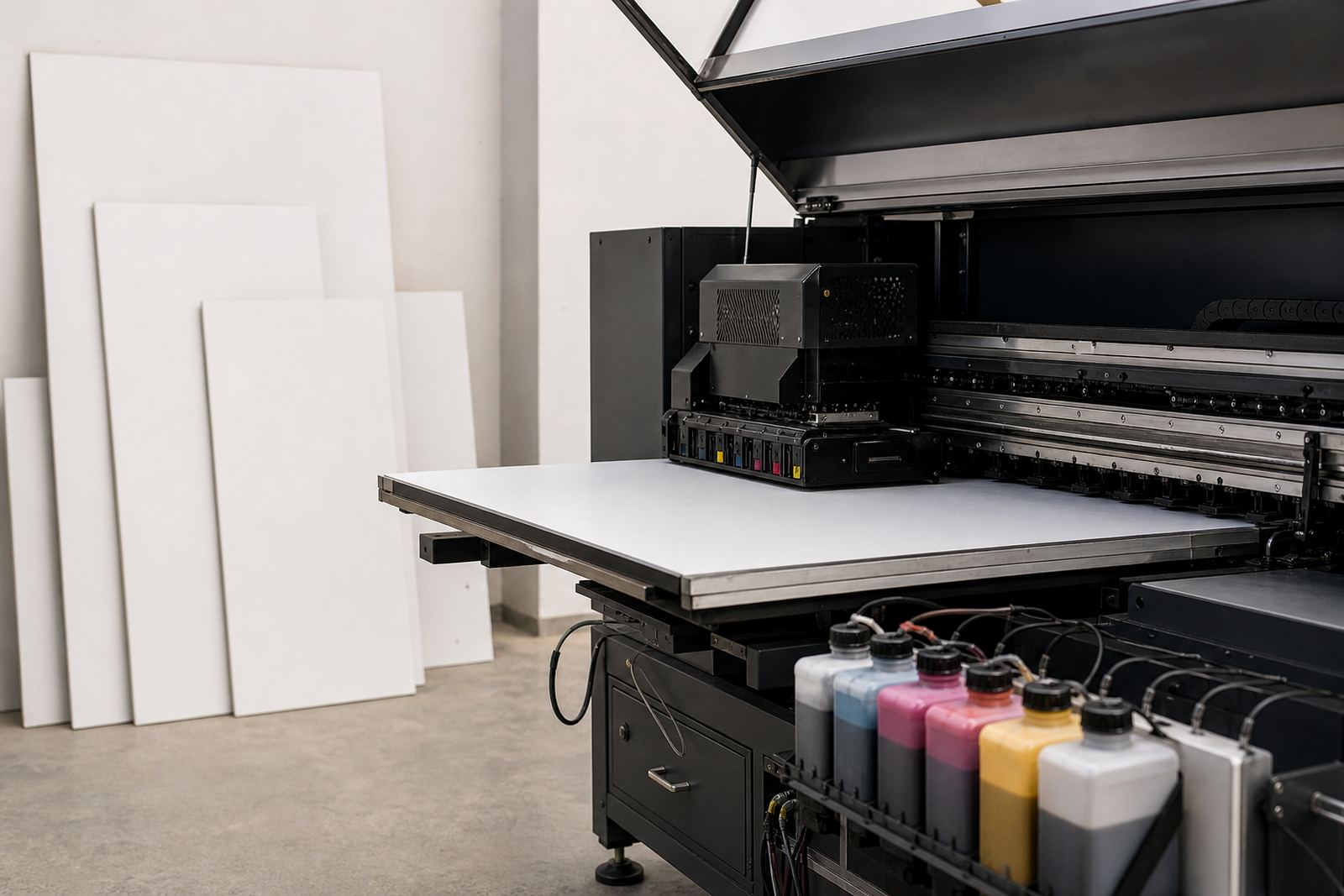
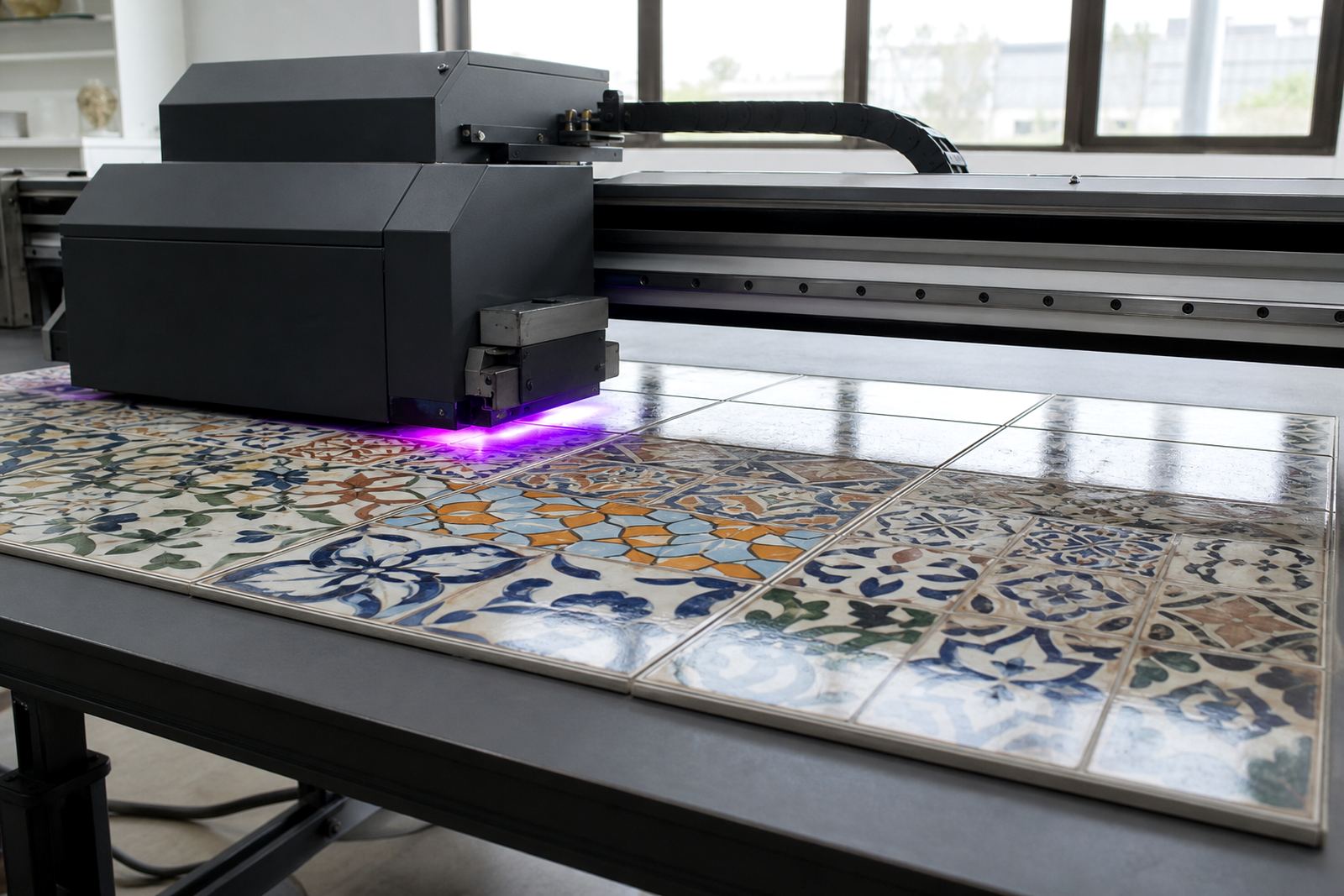
This ink is meant for UV printing systems that can deliver the correct cure energy for the print speed and layer thickness. Flatbed and roll-to-roll printers both need a stable lamp output, clean heads or channels, and the correct media hold-down so the label stock stays flat during printing.
If the workshop is near the coast, stored consumables should be kept sealed and away from damp air. In inland areas like Pretoria, dust control is just as important. Follow the printer maker’s settings for lamp intensity, speed and pass count, then confirm the result with a test strip before full production.
Storage and shelf life
UV-curable ink is only part of the result. Good handling keeps the print consistent from the first label to the last. Staff should wear gloves when handling ink and follow the safety data sheet at all times. Keep containers closed, wipe spills immediately and avoid mixing old material with fresh stock unless the product instructions say it is allowed.
- Store containers upright in a cool, dry place
- Keep lids sealed between shifts
- Do a nozzle or head check before long runs
- Clean contact points and wipe down the feed path regularly
For shops doing repeat label work, a simple maintenance routine helps prevent downtime. That includes checking filters where relevant, confirming lamp output, and watching for changes in cure feel or odour that may point to under-curing. If a job starts to show poor adhesion, it is better to stop and test than to push through a full batch.
Before you order ink
Before ordering Label Stock Ink, check the substrate, the printer model, and the final use of the label. A label for dry indoor products has different needs to one used on chilled packaging or items that may be touched often. The wrong choice can cause poor adhesion or a finish that looks fine at print stage but fails after trimming and packing.
- Type of label stock: paper, coated stock or synthetic film
- Printer setup: flatbed or roll-to-roll
- Exposure to moisture, abrasion or cold storage
- Need for overprint varnish, lamination or finishing
- Colour match needs and whether a sample run is required
- Production volume and repeat order frequency
Our team in Epping can help with Ink Selection, Compatibility Checks, Adhesion Testing, Curing Guidance and Colour Trial Support. We also assist with Sample Pack Prep, Production Planning, Operator Training, Safe Handling Briefing, Remote Tech Help, Courier Stock Support and Repeat Order Management. If your label line is sensitive to timing or you need stock moved quickly, say so upfront and we can plan accordingly.
Ink data
| Product type | UV-curable ink for printable label materials |
|---|---|
| Compatible printer types | Flatbed and roll-to-roll UV printers |
| Common uses | Short-run packaging, product labels, identification labels and promotional stickers |
| Curing method | UV curing with correct lamp output, speed and pass settings |
| Handling | Wear gloves and follow the safety data sheet |
| Supply base | Epping, Cape Town with courier delivery across South Africa |