
Built for bendable print applications
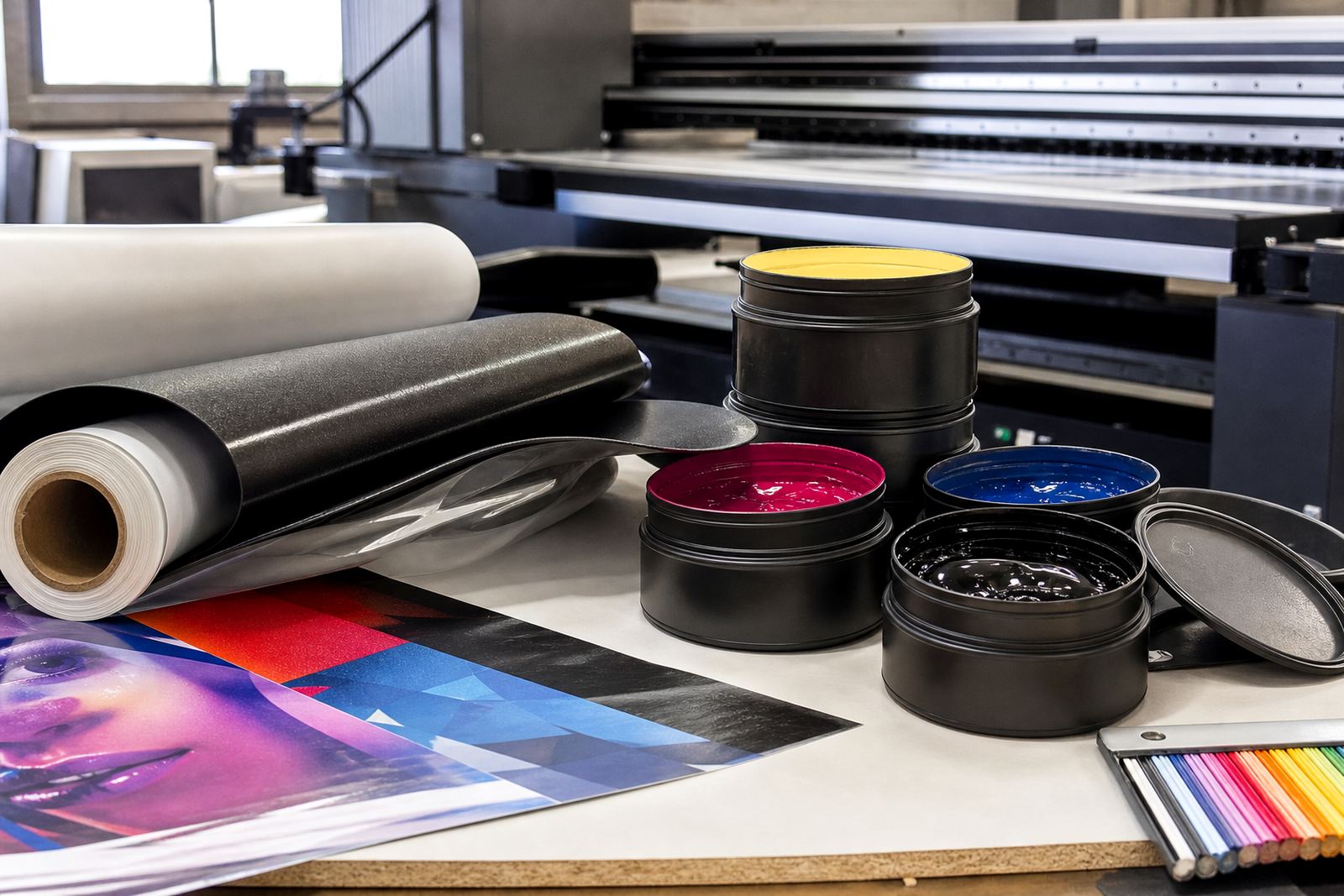
This ink is made for flexible media where the print has to keep its shape after handling, trimming, rolling or light flexing. It suits work such as banners, soft signage, wrapped panels, certain display films and other applications where a rigid ink can fail too early. The formula is intended to cure under UV systems and give a firm bond while still allowing the printed surface to move with the substrate.
For South African production teams, that means fewer surprises when work leaves the print room and gets installed in windy conditions, packed for courier transport or handled on site in the heat. In coastal areas like Cape Town and Gqeberha, where humidity can affect drying behaviour on some materials, a proper cure check matters just as much as the print itself. In inland sites like Johannesburg and Pretoria, dust and temperature swings can also affect handling, so the press settings need to be checked before a full run.
- Suitable for flexible substrates that need bend tolerance
- Designed for UV curing on compatible printer systems
- Used where adhesion and surface durability are both important
- Helpful for repeat work that must keep colour consistency across batches
Printer compatibility and curing settings to check
Flexible media ink should only be used on printers that are set up for UV-curable inks and have the correct curing arrangement for the job. Flatbed and roll-to-roll units differ, and the media thickness, print speed, lamp strength and pass count all affect the final result. If the curing is too light, the print may feel tacky or rub off at the edges. If it is too strong, some flexible materials can distort or suffer surface stress.
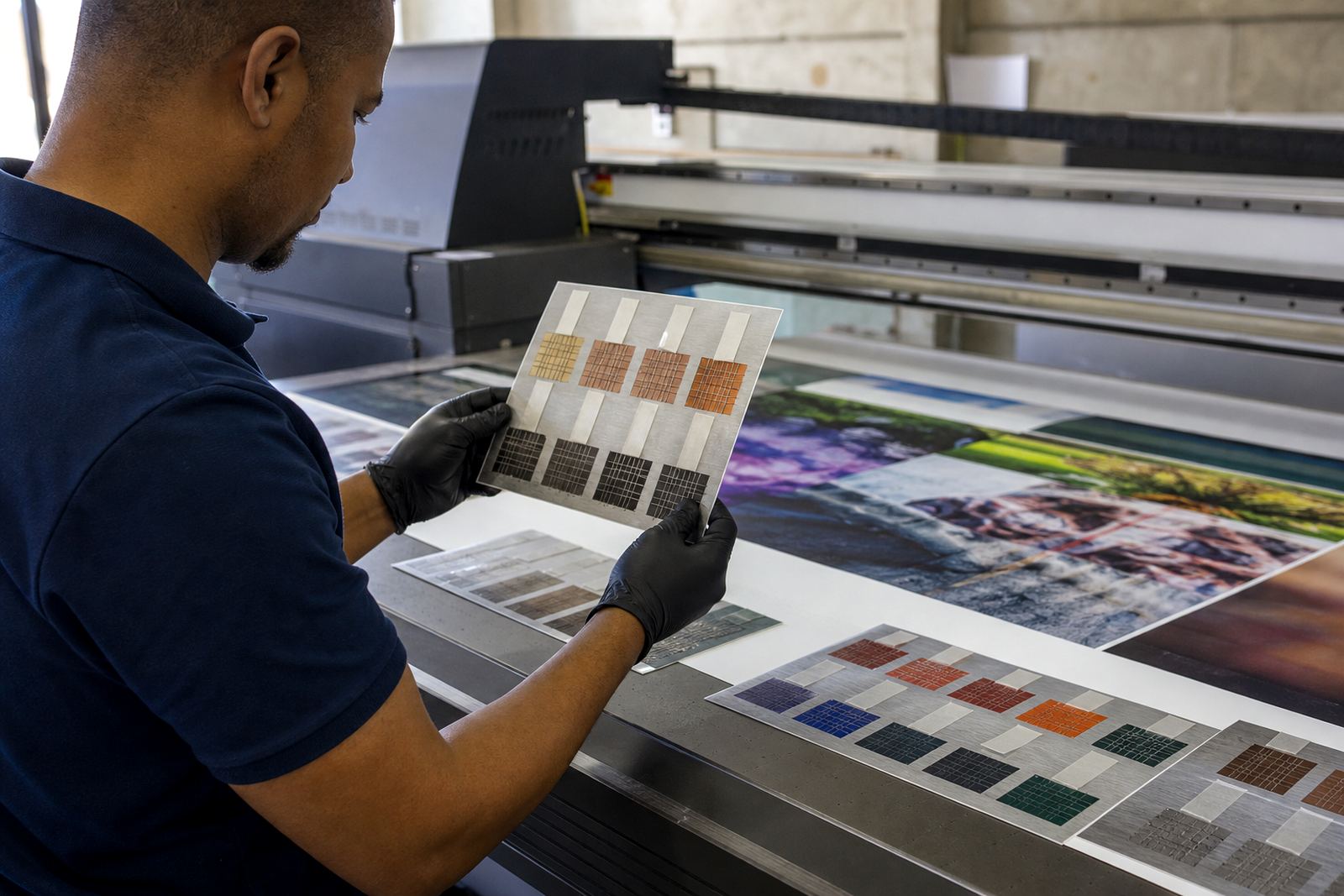
Before ordering, confirm the ink type already running through the machine, the ink channels in use and whether the printer has been configured for the substrate you plan to print on. If you are changing from a rigid board job to a flexible roll, the production team should run a test strip first and check adhesion after full cure. Operator training also helps here, because a small change in head height or cure power can make a large difference on thin film and soft media.
- Check printer model, ink system and intended substrate first
- Confirm cure method and lamp settings for the material thickness
- Test a small sample before moving into full production
- Keep a note of pass count, speed and adhesion results for repeat orders
Sizes, options and ordering formats
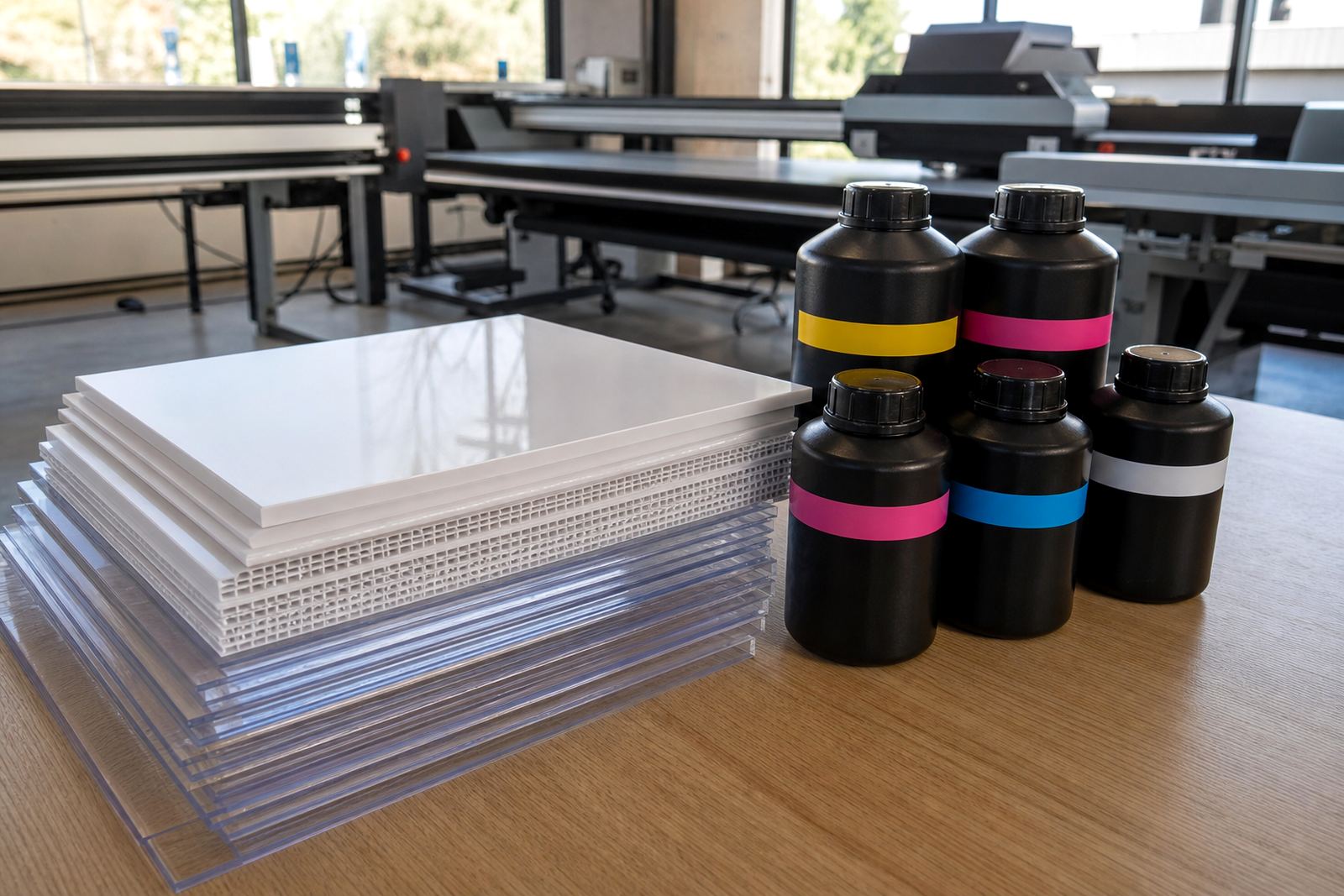
Flexible Media Ink is usually ordered by production need rather than one fixed format, because different shops use different volumes and colour setups. Some customers want sample packs for testing, while others need repeat supply in working containers for regular output. We help with sample pack prep, colour trial support and repeat order management so your next run does not stop because one channel ran dry.
When placing an order, it helps to state the colour set you run, the expected monthly usage and whether the work is mostly short-run promotional material or longer production batches. That tells us whether you need a smaller test quantity, a mixed pack for trials, or stock support for ongoing work. We can also assist with compatibility checks before supply, which is useful if your team prints for signage, packaging mock-ups or flexible display pieces that need the same ink across multiple jobs.
- Sample packs for testing and colour checks
- Working supply for active production lines
- Repeat order support for regular users
- Stock planning for courier delivery to Cape Town, Johannesburg, Durban, Pretoria and Gqeberha
Where this ink suits best in day-to-day production
This product suits print rooms that need dependable output on flexible stock and want better control over handling after print. It is commonly considered for display graphics, promotional banners, certain wrapped applications and jobs that must be rolled, packed or installed soon after curing. It can also suit operators who need colour trial support before a larger municipal, retail or event order goes to press.
In practical terms, it is a good option where the print will see movement, transport or repeated handling. A print made for indoor reception use has different demands from one going onto a street-facing frame in Durban humidity or a temporary display in Bellville that will be taken down and reused later. The ink choice should match both the substrate and the final use, not just the artwork file.
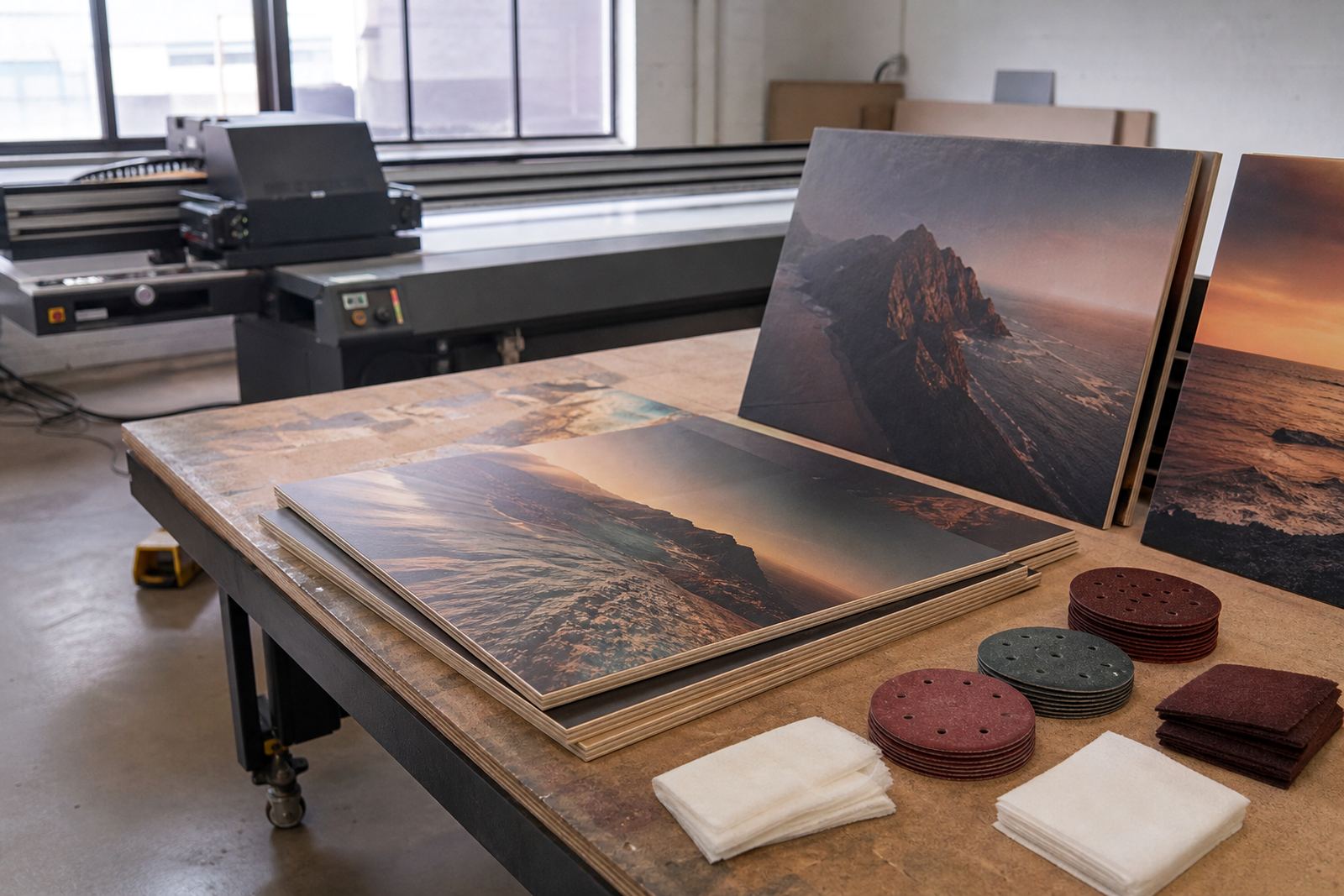
Because flexible media often behaves differently from rigid board, we advise checking adhesion on the exact roll or sheet you plan to use. Small changes in coating, film finish or surface tension can alter the result. That is why production planning and a quick trial are worth doing before a large job goes live.
Curing setup and lamp checks
If the machine is in a hot area with poor ventilation, heat can also affect print consistency.
Flexible media can pick up contamination easily, and that can weaken adhesion or make the cure look uneven. The operator should also follow the printer manual for head height, cleaning routine and exposure limits. If you are not sure about your setup, remote tech help can be arranged before the next production batch starts.
- Keep the print area clean and free from dust or fibre contamination
- Follow the printer’s cure and head-height guidance
Loading and handling the ink
UV ink should be handled with care from the first open container to the last wipe-down. Always follow the safety data sheet for the product in use and wear gloves when handling ink, waste, or cleaning materials. Good housekeeping reduces mess and helps keep the print room safer for operators. If ink sits open for too long, or if tools are not kept clean, contamination can affect colour and cure performance.
Flexible work often involves more handling than rigid board, so a slight curing issue can show up later as edge lift or surface scuffing. That is why a quick post-print inspection is important. Check the surface, the edges and a small bend test on a sample strip before sending the job out.
- Follow the safety data sheet at all times
- Wear gloves during handling and cleaning
- Inspect curing, edges and surface finish before dispatch
- Store and use ink according to the printer and product instructions
Ink data
| Product type | UV-curable ink for flexible media |
|---|---|
| Printer use | Compatible with suitable flatbed and roll-to-roll UV printers |
| Best use | Flexible prints that need bend performance and dependable curing |
| Supply area | Epping, Cape Town with courier delivery across South Africa |
| Service support | Compatibility checks, adhesion testing, curing guidance and operator training |
| Ordering info | Enquiry form only, with sample support and repeat order management |