
UV ink for board work that needs a clean finish
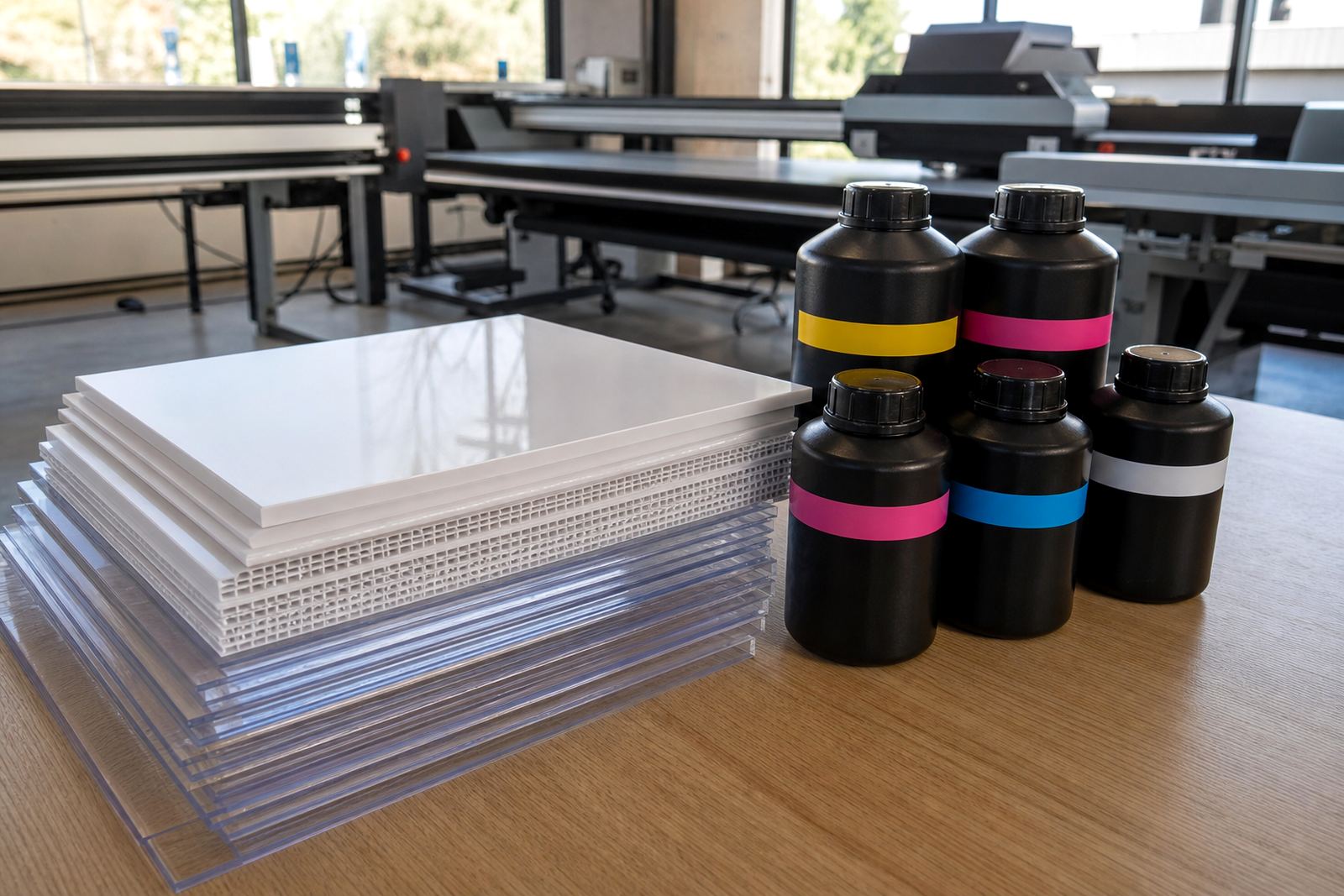
Packaging board ink is made for print jobs on boards used in retail display, sample packaging and short-run cartons where the surface must look sharp and hold up during cutting, folding and handling. It cures under UV light, which means the ink turns solid as it passes through the printer curing system, instead of waiting for solvent to dry. That helps with faster turnaround and less handling time.
This type of ink is chosen for its laydown, meaning the ink sits evenly on the board without flooding the surface. On the right substrate it gives crisp text, solid blocks and good edge control. It is best matched to boards that have been prepared for UV printing, because some recycled or highly absorbent boards can need testing first. A quick compatibility check can save a lot of waste later on.
A board ink that cures properly and stays stable in the machine is easier to plan around, especially when jobs have to leave the factory the same day.
Where packaging board ink suits best
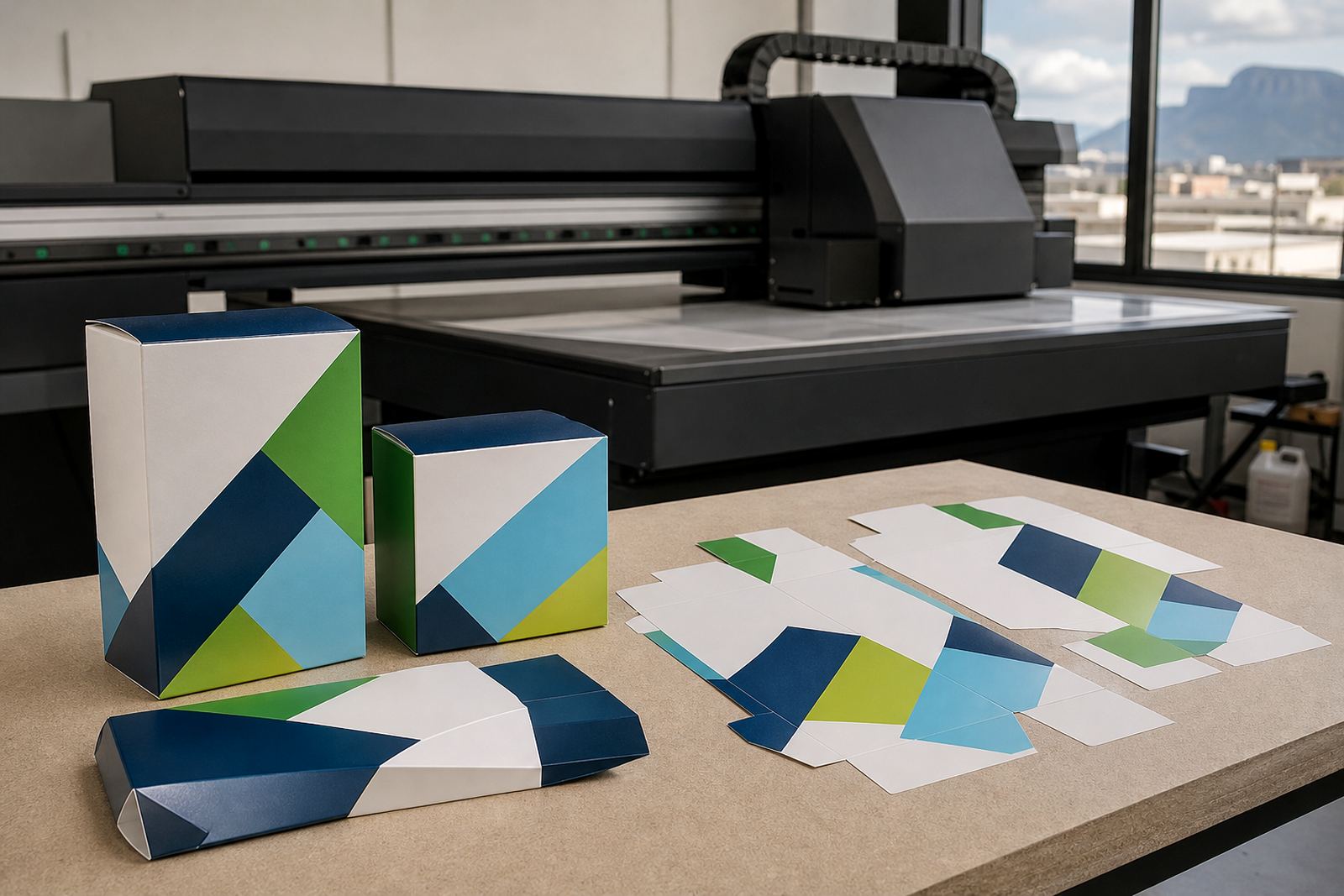
This ink suits display boards, folding carton mock-ups, point of sale board, sample sleeves and other packaging-related board applications. It is also useful where the print needs to be handled, trimmed or assembled soon after printing. For jobs going into retail packaging or presentation packs, dependable cure and adhesion are key.
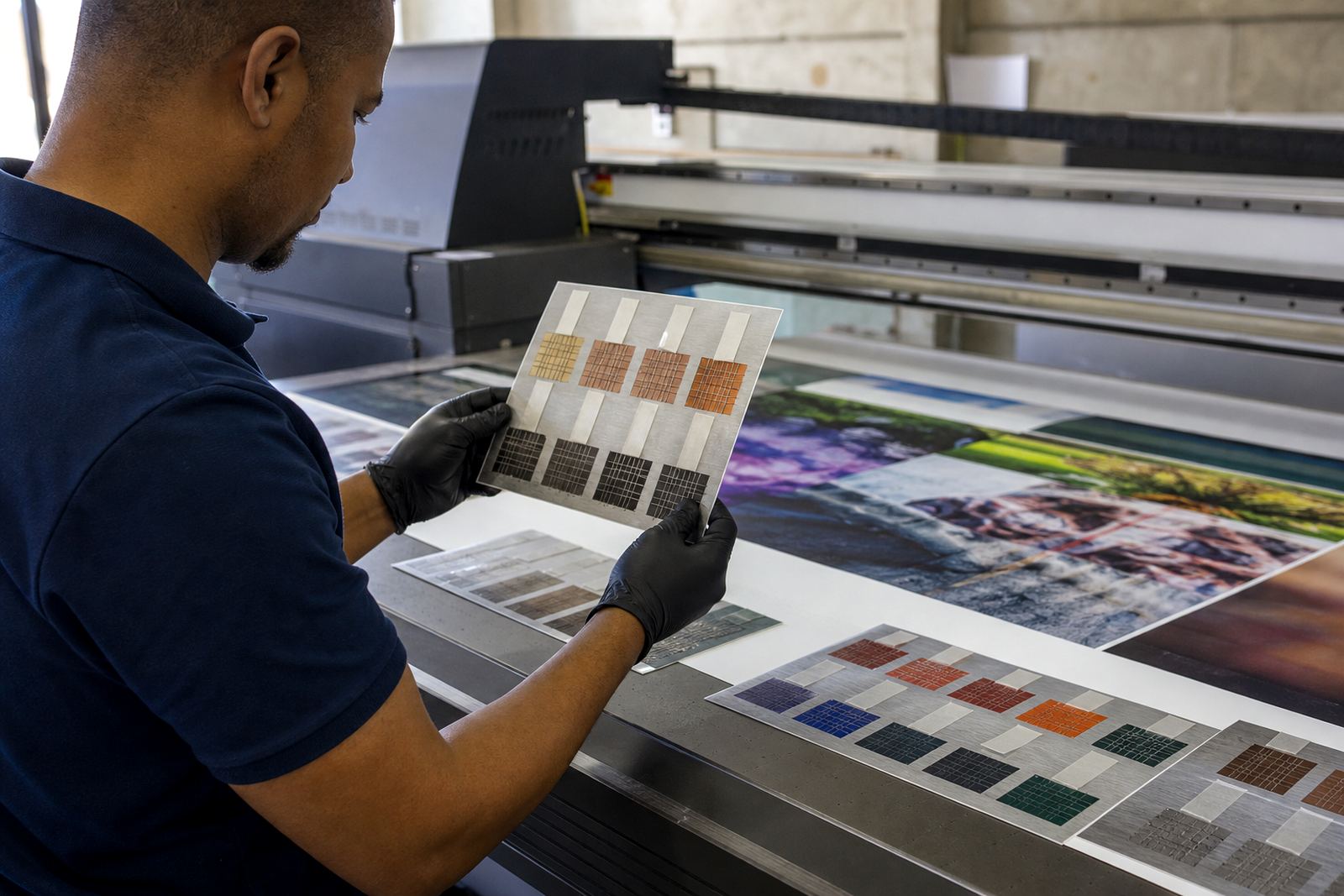
It can work on a range of board types, but the exact result depends on the coating, surface energy and how much ink the board can take before it starts to look dull or lift at the folds. In many cases a colour trial on the actual board stock is the safest way forward. We often suggest this where the job will be cut with creasing, glueing or further finishing, because the fold line can behave differently to the print face.
- Display boards for retail promotions
- Short-run cartons and sample packaging
- Presentation sleeves and inserts
- Board-based labels and rigid promotional pieces
Printer compatibility and curing settings to check
Packaging board ink must match the printer model, printhead type and curing setup. UV inks are not all interchangeable, so the safest route is to confirm compatibility before filling the system. If the ink is too thick, the printer may struggle to jet it cleanly. If it is too soft or too hard for the cure setup, the print can mark, crack or show poor rub resistance.
Check the following before ordering: printhead compatibility, ink channel setup, board thickness, curing lamp strength, carriage height, and whether the printer is set up for flatbed or roll-to-roll feeding. Some board work also needs careful vacuum settings on flatbeds so the sheet stays flat. On roll-to-roll systems, the substrate must feed evenly and not curl at the edges.
- Confirm the printer model and printhead type
- Check whether the board is coated, semi-coated or uncoated
- Match the cure level to the press speed
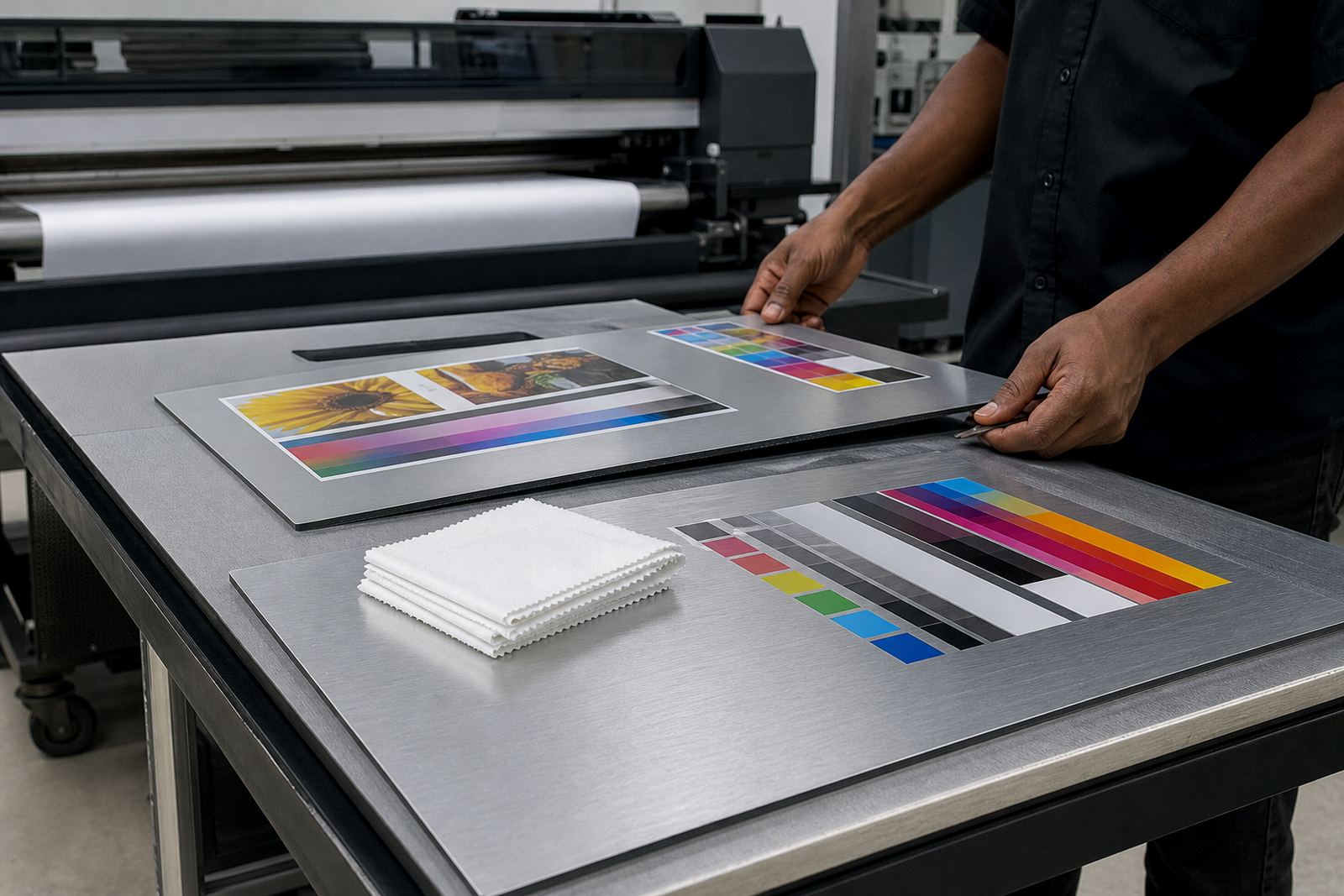
- Test for adhesion, scratch resistance and folding behaviour
Sizes, supply options and production planning
Packaging board ink is typically supplied for production use in practical container sizes suited to small, medium and higher-volume print rooms. The right size depends on how often the line runs, how much colour change you do, and whether you print board jobs daily or only for seasonal orders. For shops in Cape Town, Johannesburg, Durban, Pretoria and Gqeberha, courier delivery can help keep stock on hand without holding too much inventory.
When planning orders, it helps to think about turnaround times, repeat jobs and storage space. UV ink should be stored sealed, away from heat and direct sunlight, and kept in a cool dry area. Coastal humidity in places like Cape Town and Durban can affect storage conditions, so keeping the lids tight and the stock off the floor is worth the effort. A good stock plan also reduces the chance of running short during a busy week.
If you do frequent board work, repeat order management can help keep the same formula available for the same application. That is useful when a brand needs the same colour across multiple batches, because small changes in ink or substrate can show up on the shelf very quickly.
Curing setup and lamp checks
The room should be clean, with enough extraction or air movement to keep heat and vapour under control. While UV ink is not dried by evaporation in the same way as solvent ink, safe handling still matters. Boards should be loaded flat, and operators should keep the print path free of dust. A small amount of contamination can affect adhesion and cause pinholing or a patchy finish.
During setup, it is wise to run a test strip and confirm cure before putting a full job through. That is especially true when moving between board suppliers or changing thickness. If the board is too close to the head, or the cure is too strong, the print can show signs of over-cure and the surface may become brittle.
Using the ink on press
UV ink should be handled with care from the moment the container is opened. Follow the safety data sheet, wear gloves, and keep the lids closed when the ink is not in use. Small spills should be cleaned up straight away using suitable materials for the production area. Operators should avoid skin contact and wash up after handling, even if the ink looks dry.
Clogged nozzles, dirty wipers, build-up around the curing area and poor ink circulation can all affect output. A simple routine helps: check the heads, wipe down the exposed areas, inspect the cap tops and confirm that the cure output is still even. If a job starts showing weak colour or poor adhesion, stop and test rather than pushing on. It is cheaper to fix the cause early than scrap a stack of boards.
- Keep sealed ink containers in a cool, dry area
- Use gloves and follow the safety data sheet
- Keep dust off the boards and printer path
- Clean the printer on a regular schedule
- Test cure and adhesion after any change in substrate or settings
Ink data
| Product type | UV-curable ink for packaging board applications |
|---|---|
| Printer use | Flatbed and roll-to-roll UV printers |
| Best suited to | Display board, short-run packaging board and presentation work |
| Cure method | UV curing through printer lamp or LED system |
| Key checks | Compatibility, adhesion, laydown, cure and board surface |
| Supply areas | Epping, Cape Town plus courier delivery nationwide |