
Backlit Film Printing That Stays Even When Lit
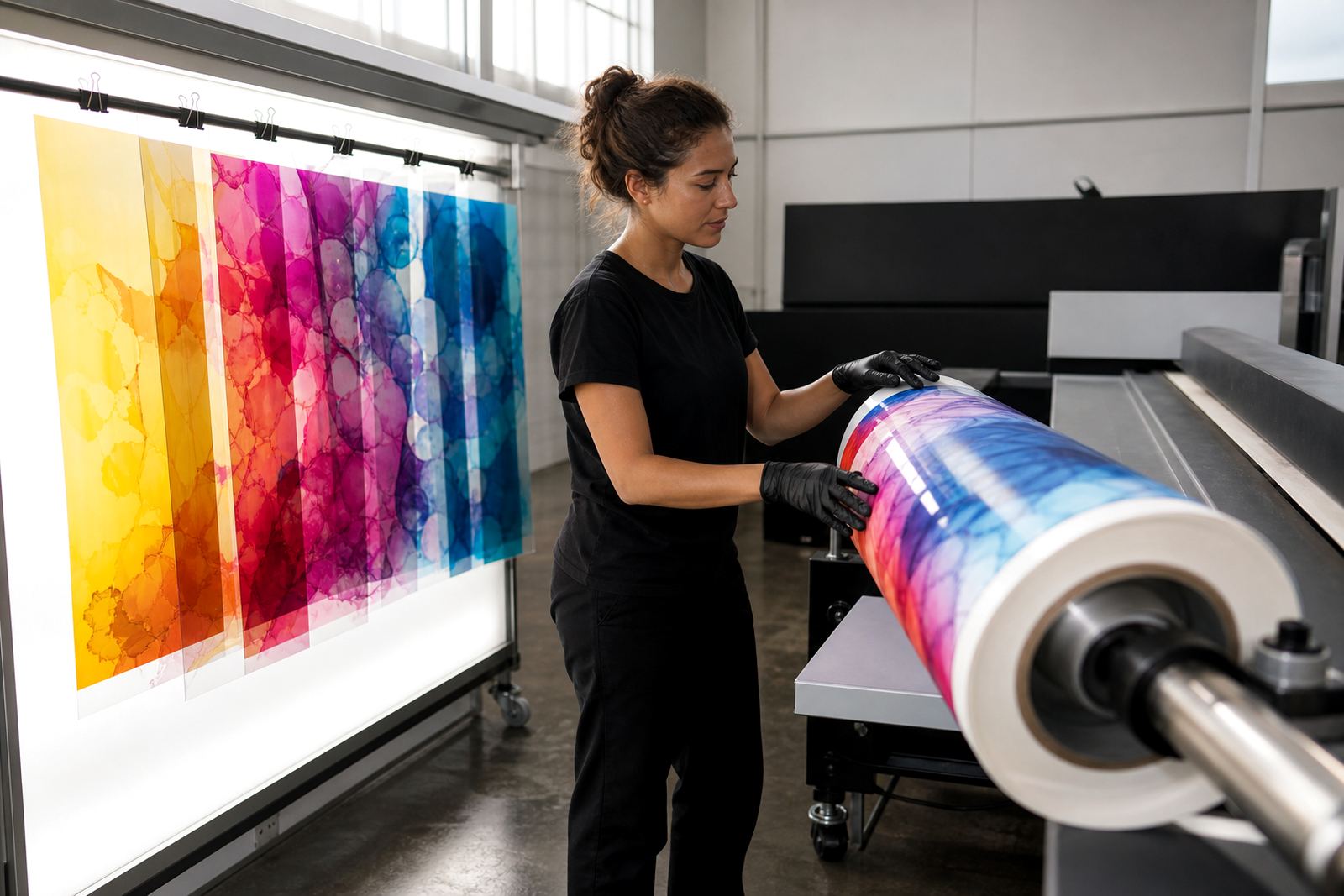
Backlit film needs more than bright colour on a light table. Once the panel is switched on, weak ink lays can show hot spots, striping or washed out areas, so the ink has to cure evenly and hold its colour density across the full sheet. UV-curable backlit film ink is made to sit well on suitable coated films and to keep a clean, consistent appearance whether the graphic is viewed in daylight or illuminated from behind.
In practice, that means checking how the printer lays down each pass, how many passes the job needs, and whether the film surface gives enough grip for the ink to anchor properly. On some films the print will look fine straight off the machine but still fail later if the surface energy is too low or the curing is not set correctly. For shops in Cape Town, Johannesburg, Durban, Pretoria and Gqeberha, that matters when work has to go out quickly and still hold up in transit, loading bays and retail light boxes.
Our backlit film ink is supplied for flatbed and roll-to-roll printers that use UV curing, with support for compatibility checks before production starts. It is suitable for signage, point of sale graphics, retail displays and other illuminated applications where clean detail and consistent colour are needed.
Sizes, Supply Formats And Job Planning
Different production setups call for different supply habits. Small run shops may want sample packs or trial quantities before moving into regular use, while higher volume operations often need repeat order management and stock held for planned production. We help customers choose what fits the job mix, the printer width and the amount of backlit work moving through the workshop each month.
- Available for trial, short run and repeat production planning
- Suitable for flatbed and roll-to-roll UV printers
- Used with coated backlit film and approved display films
- Can be matched to small format proofing or larger production runs
- Helpful for single panel graphics, multiples and campaign work
When ordering, check the printer model, the print width, the intended film type and whether you are running indoor or semi outdoor panels. If the work is for mall display, forecourt signage or window graphics in humid coastal areas, it is worth checking drying and handling times with extra care. A printer that handles standard rigid board well may still need different settings for film because the substrate flexes, takes more heat sensitivity and can react differently under curing lamps.
Where Backlit Film Ink Suits Best
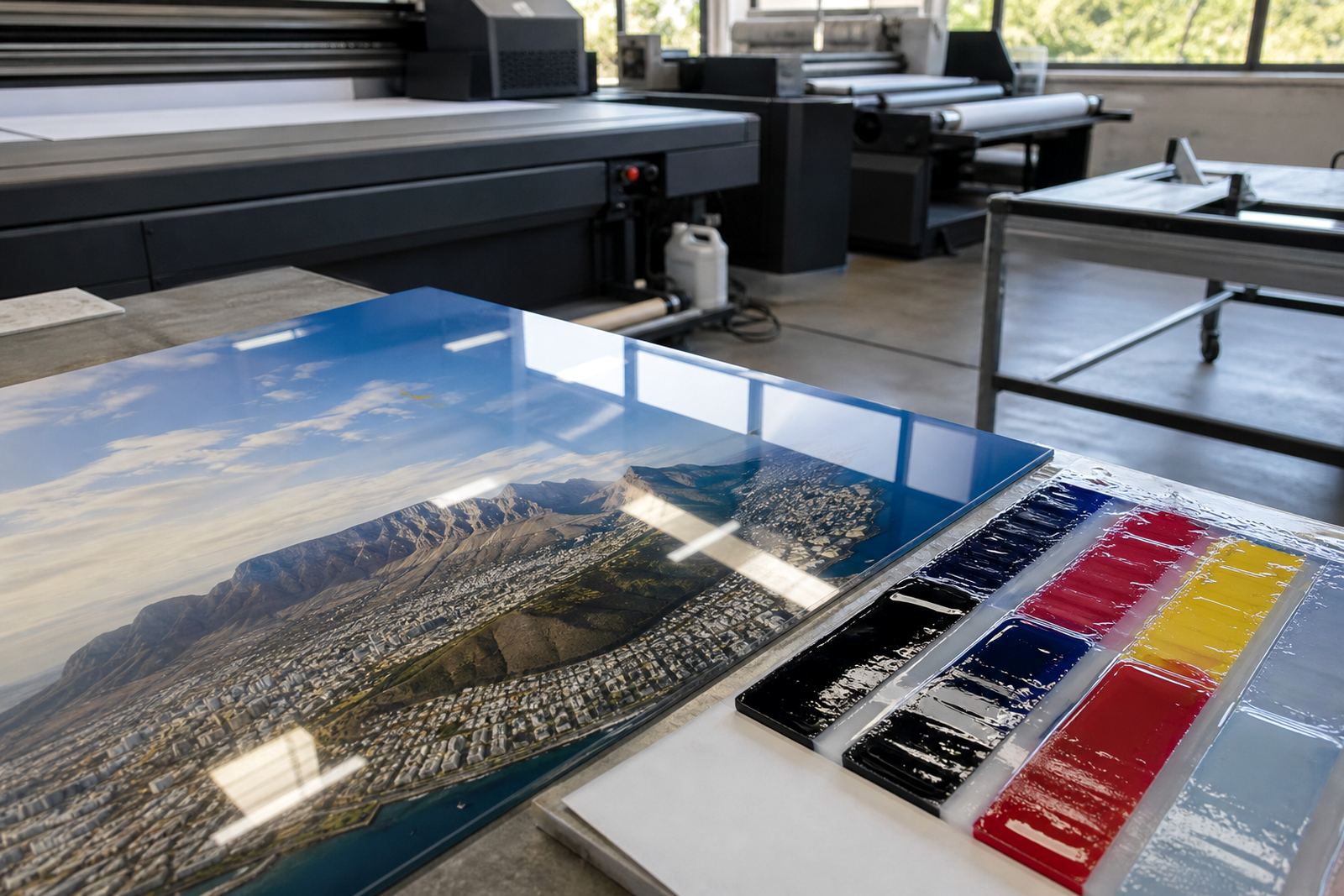
This ink suits illuminated graphics where the image must stay even across the full sheet. Typical uses include light boxes, shopfront displays, menu panels, internal directional signage, exhibition graphics and promotional frames. It is also useful where installers need a print that looks clean from both close viewing and across a room, especially when the panel is lit by LED units and the customer expects a smooth colour field.
Because backlit film shows flaws easily, the print environment matters. Dust, surface contamination and uneven curing can show up fast. Workshops in Epping and across the Western Cape often deal with temperature shifts and coastal humidity, so the operator should allow the film to acclimatise, keep the media clean and avoid stacking prints before the cure is fully settled. In hotter inland conditions, attention to curing and feed speed becomes just as important.
UV Ink supports customers with ink selection, compatibility checks, adhesion testing and colour trial support, so the right settings can be confirmed before a full production run. That reduces waste and helps avoid the usual problems of patchy colour, over curing or ink that feels dry but has not properly bonded.
Curing, Adhesion And Printer Settings To Watch
Backlit film ink depends on the right balance between ink laydown and UV cure. Too little cure can leave the surface tacky or weak, while too much can make the ink brittle and affect flexibility. That is why curing guidance matters, especially on film where the material can move slightly as it feeds through the printer. Adhesion testing should be done before the first production batch, not after a full order is printed.
Before production, check the following:
- Film coating compatibility with UV-curable inks
- Print pass count and ink density settings
- UV lamp output or curing intensity
- Feed speed and media tension
- Dry handling time before trimming, rolling or packing
- Whether the job is for indoor use, long term indoor use, or a protected display area
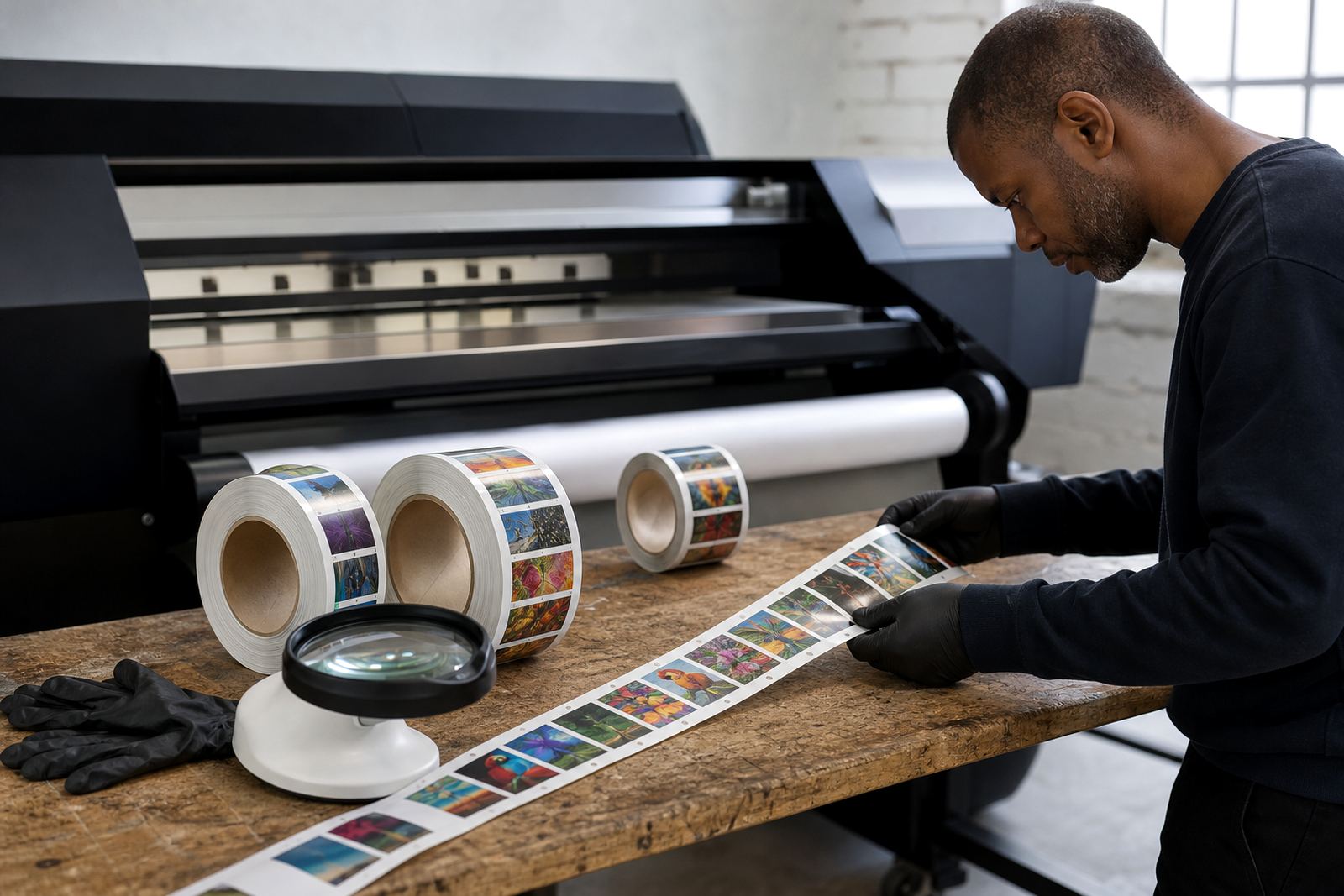
If the printer is being used for mixed media work, do not assume the same settings will work on every film. A backlit film that accepts ink well on one machine may need a different pass count or curing profile on another. That is why remote tech help, sample pack prep and operator training are part of our support offer. For busy teams, a short setup review can save a full day of reprints.
Care, Handling And Safe Use On The Shop Floor
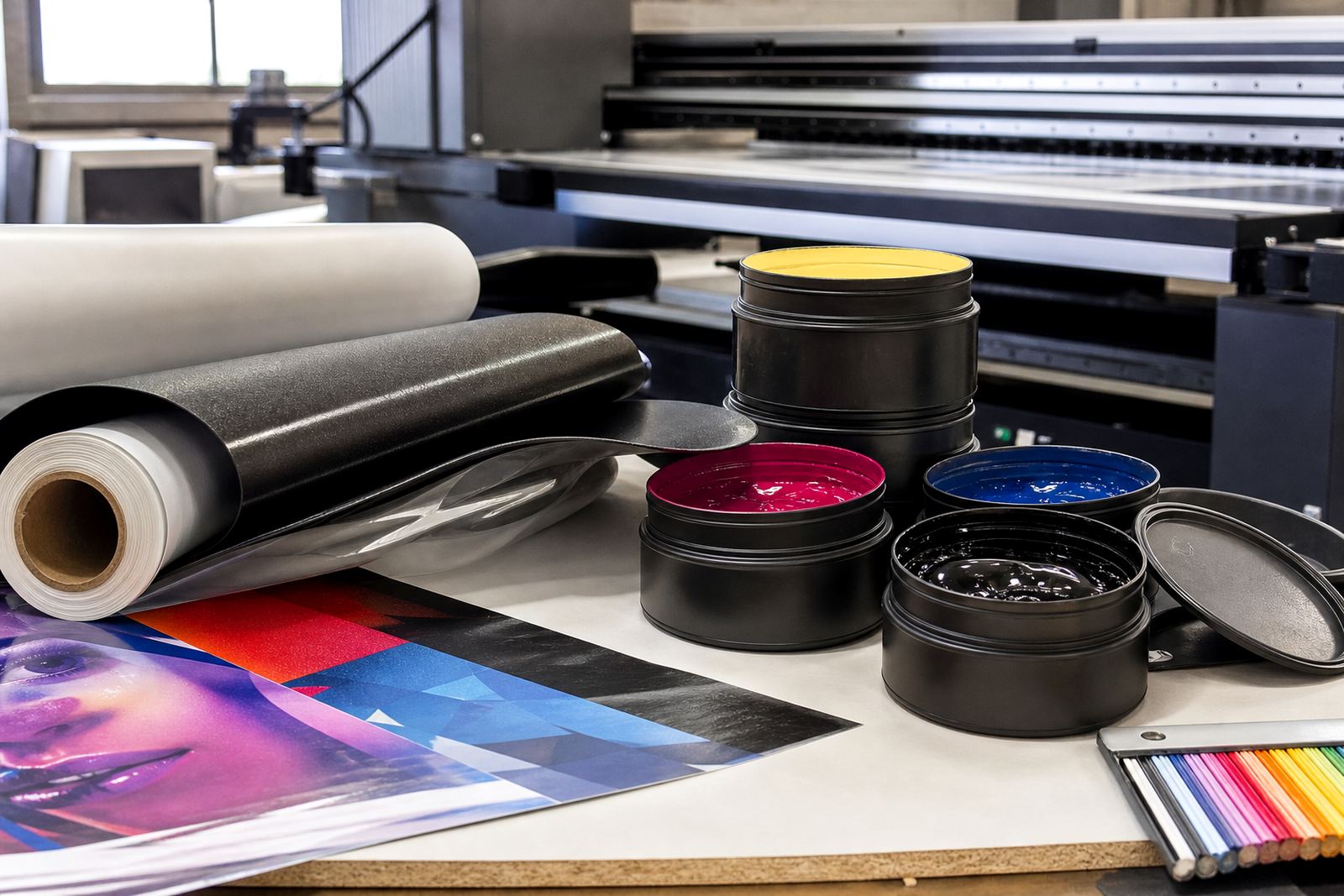
UV-curable inks should be handled with care at all times. Follow the safety data sheet for the product, wear gloves when handling ink and keep the work area tidy so there is less chance of spills, splashes or contamination. Good ventilation, clean wipe down cloths and a sensible storage routine all help keep the workshop safe and the print quality stable.
On a practical level, keep containers closed when not in use, store them away from direct sun and avoid leaving open ink near heat sources or curing units. A short pause can affect nozzle performance if the machine is left unattended for too long.
For finished prints, avoid heavy stacking until the ink has fully cured and the film has cooled. This is especially important when jobs are being couriered from Cape Town to Johannesburg, Durban, Pretoria or Gqeberha.
Before you order ink
When ordering backlit film ink, the best results start with a few clear checks. The more detail you can give us, the easier it is to confirm compatibility and plan the supply. That includes the printer type, film grade, job size, the kind of light box or frame being used and any history of adhesion or curing trouble on similar work.
- Printer type: flatbed or roll-to-roll
- Media type: coated backlit film or approved display film
- Job use: indoor display, retail, exhibition or protected signage
- Print size and quantity
- Required turnaround and courier destination
- Any previous issues with cure, colour shift or surface marking
Our team at the Epping base can help with ink selection, sample packs, repeat order management and remote tech support. If your workshop needs colour trial support before a large campaign, or if operators want a quick briefing on safe handling and curing, we can assist through the enquiry form on the contact page. The aim is simple: get the film printing cleanly, keep the run consistent and make sure the final panel looks right when the light switches on.
Ink data
| Ink type | UV-curable ink for backlit film graphics |
|---|---|
| Compatible machines | Flatbed and roll-to-roll UV printers |
| Finish behaviour | Designed for even colour appearance when illuminated |
| Typical use | Light boxes, retail displays, signage and exhibition graphics |
| Support | Compatibility checks, adhesion testing, curing guidance and operator training |
| Supply area | Epping, Cape Town with courier delivery across South Africa |