
Short-run label work with real production pressure
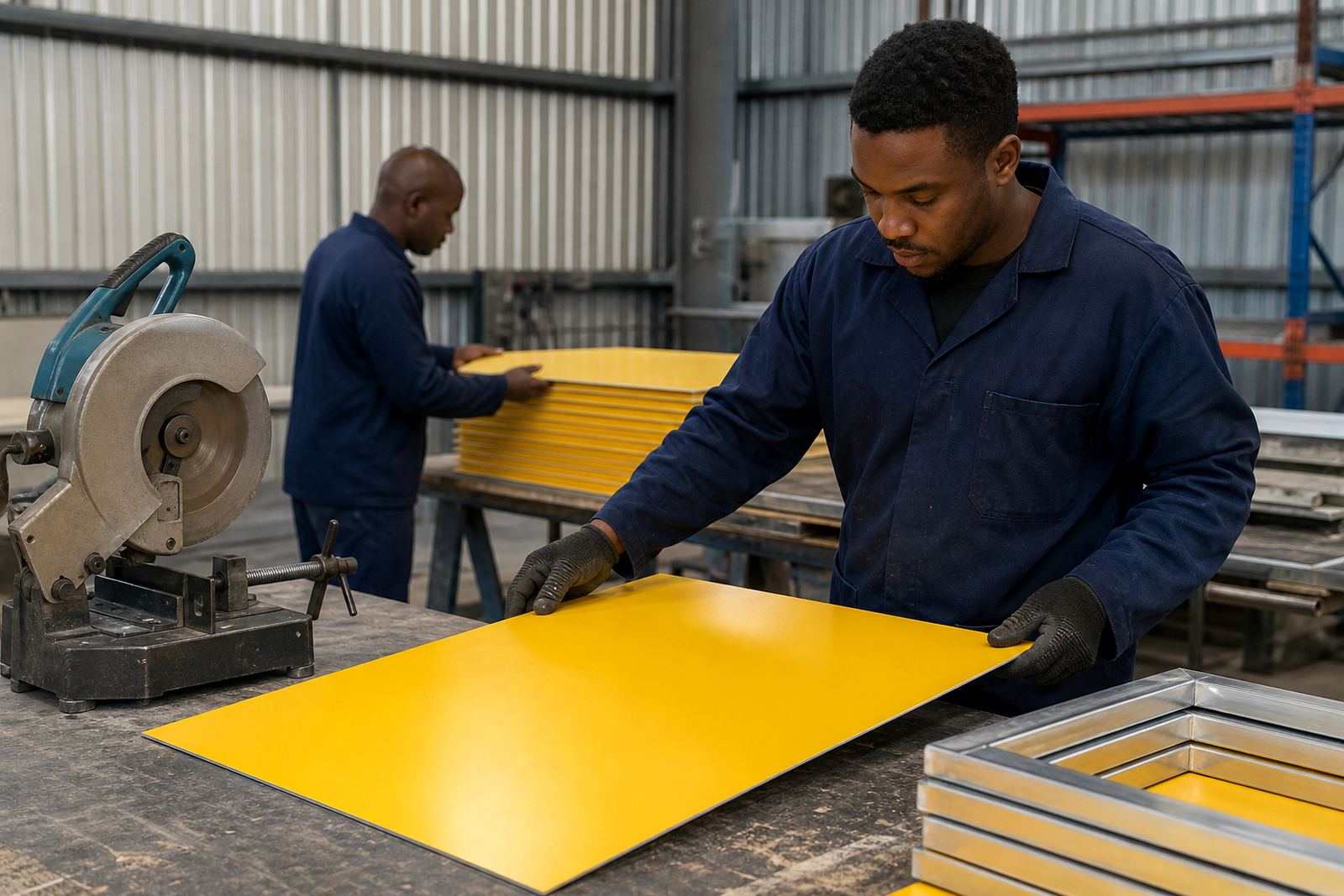
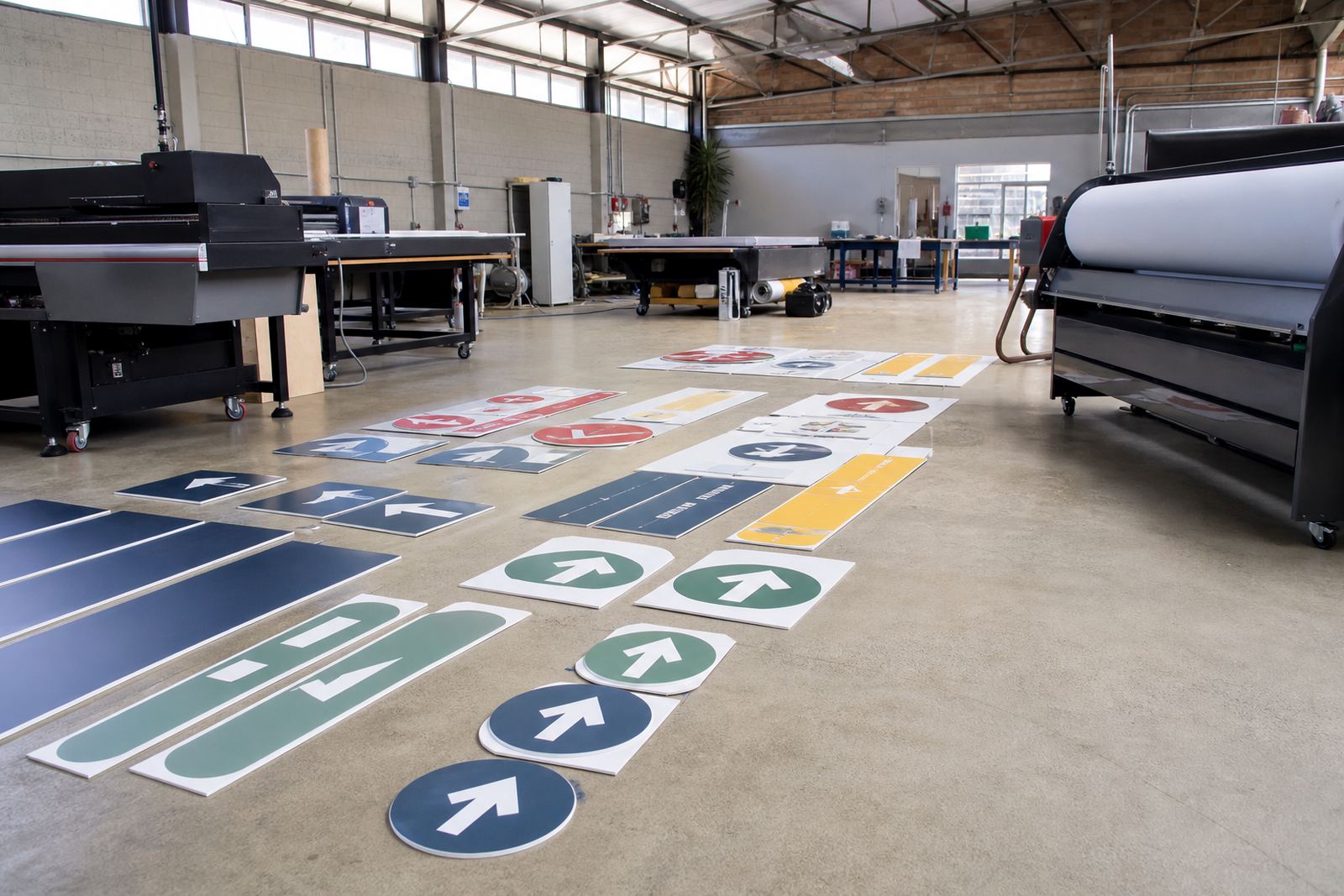
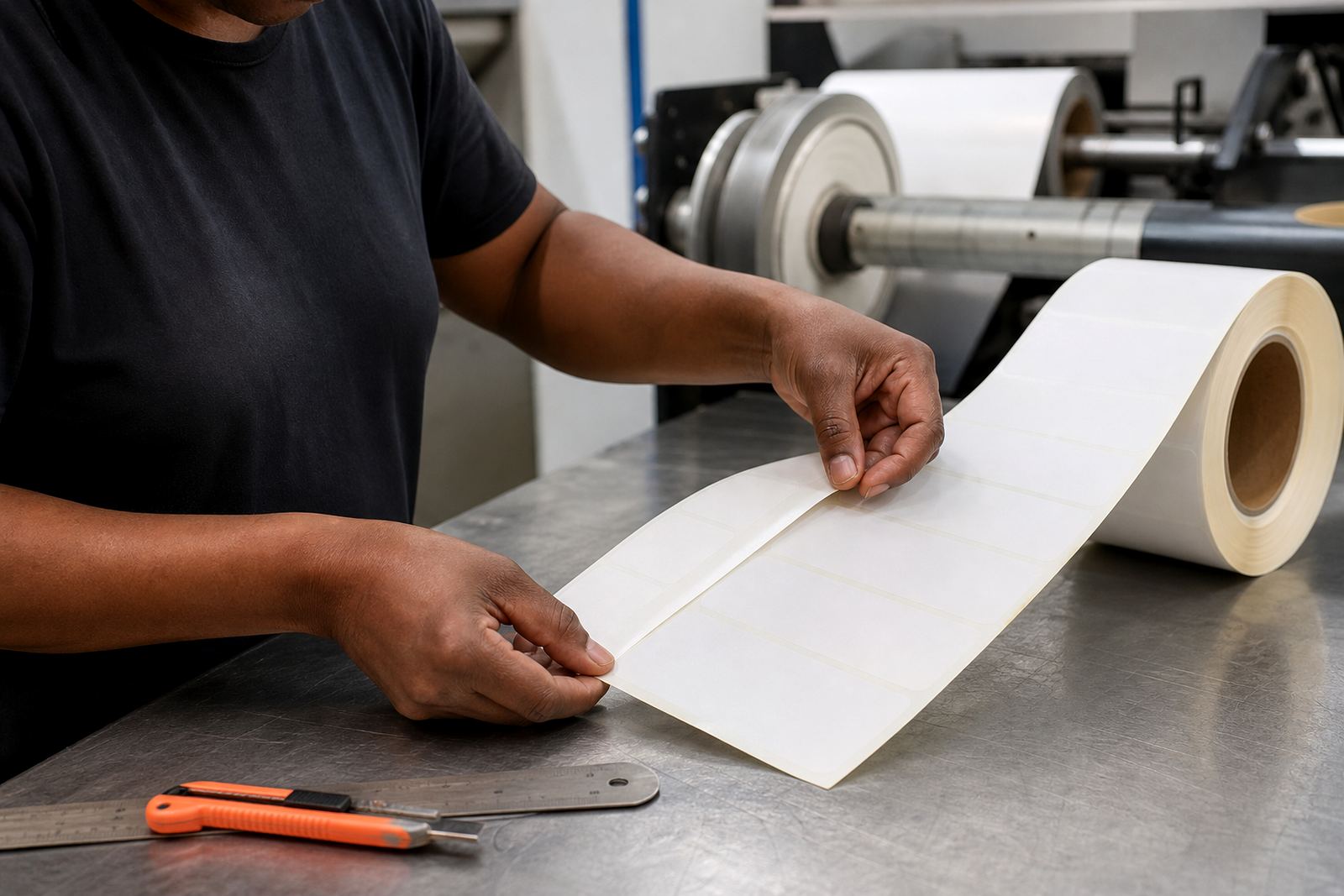
This job came from a specialist label operation in Montague Gardens, Cape Town. The team was running short batches for industrial use and needed UV-curable inks that would print cleanly on suitable label stocks without slowing the line down. The work included variable text, small type, block colour and tighter registration than a general graphics job, so the brief was all about consistency and adhesion.
The client wanted a practical supplier, not just ink off the shelf. They needed help checking which label materials would accept UV ink properly, what curing settings were likely to work, and how to avoid common issues such as edge lift, scuffing and incomplete cure. In a label environment, especially when the product may be handled, stacked or shipped soon after printing, those details matter more than flashy claims.
- Client type: industrial label shop
- Area: Montague Gardens, Cape Town
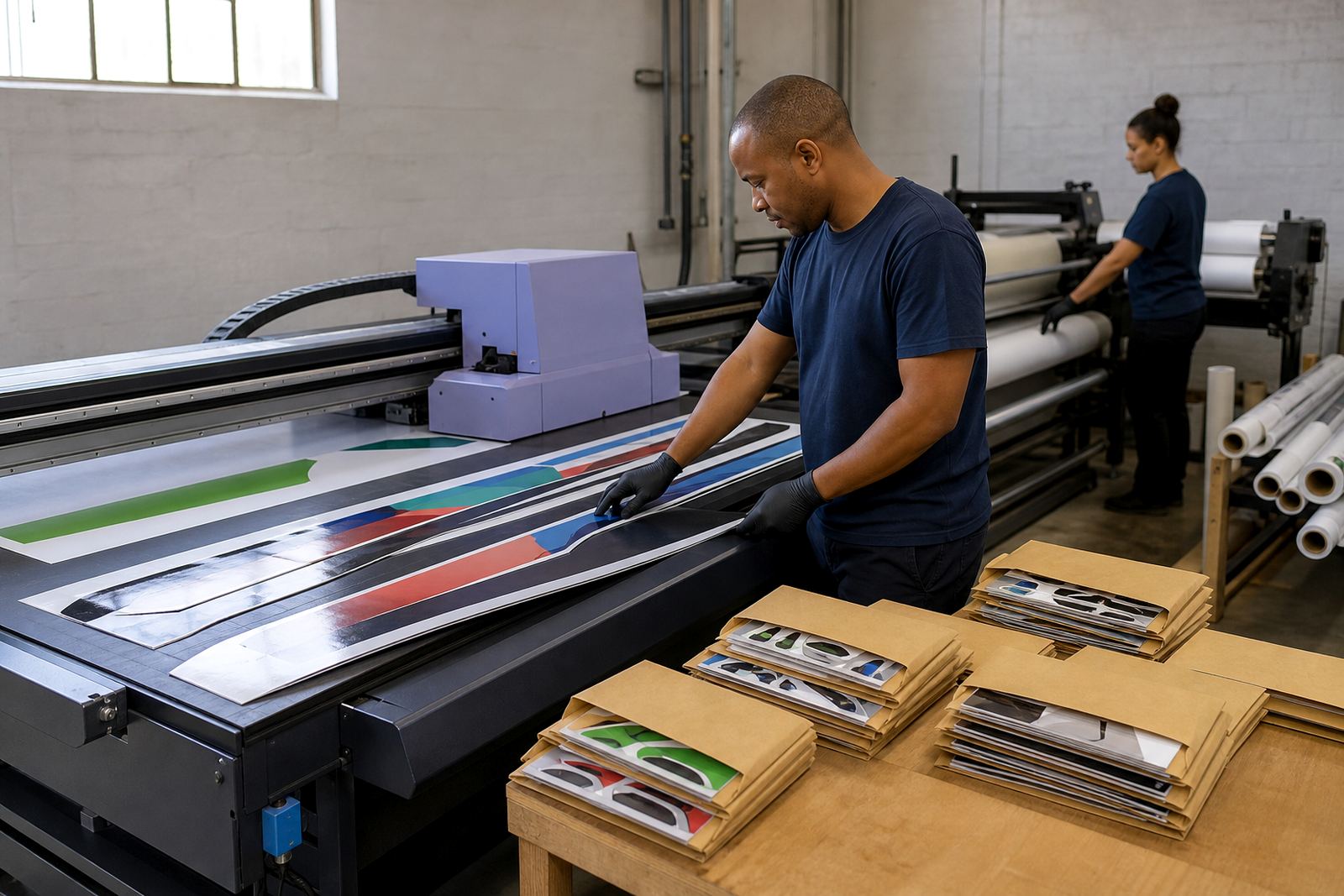
- Print method: flatbed and roll-to-roll UV printing
- Application: short-run industrial labels
What the brief required and what was holding it back
The main challenge was matching ink behaviour to the chosen label materials. Some stocks cured well but showed weak adhesion after handling. Others accepted the ink but needed closer attention to lamp output and speed. The client also wanted to keep turnaround tight, because short-run label work often lands between larger jobs and the schedule can shift quickly.
There was also a practical production concern. Label work for industrial use often needs crisp text, good density on small areas, and enough cure to resist rubbing when the labels are wound, cut or packed. In coastal Cape Town, humidity can also affect storage and handling, so the team needed advice that took local conditions into account, not just lab style theory.
- Constraint: short turnaround between jobs
- Constraint: mixed label stock behaviour
- Constraint: need for strong rub resistance
- Constraint: practical guidance for humid conditions
Supplied inks, checks and curing guidance
We supplied UV-curable inks suited to flatbed and roll-to-roll printers, then helped the team narrow down the best option for the specific label materials in use. The work included compatibility checks before production, sample pack prep for testing, and colour trial support to make sure the output met the look the client wanted. Where needed, we also gave remote tech help so their operator could get answers without waiting for an on-site visit.
We focused on the parts of the process that affect print quality on labels: ink laydown, cure exposure, adhesion and post-print handling. UV ink cures when exposed to the right UV energy, and if the balance is wrong, the print can feel dry on top but still fail under pressure. We guided the team on curing settings, operator handling, and how to confirm that the print had fully set before packing. As always, the safety data sheet had to be followed and gloves worn during handling.
- Ink selection for the label substrate
- Compatibility check before full run
- Adhesion testing on sample sheets
- Curing guidance for the printer setup
- Safe handling briefing for operators
Timeline from first sample to production
The full process ran over three weeks. In week one, we discussed the label use case, the print setup and the material types. In week two, we prepared samples, checked adhesion and reviewed cure response on the chosen substrates. In week three, the client moved into production with repeat order management in place so the same ink line and settings could be kept steady for the next batch. It was a simple plan, but that is usually what keeps label work moving without surprises.
Because the job was short-run, the client did not need a large stock hold, but they did need courier support to keep material coming in on time. Our Epping, Cape Town base allowed us to coordinate stock and dispatch quickly, with courier delivery available to Montague Gardens and beyond. The same approach also supports jobs going to Johannesburg, Durban, Pretoria and Gqeberha when production is split across sites.
- Week 1: brief, substrate review and printer notes
- Week 2: sample testing and adhesion checks
- Week 3: production release and repeat order set-up
- Dispatch: courier stock support from Epping, Cape Town
Results on the press and in handling
The main result was steadier production. Once the ink choice and curing settings were matched to the label stock, the prints held up better through cutting, stacking and packing. Fine text stayed readable, solids looked more even, and the client had fewer interruptions from rework. That is especially important in a label shop where a small fault can waste a whole sheet or a whole roll.
The client also gained a clearer production routine for future work. With a defined ink setup, a practical cure check and a better understanding of which materials worked best, they could take on repeat label runs with more confidence. For the team, that meant less guesswork and a cleaner handover between sales, machine operators and finishing staff.
- Cleaner print on small type and bar areas
- Better adhesion on approved label stock
- Less scuffing during handling and packing
- Clearer repeat settings for future orders
What we would do again for a similar label job
If we were handling the same kind of Montague Gardens label project again, we would follow the same sequence: confirm the substrate first, test a small batch, check cure and adhesion, then release production only once the result is stable. That approach saves time later because it reduces reprints and avoids the common problem of trying to fix a materials issue after the full run has started.
We would also keep the focus on the practical side of production. Label work does not need big talk, it needs the right ink, the right cure and clear handling instructions. If a label shop needs support with UV-curable inks, printer compatibility or operator training, the enquiry form on our contact page is the best starting point.
- Best practice: test first, then commit to production
- Best practice: confirm cure before packing
- Best practice: keep gloves and the safety data sheet on hand
- Best practice: hold repeat stock for busy weeks
Ink data
| Project | Montague Gardens Labels |
|---|---|
| Client type | Specialist industrial label shop |
| Location | Montague Gardens, Cape Town |
| Inks supplied | UV-curable inks for suitable label materials |
| Process support | Compatibility checks, adhesion testing, curing guidance |
| Timeline | 3 weeks from brief to production release |