
Paarl workshop brief and rollout needs
The job came from a Paarl workshop that was updating safety signage across a busy facility. The brief was practical: make clear signs for daily use, keep the colours readable in strong light, and produce a repeatable set that could be added to in phases as the rollout moved through different areas.
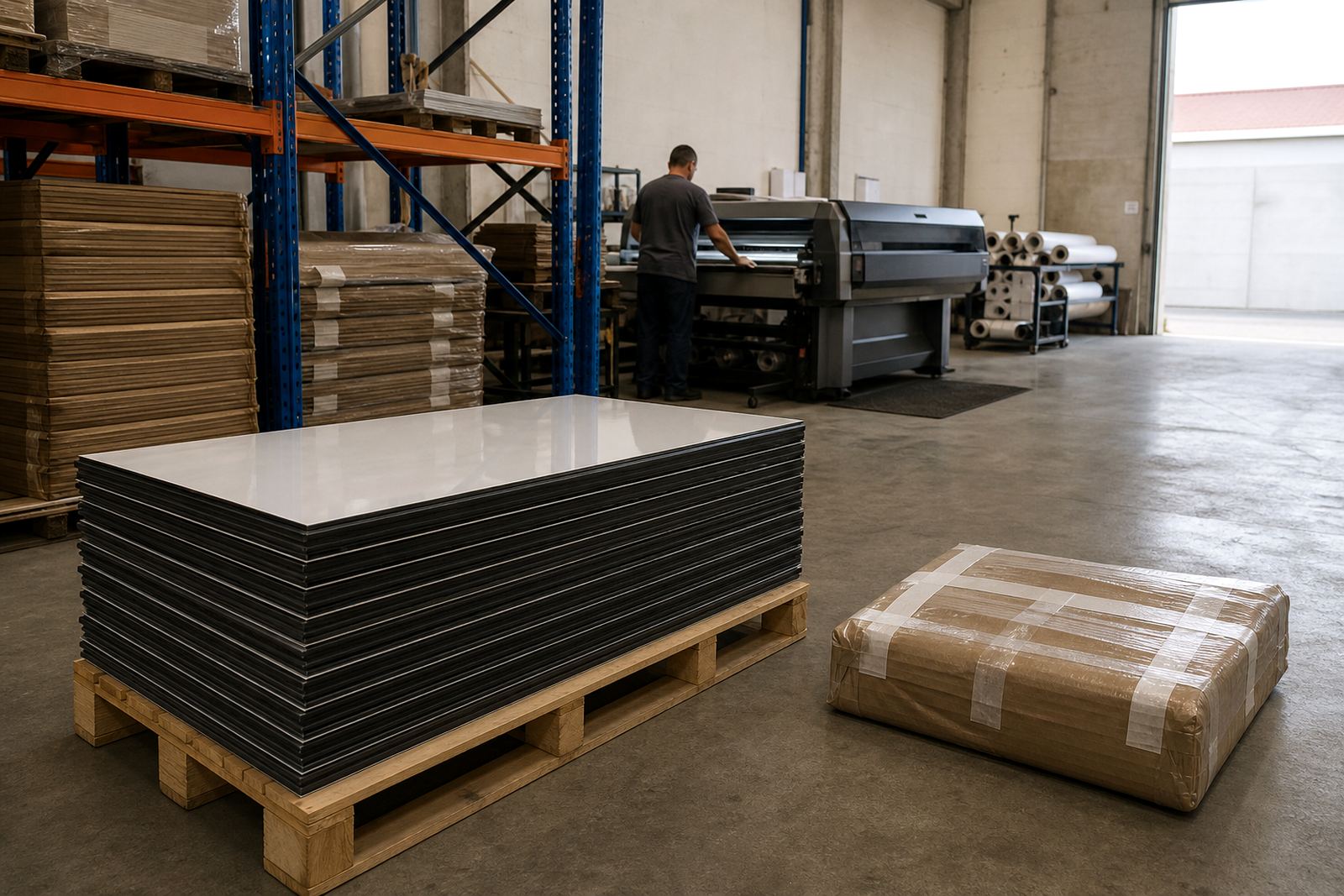
The client was working with board stock rather than flexible media, so print quality had to hold on a rigid surface with clean edges and good ink laydown. The signs needed to cover work zones, access points, storage areas and warning notices. Because the rollout would happen in stages, the same colour and curing settings had to work from the first batch to the last.
- Project type: safety signage for a workshop rollout
- Town: Paarl
- Substrate: durable board stock
- Print method: UV-curable inks for flatbed output
- Requirement: consistent batches for phased production
Ink choice, adhesion and curing checks
For this kind of signage, UV-curable ink needs to bond properly to the board surface and cure fully under the printer lamps. We looked at ink selection, compatibility with the printer setup, and the curing window needed to avoid tacky areas or weak adhesion. On rigid board, small changes in lamp power, speed or pass count can affect the finish, so we worked through those settings before production started.
We also reminded the workshop to follow the safety data sheet and wear gloves when handling ink, cleaned parts or freshly printed boards. That matters during setup and packing, especially in a busy shop where operators move between jobs. A small drip or smudge can spoil a sign and create extra handling, so simple housekeeping saves time.
- Checked printer compatibility before production
- Matched curing guidance to the board stock used
- Covered safe handling, gloves and SDS use
- Kept a record of settings for repeat batches
Ink and primer supplied
We supplied UV-curable inks suitable for flatbed and roll-to-roll printers, even though this rollout used a flatbed workflow on board stock. The inks were selected for strong colour, practical curing, and good adhesion on a clean rigid surface. We also prepared sample packs so the workshop could compare colour output before moving into the full run.
Alongside the supply, we helped with repeat order planning and production timing. The signs had to be ready for a staged facility handover, so the workshop needed enough stock on hand for the first phase while keeping the next phase lined up. That reduced downtime and helped them avoid running short when the rollout moved through the site.
- UV-curable inks for rigid board signage
- Sample pack prep for colour trial support
- Repeat order management for phased rollout work
- Courier stock support from our Epping, Cape Town base
Production timeline and support through the run
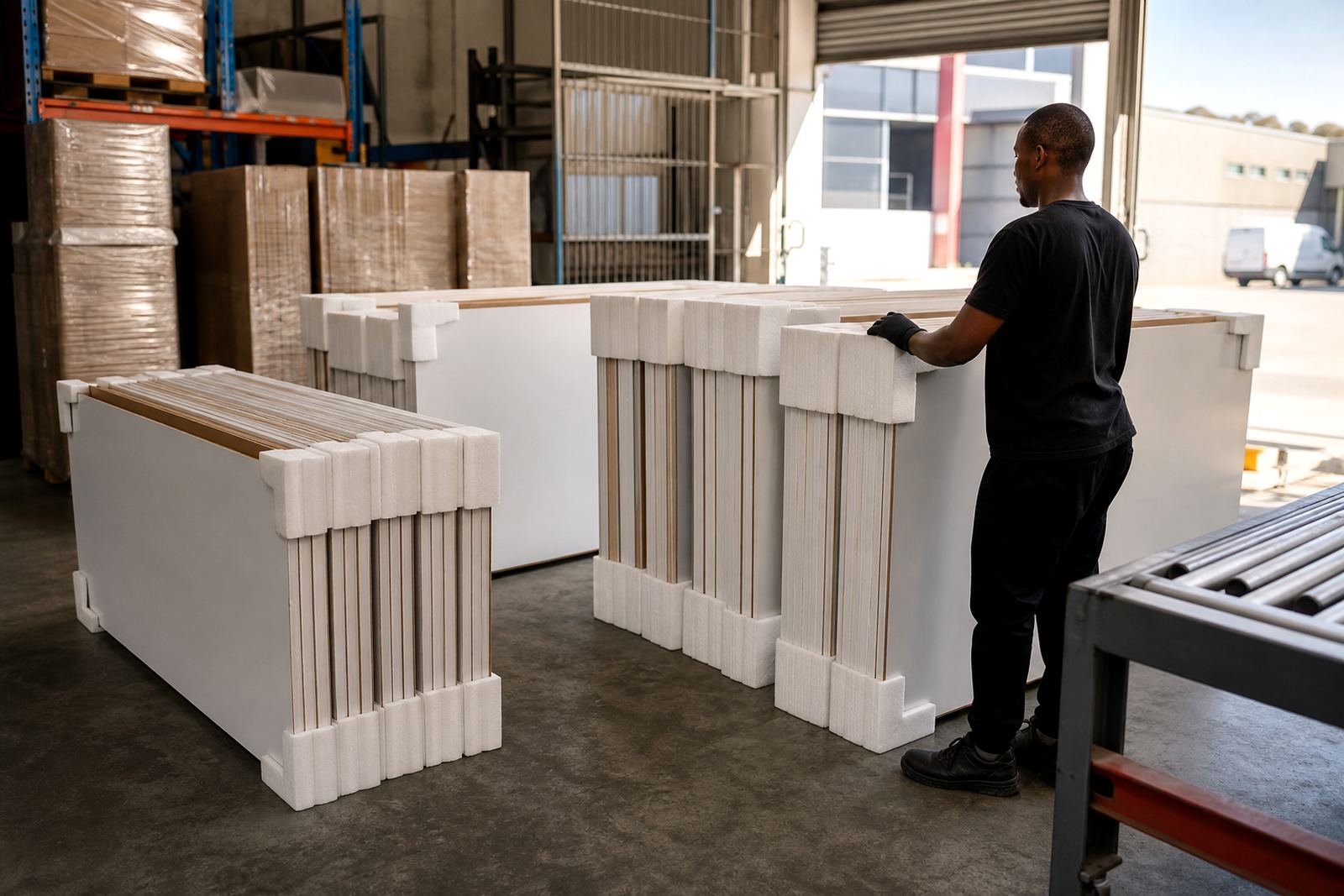
The project ran over three weeks from initial enquiry to final dispatch. In week one we worked through ink selection, compatibility checks and sample output. In week two the workshop confirmed the preferred settings after adhesion testing and curing guidance. In week three we supported production planning, packed the stock and arranged courier delivery for the next stage of the rollout.
That timeline suited the way the client was working. The facility could not stop for a full signage changeover, so the signs were produced in manageable batches. Our team stayed available for remote tech help if the operator needed to adjust a setting or check a print result before continuing.
- Week 1: selection and sample output
- Week 2: adhesion testing and curing guidance
- Week 3: production planning and dispatch
Adhesion results in Paarl
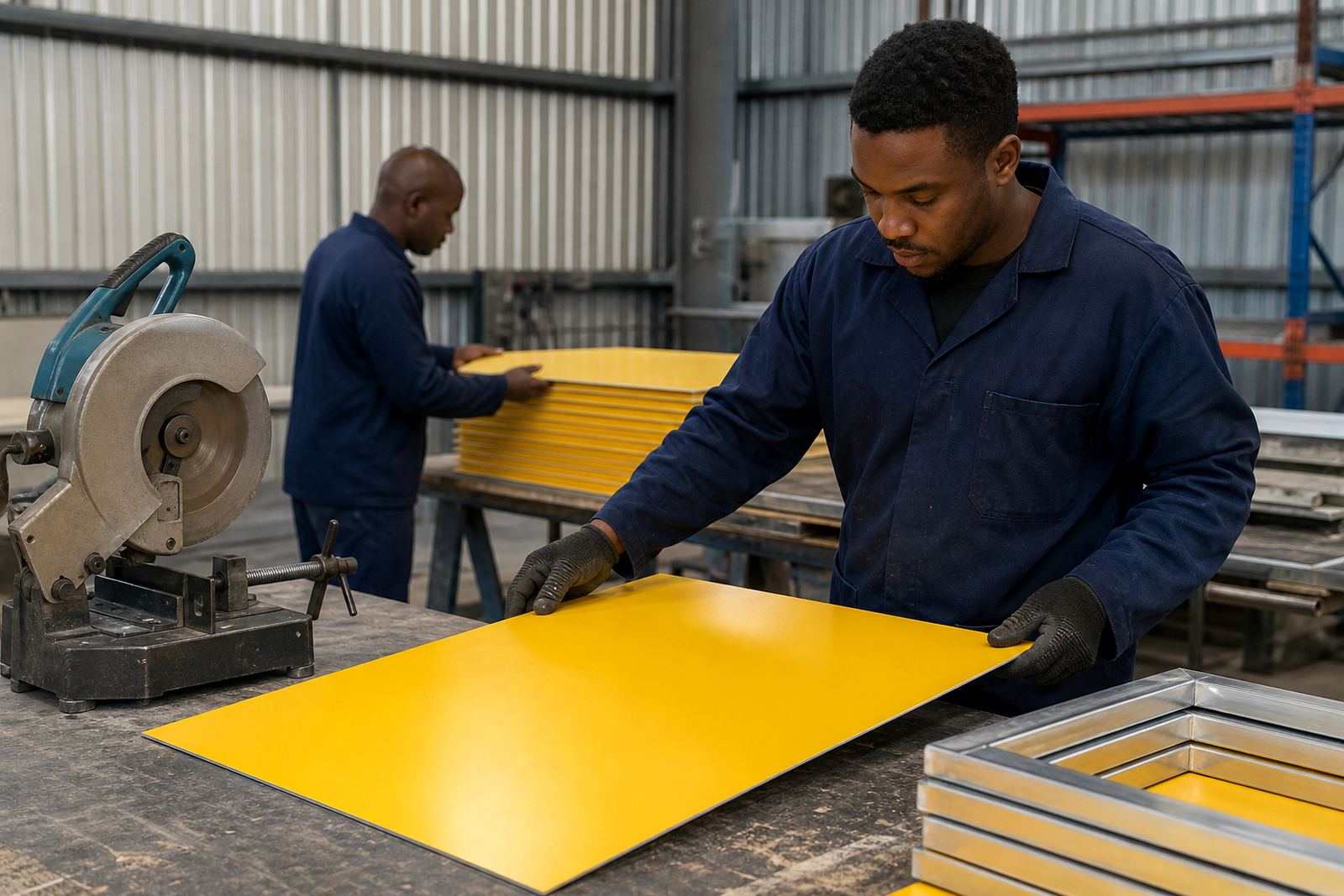
The finished signs gave the workshop a tidy, readable set of safety notices with steady colour and a clean finish on board stock. The client reported that the signs fitted the rollout schedule and held up well in use, with no need to rework the artwork after the first production decisions were locked in. That saved time and kept the team focused on the site work itself.
For a Paarl workshop, the real value was not just print quality but control. Once the ink and curing settings were settled, the batch process became easier to repeat. That made it simpler to add more signs later without chasing colour shifts or adhesion problems.
- Clear, readable safety signage for a facility rollout
- Consistent colour across batches
- Clean finish on durable board stock
- Less rework once settings were confirmed
What shaped this Paarl safety signs rollout
If we were handling the same type of job again, we would still start with compatibility checks and sample output before production. That step gives the operator confidence on adhesion, curing and colour before the full run begins. For safety signage, it is better to test first than to discover a problem halfway through a batch.
We would keep that same support setup around the job: sample pack prep, curing guidance, safe handling briefing and repeat order management. For customers in Paarl and elsewhere in South Africa, courier delivery from our Cape Town base helps keep stock moving without extra delay, whether the job is local or going out to Johannesburg, Durban, Pretoria or Gqeberha.
- Start with sample packs and adhesion testing
- Keep printer settings written down for repeat work
- Use courier stock support to maintain supply
- Brief operators on gloves and safe handling every time
Ink data
| Project | Paarl safety signs for a workshop rollout |
|---|---|
| Town | Paarl, Western Cape |
| Substrate | Durable board stock |
| Ink type | UV-curable inks |
| Production time | 3 weeks |
| Service support | Ink selection, curing guidance, adhesion testing, courier delivery |