
Panel brief for an indoor branding run
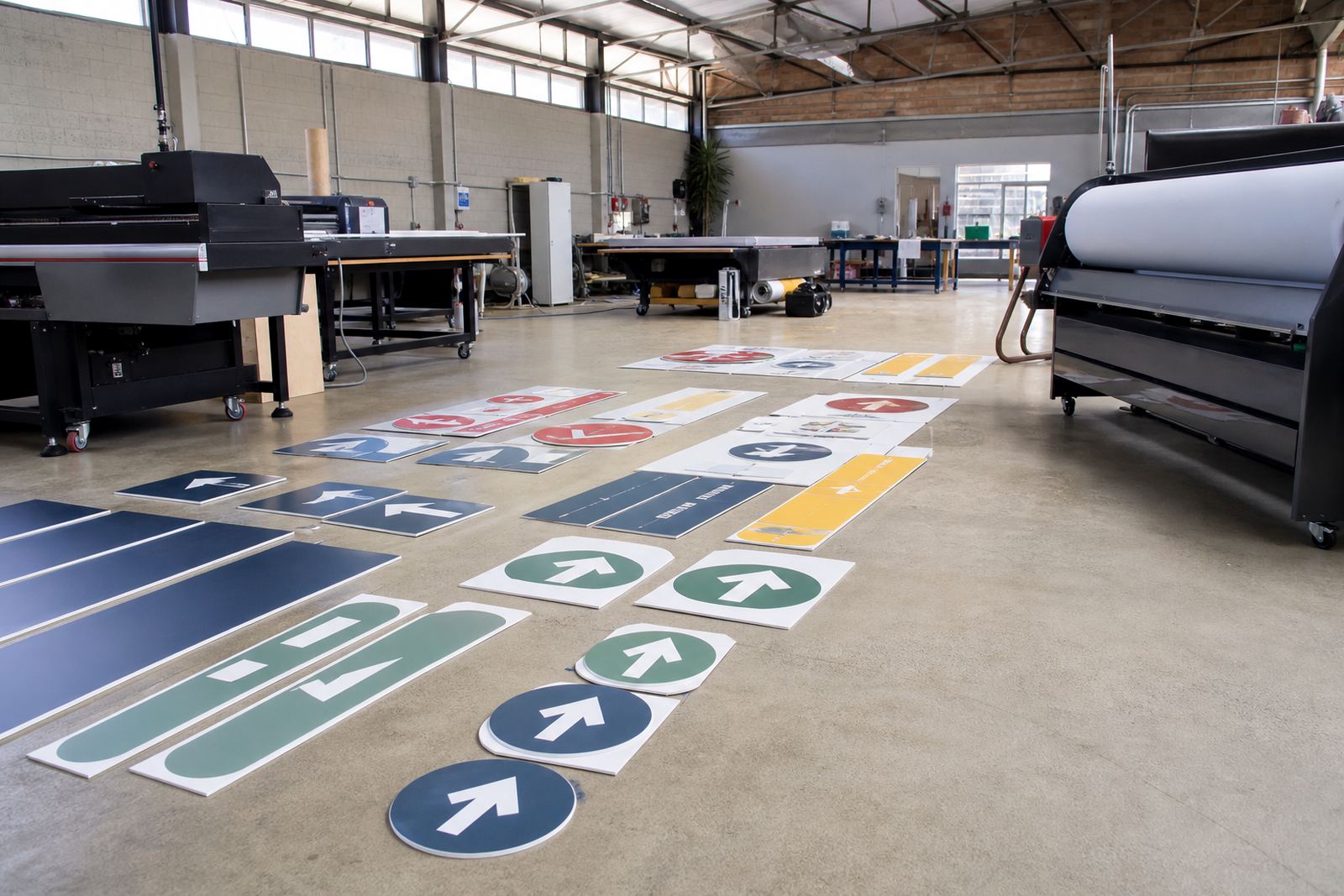
The client was a print provider in Gqeberha handling a set of acrylic and PVC panels for an indoor branding project. The work called for sharp text, clean solid colour and reliable finish on rigid sheets that would be handled, mounted and viewed at close range.
The brief was straightforward on paper, but the job had a few practical limits. The panels had to stay flat, the print needed to cure properly without overbaking the media, and the team wanted a repeatable process that could be used again on later orders. Since the panels were for indoor use, the finish still had to stand up to frequent handling and general cleaning.
- Media: acrylic and PVC panels
- Use: indoor branding display
- Print method: flatbed UV printing
- Primary need: colour consistency and reliable adhesion
Why UV-curable ink suited the job
UV-curable ink works well on rigid sign materials because it cures under UV light and bonds to the surface quickly. For acrylic and PVC, that means the printer can move from print to handling in a short space of time, provided the curing settings are correct and the surface is prepared properly.
For this order, the main technical point was adhesion. Smooth sheets like acrylic can be unforgiving if the ink laydown, curing intensity or cleaning routine is off. We guided the team on a test strip first, then adjusted the print approach so the cured ink sat neatly on the panels without losing edge definition. The result was a clean finish that matched the job spec and kept rework down.
- Fast UV curing for shorter handling times
- Suitable for flatbed and roll-to-roll systems where compatible
- Supports fine detail and solid colour blocks
- Needs correct curing and surface preparation for best adhesion
What we supplied from Epping, Cape Town
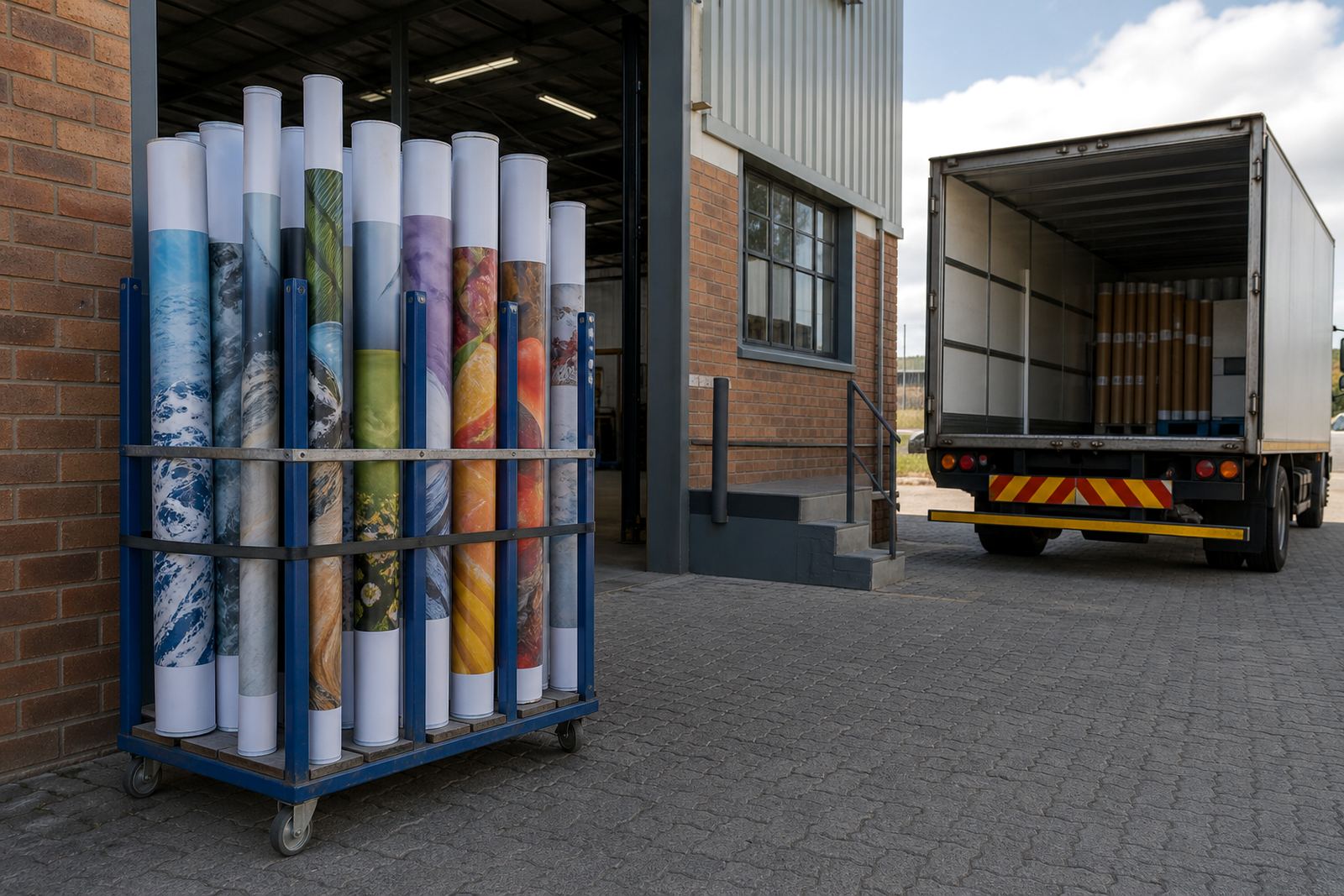
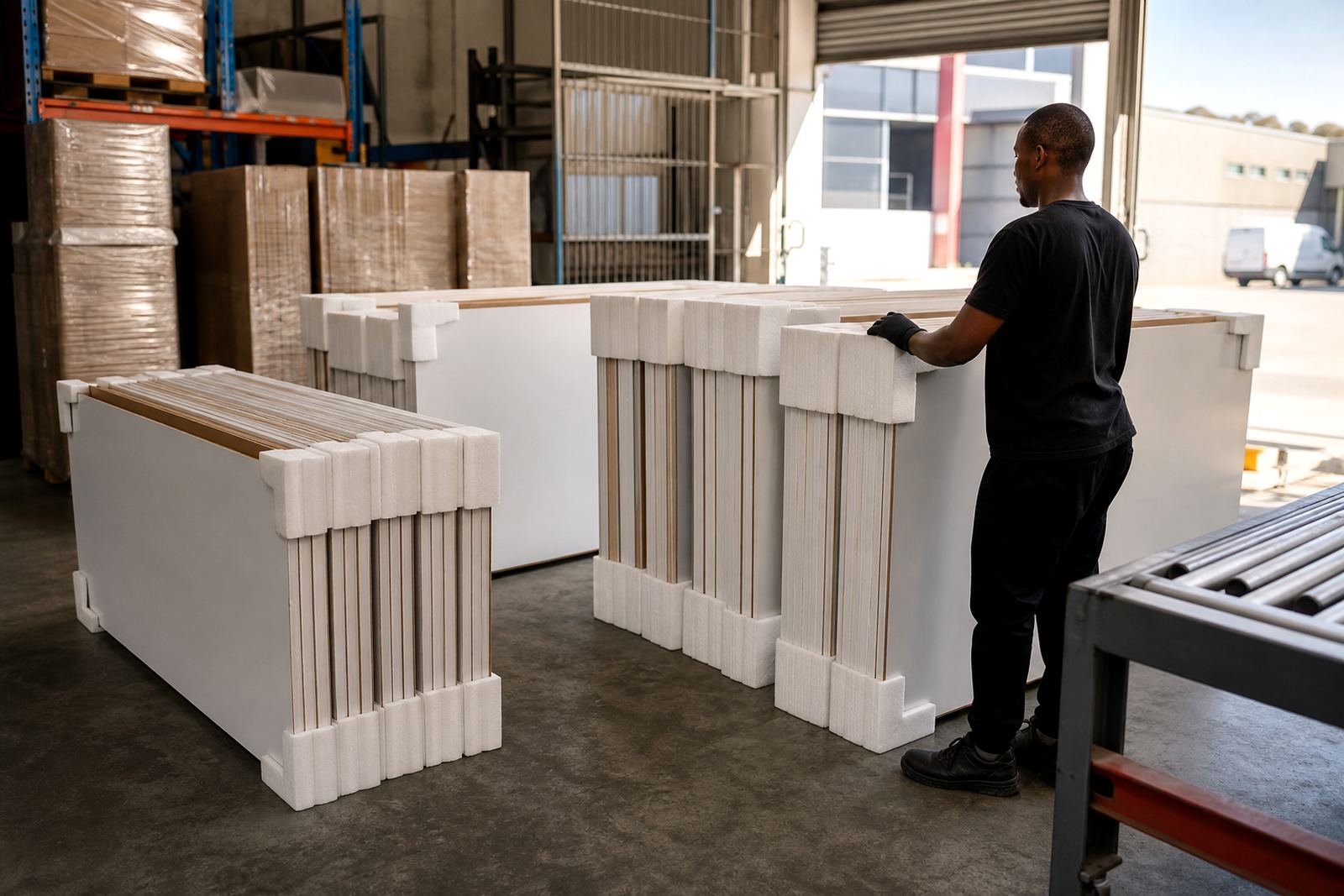
We prepared the order from our Epping base and coordinated courier delivery to Gqeberha. The supply included the UV-curable inks selected for the panel run, plus support on matching the ink set to the machine setup already in use at the print provider’s workshop.
Because the client was running more than one panel size, we also helped with sample pack prep and production planning. That meant the team could confirm behaviour on smaller sheets before committing the full order to the larger run. In a busy shop, this saves time and prevents avoidable mistakes when the first batch has to be right.
- Ink selection for the specific rigid media being used
- Compatibility checks against the printer setup
- Sample pack preparation for test output
- Courier stock support for delivery to Gqeberha
Curing and adhesion checks during production
The print provider wanted a practical, no fuss process they could repeat on future panel jobs. We spoke them through the curing guidance step by step, including how to watch for under-curing, over-curing and surface issues that can show up on acrylic and PVC. The team also used adhesion testing on a sample panel before starting the full production run.
That testing is what gave the job its confidence. Once the sample passed the basic handling and tape checks, the operator could continue with the batch knowing the print would hold up under normal indoor use. We also reminded the team to follow the safety data sheet, wear gloves when handling the ink and keep the work area tidy because UV inks need care during filling, cleaning and maintenance.
- Adhesion testing before full production
- Curing guidance matched to the printer and media
- Safe handling briefing and glove use
- Remote technical help during the run
Timeline, delivery and the final result
The project moved over two weeks from first enquiry to completed production support. The first week covered the brief, ink matching and sample pack prep.
By the end of the job the client had a stable process for acrylic and PVC panel output, with clear colour and good adhesion across the batch. The pieces were ready for mounting and the team had notes they could use again for follow-up work. That matters on recurring panel orders, especially when the same printer is used for different board sizes and repeat signage sets.
- Week 1: brief, compatibility checks and sample prep
- Week 2: production support, curing checks and completion
- Outcome: consistent print quality and reliable handling
- Follow-up: repeatable method for future panel work
Kept for the next ink order
If this same panel job came in again, we would follow the same path: confirm the substrate, check the printer setup, test the cure and check adhesion before the full run. For rigid indoor panels, those basics save time and prevent costly reprints.
We would also keep the communication practical. A shop in Gqeberha may be working around courier cut-offs, coastal humidity and a packed production schedule, so clear instructions and quick support help the job stay on track. The aim is simple, give the printer a reliable ink plan that works on the machine they already have and fits the panel stock in front of them.
- Confirm substrate before production starts
- Run a small test for cure and adhesion
- Keep curing settings consistent through the batch
- Use repeat order notes for future panel runs
Ink data
| Project type | Indoor panel branding for acrylic and PVC sheets |
|---|---|
| Location | Gqeberha, Eastern Cape |
| Print process | UV flatbed printing with UV-curable inks |
| Media used | Acrylic panels and PVC panels |
| Timeline | 2 weeks from enquiry to production support completion |
| Support provided | Ink selection, adhesion testing, curing guidance and courier delivery |