
Durban shopfront refresh: the brief and the site conditions
The project came from a coastal graphics installer working on a busy shopfront in Durban. The job sounded simple at first, but the site conditions left little room for error: replace tired printed panels, add clear film detail to selected windows, and keep the finish sharp enough for pedestrian traffic, bright afternoon light and the salty air that sits on Durban’s frontage areas.
The client needed UV-curable inks for a flatbed and roll-to-roll print mix, with good adhesion on vinyl and clear film and a fast cure so panels could be handled and installed without long wait times. The site had a few limits that matter on real jobs. There was limited access outside trading hours, a narrow pavement for unloading, and a need to avoid any smell or residue that might affect the shop opening the next morning. We also had to account for summer humidity and the fact that coastal cleaning routines can be heavier than inland sites.
The installer asked for support on colour matching, finish consistency and the best way to set up the print and cure sequence so the graphics would stay crisp after trimming and application. We treated the job as a 2 week production and install window, with the first week focused on material checks, sample output and approvals, then the second week on production, packing and application.
What was supplied for vinyl and clear film output
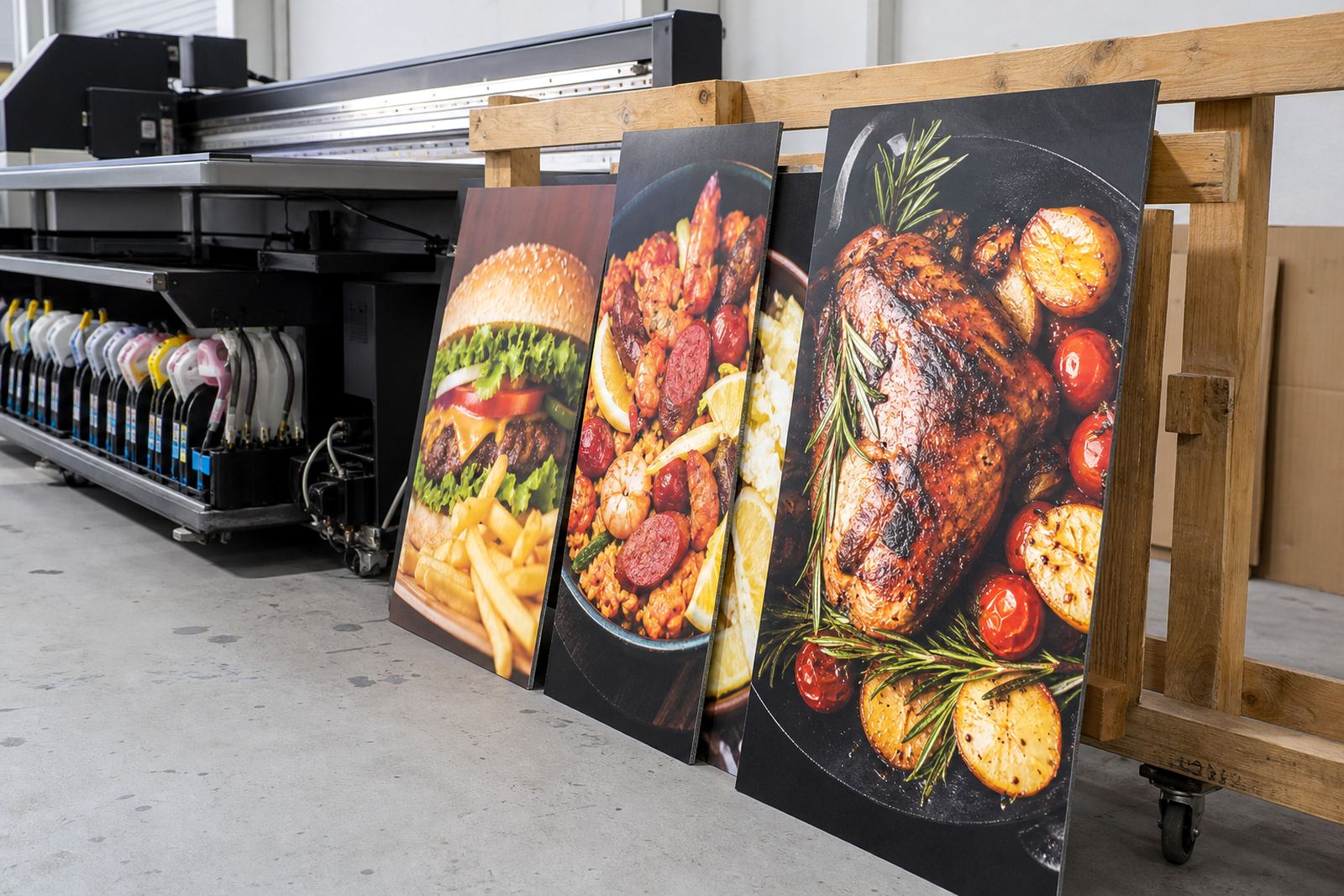
We supplied UV-curable inks chosen for good printer compatibility across the shopfront production set-up, plus sample packs for the installer to test before full run production. The job used white, process colour and spot support to build the final graphics on self-adhesive vinyl and transparent film. For clear film areas, the print plan needed clean opacity control so the graphics read well from the pavement without flooding the window with heavy coverage.
The supply package and support work included:
- Ink selection matched to the printer set-up and media type
- Compatibility checks for vinyl and clear film handling
- Adhesion testing on sample strips before full production
- Curing guidance for lamp settings, speed and pass count
- Colour trial support to check tone under daylight and shade
- Sample pack prep for pre-approval on site
We also discussed operator handling so the team could keep the print stable through the full run. That included start-up checks, nozzle watchpoints, and how to judge whether the cure level was ready for cutting or lamination. On this type of work, small changes in heat, humidity and media batch can make a difference, so we prefer to keep the control points simple and clear.
Adhesion, curing and why the coastal environment mattered
UV-curable inks work by curing under ultraviolet light, turning the ink film from a liquid state into a dry, bonded finish on the substrate. For shopfront graphics, that means the printed surface needs enough cure to handle trimming, cleaning and touch contact, but not so much heat or stress that the film distorts. On this Durban site, curing was handled with care because coastal humidity can affect the way some media sits before and after print, especially on clear film.
We advised the installer to check adhesion on the exact batch of vinyl and window film before committing to the full job. That sounds minor, but it saves a lot of grief when the sign comes off the bed and has to be installed by a set time. We also flagged that edge lift can start when surface prep is rushed or when a film is applied to a dusty frame. The fix is not fancy, just good prep, clean hands, and proper curing. Gloves should be worn at all times and the safety data sheet must be followed for mixing, storage and handling.
Because the storefront sat close to street level, the graphics also had to tolerate regular wiping and some glare from the afternoon sun. The ink choice supported that without needing a heavy overprint on every panel, which helped keep the final look cleaner. There was a small delay in sample approval due to a frame measurement query, but it was sorted quickly and the print plan stayed on track.
Print production, packing and site delivery in Durban
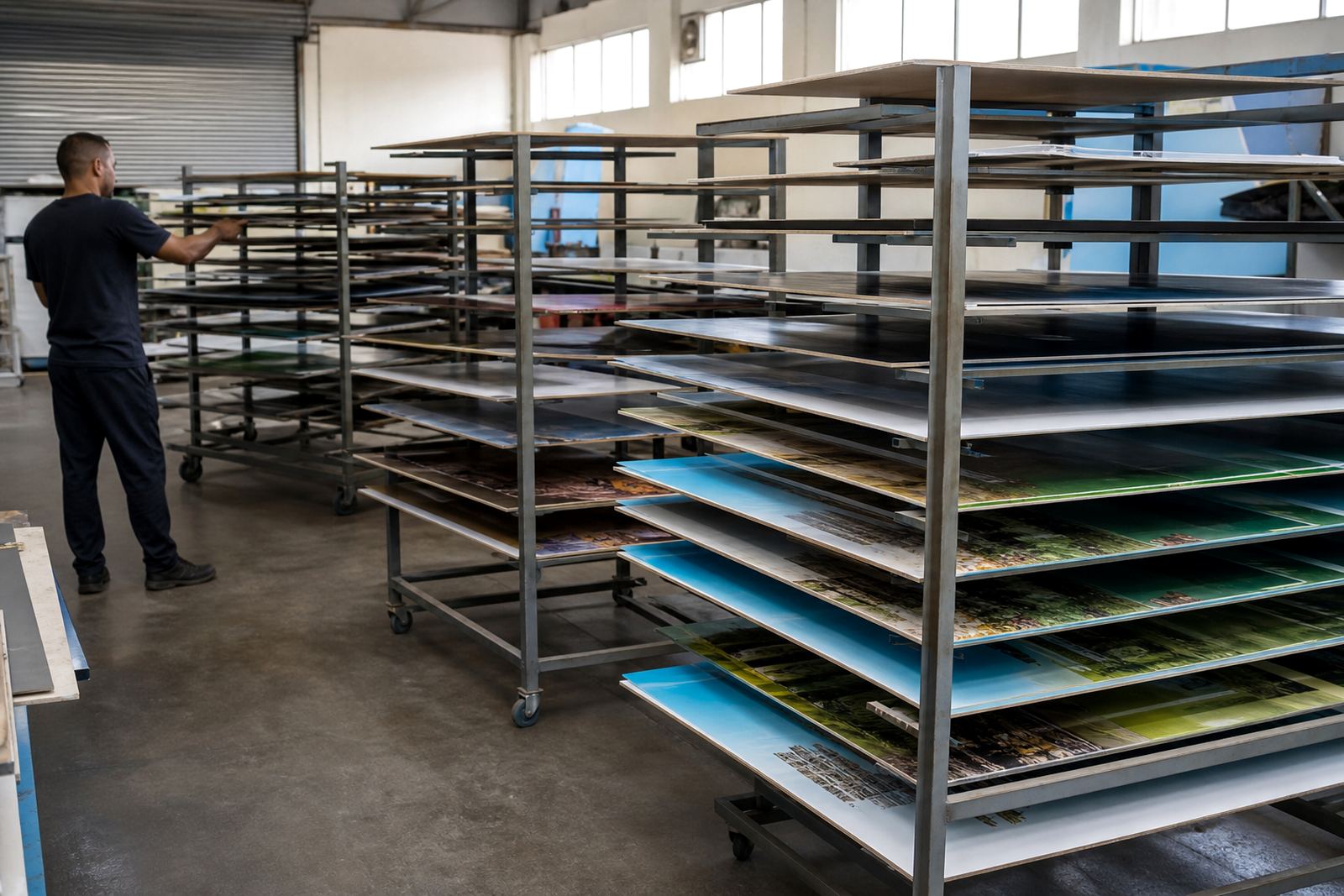
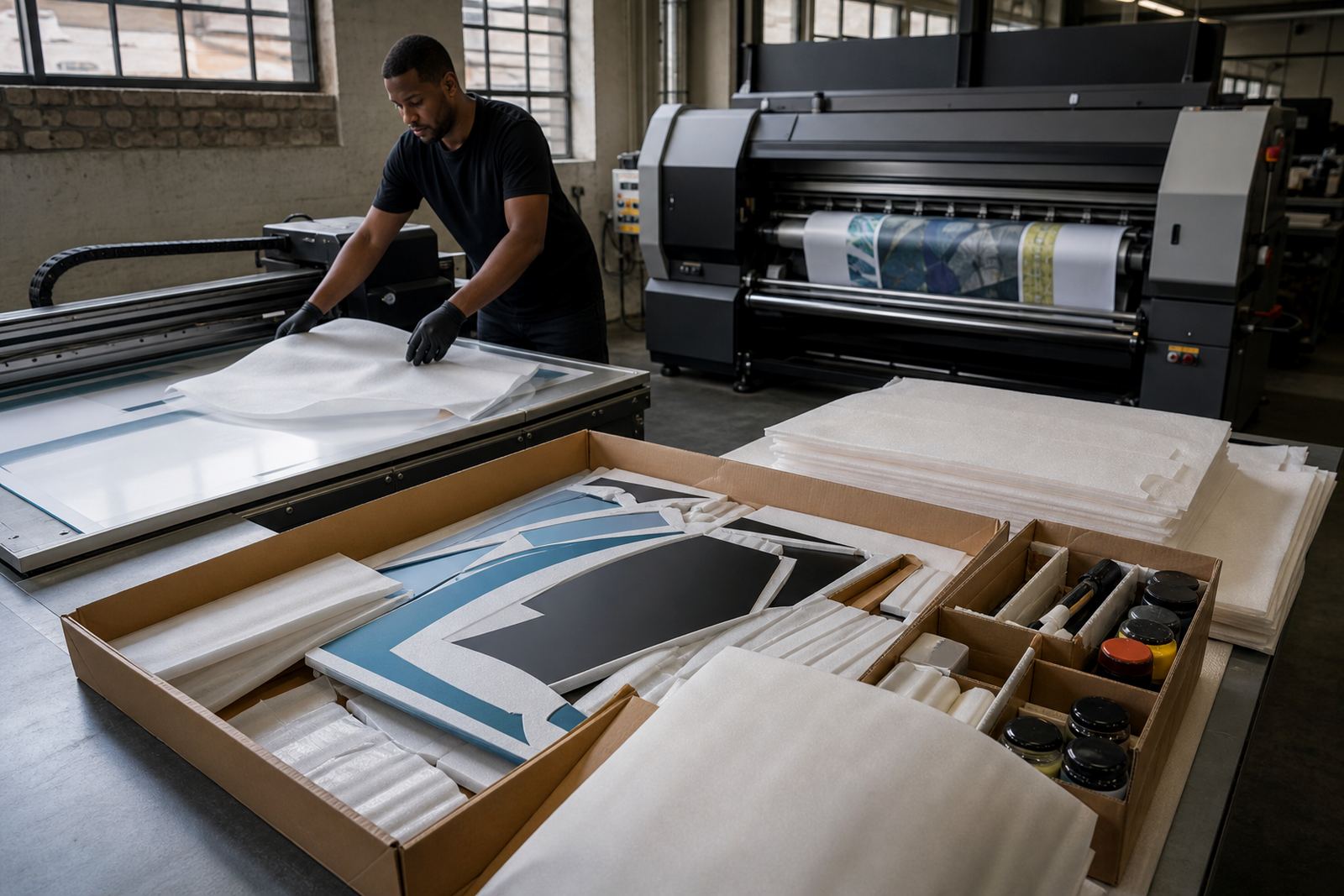
Once the sample was signed off, production moved into the main print run. That made trimming easier and reduced handling marks. Clear film pieces were packed flat and separated carefully so they would not stick together in transit, which matters more than people think on warm days.
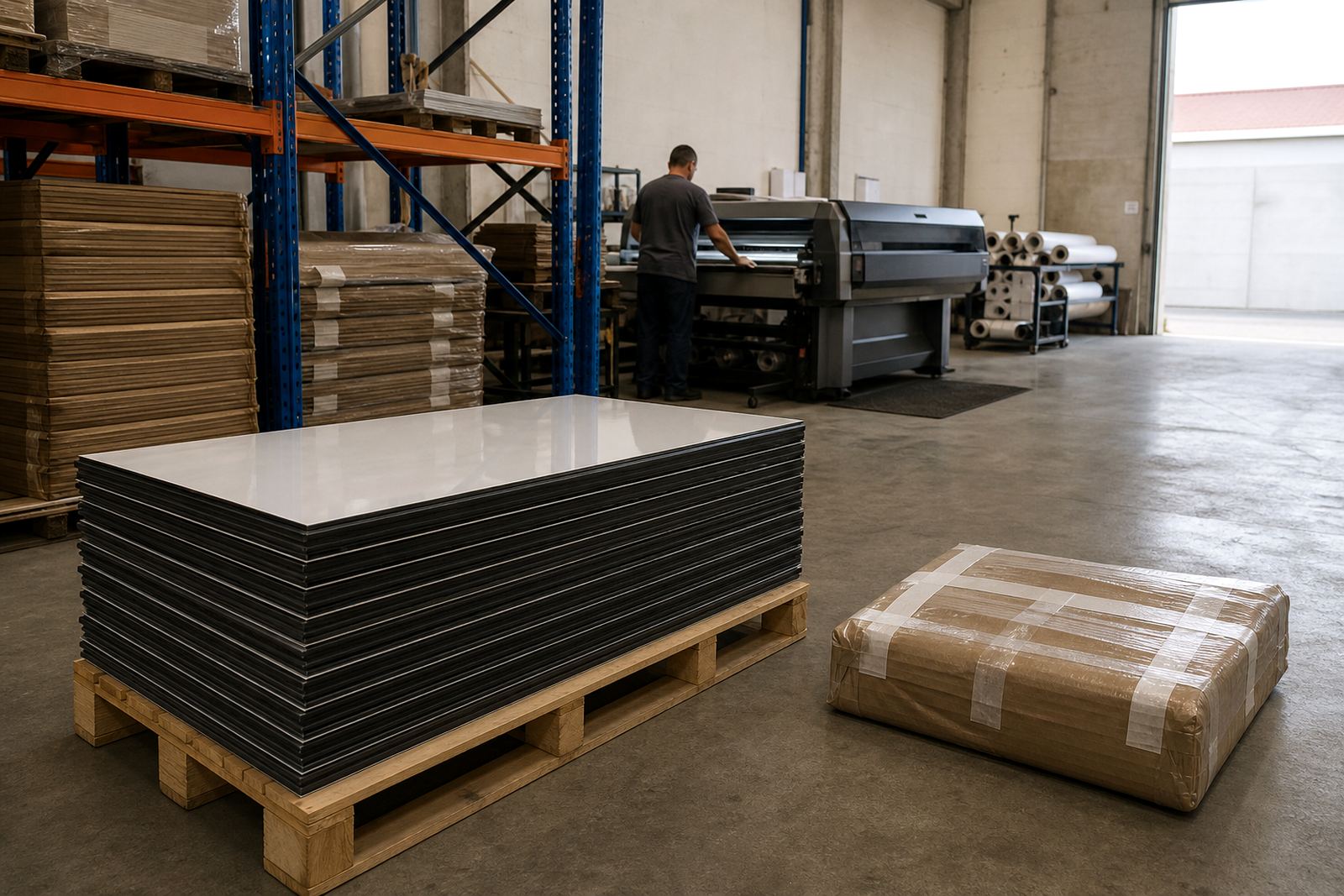
Our role was to keep the supply side steady and practical. We arranged courier stock support from our Epping base and kept the team updated on dispatch timing, because shopfront work often depends on after-hours access and a tight handover. For Durban delivery, the goal was simple: materials arrive ready for production, with no surprises on colour batch or packaging condition.
- Timeline: 2 weeks from sample prep to final install
- Output: vinyl panels and clear film graphics for a refreshed frontage
- Support: remote technical help during print setup and cure checks
- Delivery: couriered stock to Durban with packing suited to heat and handling
The operator training touched on repeatability too. If a reprint is needed later, the mix, cure and feed settings should be recorded properly so the next batch matches the first one as closely as possible. That is especially useful for retail sites where a replacement panel may be needed after damage or a layout change.
Printer setup and cure testing
The finished frontage gave the store a cleaner, more visible look without overloading the windows. Printed vinyl carried the main brand messaging, while clear film sections added detail where the client wanted light to still pass through. The ink cured cleanly, the graphics held their edge, and the installer reported good handling during placement and trimming.
From a practical point of view, the biggest win was speed. The combination of proper sample testing, clear curing guidance and controlled packing meant the team could print, check and install within the planned 2 week window. That matters in Durban where weather can turn and trading hours are not always forgiving.
The client also had fewer issues with visible handling marks because the team used the right gloves and kept the media clean during install. Small thing, big difference. On a busy pavement-facing site, a clean finish is what people notice first.
What we would repeat on the next shopfront job
If we were doing this one again, we would keep the same structure: sample first, confirm compatibility early, and split the production into manageable sections. That approach works well for Durban, Cape Town and other coastal areas where humidity and salt can make materials behave a little differently from inland sites. We would also keep the curing notes tight and practical so the installer can replicate the finish on future panels.
For any shopfront graphics project, the important part is matching the ink to the printer, the media and the site conditions. If those three line up, the rest is mostly good housekeeping. We would also keep a clear record of what was printed, which side of the window it went on, and the final cure settings used. That makes repeat orders faster and keeps the result consistent across future updates.
UV Ink supports this kind of work with ink selection, adhesion testing, curing guidance, colour trial support, safe handling briefing and repeat order management. If your team is planning a Durban frontage refresh, or a similar job in Cape Town, Johannesburg, Pretoria or Gqeberha, the same approach applies: check the substrate, cure properly, and handle the materials with care.
Ink data
| Project type | Shopfront graphics for a coastal retail site |
|---|---|
| Town | Durban |
| Print materials | Self-adhesive vinyl and clear film |
| Ink type | UV-curable inks for flatbed and roll-to-roll printers |
| Timeline | 2 weeks |
| Support included | Compatibility checks, adhesion testing, curing guidance and remote tech help |