
When window graphics need to do more than just fill a pane
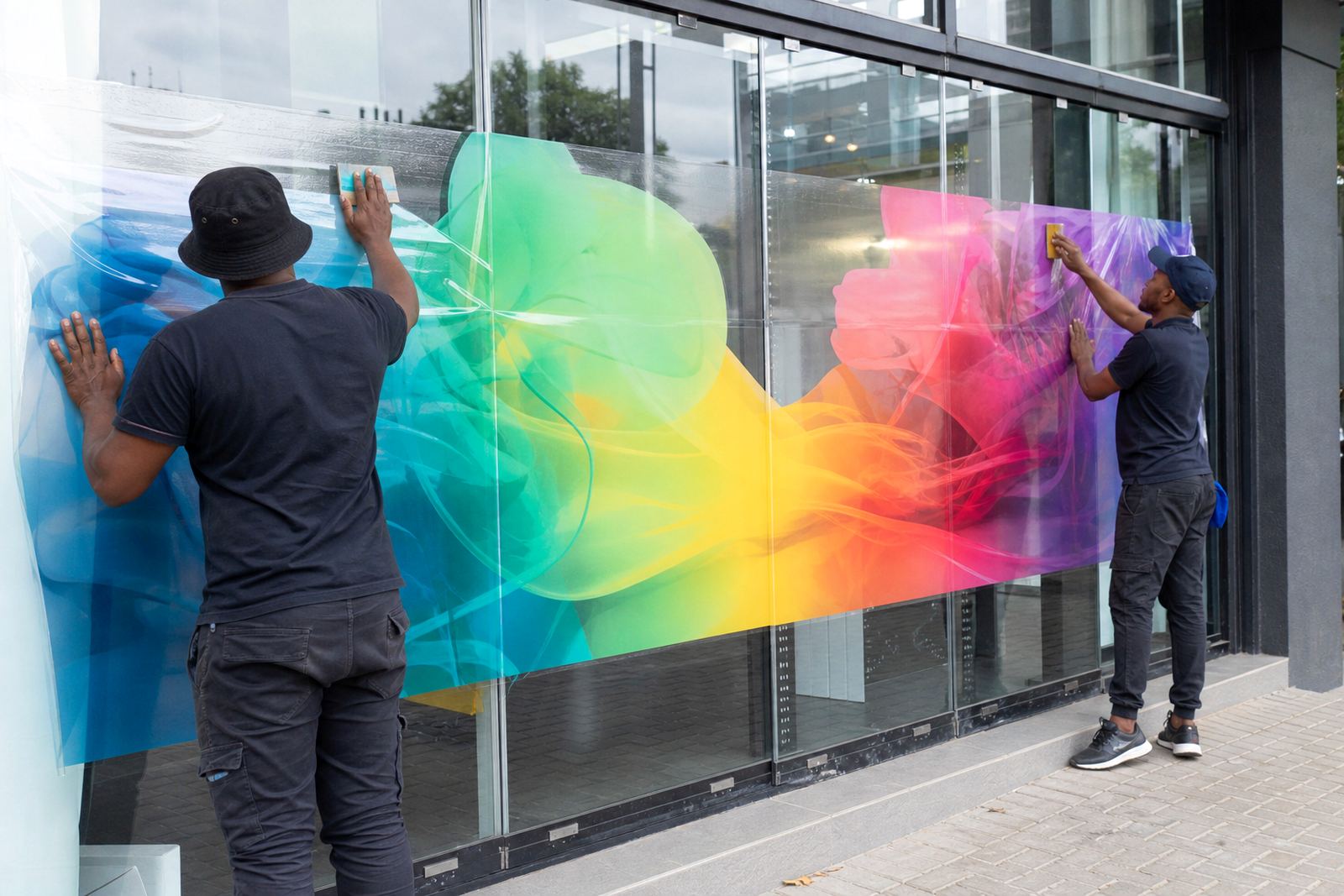
Window graphics are used on shopfronts, offices, glass balustrades, meeting rooms and vehicle showrooms where the print must be clear, tidy and easy to read from a distance. In Cape Town, Johannesburg and Durban, the same job can face very different conditions. Coastal humidity, strong sun, glass cleaners and daily touch all play a part, so the ink choice matters as much as the artwork.
UV-curable inks are often chosen for these jobs because they cure quickly under UV light and can deliver a sharp finish on suitable media. That fast curing helps reduce smudging during handling, which is useful when graphics must be cut, weeded or installed soon after printing. For reverse prints, frosted effects or layered white, the ink needs to stay stable and bond properly to the film or coated substrate.
At UV Ink in Epping, Cape Town, we support window graphic work for flatbed and roll-to-roll printers across South Africa. Clients usually come to us when they need consistent colour, better white coverage or help checking whether a film, glass treatment or printer setup will work together.
Typical printer set-ups for film, glass and layered white
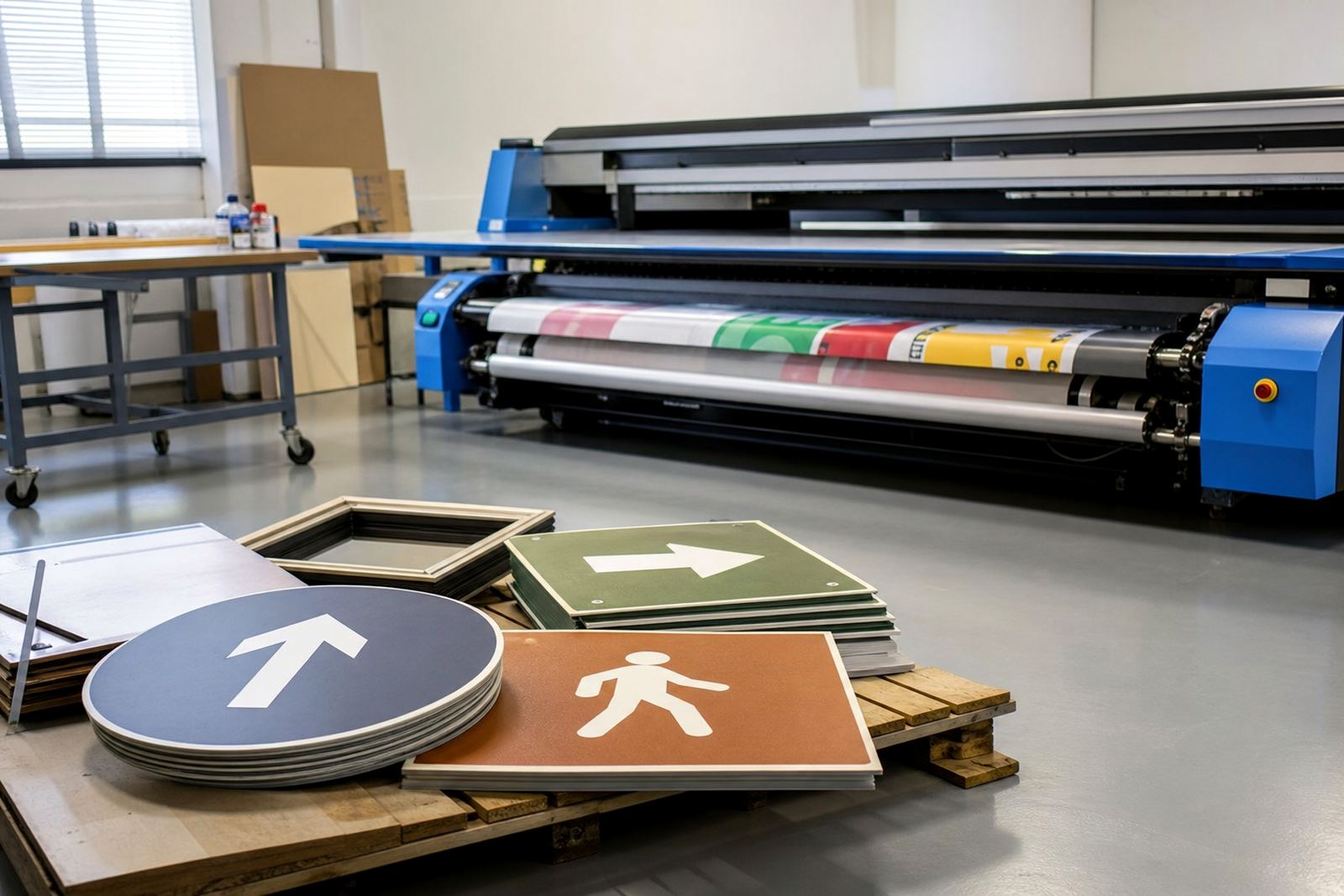
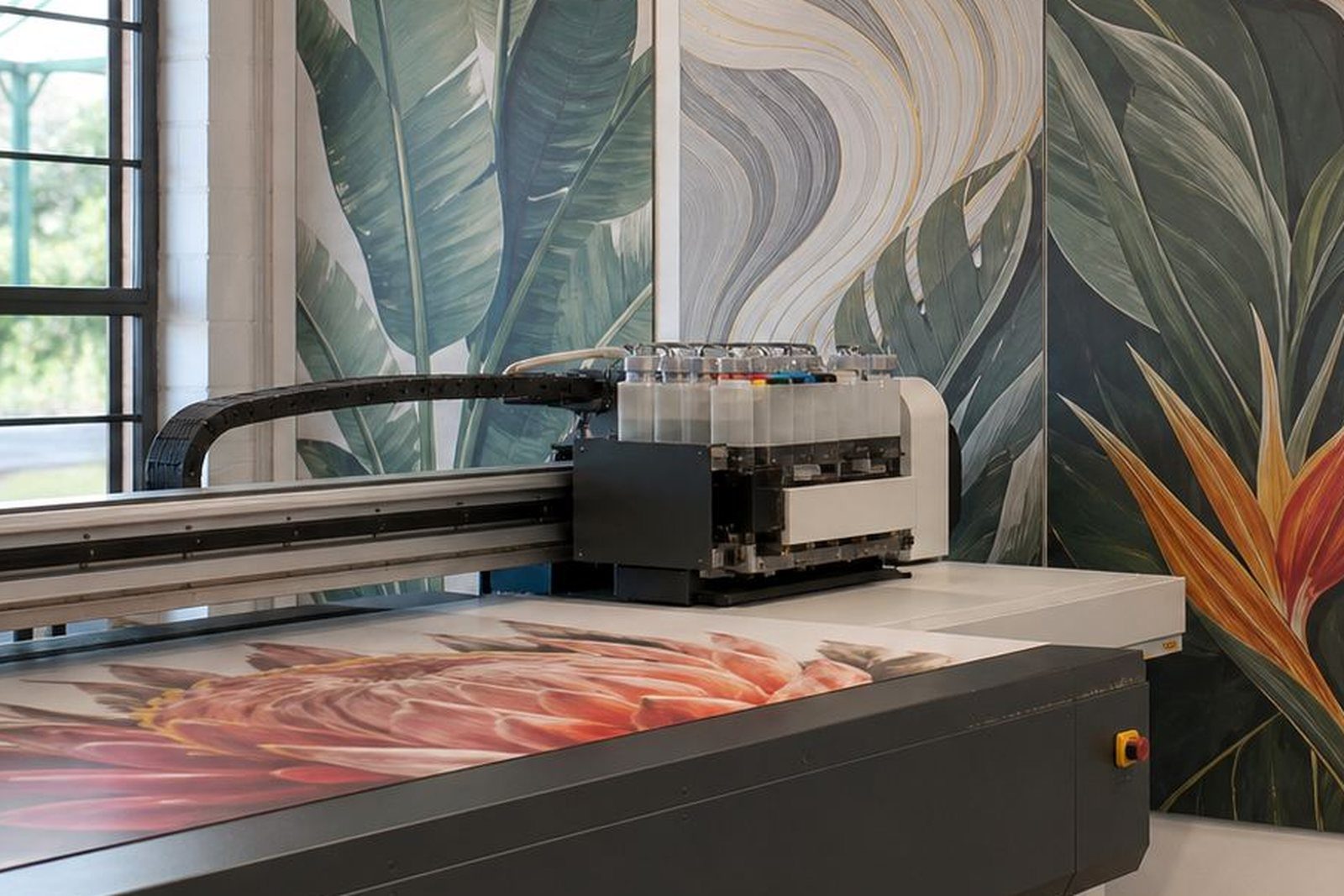
Window graphics are often produced on roll-to-roll printers for self-adhesive films, or on flatbed printers where rigid panels, inserts or specialist sheets are involved. The ink must suit the machine's head configuration, curing system and intended media. Compatibility is not something to guess at, because a good result depends on how the ink wets the surface, cures through the layer and holds up in use.
- Roll-to-roll printers for clear, white or tinted adhesive films
- Flatbed printers for rigid window panels or mounted display pieces
- White ink systems for backing, highlights or block-out layers
- Colour channels that need stable density for logos and text
- Pre-cut or printed-and-cut workflows for neat edge finishing
For many window jobs, the main challenge is not just colour. It is how the print sits on the substrate after curing. If the surface has dust, release residue or improper coating, adhesion can suffer. That can show up later as lifting at the corners, weak scratch resistance or patchy white coverage. When we look at a job, we often start with the media type, printer model, curing setup and end use before suggesting any ink route.
Planning the layout before the first sheet goes through the printer
Good window graphics start with a practical layout plan. That means measuring the glass properly, checking sight lines and deciding whether the print will be viewed from inside, outside or both. For glass partitions in offices, the design may need privacy while still allowing light through. For shopfronts, the artwork may need to hold attention from the pavement without blocking all visibility into the store.
White ink is often central to this planning. A single white layer may be enough for simple backdrops, but heavier opacity is usually needed where the artwork sits over dark interiors or reflective glass. On clear film, the order of layers matters too. Reverse print jobs may need a colour layer, then white, then adhesive-facing protection, depending on the application method and media style.
- Allow for seal lines, handles, hinges and window frames
- Keep small text legible at viewing distance
- Test white density on the exact film before full production
- Plan trimming and application so the installer does not have to fight the artwork later
We also advise on colour trial support and sample pack prep where needed. That helps avoid surprises when a dark logo prints a shade lighter than expected or a clear area turns hazy after curing. In a place like Bellville or Paarl, where many clients want practical, repeatable signage for offices and retail fronts, that bit of planning saves time on site.
Common mistakes that cause poor adhesion or dull print results
Window graphics can look simple on paper, but a few small errors can spoil the job. One of the most common is printing on a film that has not been properly checked for ink compatibility. Another is pushing the printer too fast and ending up with weak curing or ink that feels dry but has not fully set.
Handling is another issue. Dust, fingerprints and stack pressure can all affect the finish, especially on white ink work. In busy production rooms, sheets may be moved too soon after printing, or stacked before they are fully ready. On window graphics, that can leave marks, dull patches or scuffing along the edges.
Common errors we help clients avoid include:
- Using the wrong media for the intended exposure to sun or moisture
- Skipping adhesion testing on a new film or glass treatment
- Under-curing or over-curing the print
- Ignoring temperature and humidity in the production space
- Forgetting to allow enough drying and handling time before cutting or packing
For coastal areas such as Gqeberha and Durban, humidity can change how a substrate behaves during printing and storage. Good production planning helps, but the ink system must be suitable from the start.
Getting the cure right on your printer
UV-curable inks should always be handled with care. Follow the safety data sheet for the product in use, wear gloves and keep the work area clean. If operators are mixing, cleaning or changing consumables, they should know exactly how to handle the materials and what to do if ink touches skin or equipment. That is standard practice, not a nice-to-have.
Curing guidance matters just as much as the ink itself. The right setting depends on the printer, lamp output, pass count and media thickness. Too little curing can weaken adhesion. Too much can make some films brittle or affect colour on certain substrates.
Our team supports customers with remote tech help, safe handling briefing and operator training where needed. We work from Epping, Cape Town and arrange We courier UV ink to Cape Town, Johannesburg, Durban, Pretoria, Gqeberha and other centres. Repeat order management is also useful for busy sign shops that need the same white ink or colour set every month without chasing stock at the last minute.
Budget ranges for window graphics jobs in Rand
Window graphics budgets vary depending on size, media, ink coverage and whether white layering or trial prints are needed. A small office privacy panel may need only a modest ink allowance, while a full shopfront with reverse print, white backing and multiple test runs can use far more. It also depends on whether the job is a one-off or part of ongoing production.
As a practical guide, clients often plan budgets in these ranges for ink-related production on window graphics:
- Small sample or test run: R250 to R800
- Short production batch for a single site: R800 to R2 500
- Multi-panel retail or office rollout: R2 500 to R8 000
- Higher coverage work with white layers and repeat runs: R8 000 and up
These figures are only a working guide. They can shift with printer setup, media choice and the amount of trial work required. If you are planning a new window graphic line for a shop in Pretoria, a franchise in Johannesburg or a coastal office in Cape Town, it is worth checking compatibility first so the budget goes into the print, not into wasted material.