Why opened UV inks need extra care
UV-curable inks are made to stay stable in the container and then cure under the right UV light on the printer. After opening, they are more exposed to dust, moisture, heat and accidental contamination from caps, funnels and cloths. That matters in South African print rooms where the day may start cool in Epping and end hot by mid-afternoon, or where coastal humidity in places like Gqeberha can affect storage conditions.
Opened ink should never be treated like a general workshop liquid. A bottle with a loose cap, a dirty neck or a label that has worn off can lead to blocked filters, uneven flow and weak adhesion on the final job. If an ink has been opened for a while, always check the safety data sheet and follow the handling notes for that product before use.
Keep the container clean, sealed and upright
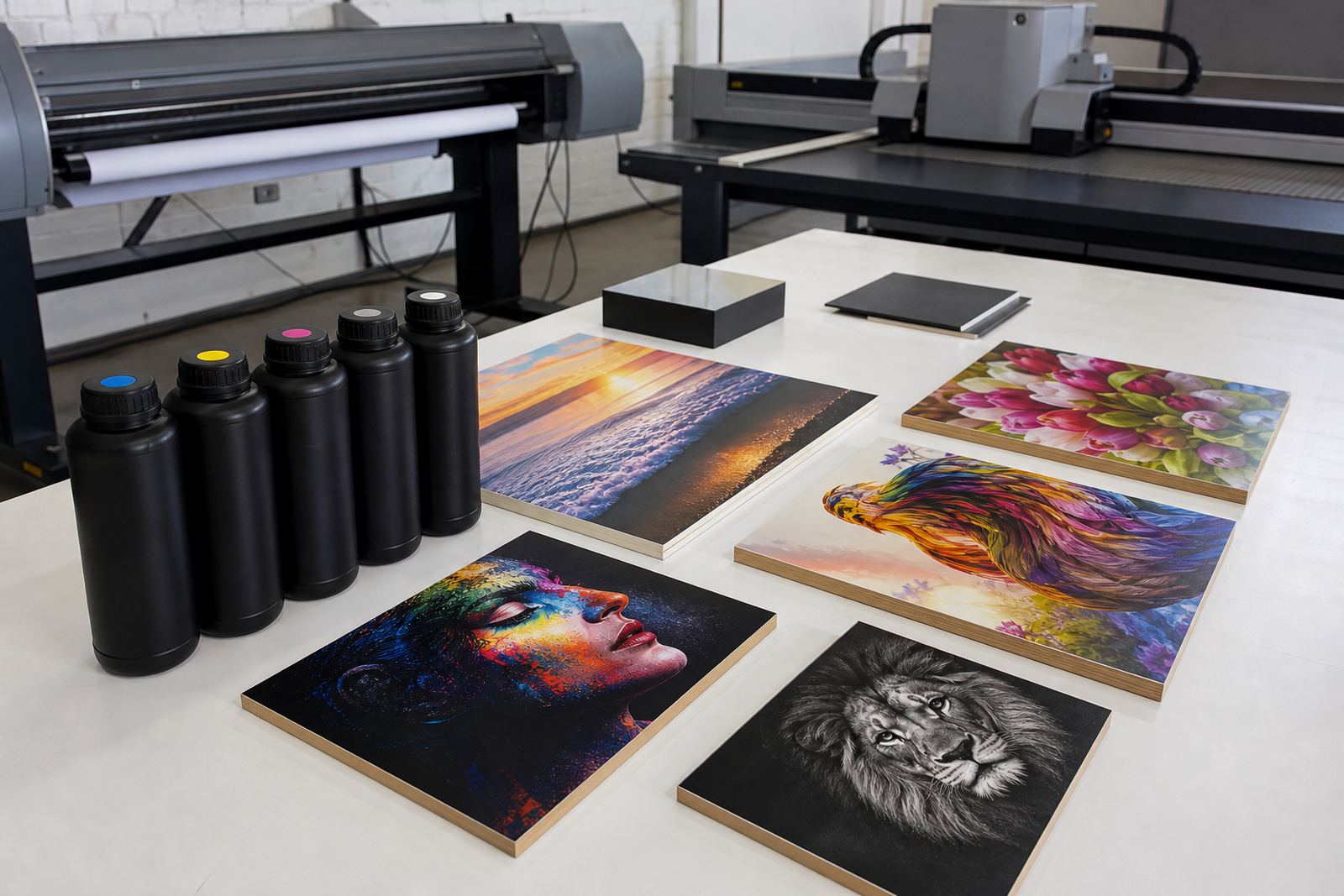
The simplest rule is also the most important: close the container properly every time. Wipe the neck before refitting the cap, then tighten it so the seal is firm without forcing it. Store opened ink upright on a stable shelf, away from direct sun and away from any area where grinding, cutting or sanding is taking place.
In a small production room, it helps to assign one storage point for opened stock and another for fresh stock. That reduces the chance of the wrong lid going onto the wrong bottle and keeps older ink from getting mixed with new material. If a bottle has tipped over or the seal looks damaged, do not just carry on using it. Inspect it carefully first.
- Wipe splashes from the bottle before putting it back on the shelf.
- Keep caps attached to the correct container, not loose in a drawer.
- Do not decant more than you need for the shift.
- Label the bottle with the opening date if your workflow needs it.
Good housekeeping around the press protects the ink
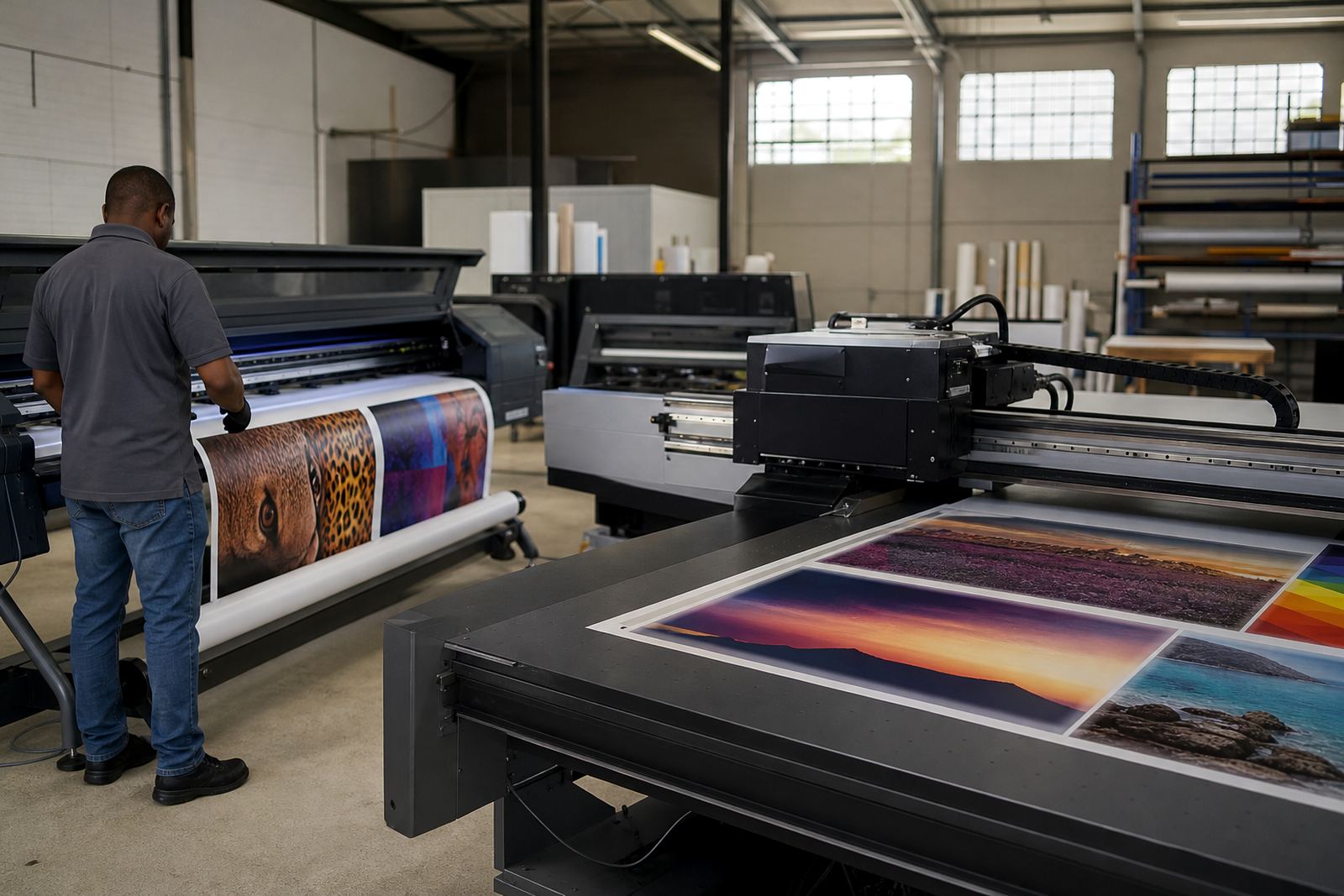
Open ink problems often start outside the bottle. Dust from media trimming, dried overspray, lint from rags and even a sticky workbench can all find their way into the ink path. Housekeeping is not just about appearances. It is part of keeping the printer consistent from the first metre of media to the last.
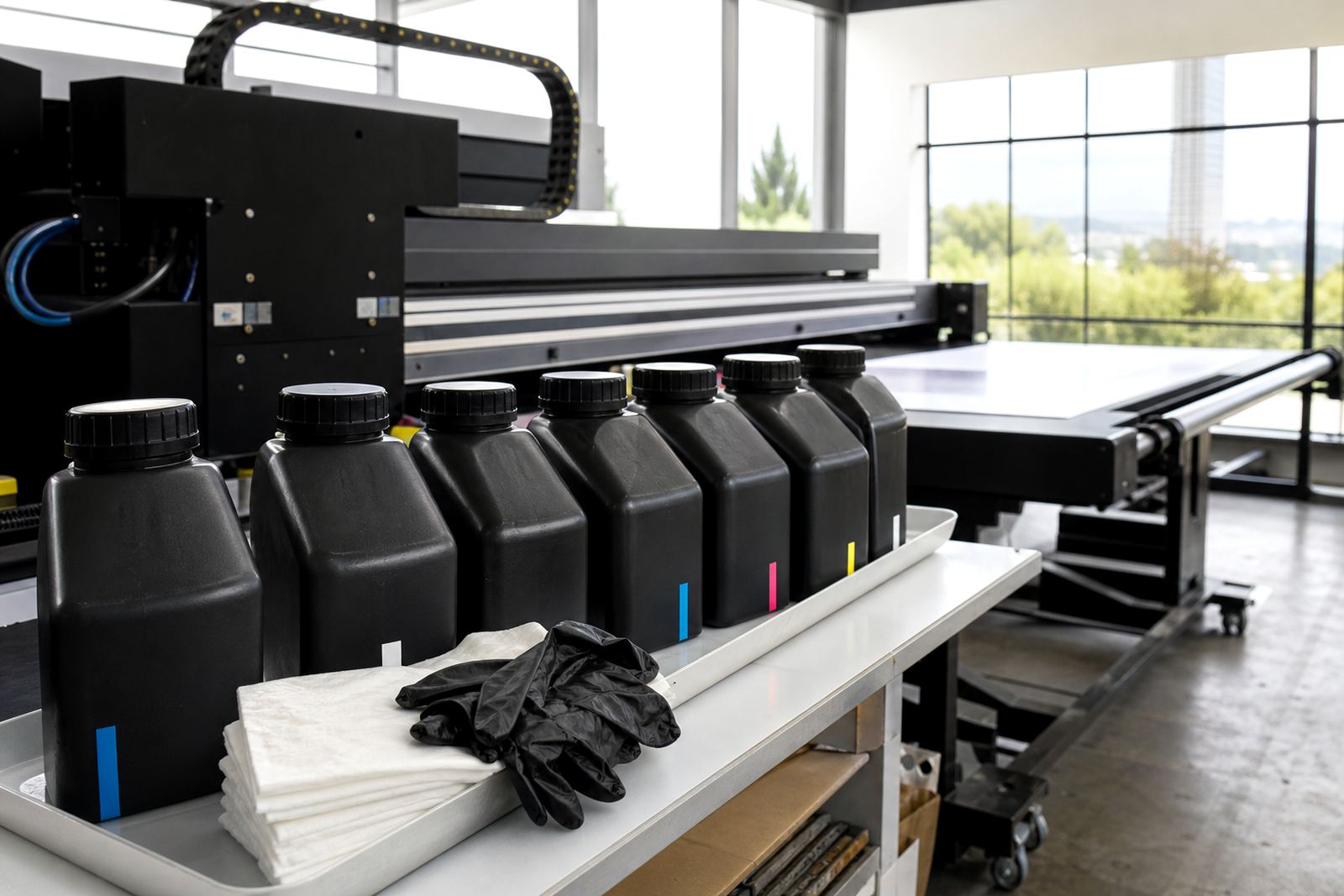
Before filling a tray or cartridge, clear the area and use clean tools only. Wear gloves when handling UV ink and do not touch the nozzle or funnel surfaces with bare hands. Skin contact should be avoided, and any spills should be cleaned up promptly using the method listed on the safety data sheet. In open spaces, keep food and drinks well away from the print area, because one careless cup near an open bottle can lead to trouble.
- Use lint free cloths for wiping, not old rags that shed fibres.
- Keep lids, funnels and mixing sticks in a clean tray.
- Remove cured scraps from the bench before refilling.
- Wash hands after handling ink even when gloves were worn.
What to watch for before putting opened ink back into production
Before using an opened container, take a minute to check the look and feel of the ink. You are looking for signs that something has changed since the last job. If the ink smells unusual, looks lumpy, has separated badly or contains visible dirt, stop and investigate before it goes into the printer. A quick check is far better than wasting a full run on poor adhesion or colour variation.
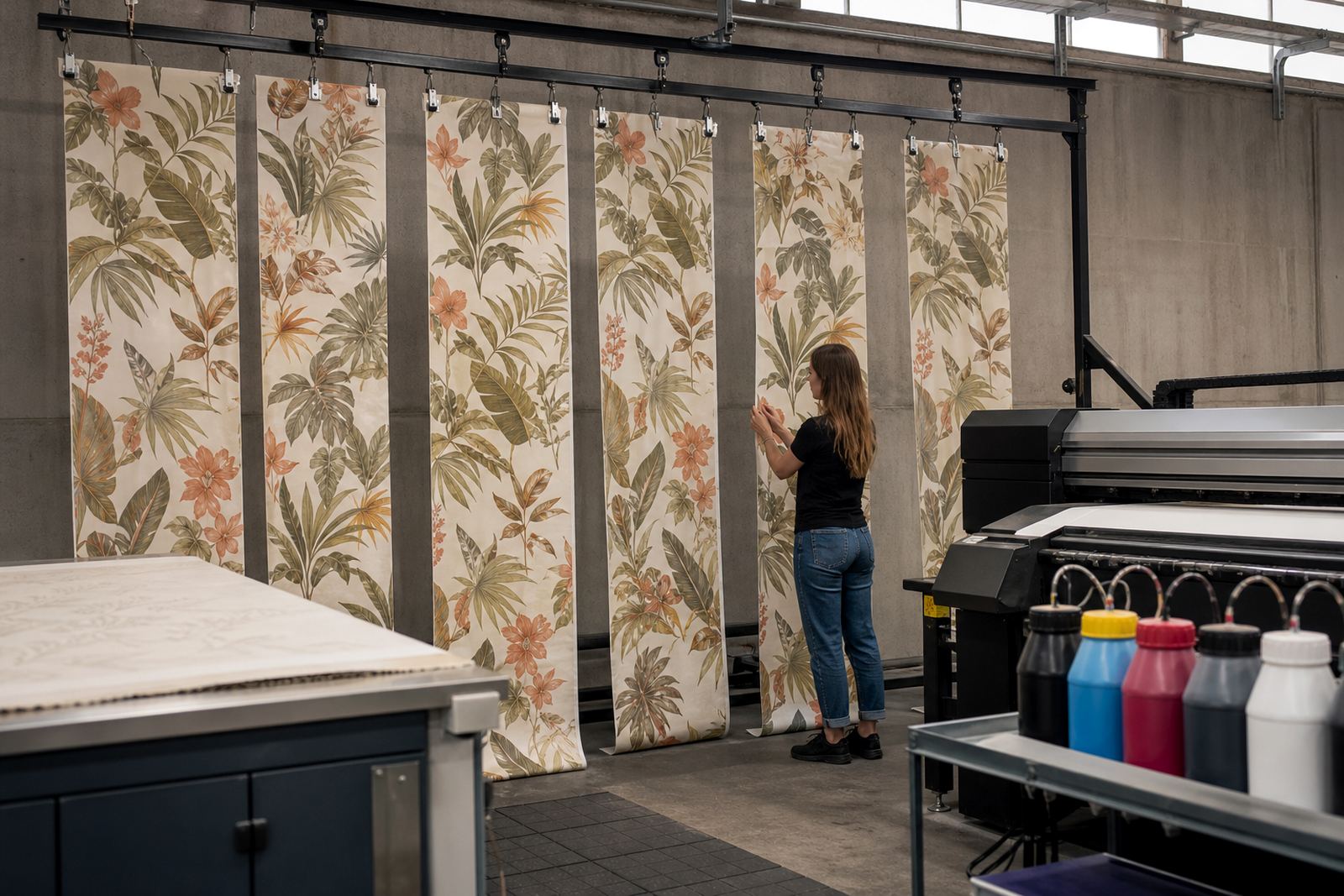
Compatibility also matters. UV inks are matched to the printer’s ink path, lamp type and media choice, so a bottle that is technically opened but otherwise fine still needs to suit the job at hand. If you are changing between rigid board, flexible banner or coated packaging stock, test first rather than assuming the last setting will work. A small trial print can save a lot of rework.
- Check for sediment, stringy texture or floating debris.
- Confirm the printer’s heads, lines and filters are clean.
- Run a test patch for curing and scratch resistance.
- Use the correct profile or production setting for the substrate.
A practical routine for busy shops in Cape Town and beyond
In a place like Epping, where couriers may collect in the morning and production can run late into the afternoon, a simple routine helps everyone handle opened inks the same way. One operator opens the bottle, another records the date if required, and the container goes straight back to its shelf after filling.
In humid coastal conditions, or on a site that is open to sea air, this kind of discipline helps preserve adhesion and avoids the frustration of drying issues that show up only after a batch has already been printed.
When to stop using an opened container
Not every opened bottle should stay in circulation forever. If the cap no longer seals properly, the container has been contaminated, or the ink no longer performs as expected on test output, set it aside. A short delay to replace or recheck stock is better than sending out work with poor curing or weak surface bond. In print work, a small fault can travel a long way once it leaves the shop.
For teams managing repeat orders, keep a simple note of which ink was opened, when it was first used and what media it worked best on. That record helps with production planning and makes it easier to keep colour stable from one reprint to the next. If you are unsure about a bottle, treat it as needing review rather than hoping it will be fine.
Why the right support makes handling easier
Opened inks are easier to manage when the team understands the product, the printer and the job requirements together. Clear guidance on ink selection, adhesion testing, curing and sample pack prep can prevent a lot of waste. For shops serving signage, graphics and packaging customers across South Africa, that support matters just as much as the product itself.
From Cape Town and Bellville through to Johannesburg, Durban, Pretoria, Paarl and Gqeberha, the same basic rules apply: seal the container, keep the area clean, wear gloves, follow the safety data sheet and check compatibility before production. Those steps are simple, but they protect print quality and help opened inks stay useful until the last drop.