
UV ink starts as a liquid, then cures into a solid film
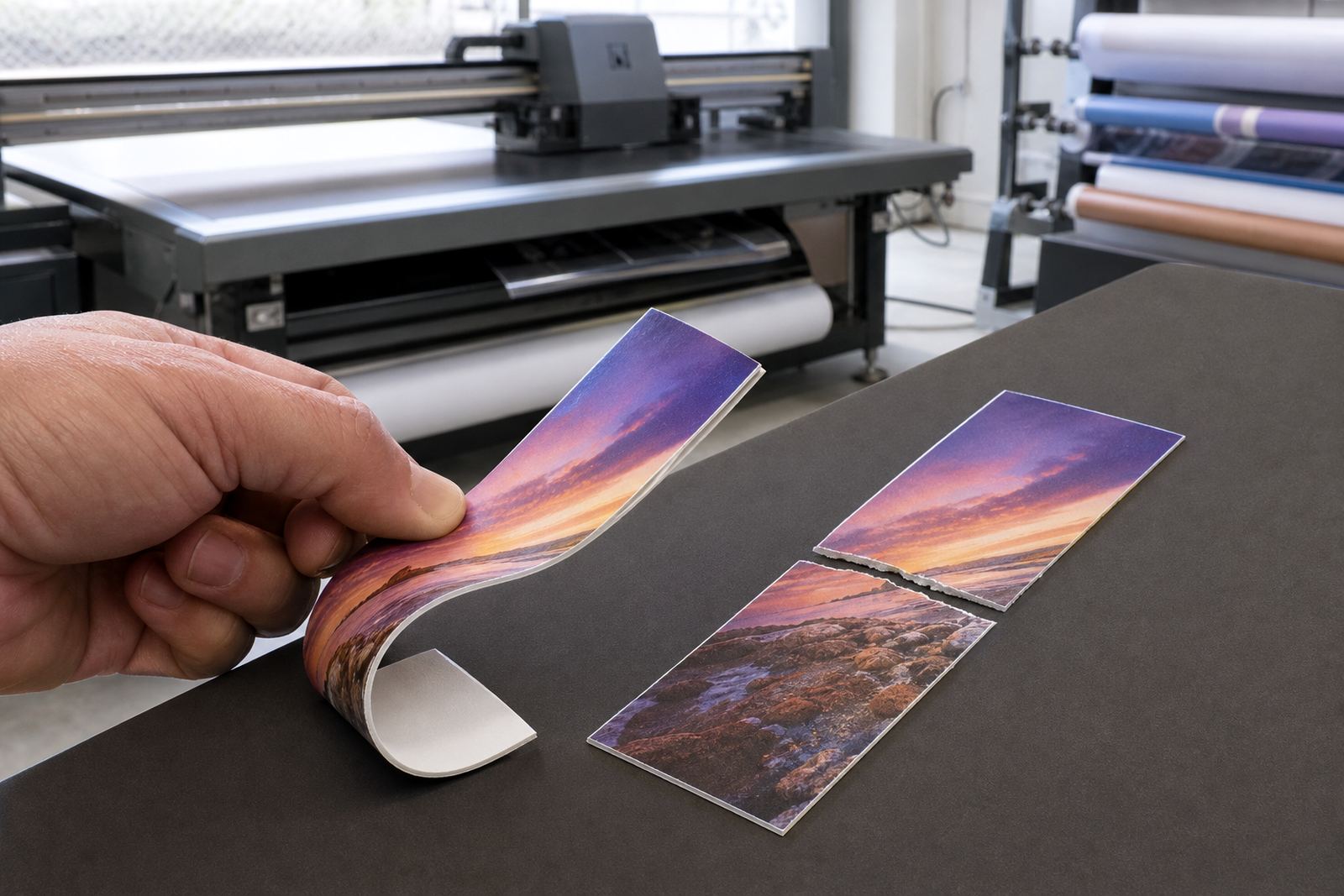
UV-curable ink is made to stay wet until it is exposed to the right UV energy from the printer’s curing system. Once that light hits the ink, the liquid components harden into a printed film on the substrate. That is the big difference between UV ink and solvent-based ink, which needs the carrier to evaporate before the print can be handled.
Because the ink cures on contact, it can be useful for rigid boards, vinyl, acrylic, coated media and many packaging applications. The finished print is usually ready for handling sooner, but only if the printer settings, lamp output and material choice all line up. If one side of the job feels soft or tacky, the cure may be too light or the media may be difficult to bond to.
- Curing is not drying by air, it is a light-triggered chemical change.
- Printed results depend on ink film thickness, lamp output and media prep.
- Touch dry does not always mean fully cured.
UV advantages over solvent ink systems
Solvent-based inks work by letting liquid carriers flash off, which can mean more odour, more ventilation needs and longer wait times before finishing. In busy environments this can help with short runs, labels, sign boards and seasonal work where turnaround matters.
There are practical trade-offs, though. UV systems need the right curing set-up, careful maintenance and inks that suit the printer’s heads and ink channels. On some jobs the surface finish may be harder or more brittle than solvent ink, so it is worth checking whether the final use calls for bending, folding or outdoor exposure. In Cape Town’s coastal air, for example, good adhesion and correct handling matter a lot when you are printing for shopfronts near the sea.
- Less waiting time between print stages.
- Lower odour than many solvent systems.
- Better fit for rigid boards and detailed graphics.
Where UV-curable ink is commonly used in South Africa
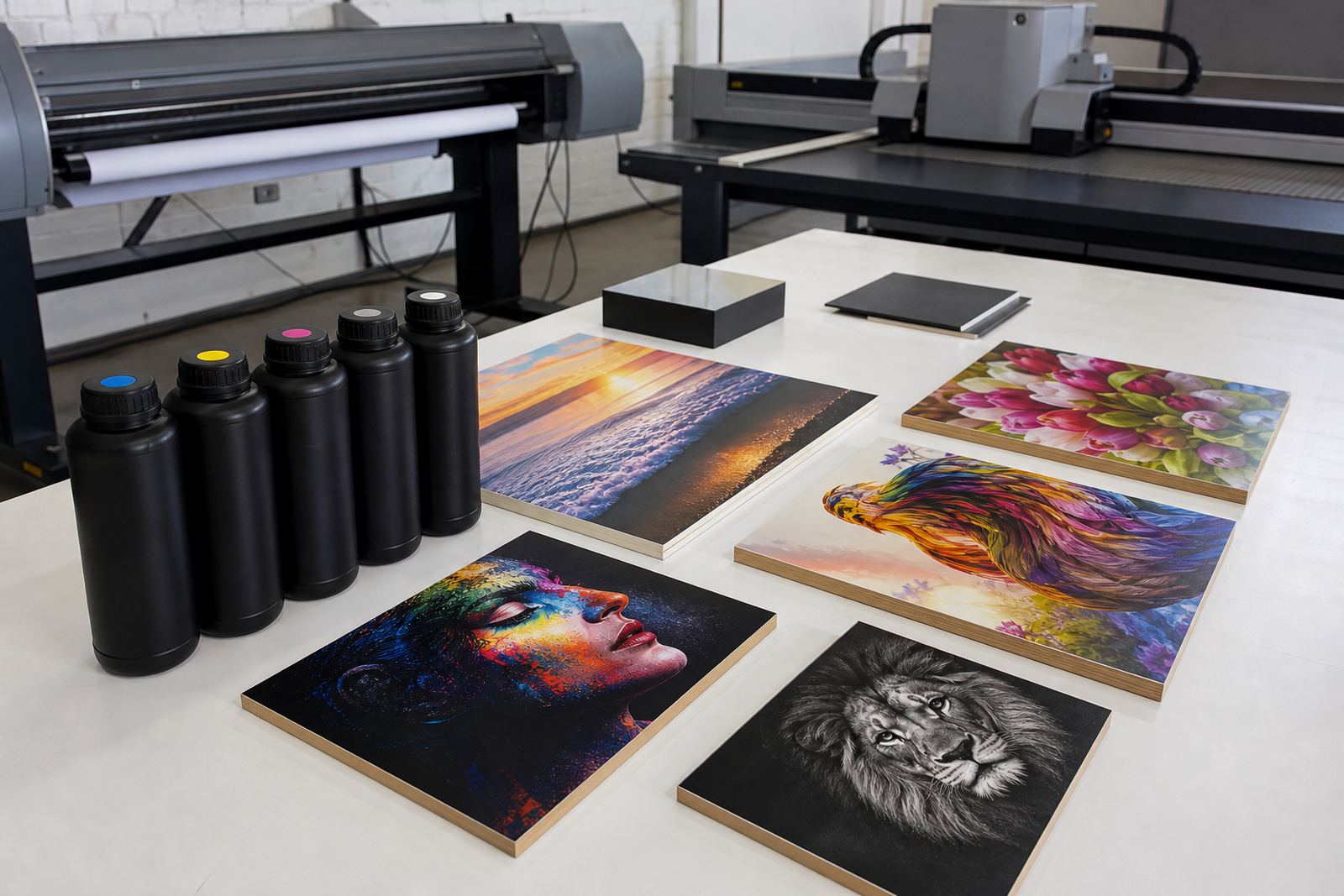
In South Africa, UV ink is widely used for signage, point-of-sale displays, packaging samples, promotional panels and direct-to-substrate work. A flatbed printer can print onto rigid boards for retail, property and exhibition jobs, while roll-to-roll machines are often used for flexible media, stickers and large graphics. The same ink family can serve different markets, but only if the printer compatibility is checked first.
For example, a signage shop in Epping might need to print a batch of directional boards for a warehouse in Bellville, then follow with full-colour panels for a restaurant group in Durban. The media may vary from one job to the next, which is why sample testing is useful before full production. Municipal signage rules can also affect size, mounting and reflectivity, so the print spec should be confirmed before anything is run.
- Flatbed printers for rigid boards, acrylic and panels.
- Roll-to-roll printers for flexible media and long graphics.
- Short runs, custom pieces and repeat production.
Adhesion depends on the surface, not just the ink
Adhesion is the way the cured ink bonds to the substrate. It is one of the most important things to test, because a great image can still fail if the surface is dusty, oily, too smooth or not suited to the ink. Some materials accept UV ink well straight away, while others need cleaning, priming or a change in print mode. Glossy plastics and certain coated boards often need extra attention.
When we check compatibility, we look at the media type, ink laydown, curing strength and the final use of the print. A panel that sits indoors in Pretoria all year may need a different approach to a board installed near the harbour in Gqeberha, where humidity and salt air can affect the final result. For best results, operators should keep substrates clean and let the job cool before packing or stacking.
- Dust, oil and release agents can weaken bond strength.
- Some materials need adhesion testing before production.
- Coastal humidity can change handling and storage behaviour.
Printer compatibility is part of the ink choice
Not every UV-curable ink suits every printer. The head type, ink delivery system, curing output and software settings all influence how the ink behaves. A roll-to-roll unit used for signage in Johannesburg may need different settings from a flatbed printer in Durban running rigid boards. That is why compatibility checks are part of the service, not an optional extra.
Operators should also consider the production pace. Faster jobs may need tighter control over curing and pass count, while fine detail work may need a lighter ink laydown. Hennie and the technical team often advise on this sort of day-to-day practical issue, because a small change can make a big difference.
- Match the ink to the printer head and curing setup.
- Record settings for repeat jobs and future reorders.
Safe handling, training and sample support help prevent waste
UV ink should always be handled with care. Follow the safety data sheet, wear gloves, and keep the work area tidy so spills are dealt with quickly. Even when a product performs well, safe handling habits protect operators and help keep the production floor in order. If a shop is trialling a new substrate, it is better to test first than to lose sheets, ink and time on a full production run.
At UV Ink in Epping, Cape Town, the team supports sample pack prep, colour trial support, curing guidance, remote tech help and operator training for print shops across South Africa. Michael van Wyk leads the business, with support from Lindiwe, Shanaaz, Moagi, Nadine and Thabo across sales, operations, logistics, customer service and training. Couriers deliver to Cape Town, Johannesburg, Durban, Pretoria and Gqeberha, plus Bellville and Paarl, so repeat orders and stock planning can be kept moving without unnecessary downtime. That matters when a shop is trying to keep a production line running through a busy week and the second shift is already waiting.
- Read the safety data sheet before handling any ink.
- Wear gloves during filling, cleaning and sampling.
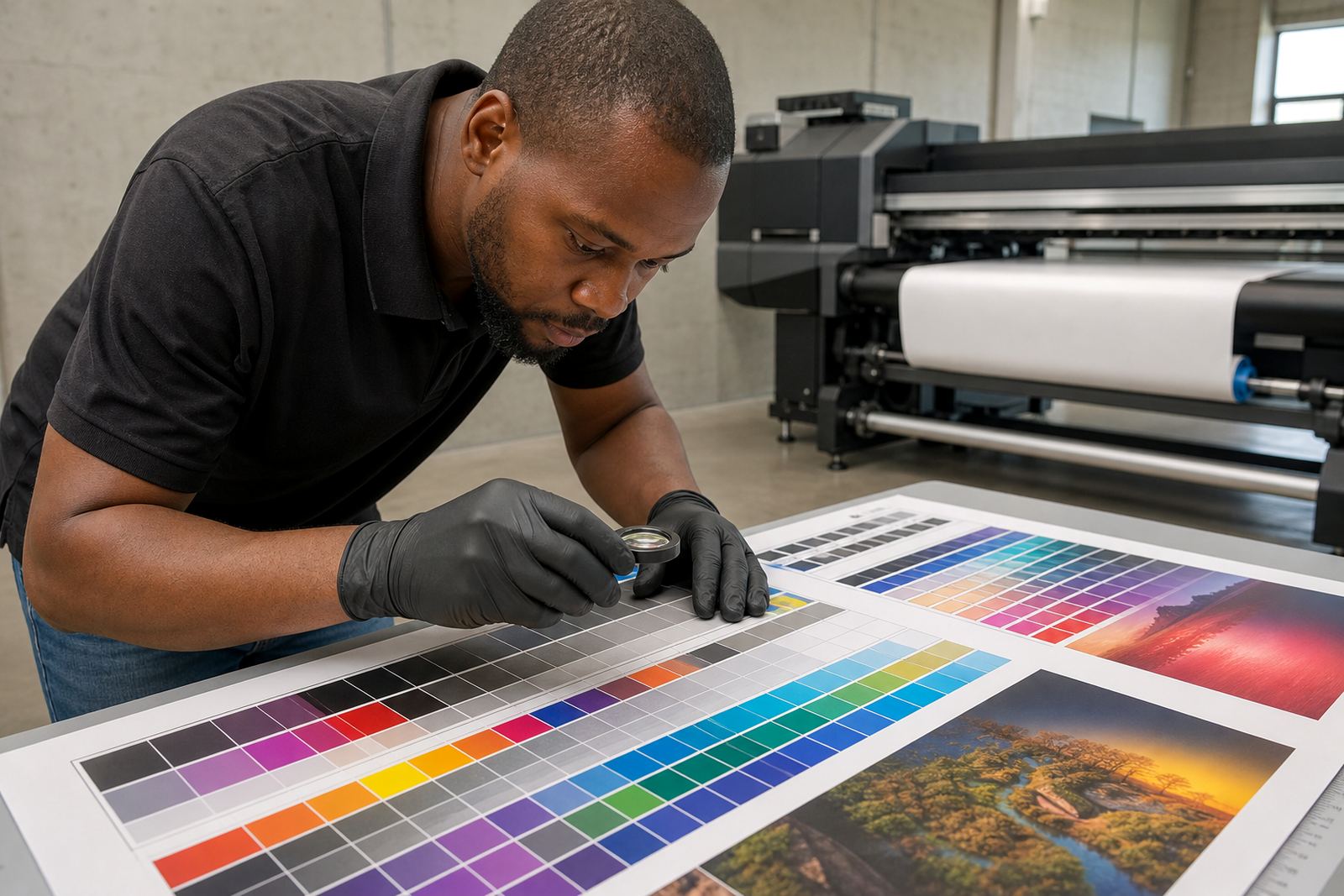
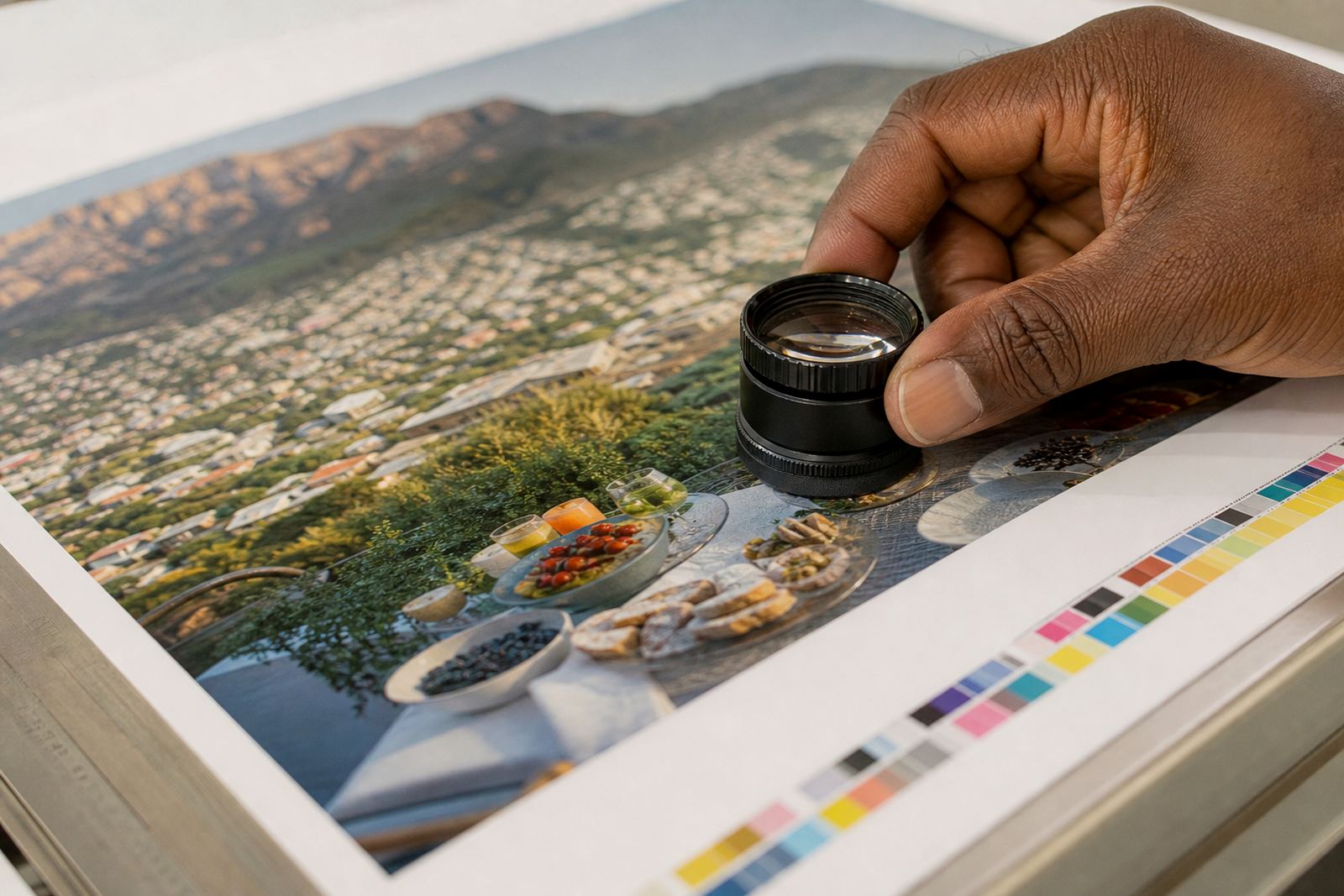
- Use trial runs to confirm colour, cure and adhesion before full production.