
Why flexibility matters after the print leaves the machine
UV-curable inks are often judged on colour and speed first, but flexibility is just as important when the print needs to move. A rigid panel sign behaves very differently from a wrap, a decal, a corrugated carton sample or a display piece that gets trimmed, folded or rolled. If the ink film cannot move with the substrate, the job may look fine on the table and then fail once it is installed or packed.
For a shop in Epping handling work for Cape Town, Johannesburg or Durban, this matters because each region brings different use conditions. Coastal humidity in Gqeberha, heat in Durban, and the dry indoor air of inland storage can all affect how a finished print performs. Flexible output depends on matching the ink properties to the material and to the expected post-print bending, not just to the printer model.
- Think about the final shape, not only the flat sheet.
- Check whether the print will be rolled, folded, cut or laminated.
- Ask if the item will sit in sun, aircon, or humid storage.
Substrate choice sets the limit before curing even starts
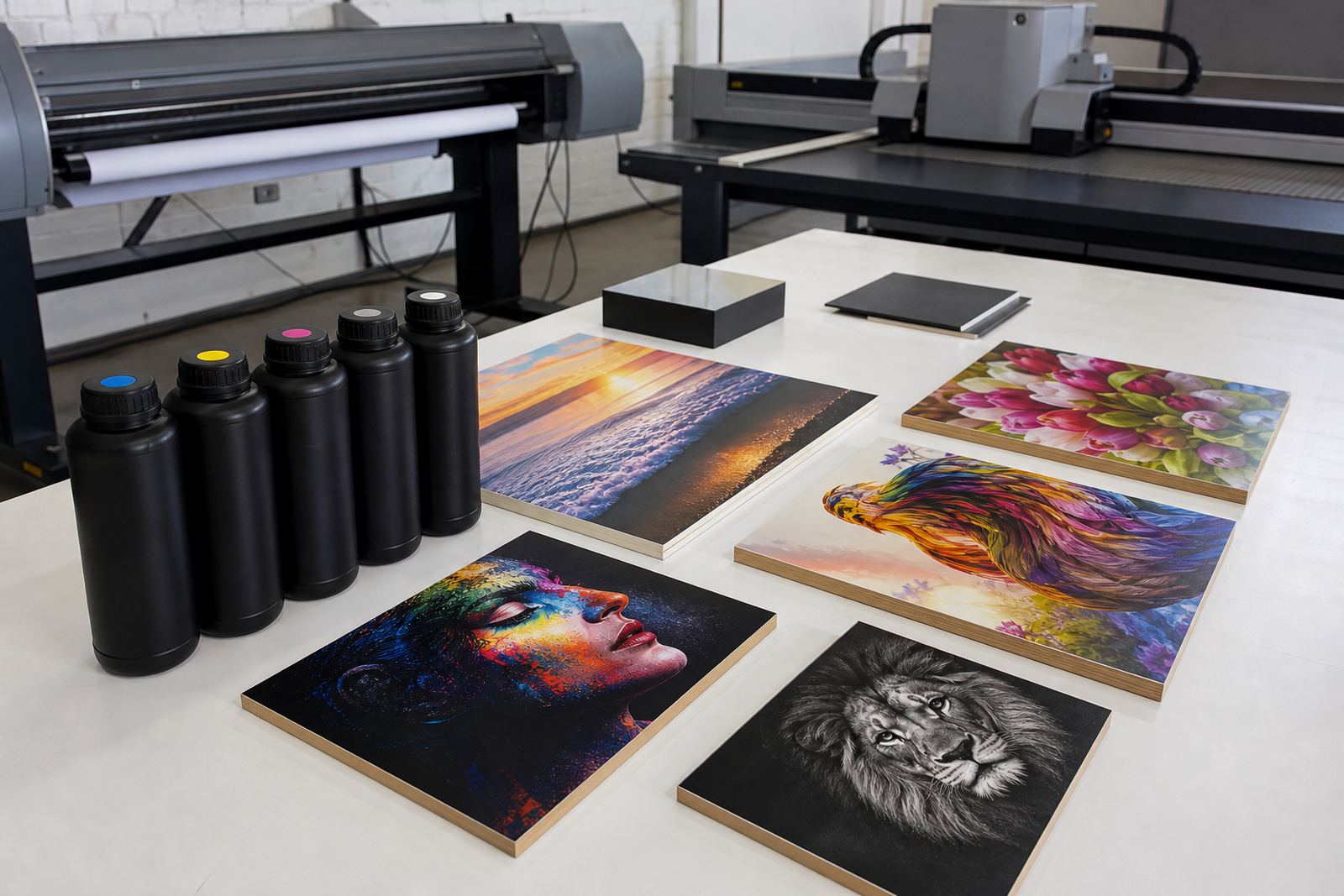
Every substrate has its own surface energy, texture and movement. Smooth plastic sheets, coated boards, polypropylene items, vinyl films and certain papers all respond differently to UV ink. Some surfaces accept ink well with little prep, while others need a cleaner surface or a more careful test before full production. If the base material is not suited to the application, no curing adjustment will fully solve the problem.
We often see trouble when a customer wants a print that bends after production but the material is chosen only for price. A lower-cost board may crack at the folds, or a film may stretch beyond what the cured ink can handle. That is why compatibility checks and sample pack prep are worth doing before a large run. It saves time, waste and a lot of rework.
- Confirm the substrate type and thickness before setting the job.
- Test the surface with a small sample rather than the full batch.
- Allow for trimming, folding and mounting methods during planning.
Curing balance is the difference between tough and brittle
UV ink cures when exposed to the correct light output from the printer system. If curing is too light, the ink may feel soft, smear or show poor resistance to handling. If curing is too strong, the film can become brittle and lose the stretch needed for flexible work. The aim is not maximum cure in every case, but the correct cure for the job and substrate.
On some jobs a print needs enough flexibility to survive being wrapped around a signboard edge or folded into a carton sample. On others it must resist scratching on a display panel. That balance is why curing guidance matters. A technical check on speed, lamp output and pass count can help the print hold detail without becoming too stiff. If the surface needs several passes, the settings should be tested with the final use in mind.
When a job is intended for repeated movement, the safest route is to run a trial and inspect the printed edge after bending. Look for micro cracking, whitening on the fold line, or any sign that the ink has not bonded evenly. Small changes in cure setting can make a real difference, and sometimes the best setting is not the fastest one.
Adhesion testing should happen before production volume
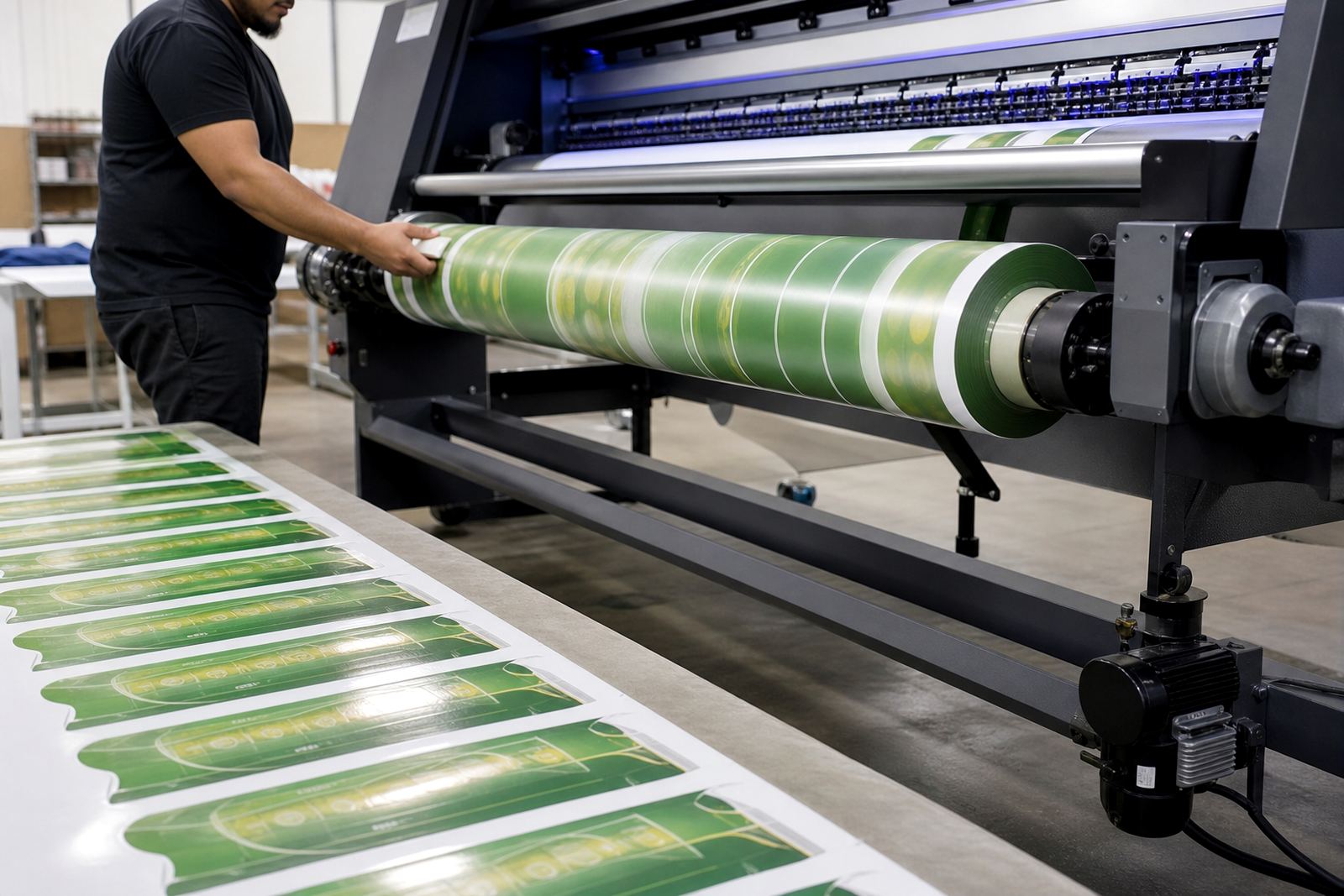
Good adhesion is the base of flexible performance. If the ink sits on the surface rather than anchoring to it, the print can lift at corners or chip during cutting. Adhesion testing should be part of the normal workflow, especially for roll-to-roll work where the printed web will be rewound, transported and later installed. A quick test can show whether the ink is gripping as expected or whether the surface needs more preparation.
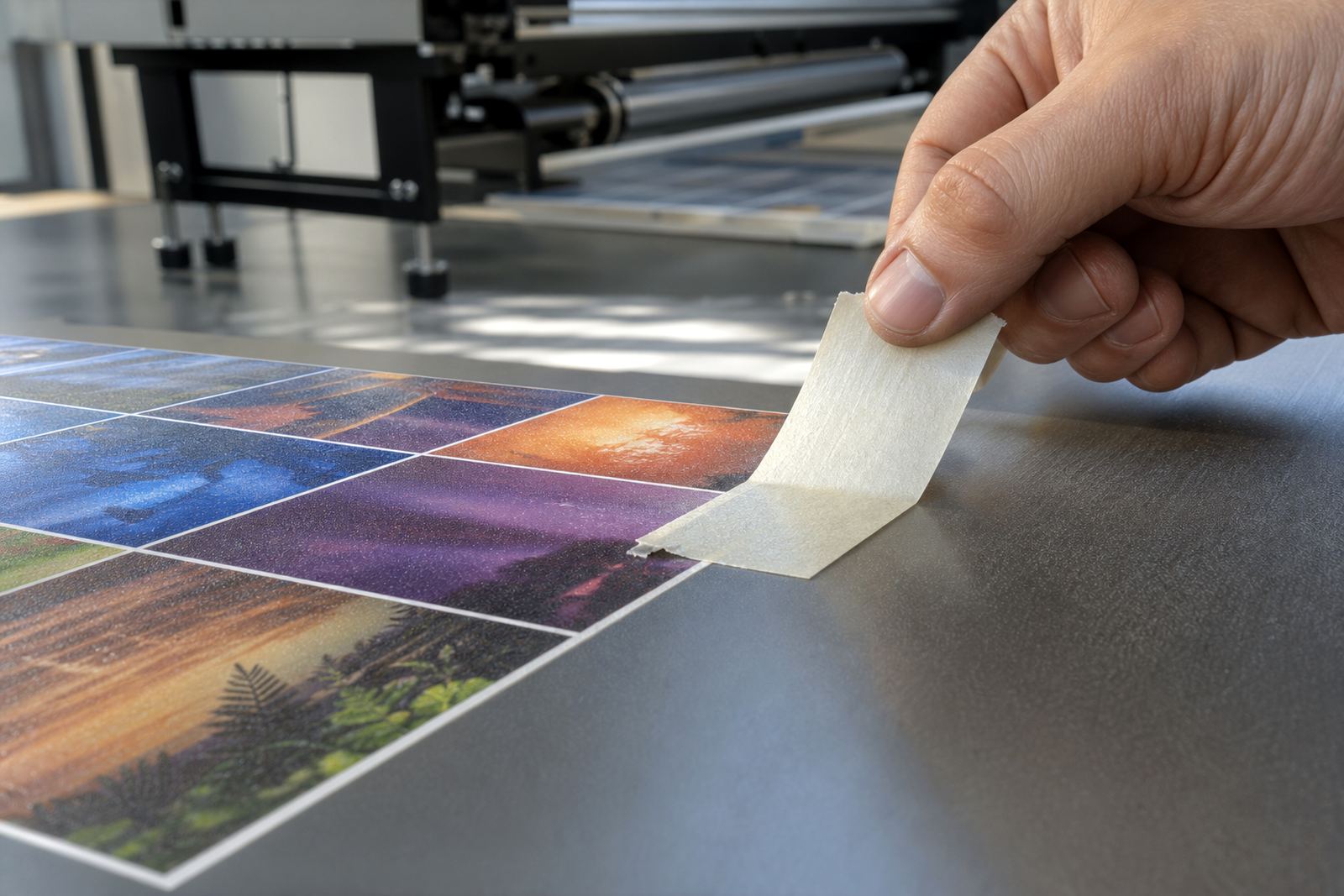
There is no substitute for checking a real sample under real handling conditions. Try the print with light abrasion, tape pull where appropriate, and a bend test if the item will flex in use. If the sample passes, the full run can go ahead with more confidence. If it fails, the issue can often be corrected before material and labour are lost.
- Test adhesion on the same substrate batch that will be used in production.
- Check cut edges, corners and folded areas as well as the flat centre.
- Keep notes on settings so repeat orders are easier to manage later.
Roll-to-roll work needs a different handling mindset
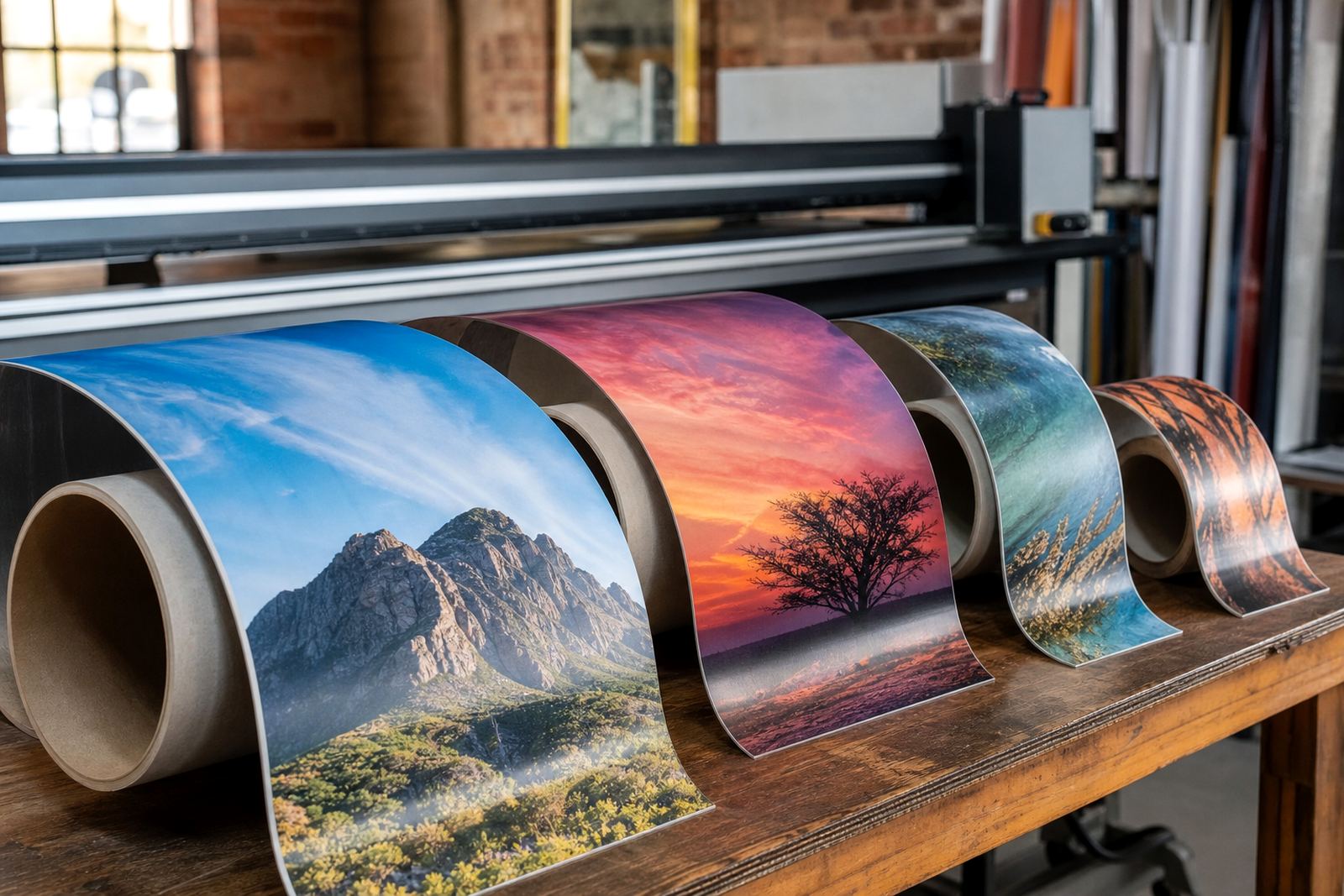
Roll-to-roll printing adds movement during printing, rewinding and dispatch. Even when the ink itself is flexible, the roll can create pressure marks if it is wound too tightly or stored badly. In hot storage areas, a tightly wound roll may trap heat and affect the cured surface. In damp conditions, the outer layers can behave differently from the inner layers, especially if the material has not fully stabilised before packing.
For local delivery routes from Cape Town to Pretoria, careful packing helps preserve the print. Use sensible roll tension, avoid sharp edges in packaging, and keep the rolls supported during courier handling. If the job is going to a signage installer or pack house, it helps to include short handling notes so the end user knows how long to wait before bending, cutting or laminating.
Flexible work often fails after delivery because of handling, not because of printing. That is why production planning and courier stock support should always be tied to the final use of the job.
A practical Cape Town example for flexible output
Consider a Cape Town customer in Epping producing printed display panels and short-run packaging samples for clients across the Western Cape. The same shop may need one job to stay flat on board and another to bend around a retail corner or fold into a mock-up box. If both jobs use the same settings without checking the substrate and cure level, one of them is likely to give trouble.
The better method is simple. Start with ink selection, run a compatibility check, confirm the expected movement of the finished piece, then test cure and adhesion on a sample. If the print will be handled by staff, sent by courier, or installed near the coast, add a safe handling briefing and make sure gloves are used during setup and finishing. Always follow the safety data sheet for the ink and the substrate, and keep the workstation clean to avoid contamination.
Our team supports customers with remote technical help, operator training and repeat order management, so once a flexible setup is working it can be repeated with less guesswork. Michael van Wyk and the team in Epping keep the focus on practical results, not theory alone. The point is to get a print that looks right and still holds together when it bends, moves or gets handed over for the next stage.