
Start with the job, not a blanket kit
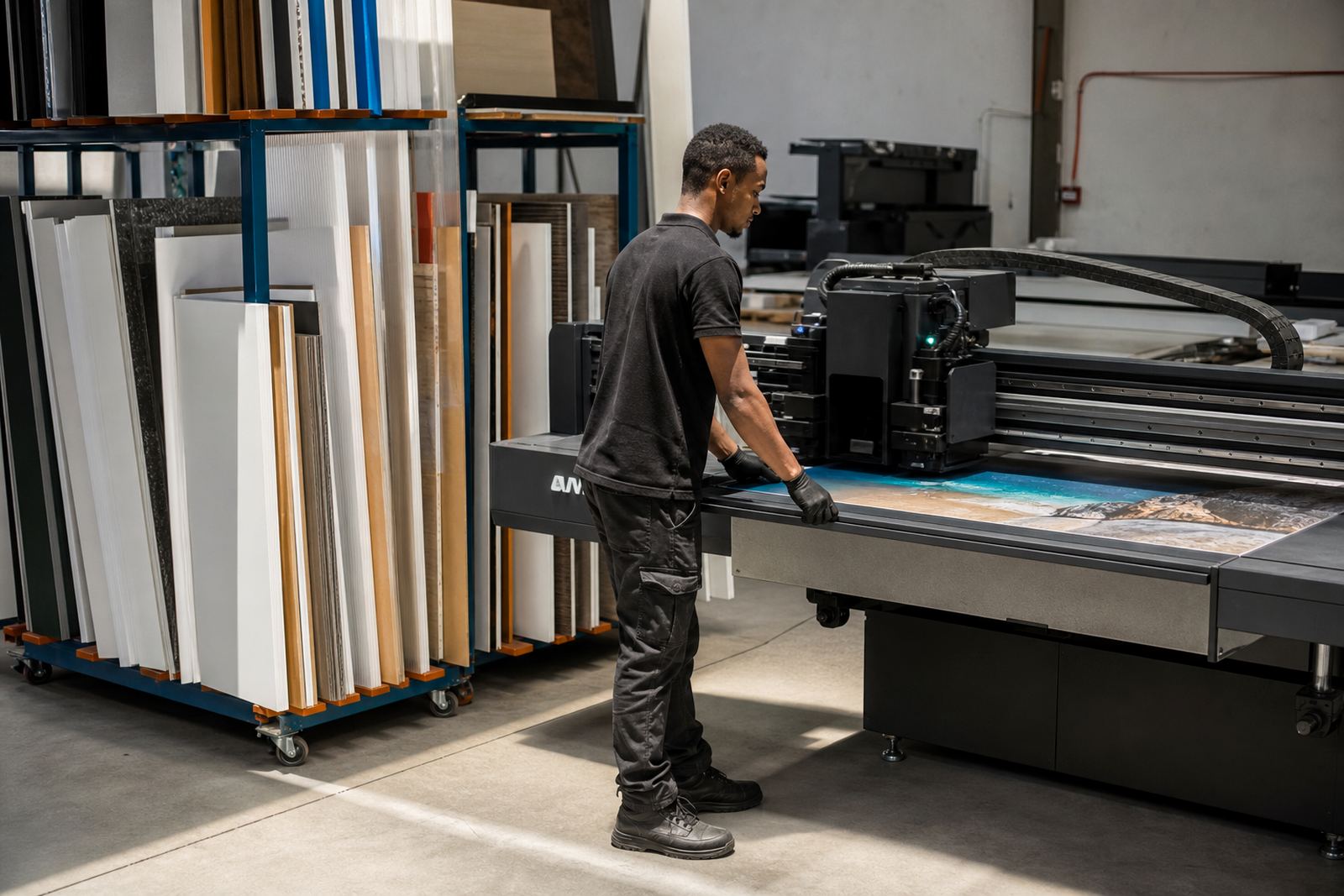
Not every UV ink task needs the same protective gear. A flatbed operator loading rigid boards, a roll-to-roll operator checking take-up tension, and a helper cleaning around the machine will face different splash, vapour and contact risks. The right PPE starts with what is actually happening on the floor, not with a one-size-fits-all list.
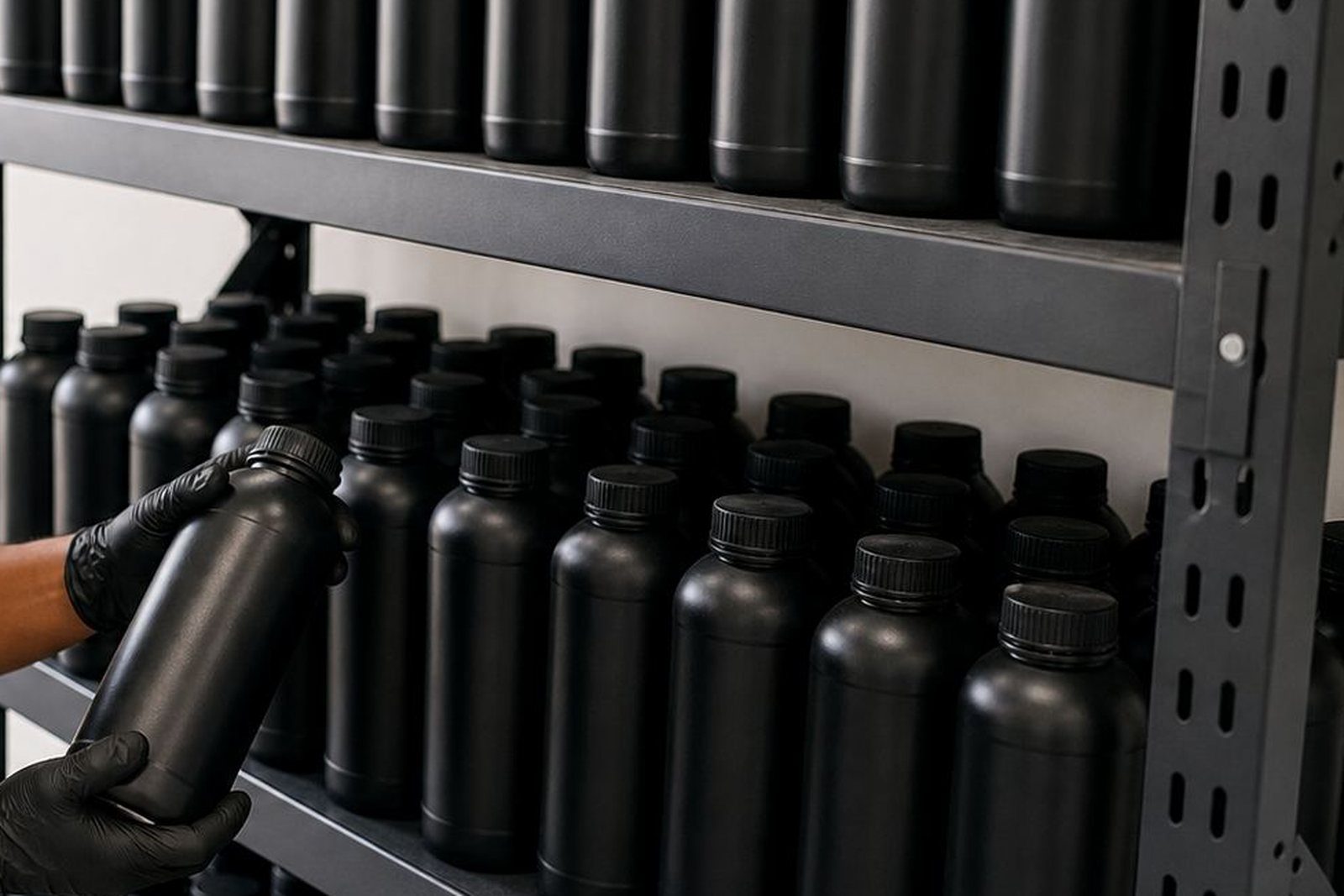
For most UV ink handling, gloves are the first line of defence. They help protect skin from repeated contact during bottle changes, filter checks, waste cleaning and trial runs. Site rules should also cover when to use eye protection, when to keep sleeves covered, and when a task must be done with the machine stopped rather than leaning in while it is running.
That is where shortcuts happen. A simple PPE routine keeps the focus on the print, not on avoidable skin contact or splashes.
Gloves that suit UV ink handling
Gloves should be chosen for chemical resistance, fit and grip. A glove that is too loose can slow the operator down and catch on lids, trays or media edges. One that is too tight tears sooner and is less likely to be worn properly. The aim is to keep dexterity while reducing direct contact with uncured ink, wash-up residue and contaminated tools.
- Check the glove type against the safety data sheet before use.
- Use a fresh pair for messy tasks such as spill clean-up or component changeovers.
- Replace gloves that are torn, sticky or swollen with product residue.
- Do not touch phones, clipboards or food with contaminated gloves on.
- Wash hands after removing gloves, even if the gloves looked clean.
At a print site in Cape Town or Bellville, glove discipline is often the difference between an orderly shift and repeated hand irritation. If one operator removes gloves for a quick adjustment then forgets to put them back on, the whole team starts working loosely around the machine and that is where incidents creep in.
Eye, skin and clothing protection around the machine
UV inks are handled in liquid form before curing, so splash protection matters. Eye protection should be used when mixing, pouring, testing lines or clearing a blockage. If a job involves pressurised cleaning, open pans or overhead components, add a face shield if the site risk assessment calls for it. Even a small splash can become a bigger problem once an operator rubs an eye or moves between stations.
Skin protection is not only about gloves. Long sleeves, closed shoes and clothing that covers the forearm reduce the chance of repeated contact. Many operators prefer a dedicated work shirt or over-garment that stays in the print area. That keeps UV ink residue off ordinary clothing and reduces the risk of carrying contamination into the office, the lunch room or the bakkie on the way home.
A practical habit is to keep PPE close to the machine and not across the room. If gloves and eye protection are stored in a clean, visible spot, operators are more likely to use them every time. In a busy shop in Pretoria, that small setup change can save minutes on each changeover and improve compliance without a lecture.
Curing safety still needs PPE
UV-curable ink is designed to cure under the correct light source, but that does not remove the need for safe handling before and during production. Uncured ink can still transfer to hands, rails, tools and media edges, and cured surfaces can still leave residue during cleaning. PPE is part of the process from bottle opening to the final wipe-down.
Operators should follow the printer settings recommended for the ink being used and make sure curing is checked after any change in media, speed or lamp setup. If curing is weak, the surface may remain tacky and cause handling issues at the trimming table or packing bench. That is not only a print quality problem, it is also a handling risk for staff moving sheets or rolls after production.
- Use gloves during test prints and colour trials, not only on final production runs.
- Keep cured and uncured work separate on the table.
- Allow cooling time where required before stacking or packing.
- Follow the site rule for cleaning cured residue from trays and guides.
On coastal sites, including parts of Gqeberha and Durban, humidity can change how work feels in the hand and how fast operators want to move. PPE supports better control when the pace is high and the room conditions shift through the day.
Match PPE to flatbed and roll-to-roll tasks
Flatbed and roll-to-roll setups create different risks. Flatbed work often involves lifting boards, aligning rigid media and leaning over the table. Roll-to-roll work can involve winding tension, web handling and more frequent contact with moving components. The PPE list should reflect that difference so the operator has what is needed, but not so much that movement becomes awkward.
For flatbed teams, grip and reach matter because operators often guide sheets from the edge. For roll-to-roll teams, gloves need to stay comfortable during longer runs and repeated checks. If the printer has side access panels or low clearance around the carriage, sleeves and loose items should be managed carefully to avoid snagging.
Use a simple pre-shift check:
- Are gloves in place and in good condition?
- Is eye protection ready for mixing, cleaning or troubleshooting?
- Are sleeves, lanyards and loose items secured?
- Are cleaning cloths and spill materials within reach?
- Has the operator reviewed the SDS for the day’s ink?
This kind of check is especially useful where one team handles both short-run signage and longer production batches for packaging or graphics. It keeps the room tidy and the PPE routine consistent across jobs.
Training, site rules and the local reality
PPE only works when the team understands why it is used and when it must be worn. That means short training sessions, clear signage and a supervisor who backs the rule every time. Operators need to know that gloves are not optional because a job seems small, and that safety steps do not pause just because there is a courier deadline or a last minute reprint.
When the lights return, the team often wants to move fast. That is exactly when the basic routine matters most: check the machine, review the job, put on the PPE and confirm the next step before production starts again.
Michael van Wyk and the UV Ink team in Epping support operators with compatibility checks, curing guidance, safe handling briefing and remote tech help, but the daily habit still sits with the people on the floor. That is why PPE should be part of the printer setup from the first test print, not something added later after a spill or skin reaction.
Keep the routine simple enough to follow every shift
The best PPE routine is the one operators can repeat without thinking. Keep gloves near the machine, keep eye protection clean and easy to reach, and keep the SDS visible for the current ink batch. If a task changes, update the protection to match the task. If the job is messy, slow down and add more control rather than rushing through with bare hands.
A practical habit is to close each shift with a short check: which PPE was used, what got contaminated, and what needs replacing before the next run. That small end-of-day review helps prevent repeat mistakes and keeps the print room ready for the next order whether the work is going to Cape Town, Johannesburg, Durban, Pretoria or Gqeberha.
Good PPE is not about overdoing it. It is about keeping the operator safe, the work area orderly and the production line moving with fewer interruptions.