
Keep the room steady, not hot and not damp
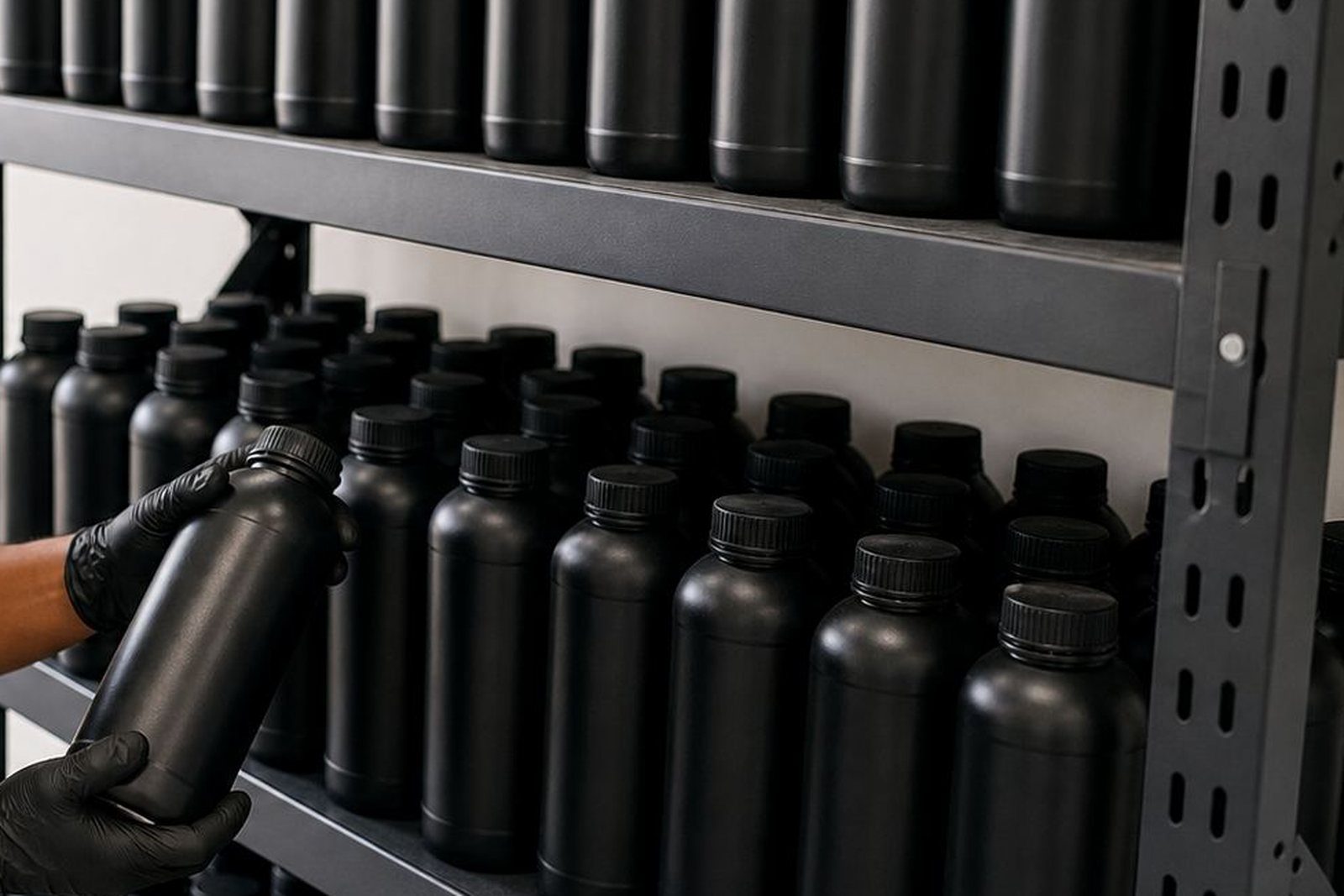
UV-curable inks store best in a cool, dry room with limited sunlight and no sudden temperature swings. A store room that gets hot in summer or cold overnight can change the way the ink flows, and that affects consistency when the job starts again. In Epping, where mornings can be cool and afternoons warm, it helps to keep containers indoors away from roller doors, compressors and direct sun.
Try to keep the storage area clean and well ventilated. Coastal humidity in Cape Town can also be a factor, especially if lids are opened often or containers are left standing near an open door. Moist air, dust and workshop heat do not mix well with fine print work.
- Store inks off the floor on shelving or pallets
- Keep them away from windows, heaters and machine exhaust
- Avoid placing stock next to wash-up chemicals or solvents
- Use the same storage room for the same product range where possible
Seal containers properly after every use
Every time a container is opened, there is a chance for dust, skin contact or contamination to enter the ink. Make it routine to wipe the rim, close the lid fully and check that the cap is seated properly. A loose lid can lead to skinning on the surface, odour changes or a thicker finish in the next batch.
Use clean tools only, and never pour used ink back into the original container unless you are certain it is clean and still fit for use. Small habits matter here. One contaminated bottle can affect more than one production run, and that means extra cleanup on the printer and a slower morning on site.
- Close the lid immediately after decanting
- Label opened containers with the date opened
- Keep dispensing tools dedicated to one ink line only
- Do not leave open bottles near curing lamps or sunlight
Follow stock rotation and date control
Ink should be used in a sensible order so older stock is not forgotten at the back of the shelf. First in, first out remains the simplest rule, and it works well for busy print shops in Johannesburg, Durban, Pretoria and Gqeberha. If a container sits too long, it may still be usable but the team should check it before loading it onto a production printer.
Label each item clearly with receipt date, opening date and any notes about the colour or application. That makes repeat work easier and supports better planning when a rush order comes in on a Monday morning. It also helps when you are storing more than one ink type for flatbed and roll-to-roll printers.
- Mark the shelf with older stock at the front
- Keep related colours together so staff can find them quickly
- Check stock condition before every repeat job
- Separate trial packs from full production containers
Match the ink to the printer and the job
Storage is not only about the room, it is also about keeping the right ink with the right machine plan. UV-curable inks are made for specific print heads, curing systems and substrate needs, so the wrong stock in the wrong place can lead to confusion later. Keep a clear system for flatbed and roll-to-roll products, especially if your workshop runs signage one day and packaging the next.
Before a job starts, check that the ink selected for storage and use matches the media, the curing setup and the production speed required. If a job needs strong adhesion on coated boards, acrylic, vinyl or other specialty surfaces, it is worth confirming the intended application before the container is opened. A short check now can save a lot of rework later.
For teams in Bellville or Paarl running mixed work, storage labels should be plain and practical. Avoid vague notes. Write the actual product use and any special instructions so the operator can see it at a glance.
Use safe handling habits every time someone opens a container
Even when the ink is stored properly, safe handling still matters. UV-curable ink is a working material and should be treated with care. Follow the safety data sheet for the product in use, and make sure gloves are worn when handling ink, cleaning spillages or changing supply lines. Do not rely on guesswork or old habits from a previous product line.
Have a basic response plan ready for a spill, splatter or accidental contact. Keep absorbent material, wipes and a waste container close by, and train operators to act quickly. That is especially important during busy shifts when a line has to keep moving and someone may be tempted to leave a small mess for later.
- Read the safety data sheet before use
- Wear gloves during handling and clean-up
- Keep lids on when the container is not in use
- Dispose of waste according to site rules and municipal requirements
Plan for courier stock, local conditions
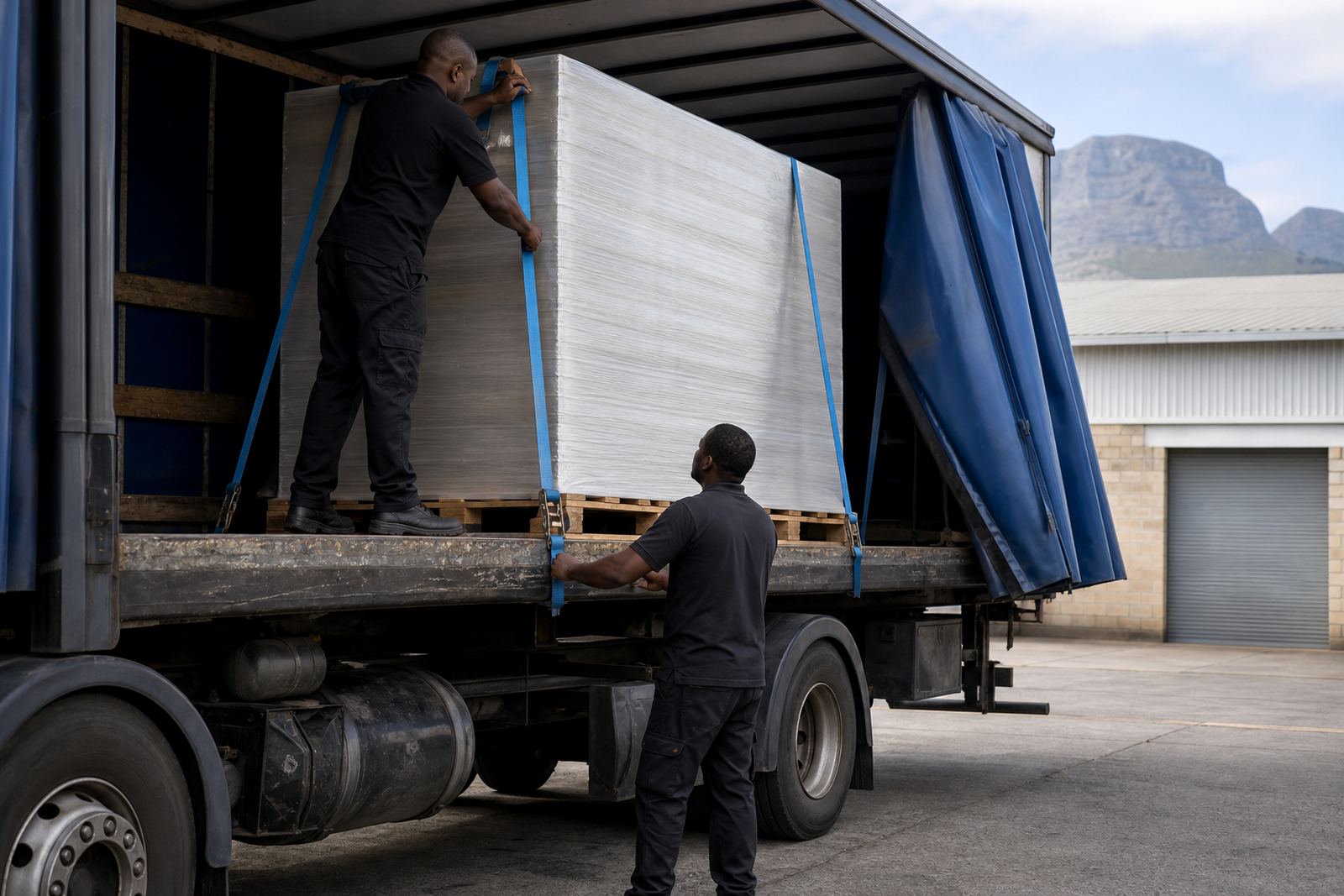
Storage also needs to support how stock moves through your business. If you receive courier deliveries across South Africa, set aside a receiving area where cartons can be checked and then moved into proper storage straight away. That reduces the chance of ink standing in a sunlit loading bay or in a vehicle for too long.
A printer left idle for hours should not be restarted with guesswork about what was opened, what was left on the bench and what needs inspection. Good storage records make those restarts smoother. In a Cape Town base like Epping, with deliveries to Cape Town, Johannesburg, Durban, Pretoria and Gqeberha, a simple stock system is often the difference between a calm morning and a rushed one.
Our team can assist with ink selection, compatibility checks, colour trial support, sample pack prep and remote tech help, so the storage process fits the way your workshop actually runs. Michael van Wyk and the team work with customers who need practical advice, not fancy language, and that includes repeat order management when stock levels need attention.