
Why Correx Works Well For Temporary Signs
Fluted polypropylene is often used where the sign needs to be up quickly and removed later without much fuss. It is light enough for one person to carry, yet stiff enough for boards on stakes, wall fixing or framed display work. That makes it a regular choice for estate agents, contractors, schools and event teams from Cape Town to Gqeberha.
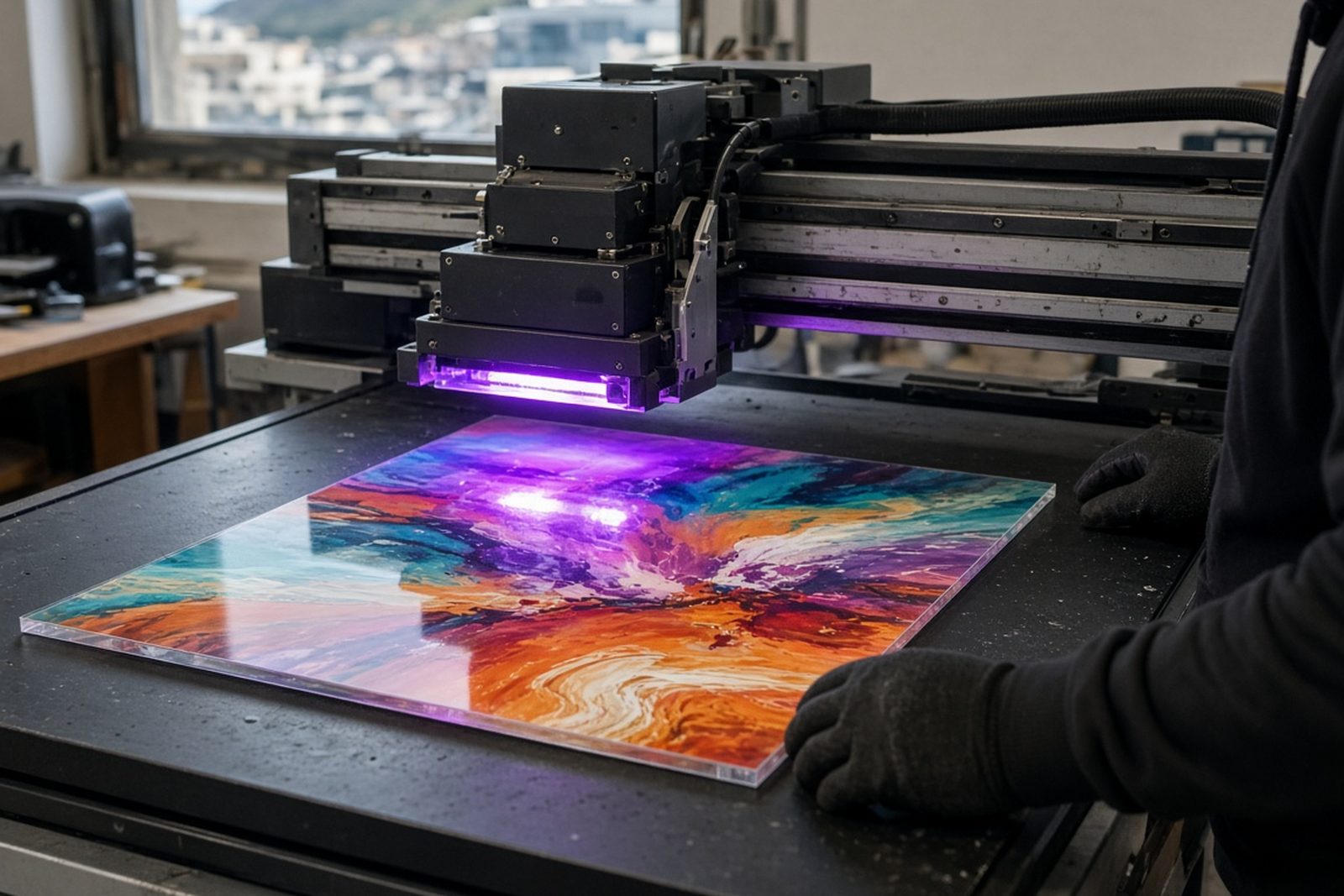
For UV-curable inks, the appeal is simple. You can print on a rigid sheet, cure the ink in line and move the board through production without waiting for solvent evaporation. On a busy shop floor in Epping or on a small run for a client in Bellville, that can save time and reduce handling marks. The catch is that Correx has ribs, a slick surface and a clear direction, so setup matters more than many people expect.
- Best for short term outdoor and indoor signage
- Lightweight and easy to transport by courier or van
Match The Ink, Surface And Printer Settings
Successful printing starts with compatibility. UV-curable inks need to sit on the surface long enough to wet properly, then cure hard enough to resist scuffing. On Correx, that balance depends on the sheet finish, ink laydown and the printer settings used for pass count, curing intensity and carriage speed.
Flatbed printers usually handle Correx well when the bed is level and the sheet is properly held down. Roll-to-roll equipment is less common for full Correx boards, but it can work for narrower sheet formats and specific print setups. If the media moves even slightly during the print, banding or image shift can show up fast.
- Confirm the sheet thickness and fluting direction before loading
- Check whether the material needs surface treatment or a primer
- Test small areas first when you change ink or print mode
Why Flute Direction Changes The Result
Correx has internal channels, and those channels run in one direction. That direction affects how the sheet behaves during cutting, transport and fixing. If the flutes run the wrong way for the job, the board may flex more than expected or trap a little air between the print and the structure underneath.
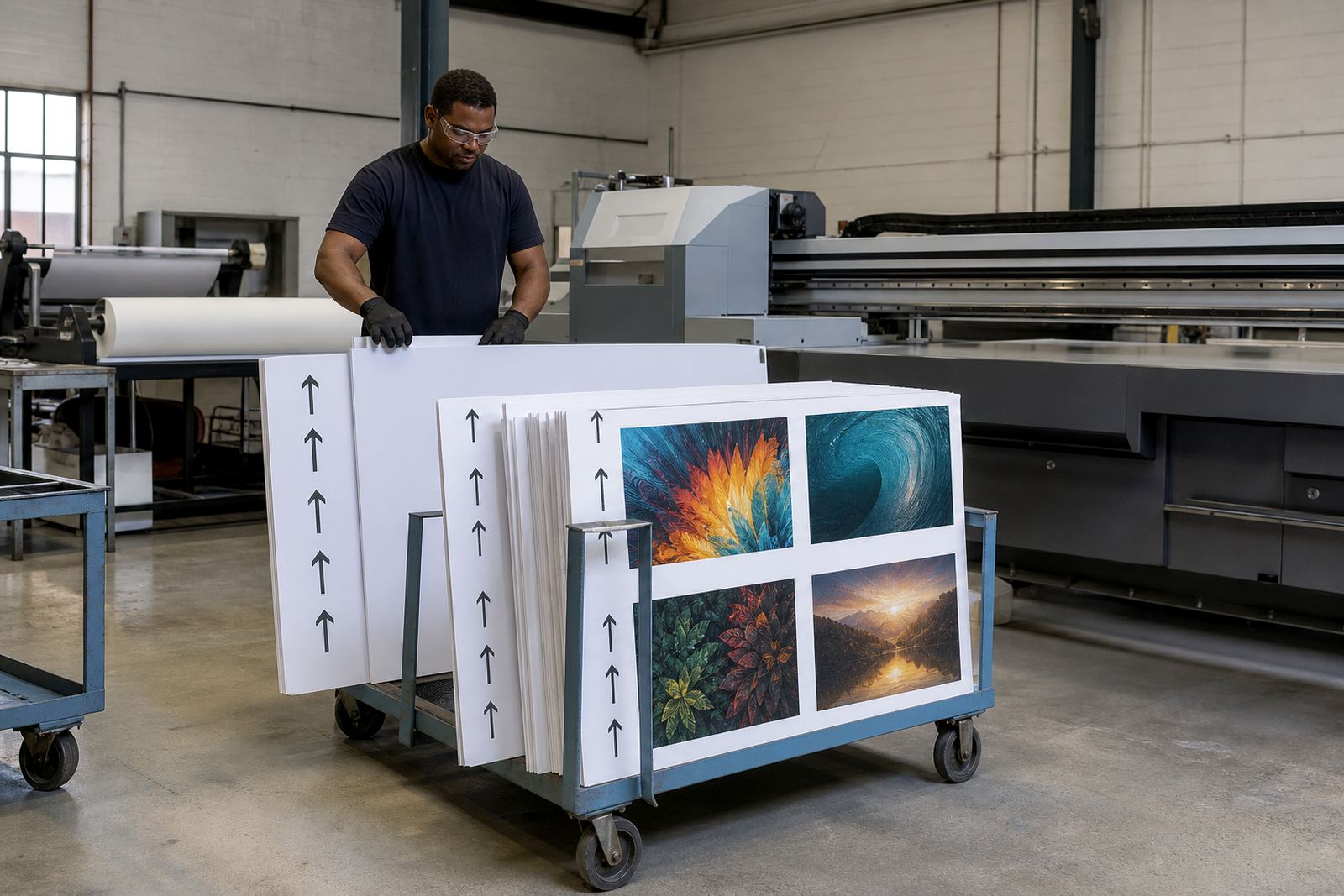
For sharp graphics and neat cut edges, it helps to plan the artwork around the sheet orientation. Long text, arrows and fold lines often work better when they follow the material direction instead of fighting it. A production team in Pretoria might set the job one way for a roadside warning board and another way for a temporary election notice, even if both use the same size panel.
There is also a practical handling point. When boards are stacked, lifted or couriered, the flutes can mark if pressure is uneven. Keep the sheets flat, use clean separators where needed and avoid dragging the printed side across rough surfaces.
Curing, Adhesion And The Real World Test
UV curing on Correx needs a proper balance of lamp output and ink volume. Too much heat or energy can also cause distortion on some sheets, especially if the board is thin or the print area is large. The best result is usually a clean surface cure with solid adhesion and no visible cracking when the board is flexed slightly.
Adhesion testing should be part of the process, not an afterthought. A simple tape test, a scratch check and a short outdoor exposure trial can tell you more than guesswork ever will. If the board is going into coastal humidity in Durban or exposed to sun and dust inland, it is worth checking how the ink film behaves after a day or two. Customers are often surprised that a job can look fine straight off the press and then show weakness once it is handled, so testing matters.
- Watch for ink that looks glossy but rubs off too easily
- Check cut edges for chipping after trimming or routing
- Store finished boards flat before dispatch to avoid pressure marks
How To Handle Boards Before And After Print
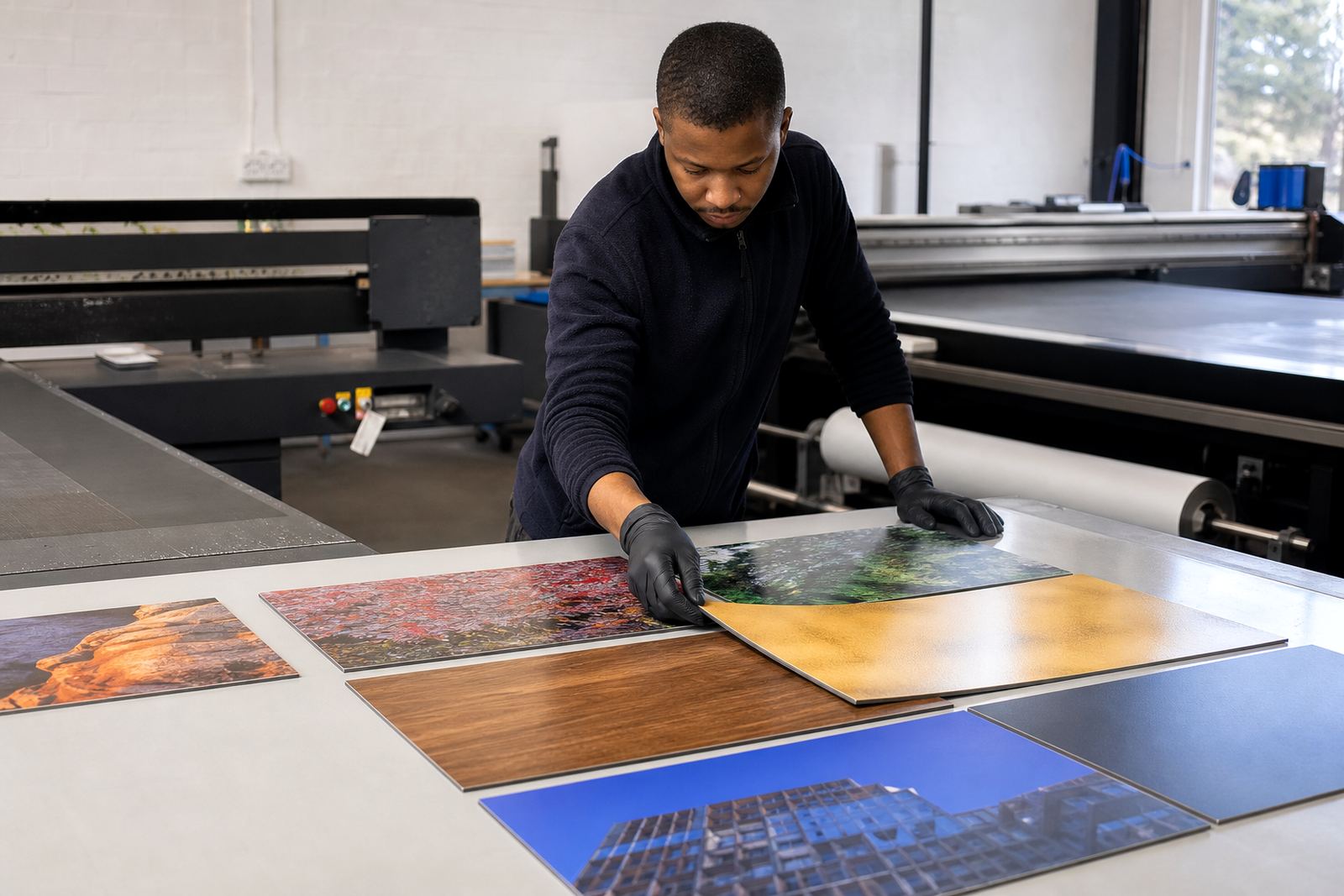
Good handling starts before the first sheet reaches the printer. Dust, fingerprints and rough loading can all affect adhesion. Clean gloves are useful, but the bigger point is to keep the sheet face consistent, especially when a job has one side designated for print. A small mistake here can waste time on a reprint, and that is never welcome when a sign has to leave for a site in Johannesburg by afternoon courier.
After printing, boards should be allowed to cool and settle before packing. Even when the ink is fully cured, a freshly printed sheet can still be sensitive to pressure from straps, stacking or warm vehicle interiors. If the delivery route includes long travel in summer, allow a little extra time before the boards are tied down or wrapped.
- Wear gloves and follow the safety data sheet for the ink you are using
- Keep the print area free of dust, oil and loose offcuts
- Do not bend finished boards unnecessarily during loading
From the ink lab: A Cape Town sign run
A local contractor in Cape Town might need a set of temporary site boards for a two week project, with clear branding, directional arrows and a simple safety message. Correx is ideal here because it is light, cost effective and easy to replace once the job is complete. The production plan would normally include a quick material check, a small colour trial and a review of how the board will be mounted on site.
If the boards are being used around Epping, Bellville or Paarl, it also helps to think about wind exposure and fixing points. A board that is fine on a quiet interior wall may need extra support outdoors, especially in open areas where gusts can catch the fluted edges. The print itself can be good, but if the sheet is badly fixed the job still fails.
When the printer operator, the cutter and the installer all follow the same plan, Correx becomes a simple material to manage and the result usually looks cleaner.
When To Choose Correx, And When To Use Something Else
Correx is a practical option for temporary signs, short term promotion and light duty outdoor messaging. It is not the best choice for long life displays, heavy abrasion or places where a rigid, premium finish is needed for years. In those cases, another rigid sheet or panel may be more suitable depending on the site and budget.
For printers, the key is knowing what the material can do and what it cannot do. If the board will be handed out, posted up for a few weeks or couriered across South Africa, Correx usually makes sense. If it has to survive repeated cleaning, constant handling or long term sunlight, the brief should change. A careful ink choice, a proper curing setup and a short adhesion check will save time later.
For advice on ink selection, compatibility checks, sample packs, production planning or remote technical support, it helps to work with a supplier that understands how UV inks behave on the press and on the board. The right setup does not make Correx complicated, it simply makes the job easier to repeat.