
What a flatbed UV printer is built to do
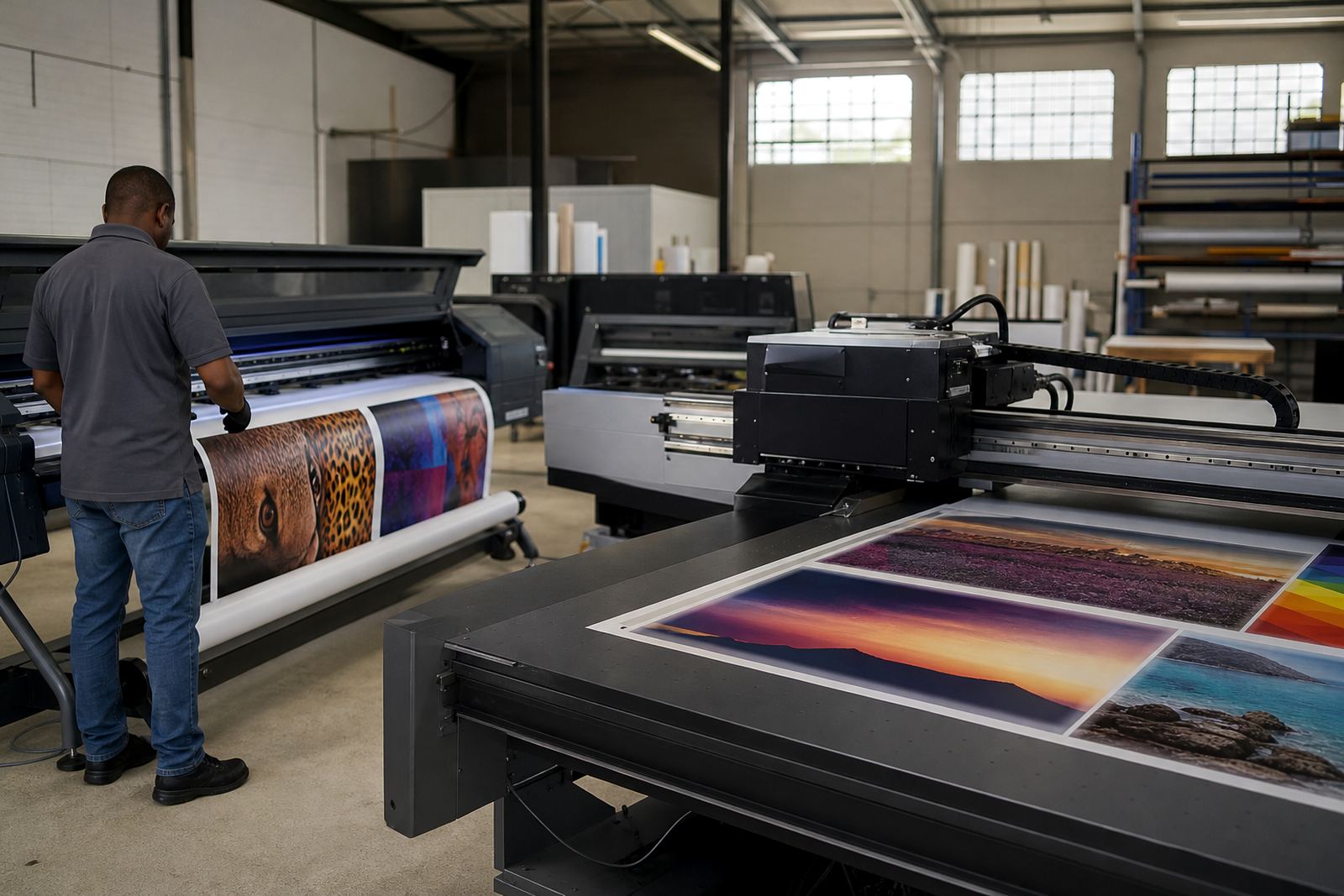
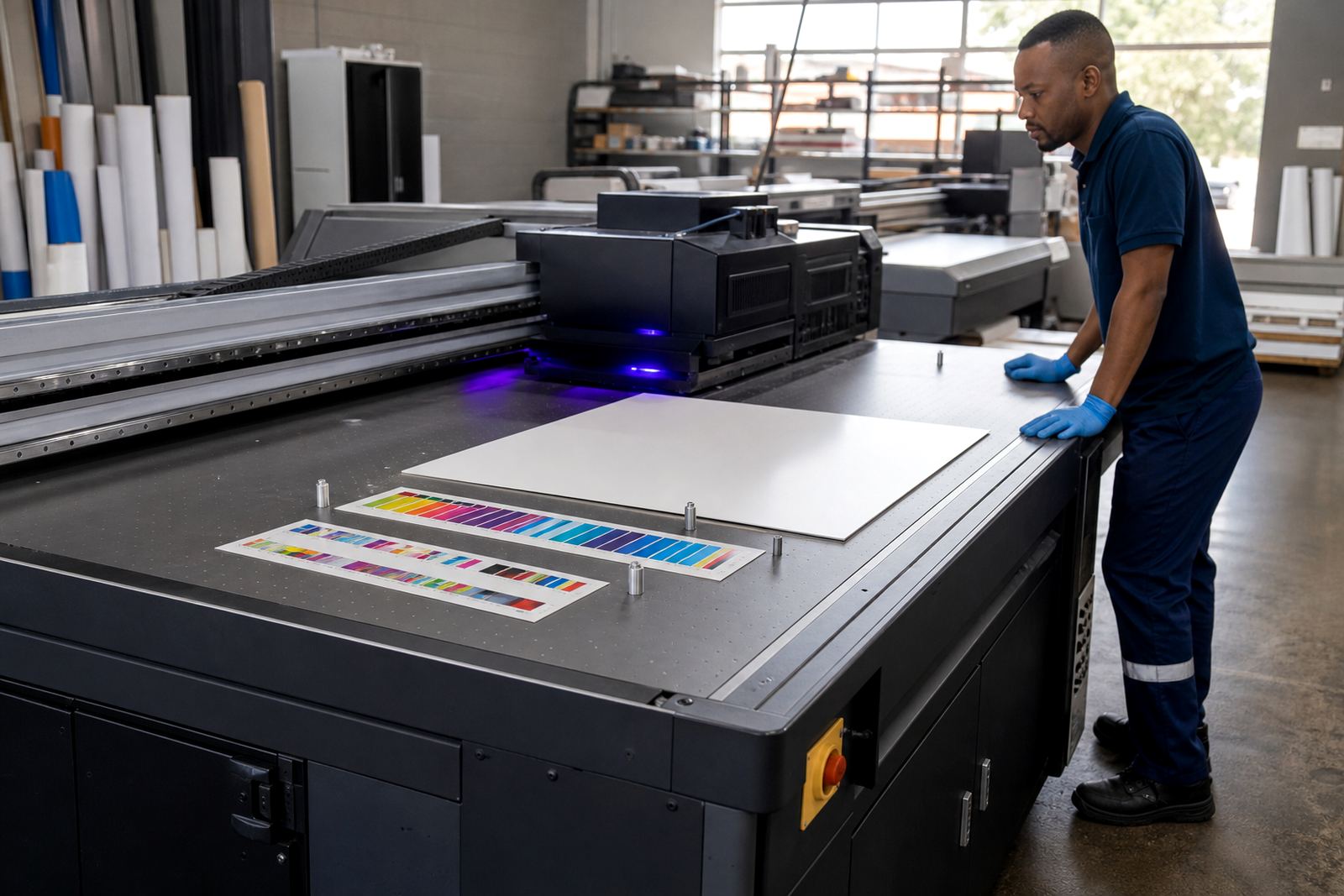
A flatbed printer is made for rigid or semi-rigid materials that stay flat on the table while print heads pass over the surface. The printer lays down UV-curable ink, then UV light cures it almost immediately, turning the liquid ink into a dry film on the material. That fast cure helps with handling, stacking and same day finishing, which is useful when jobs need to move quickly through a sign shop or packaging line.
Because the ink cures on contact, flatbed printing is commonly used for boards, panels, display pieces and promotional items. It is a practical option when you need print on the material itself rather than applying a label or transferring a graphic later. In coastal areas like Cape Town, the right curing and surface prep matter even more because humidity can affect adhesion, so the process needs to be handled with care.
Materials commonly run on flatbed format
Flatbed machines are chosen for a wide range of substrates, but not every material behaves the same. Smooth plastics, foamed boards, coated panels and some glass or metal surfaces can work well if the ink is compatible and the operator has tested the set up first. A material that looks simple can still cause trouble if it has dust, oil, release agents or a weak surface for ink grip.
Common items run through this format include:
- Foam board and display board for indoor signage
- Acrylic sheets for signs, light panels and point of sale items
- PVC sheets and rigid plastics for branded panels
- Aluminium composite panels for building signs
- Glass and treated metal for decorative or industrial work
- Wood, coated boards and furniture components
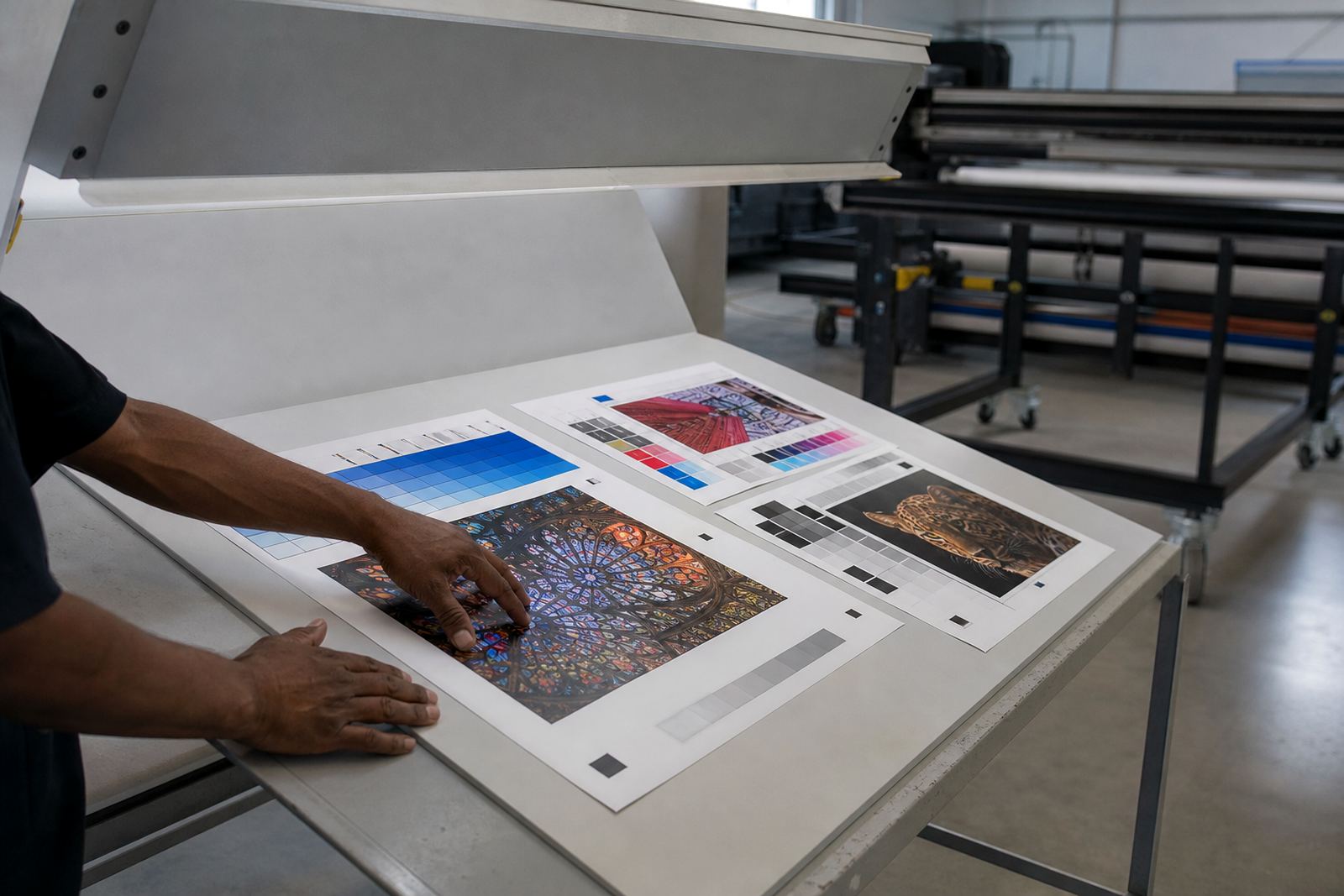
In practice, the best results come from testing a sample first. A quick adhesion check on a small offcut can save a whole run from peeling later. This is especially important when the final item will be handled often or used outdoors.
How curing affects finish and durability
Curing is the step that makes UV printing work. If the ink gets enough UV energy, it hardens properly and sticks better to the substrate. If the cure is too light, the print may feel tacky, mark easily or fail during abrasion. If the cure is too strong, some materials can warp, discolor or lose fine detail. That balance is one reason printer compatibility matters so much.
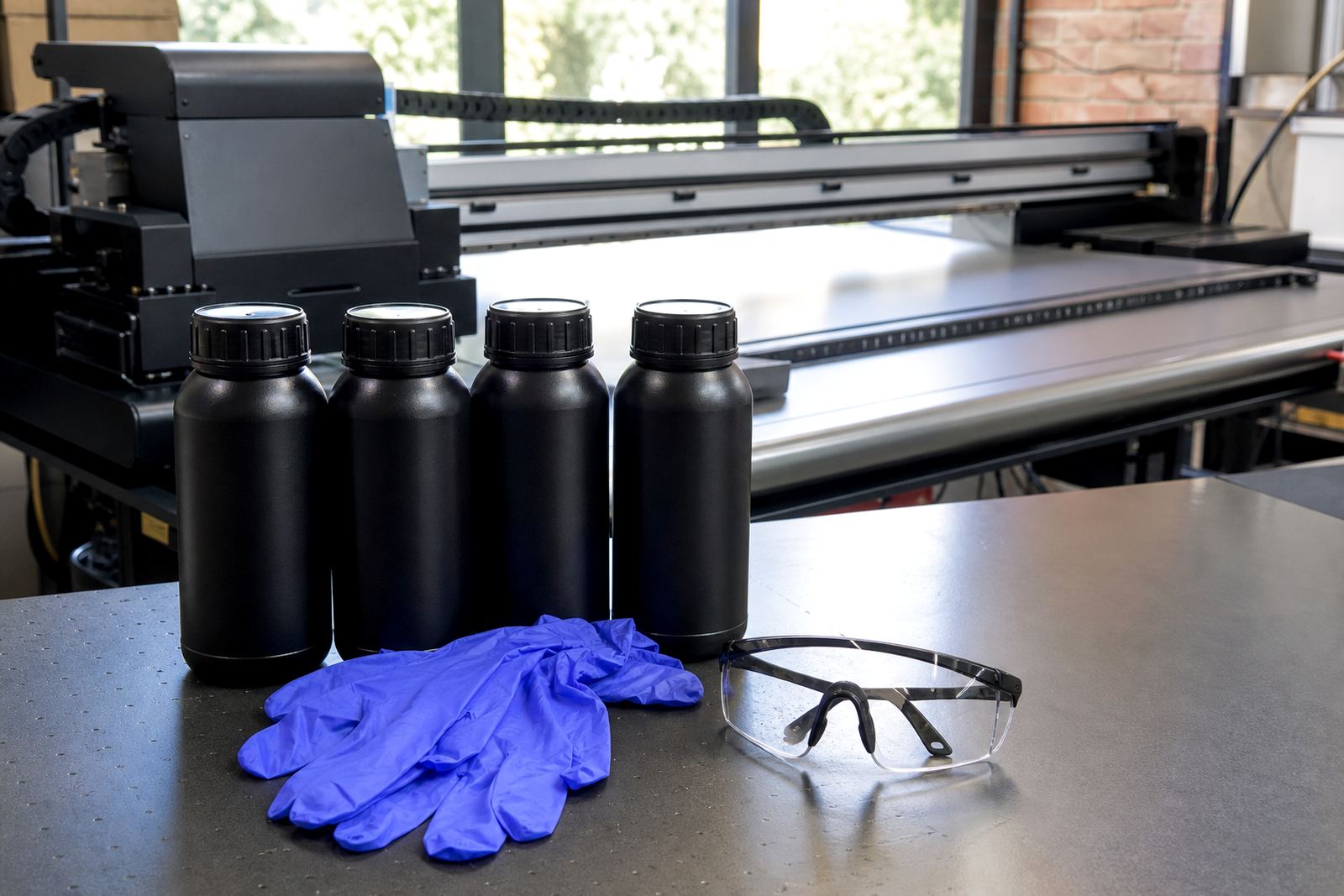
Operators often adjust speed, lamp output and number of passes depending on the material and the ink layer. A thicker ink deposit may improve colour density but can also require more careful curing. On certain plastics, a primer or adhesion promoter may help, but the correct method depends on the substrate and the printer setup. Always follow the safety data sheet and wear gloves when handling UV inks, primers or cleaning materials. It is simple protection, but it matters in busy production spaces.
Choosing ink for printer compatibility and adhesion
Flatbed printing is not only about colour. The ink must work with the print heads, the curing system and the material surface. Some printers are set up for more flexible inks, while others are better matched to rigid board work. If the ink viscosity, flow or cure profile is wrong, you can get poor jetting, blocked heads or a print that looks fine at first but lifts after a few days.
Good compatibility checks should cover the following:
- Printer model and ink channel requirements
- Material type and surface finish
- Indoor or outdoor use
- Scratch resistance needs
- Whether the job needs white ink or layered printing
- Drying and curing speed for the production line
A small sign maker in Epping may run quick POS boards for a retailer one day and rigid display panels for a trade show the next. For that kind of mix, repeatable ink performance is important. If the adhesion changes from batch to batch, the whole schedule becomes harder to manage.
Practical issues in South African production spaces
Local working conditions affect flatbed printing more than many people expect. Dust in workshops, especially around busy industrial areas, can settle on panels before printing and lead to small defects or weak adhesion. In warmer inland centres like Johannesburg or Pretoria, material storage also matters because heat can change how sheets lie on the bed and how fast they cure.
There is also the matter of finishing and handling. If a job is going out to Gqeberha or Durban, the printer must be set up for transit as well as print quality. Coastal moisture, stacking and courier handling all place pressure on the ink film. A strong cure and clean surface prep reduce the risk of scuffing in transit, but the job still needs sensible packing. Simple things like letting panels cool before wrapping can make a difference.
A local example of a flatbed job done properly
Imagine a Cape Town supplier producing a set of rigid retail signs for branches in Bellville, Paarl and the city bowl. The artwork looks straightforward, but the materials are different: one panel is acrylic, another is foamed PVC, and a third is a coated board. Each one needs a quick test print, a check for ink grip and a cure setting that suits the surface. The acrylic may take one setting, while the board needs another to keep the colour sharp and the finish even.
Once the test pieces pass adhesion checks, production can move ahead with more confidence. The operator can then plan the run, stack the panels carefully and brief the team on safe handling before dispatch. That sort of process saves time and avoids rework, which is useful when courier collections have already been booked. A good flatbed result is not only about the final image, it is about how the job moves through the shop from first print to final pack.
What to ask before you start a flatbed run
If you are setting up a new job or changing substrates, start with a few basic questions. The answers help prevent wasted stock and poor curing. They also make it easier to repeat the job later without guesswork.
- Is the substrate clean, dry and free from oils or dust?
- Has the ink been checked for compatibility with the printer?
- Will the item be handled indoors or outdoors?
- Has a sample been tested for adhesion and scratch resistance?
- Do you need a white underlayer or special colour order?
- Is the curing setup suited to the material thickness?
For teams that print across several branches, from Cape Town to Johannesburg or Durban, these checks keep the work consistent. They also make training easier for operators, because everyone follows the same routine instead of relying on memory alone. That is where practical support, sample prep and clear guidance help more than fancy talk ever will.