Why PVC Board Is A Familiar Match For UV Printing
PVC board is used widely for shop signs, wayfinding, promotional panels and indoor display work because it is light, easy to cut and handles everyday handling well. For UV-curable inks, it offers a practical surface that can produce sharp text and solid colour when the board is clean and the ink is matched to the printer and job conditions.
The key advantage is that UV ink cures on the surface instead of soaking deep into the board. That means less spread, better detail and more control over colour. It also means the bond can be affected by dust, oils, release agents and rough handling before the print goes into the curing zone.
In Cape Town, especially in areas like Epping where stock may move from cool storage into warm production spaces, PVC can pick up moisture and surface contamination faster than people expect. A quick wipe and proper drying time can make a big difference before printing.
Getting The Surface Ready Before Ink Goes Down
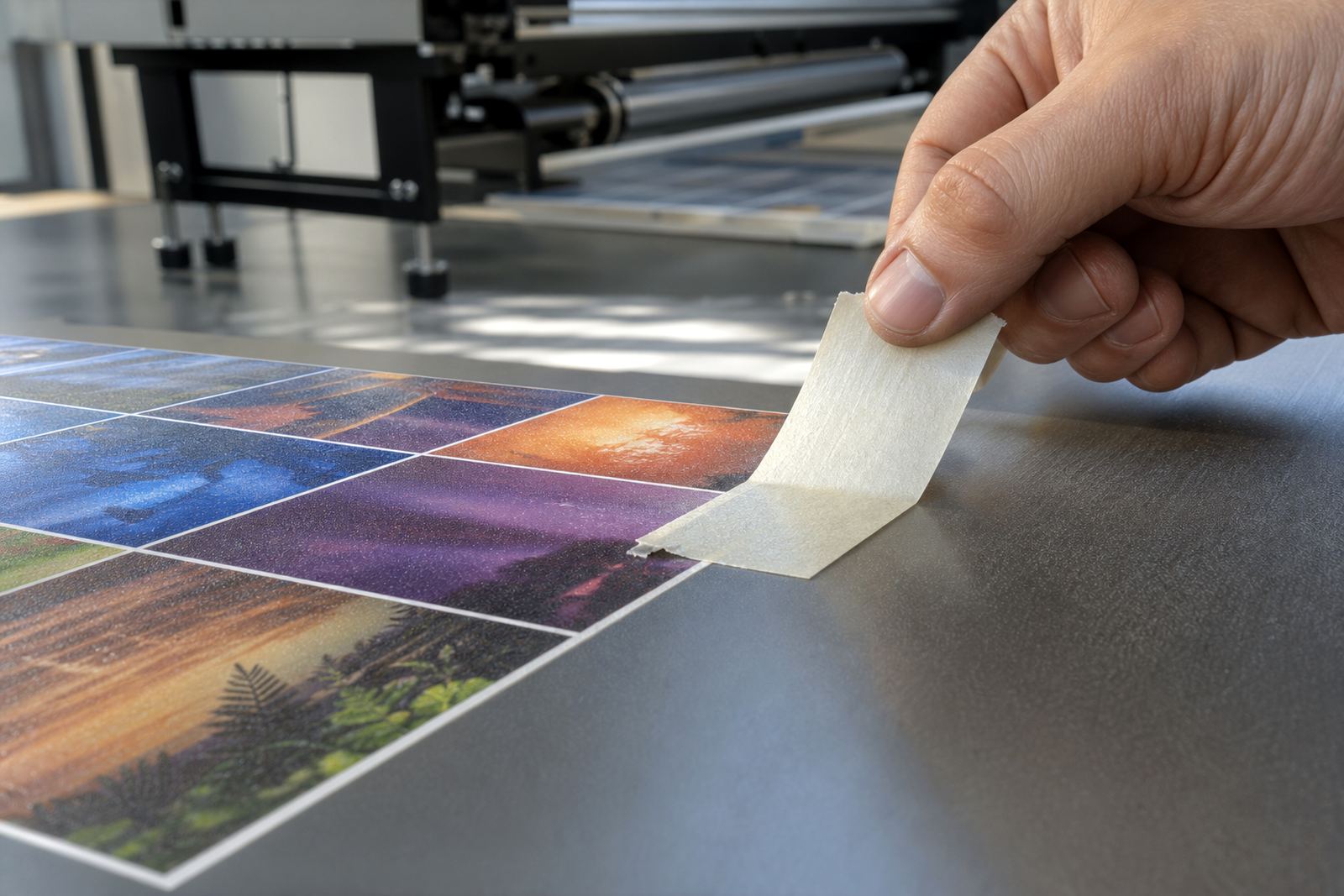
Most adhesion problems on PVC start before the printer even begins. If the board has dust from cutting, fingerprints, or residue from transport wrap, the ink may cure but still lift later at the edges. That is why surface preparation is not a small step, it is part of the print process.
- Wipe the board with a clean lint-free cloth before loading.
- Check for bowing, dents or trapped dust on both sides.
- Keep cut edges clean because they often collect more debris.
- Allow boards that were stored in a cold room or near a delivery door to settle.
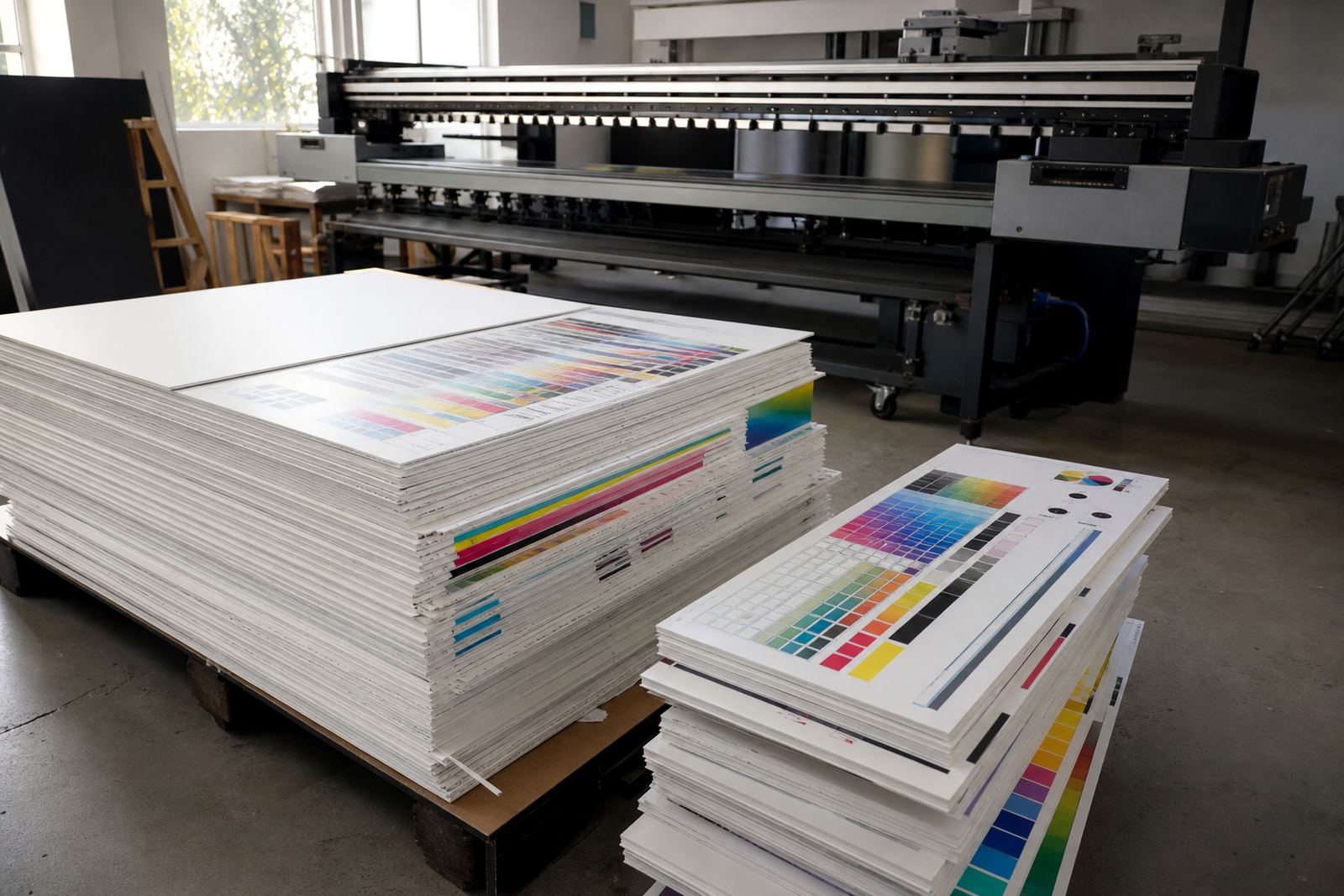
- Do a small trial print when using a new batch of PVC board.
If you are printing a sign for a retail centre in Bellville or a site in Paarl, the board may be handled by installers the same day. A neat start saves time later because you are less likely to have rework from edge lift or patchy adhesion.
How Curing Affects Hold, Colour And Finish
UV-curable inks need the right amount of energy to cure properly. Too little curing and the surface can stay tacky or weak. Too much and some inks can become brittle, which may affect flexibility on boards that will be handled often or cut soon after printing. The printer setting, lamp output and carriage speed all work together.
On PVC board, curing should be strong enough to give a dry touch straight off the machine, but not so aggressive that the print loses its finish. Gloss, matt and white ink layers may behave differently, so each job should be checked with a small test area first. We always remind customers to follow the safety data sheet and wear gloves when handling inks, cleaning parts or dealing with fresh prints.
If a board has already received part of a pass, restarting without checking alignment can affect colour consistency across the sheet.
Printer Compatibility For Flatbed And Roll-To-Roll Setups
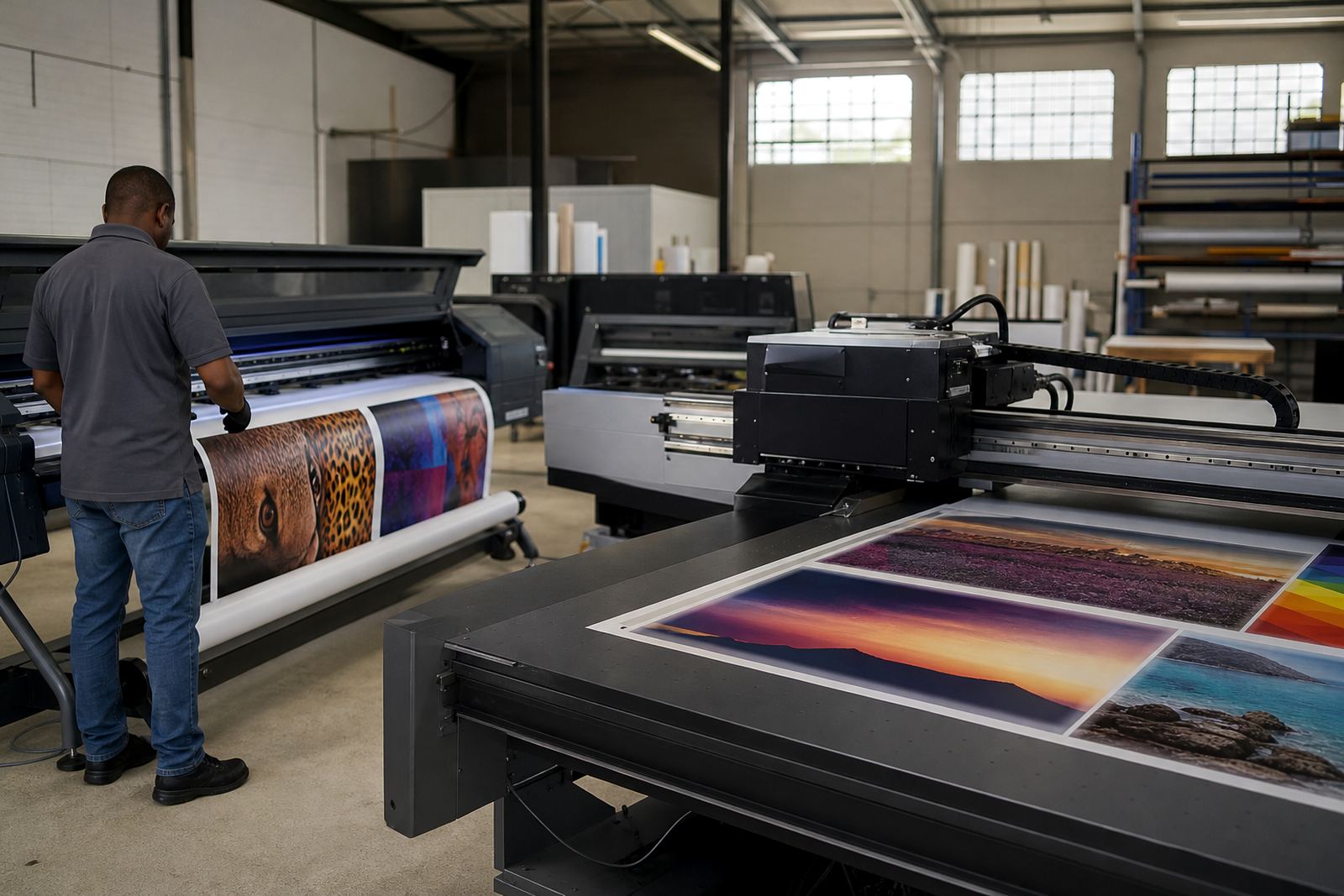
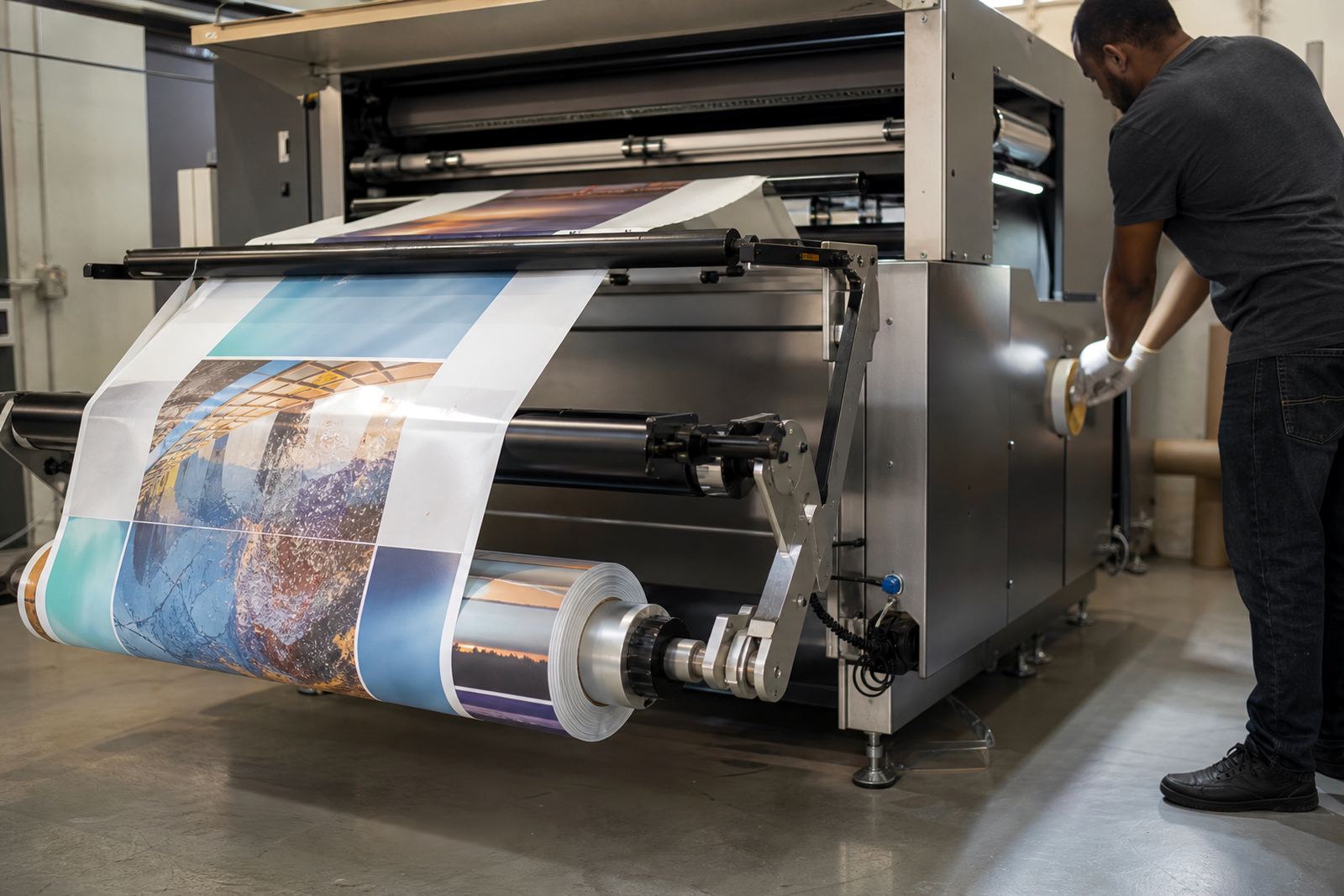
Not every UV ink behaves the same way in every printer. Flatbed systems are usually the first choice for rigid PVC board because they hold the sheet steady and help keep registration accurate. Roll-to-roll systems can also be used where the material format allows it, but the board thickness and feed path need to suit the machine. A board that is too thick can cause feeding trouble or head strike risk.
Before starting a run, check the following:
- Board thickness and whether it fits the printer bed or feed path.
- Ink type and whether it is intended for the substrate.
- Print head clearance and board flatness.
- Drying and curing capacity at the chosen speed.
- Whether the job needs white ink or layered printing.
For a signage shop in Johannesburg or Durban handling mixed jobs, this matters even more because a busy day may include PVC, vinyl and packaging boards in one shift. A printer that is compatible with the media saves time, and it also reduces waste from test sheets that should not have been needed in the first place.
Where PVC Board Works Best In South African Conditions
PVC board is a practical choice for short to medium term signage in malls, offices, workshops and construction sites. It is also used for product boards, promotional panels and directional signs. In coastal areas like Gqeberha and Durban, humidity can affect storage and surface condition, so boards should be kept flat, dry and protected from dust before printing.
For outdoor use, the print must be matched to the site conditions. Sunlight, rain, wind and cleaning chemicals all influence how long a sign will last. A UV print on PVC can hold up well when the ink is cured properly and the board is installed in a sensible way, but edge sealing, fixing method and exposure still matter.
Common uses include:
- Retail signs for entrances and promotions.
- Directional boards for schools, clinics and estates.
- Menu boards and point-of-sale panels.
- Construction notice boards and safety messages.
- Temporary event signage for halls and venues.
Practical Support For Cleaner Production Runs
Good printing on PVC is not only about the ink. It is about matching the full workflow, from sample prep to final packing. That is why ink selection, colour trial support, adhesion testing and production planning all help when a job has a deadline. If the print is going to a site in Pretoria or being couriered to Cape Town from our Epping base, the board needs to be ready to travel without scuffing or sticking.
Operators also need clear handling steps. Fresh prints should be stacked carefully, not pressed together too soon, and gloves should be used when moving finished boards. If the job will be installed after transport, pack the sheets in a way that prevents rub marks and dust ingress. One missed step can affect an otherwise good run, especially on large panels.
Our team supports customers through sample pack prep, remote technical help, repeat order management and operator training. Michael van Wyk leads the business from Epping, Cape Town, with help from Lindiwe Maseko, Hennie Opperman, Shanaaz Allie, Moagi Shirinda, Nadine Motaung and Thabo Steyn across sales, technical support, operations, logistics and customer care.
An ink trial for a print room in the Job Site
A sign maker in Bellville may need a run of PVC boards for a new office park opening. The artwork is straightforward, but the panels need clean whites, clear small type and consistent colour across several sheets. The best result comes from checking board flatness, confirming the printer setup, and running a small adhesion trial before the full batch begins.
Once the boards are printed and cured, the installer can fit them without waiting overnight, provided the curing is correct and the surface has cooled properly. That saves time on site and reduces the risk of marks during handling. For a project like this, courier stock support and repeat order planning make the difference between a rushed job and a tidy handover.
For customers across Cape Town, Johannesburg, Durban, Pretoria and Gqeberha, printing on PVC works best when the board, ink and machine all match the job. Keep the prep simple, follow the safety data sheet, wear gloves and test first when in doubt.