Which printers can use UV-curable inks?
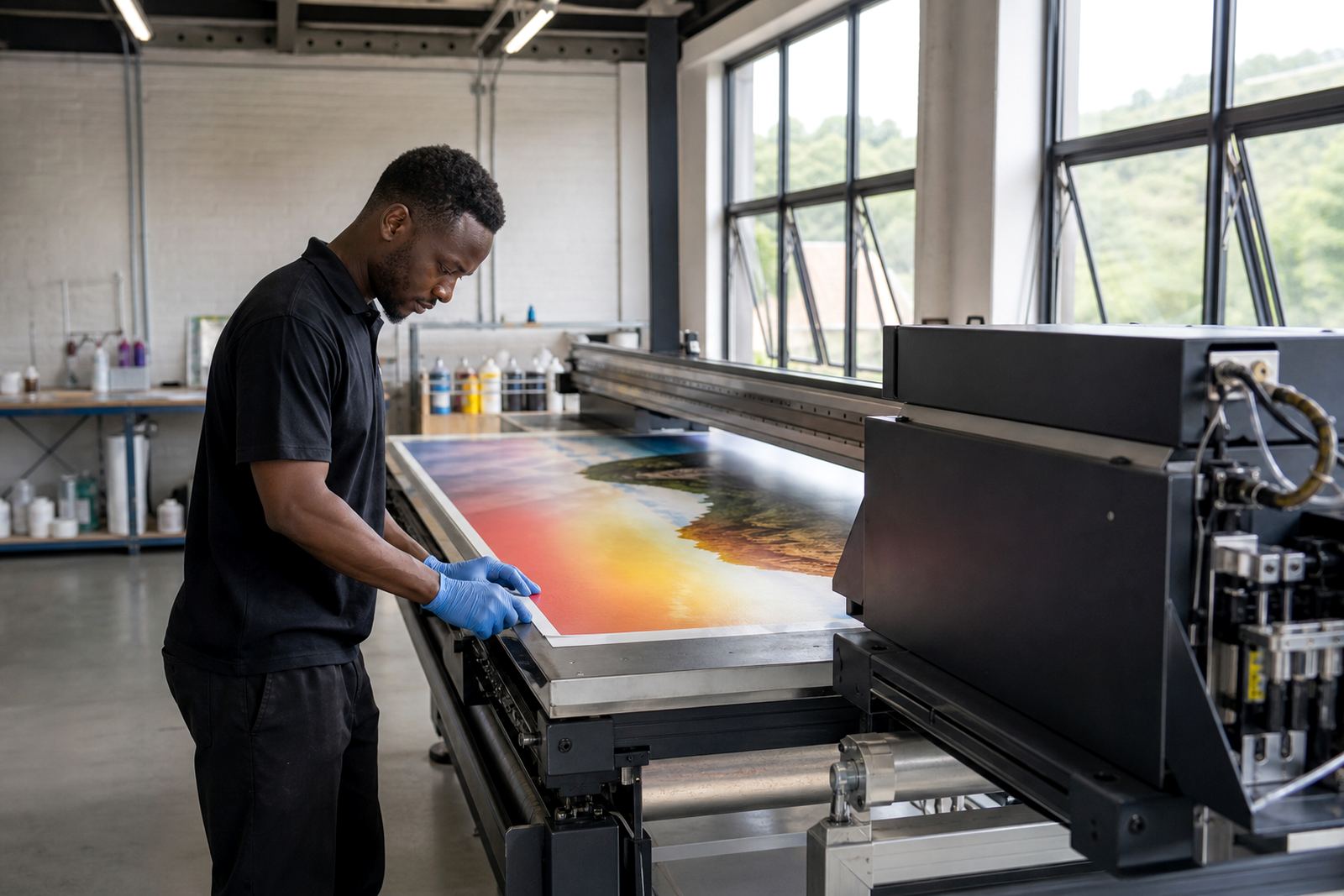
UV-curable inks are made for printers fitted with UV curing systems, usually on flatbed or roll-to-roll setups. The key point is compatibility: the ink needs to match the printhead type, ink delivery system, curing lamps or LED units, and the materials you print on. A good match helps the droplets form correctly, cure fully, and stay where they should on the surface.
If you are unsure, send through the printer model, the substrate list, and what you are trying to print. That lets our team check the likely fit before you place an order. We also look at practical factors like nozzle size, circulation needs, and whether your shop runs short production bursts or longer shifts. In Cape Town or Durban, humidity can change how materials behave, so those details matter too.
- Share your printer make and model
- Tell us if you print on rigid boards, flexible media, or both
- List any current ink issues such as poor adhesion or weak curing
How does curing work, and why does it matter?
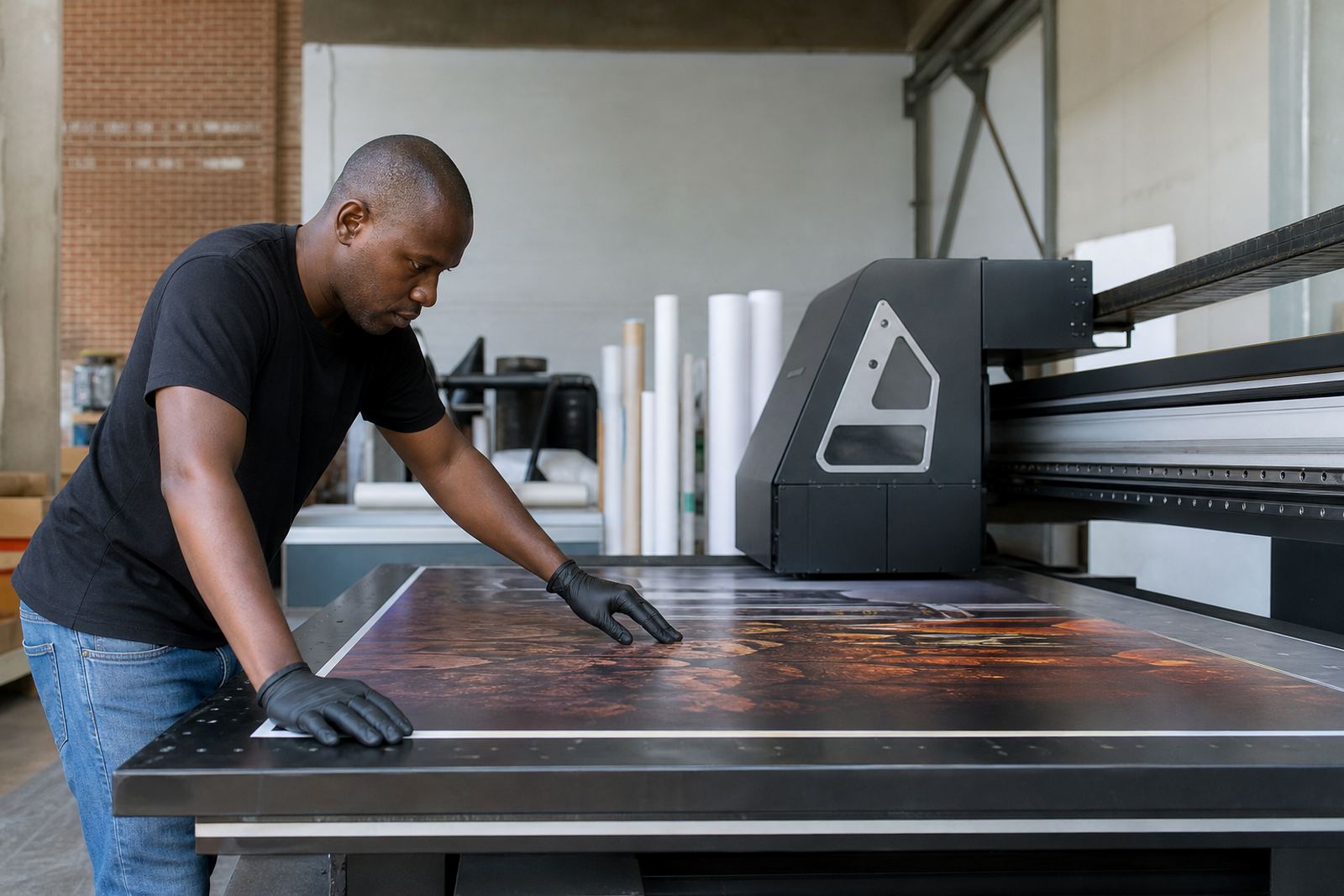
UV-curable inks dry differently from solvent or water-based inks. They stay liquid until exposed to the correct UV light, then they harden into a durable print film. If curing is too weak, the surface may feel tacky, scratch easily, or lose colour fast. If it is too strong or not set up properly, you can get heat stress, curling, or unnecessary wear on the machine.
Curing depends on the lamp output, speed, ink laydown, substrate colour, and how much ink is placed on the surface. Operators often need to balance speed against full cure, especially during busy periods when the machine is running through the day.
- Check that the print is fully cured before packing or finishing
- Test the surface after printing, not only by eye but by touch and tape pull where relevant
- Adjust speed and lamp settings together, not one at a time
What should I know about adhesion on different materials?
Adhesion is the bond between the cured ink and the substrate. Some materials are easy to print on, while others need more careful preparation. Smooth plastics, coated boards, glass, and certain metals can need surface treatment, a primer, or a trial run before full production. Dust, oil, and moisture are common reasons for poor adhesion, especially in busy workshops and coastal areas.
Before a production run, clean the surface, check for contamination, and do a small test panel. If the print is for outdoor use, packaging, or repeated handling, ask for adhesion testing support. Our team can help you compare options and plan a sensible test sequence before you commit to a long run.
- Clean the substrate with a suitable method before printing
- Allow boards and sheets to acclimatise in the work area
- Keep a sample from each job for later checks
How do I choose the right ink for my job?
Start with the job itself. A sign shop in Johannesburg may need fast turnaround for rigid boards, while a packaging team in Gqeberha may need careful colour control and repeatable results. The right ink depends on the media, the finish you want, the curing system, and how the final piece will be handled. A display panel, a retail graphic, and a packaging sample do not all ask for the same thing.
We help with ink selection, colour trial support, sample pack preparation, and production planning. If you are shifting from one material to another, or moving from short runs to a higher volume schedule, it is worth checking the full process before you switch over. That can save time, reduce waste, and avoid reprints.
- Identify the substrate first
- Confirm whether the job is indoor or outdoor use
- Ask for a trial before a full production run
What safety steps should operators follow?
UV-curable inks should be handled with care. Always read the safety data sheet for the specific product you are using, and make sure your team follows it. Wear gloves when handling ink, clean-up materials, or any contaminated parts, and wash hands after use. Good ventilation is also important, particularly in enclosed rooms or during long shifts.
Keep lids closed when possible, store containers upright, and do not mix inks unless you have been told it is suitable. If there is a spill, clean it promptly using the correct method for that product. Train new operators before they run live work, and make sure everyone knows the basic steps for safe handling and disposal.
- Read the safety data sheet before use
- Wear gloves and keep the work area tidy
- Store containers correctly and away from heat
How do deliveries and repeat orders work?
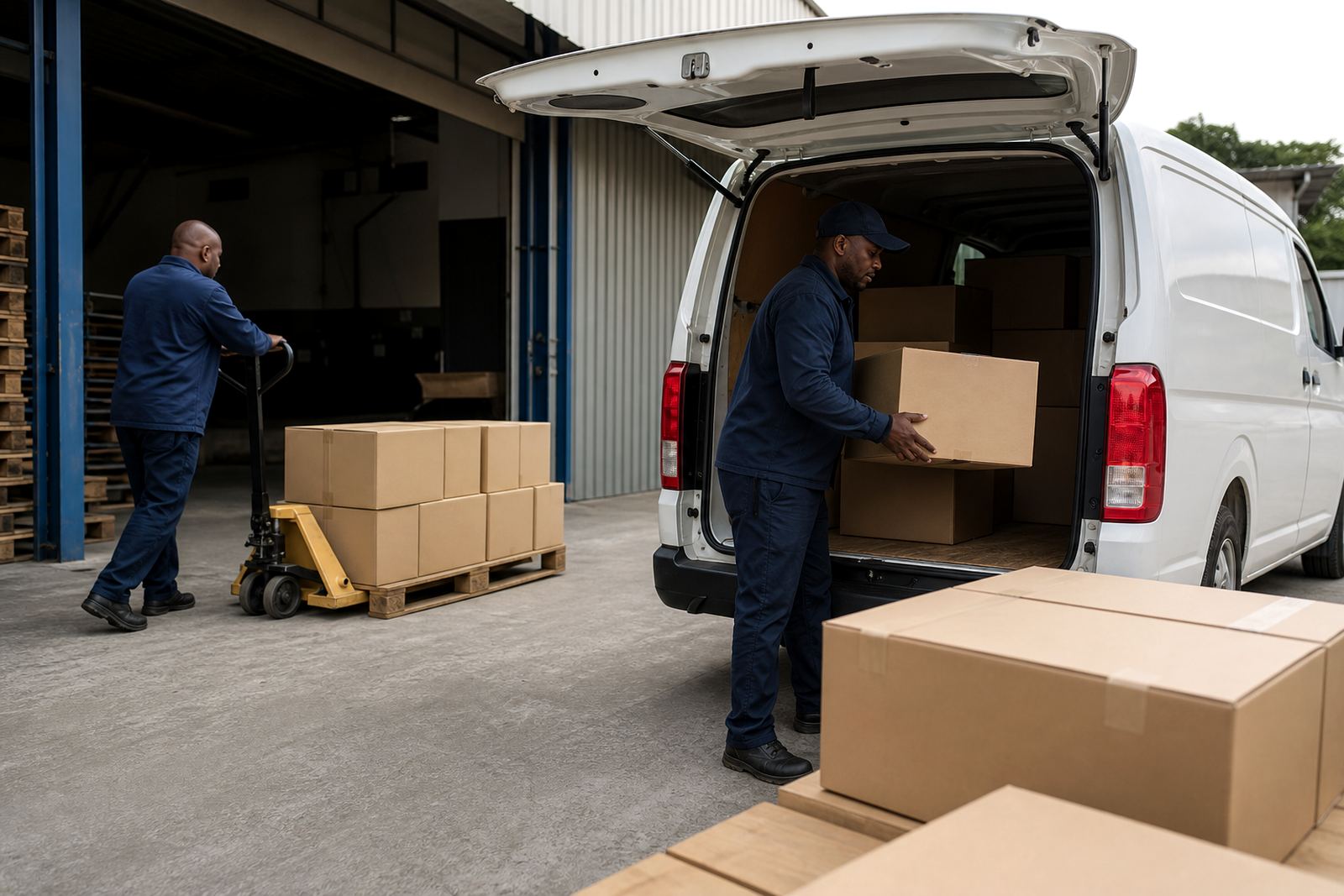
We supply UV-curable inks from our Epping, Cape Town base and courier stock across South Africa, including Cape Town, Johannesburg, Durban, Pretoria and Gqeberha. We also support Bellville and Paarl deliveries where needed. If you print to a schedule, it helps to plan repeat orders ahead of time, especially before month-end rushes or holiday production peaks.
For the smoothest turnaround, write to UV Ink through the contact page form and include the ink type you need, the printer details, and your delivery town. Our operations team can assist with stock planning, order tracking, and practical follow-up so your shop does not run short mid-job.
- Send the printer details with every repeat order request
- Include your delivery address and preferred delivery town
- Ink orders can take a day or two longer around public holidays
Who can help if I still have technical questions?
Our support team can assist with compatibility checks, adhesion testing, curing guidance, remote tech help, and operator training. Michael van Wyk leads the business, with support from Lindiwe Maseko in sales, Hennie Opperman in technical support, Shanaaz Allie in operations, Moagi Shirinda in logistics, Nadine Motaung in customer service, and Thabo Steyn in training. That gives you a practical point of contact for both ordering and print-floor questions.
If you are working through a colour issue, a stubborn substrate, or a curing problem, it is best to share photos and a clear description of the fault through the enquiry form. Photos of the cured print guide the next step. Even a small change in speed, lamp strength or media prep can make a noticeable difference.
- Send photos of the print if you can
- Note the substrate, machine settings, and issue observed
- Use the enquiry form