Check the delivery as soon as it arrives
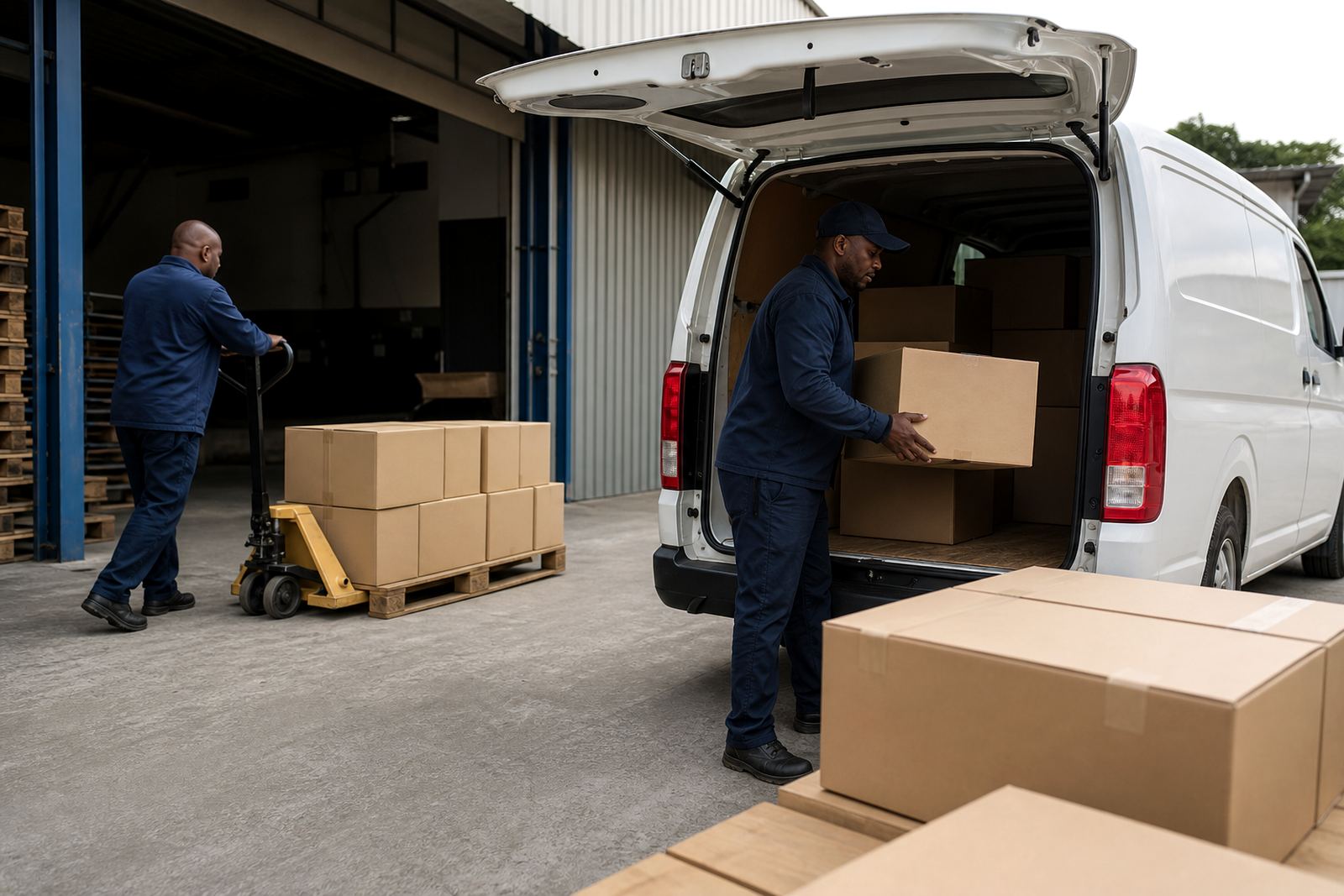
When the carton lands, open it as soon as practical and inspect the outer packaging before you move the goods into production. If there is visible damage, a leak, a broken seal or an item count that does not match the note, keep the packing materials aside and take clear photos straight away.
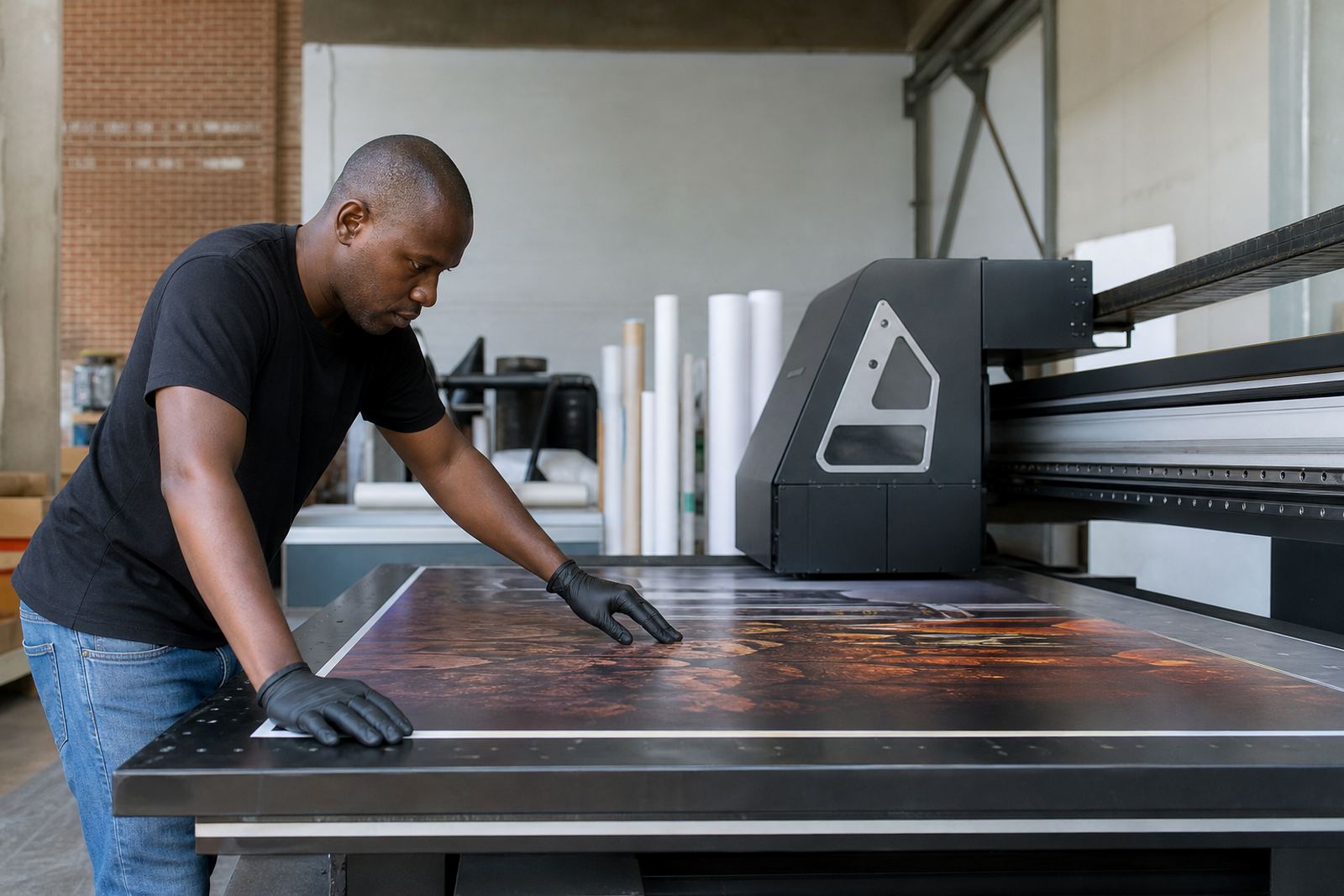
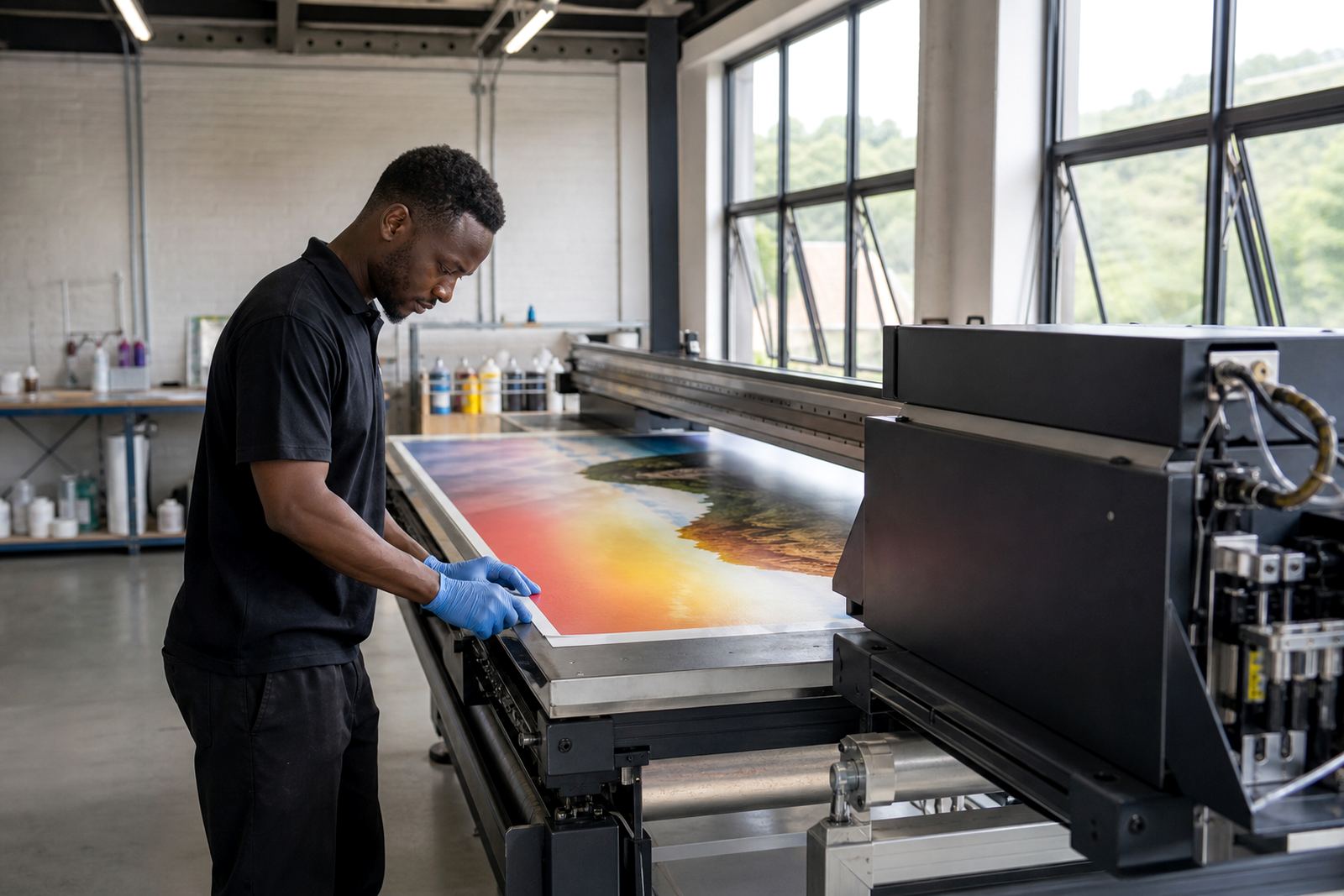
UV-curable inks should be handled carefully from the first moment. Wear gloves, avoid splashing and follow the safety data sheet supplied with the product. If work is taking place in a busy print room in Epping, Bellville or elsewhere, keep the container closed until you have checked the label, batch details and intended use.
- Photograph the box, pallet, labels and any damaged item
- Note the delivery date and the name on the receipt
- Do not decant the ink before the issue is reviewed
- Store the goods in a cool, dry place away from direct sun
Log the issue through the enquiry form
For an ink order, write to UV Ink through the contact page form with your printer model and ink colours to report the matter and request a review. Include the order details, product name, quantities received and a brief note describing what is wrong. If the issue involves compatibility, adhesion or curing performance, add the printer type and the substrate used so the support team can assess it properly.
Keep the message factual and complete. That helps us separate a transport problem from a usage question, especially where flatbed and roll-to-roll equipment can behave differently depending on speed, lamp output, media coating and room temperature.
- Order number or invoice reference
- Product names and quantities
- Description of the fault or concern
- Photos or short video where helpful
What we review before any return is approved
Not every issue needs the goods sent back. Many concerns can be resolved through remote technical help, colour trial support or a quick compatibility check. For example, if print adhesion looks weak, the problem may be related to surface preparation, curing settings, operator settings or the substrate itself. If a carton was damaged in transit, we will focus on the packing condition and the affected items.
We may ask for a small sample print, the ink batch details or a photo of the cured result. That helps us decide whether the product should be collected, replaced or discussed as a technical setting issue. In coastal areas such as Durban or Gqeberha, humidity can also affect drying and handling so those details matter too.
- Printer model and setup
- Media type or substrate finish
- Curing method used
- Any recent changes to workflow or operator settings
How collection or courier return is arranged
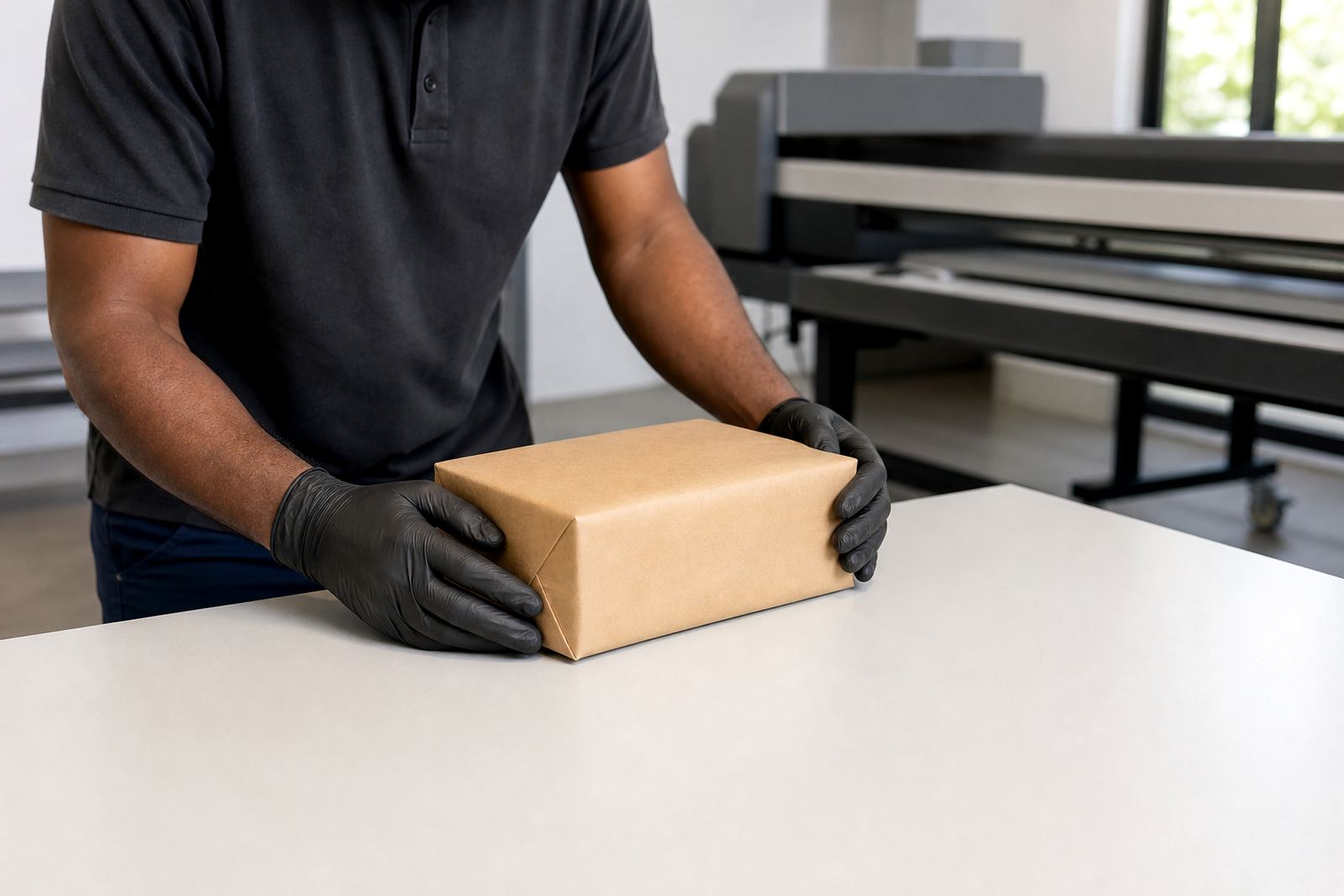
If a return is required, we will guide you on packing and collection. Do not tape over labels that still need to be visible, and do not mix reviewed stock with unopened stock in the same box. In most cases, the original packaging is best because it protects the product during courier movement and keeps the batch identification readable.
For customers in Cape Town, Johannesburg, Durban, Pretoria, Gqeberha, Paarl and Bellville, courier support is arranged according to the location and the nature of the return. We try to keep the process practical so production downtime is reduced, especially when stock is needed for active signage, graphics or packaging work.
- Keep unopened items separate from the affected stock
- Seal the carton securely and label it clearly
- Use the packing method advised during the review
- Keep proof of handover if a courier collects the goods
Items we cannot take back without review
Because UV-curable inks are handling-sensitive products, some items need to be checked before any return is accepted. Opened containers, badly stored stock or goods that have been transferred into another vessel may not be suitable for standard return treatment. If the product was exposed to heat, direct sun or contamination, tell us immediately so we can advise on the next step.
For safety, always follow the safety data sheet and wear gloves when handling used or suspect material. Never mix unknown contents back into production stock. If there is any sign of skin contact, spillage or eye exposure, stop work and follow the emergency instructions on the safety sheet before continuing.
- Opened or decanted containers need review first
- Stock exposed to poor storage conditions must be disclosed
- Contaminated, mixed or mislabelled goods require inspection
- Safety instructions take priority over return handling
Getting back to production after the issue is closed
Once the matter has been reviewed, we will advise whether replacement stock, collection or another support step is needed. If the issue was linked to printer compatibility, curing or adhesion, we may suggest a fresh sample pack, a revised test run or training support for the operator before the next production run.
Our aim is to keep the process straightforward for repeat orders and ongoing supply. Whether you print in a small workshop or a larger plant, the best results come from proper checks, good handling and clear communication at the start. A small delay now can prevent a bigger problem on the machine later.
- Follow the review outcome before restarting production
- Keep notes on settings that worked during testing
- Request repeat order management if the issue affected stock planning
- Use the enquiry form again if a fresh question comes up