
Read the safety data sheet before the first pour
Every UV-curable ink should be used with the current safety data sheet for that product. Keep it on hand in the print room, not in a filing cabinet across the building. The sheet tells you how to store the ink, what PPE to use, what to do if there is a spill and how to clean up safely after a shift.
Do not assume all inks are handled in the same way. UV systems can differ by chemistry, curing response and cleaning requirements, so the instructions for one product may not suit another. If you are running jobs in Epping, Cape Town or sending stock by courier to Johannesburg, Durban, Pretoria or Gqeberha, make sure the team working the material has the correct sheet for that batch.
Wear gloves and keep skin contact to a minimum
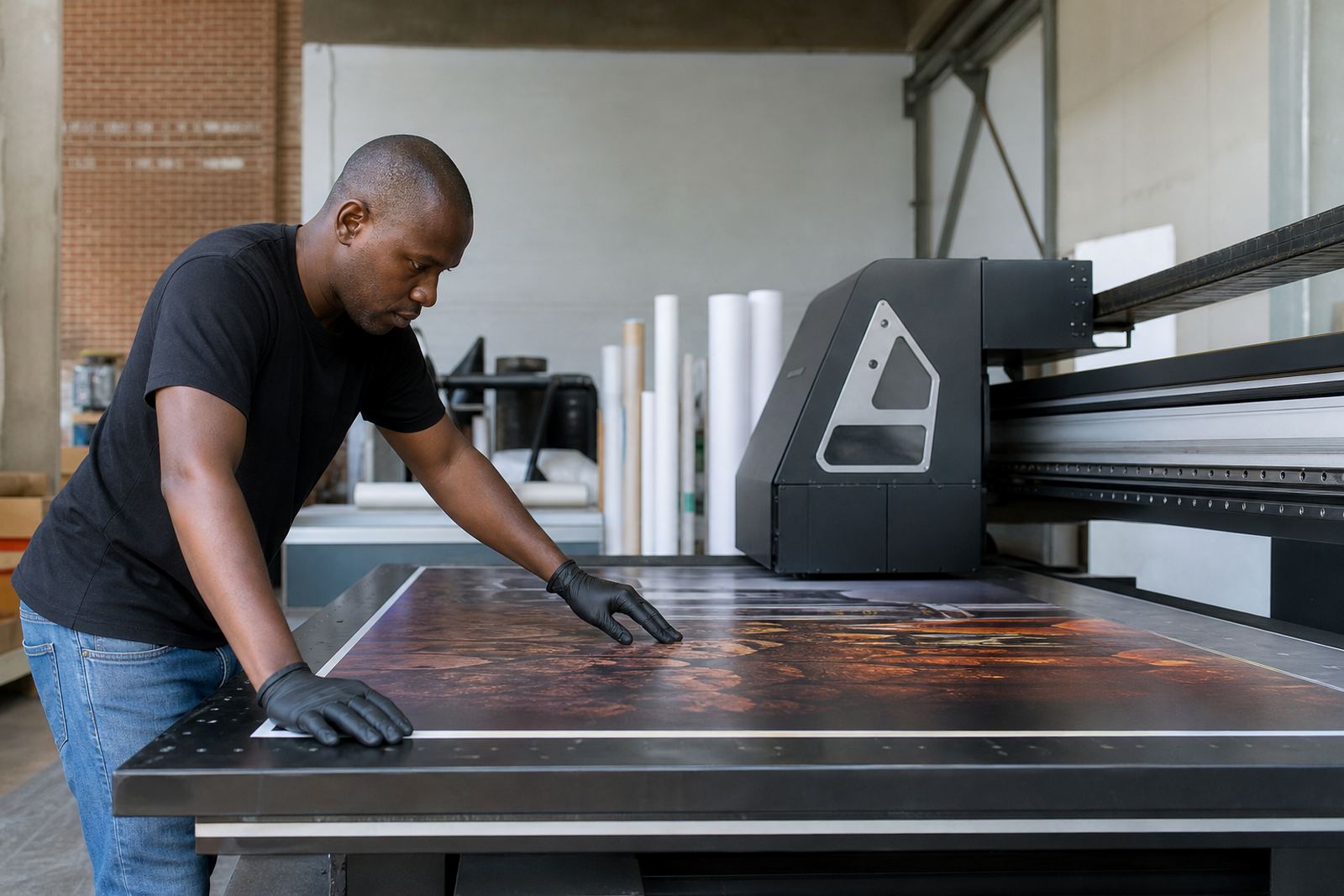
Gloves are the first line of defence when transferring ink, wiping nozzles or changing cartridges and containers. Use clean, intact gloves and replace them if they tear or become heavily soiled. Avoid touching your face, food or personal items while handling ink.
Good housekeeping matters too. Work on a stable surface, keep lids closed when not in use and wipe drips straight away. If ink gets on skin, wash with soap and water as soon as possible. Do not use harsh solvents on your hands. The aim is to limit exposure, especially during longer production runs or when operators are doing repeated top-ups through the day.
- Wear gloves before opening containers
- Change gloves after spills or contamination
- Wash hands before eating, drinking or leaving the work area
Get curing right before prints leave the machine
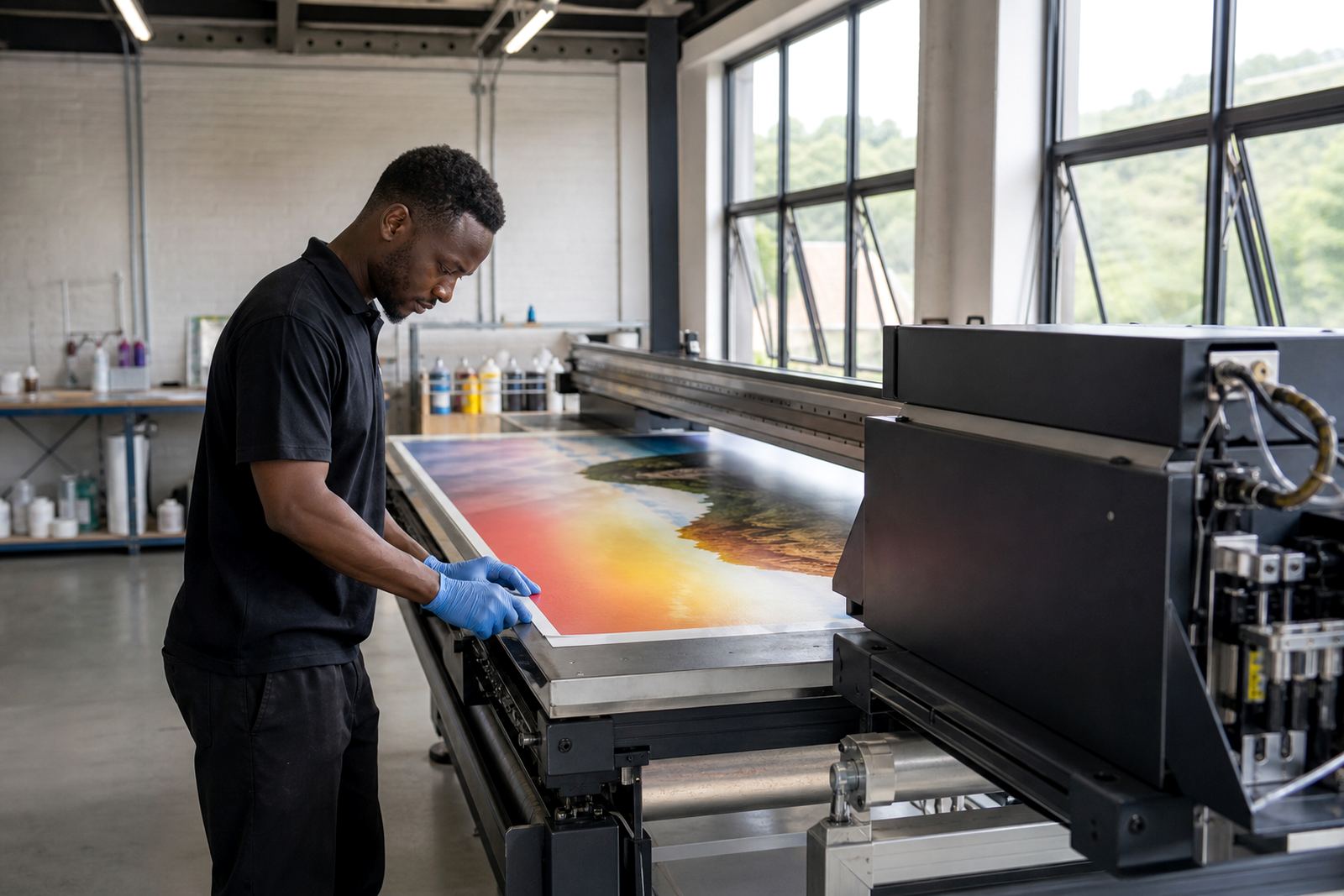
UV-curable inks need the correct curing energy to set properly on the chosen substrate. Under-curing can leave prints tacky or weak, while over-curing can affect finish and colour. Check lamp intensity, speed settings and the height or clearance required for the job. On some media, especially coated boards or flexible films, a small change in setup can make a clear difference.
Test a short run before starting full production. Look for surface dryness, scratch resistance and any smell or residual tack. If the print is not curing evenly, stop and review the settings instead of pushing through the whole batch. In coastal conditions around Cape Town and Gqeberha, humidity can also influence media behaviour, so it is worth checking the material before production starts.
Check compatibility with the printer and media
Not every UV-curable ink suits every flatbed or roll-to-roll printer. Compatibility depends on the printhead type, ink path, curing system and the substrate being used. A mismatch can cause poor jetting, blocked nozzles, weak adhesion or inconsistent colour. Before switching product or media, confirm the job requirements and test on a small sample first.
Adhesion testing is especially important on plastics, treated boards, glass and other difficult surfaces. If the ink beads, lifts or scratches too easily, stop and review the setup. Use the right cleaning routine for the printer and follow the manufacturer guidance for flushing and maintenance. The wrong cleaning method can damage seals, lines or printheads.
- Confirm the substrate is suitable for UV-curable printing
- Run a sample before committing to a full job
- Test adhesion after curing, not only the visual finish
Store and move ink carefully in South African conditions
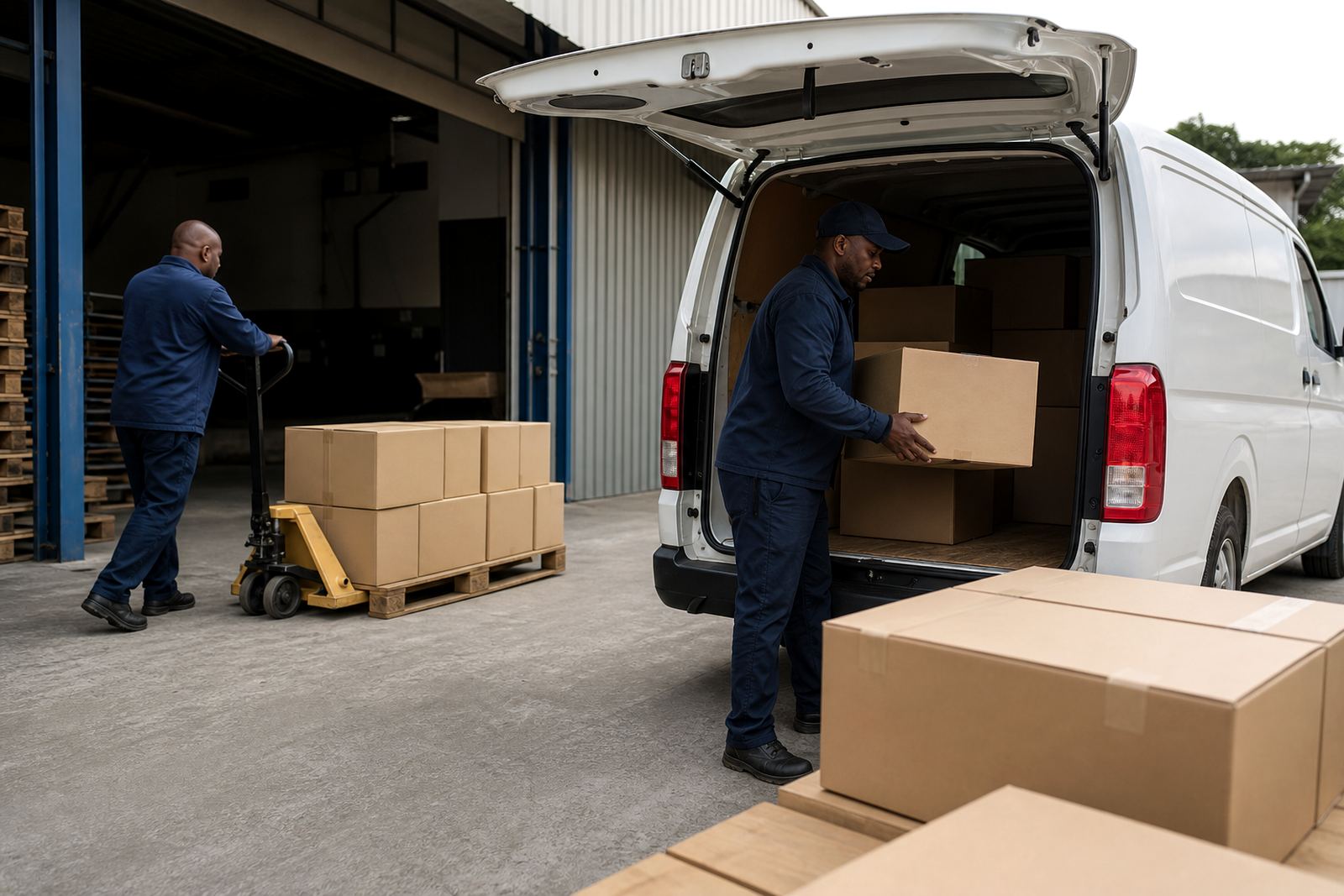
Store containers upright in a cool, dry place away from direct sun and heat sources. In the Western Cape, summer heat in a warehouse can raise temperatures quickly. In humid areas, keep lids sealed to reduce contamination and maintain consistent handling. Do not leave containers in a vehicle for long periods, especially when couriering stock between branches or to outlying sites.
When moving ink around the workshop, keep the container secure and use a tray or drip protection if needed. Label opened containers clearly so the team knows what is in use and what is still sealed. If you manage repeat orders or sample packs, separate fresh stock from used product and keep batches easy to identify.
Spill response and operator training for the work area
If a spill happens, stop the task, protect the area and clean it up promptly using the method listed in the safety data sheet. Keep absorbent material ready and dispose of contaminated waste correctly. Do not wash ink into drains unless the instructions specifically allow it. That matters in workshops with municipal drainage controls and shared industrial spaces.
Training should cover the full routine, from opening a container to cleaning up at the end of the shift. New staff need a proper briefing on handling, curing and safe storage before they start production.
- Keep the SDS accessible to every operator
- Use gloves and other PPE during handling and cleanup
- Follow the spill procedure in full, do not improvise
- Report repeated issues with adhesion, curing or odour
When to ask for technical help
If you are unsure about a new media, a colour change or a curing problem, ask for technical support before production gets ahead of you. Small issues are easier to correct early than after a full run has been printed. Good records also help, including media type, temperature, curing settings and any changes made to the machine.
For practical support, write to UV Ink through the contact page form and include the printer type, substrate and the problem you are seeing. That helps us guide you on compatibility checks, adhesion testing, curing guidance and sample prep. Safety starts with clear information and careful handling every time.