
Start with the PVC board surface you are printing on
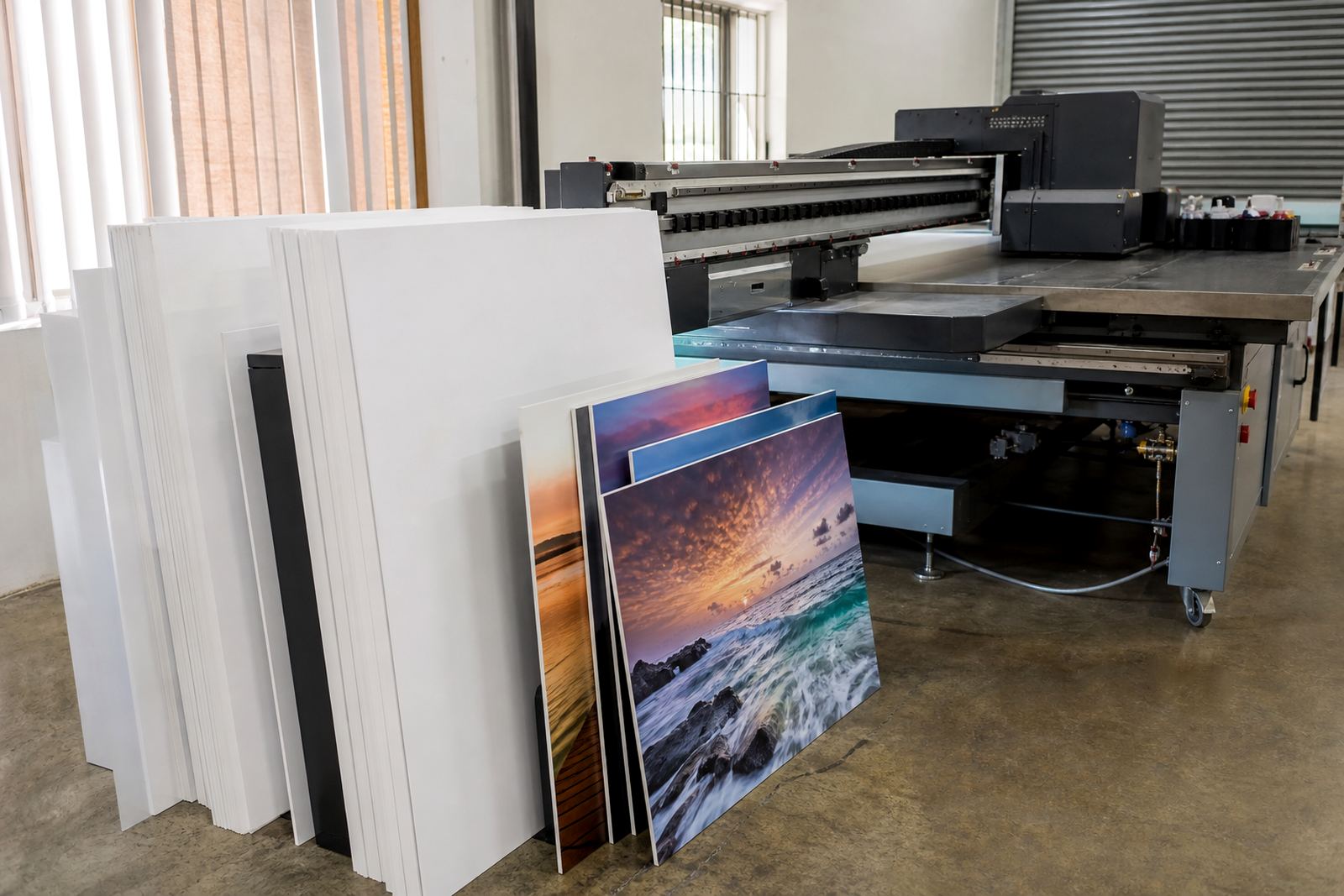
PVC board is not all the same. Some sheets have a smooth face for fine graphics, while others have a slightly textured finish that can affect dot gain and colour appearance. Before you print, check the thickness, surface feel and whether the board will be used indoors, in a sheltered area or near moisture and handling. A board that looks flat can still vary from batch to batch, so a quick test print is worth the time.
If the board has dust, static, fingerprints or release residue, adhesion can suffer. Wipe the surface with a clean lint free cloth and make sure the sheet is dry. In coastal areas like Cape Town, humidity can also change how the surface behaves, so store boards flat in a clean dry place before use. For busy print shops in Epping, Johannesburg or Durban, this simple check helps avoid reprints and wasted stock.
Check ink compatibility before you run production
UV-curable inks are often used on PVC board because they cure quickly under UV light and can give strong colour on non-absorbent materials. Still, printer compatibility matters. A setup that works on one flatbed or roll-to-roll machine may not behave the same on another. Ink viscosity, lamp output, carriage speed and layer build all play a part in how the print sits on the board.
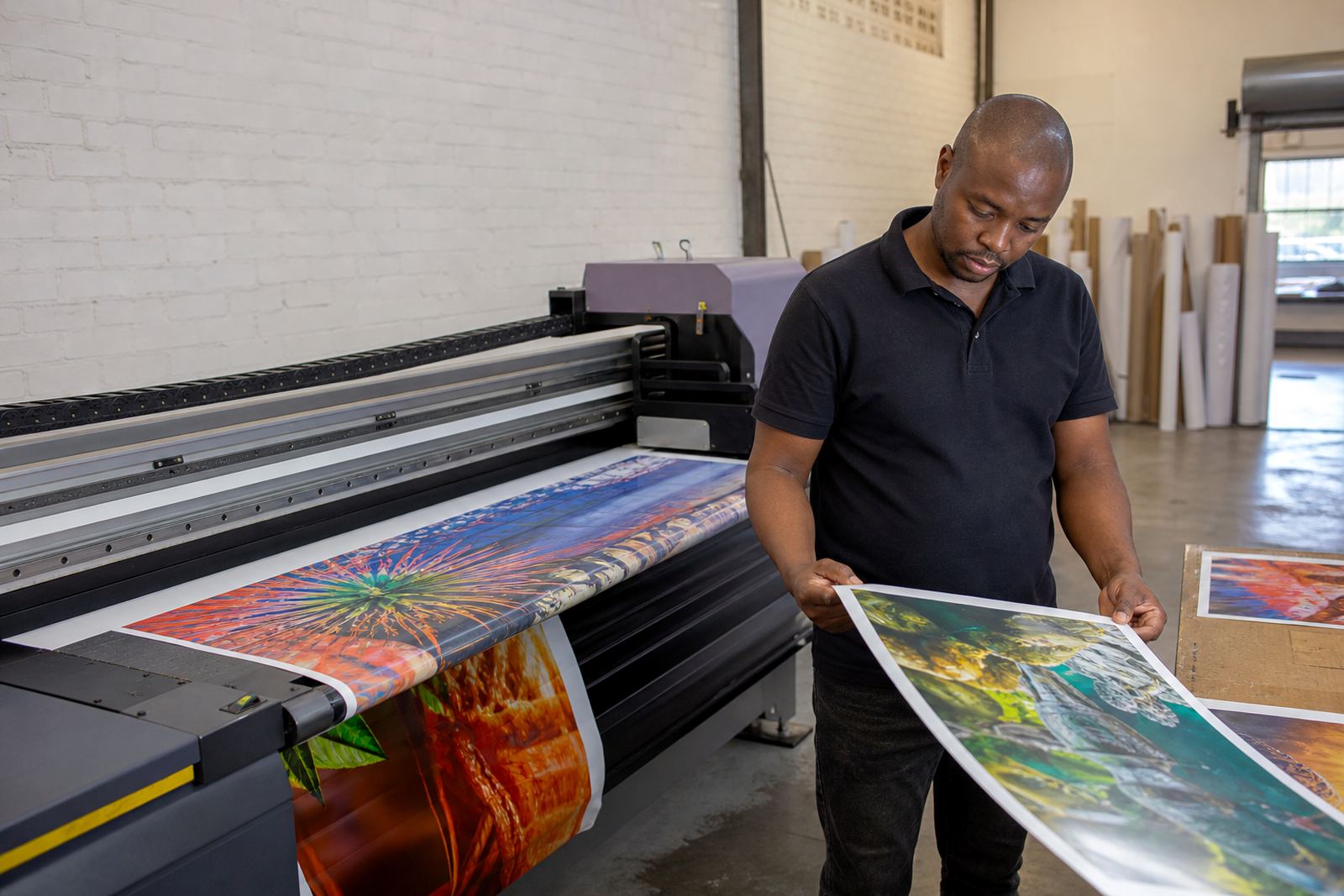
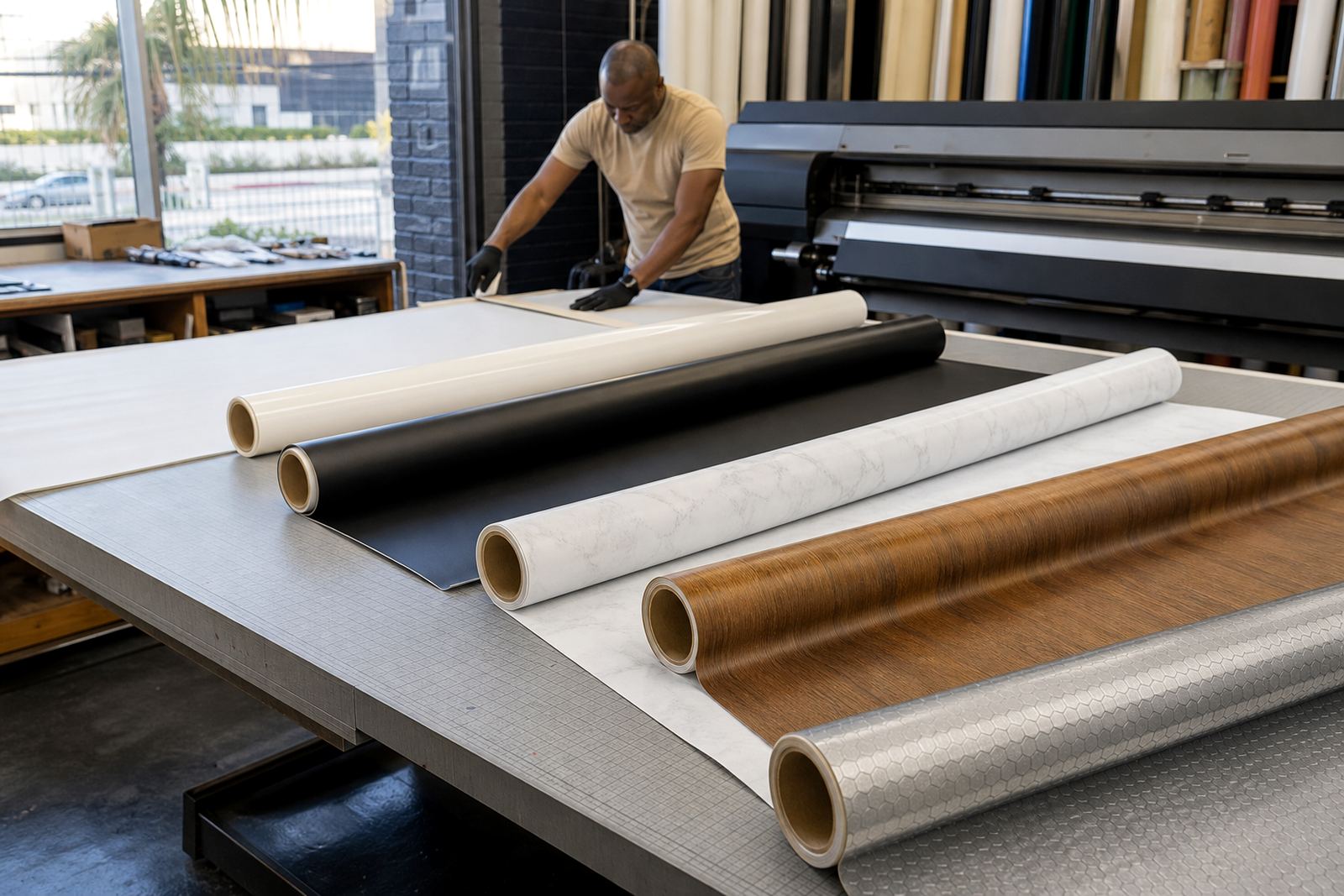
When you are unsure, test a small panel first. Look at colour density, edge sharpness and whether the ink sits on the surface or seems under-cured. If you use a roll-to-roll printer with PVC media, make sure the media path, heat settings and feed tension are suitable for the material thickness. For board work on a flatbed, confirm that vacuum hold-down and head height are set correctly to avoid head strikes and banding.
- Confirm the board thickness and printer clearance
- Test cure on a small sample before full production
- Check whether the ink suits direct printing on PVC surfaces
- Watch for odour, tackiness or surface distortion after curing
Set curing correctly for adhesion and finish
Curing is what turns a wet print into a durable dry surface. If the UV lamps are too strong or the pass settings too aggressive, the board can warp, the surface may overheat and the ink film can become brittle. If curing is too light, the print may feel tacky and adhesion can suffer, especially on handled pieces such as display panels or store signage.
Start with the printer manufacturer settings and then adjust only one thing at a time. A slower pass may improve cure on dense solids, while a lighter pass can help with heat sensitive boards. On some PVC sheets, it is better to use several controlled passes rather than one heavy application. Keep an eye on colour shift too, because overcuring can dull certain shades. If the board will be cut after printing, allow enough time for the ink to stabilise before routing or trimming.
Prepare artwork for signs and indoor branding
Good artwork prep reduces surprises on press. PVC boards are often used for point of sale panels, directional signs, menu boards and exhibition graphics, so the file should suit the final viewing distance. Small text must stay sharp, logos should be clean and solid areas need enough ink coverage to avoid patchiness. If the board will be mounted with standoffs or frame clips, keep key text away from the edges.
For indoor branding, colour consistency matters across a set of panels. Match the same file and same print recipe across all boards so one panel does not look warmer or darker than the next. If you are printing bilingual signage, leave enough room for line breaks and size differences. It also helps to decide early whether the finish should be matte or gloss, since lighting in shopping centres, offices and reception areas can change how the print reads.
- Set correct bleed and trim marks
- Use vector text where possible for crisp edges
- Keep fine details away from the board edge
- Proof one panel before committing to the full job
Handle, store and finish the boards carefully
PVC board can pick up marks if it is stacked badly or handled too soon after printing. Always lift sheets with clean hands or gloves and avoid rubbing the printed face. For mounted displays, check that the fixings suit the board thickness and the wall or frame surface.
Storage matters too. Keep boards flat, out of direct sun and away from damp floors. If you are sending boards to clients in Pretoria, Gqeberha or Paarl, pack them with edge protection so courier handling does not cause corner damage.
Use a simple production checklist before each run
A short checklist saves time and protects your stock. Before production, confirm that the board is clean, the file is correct and the printer is set for the right media thickness. Check the first print under good light and make sure the cure is complete across solid blocks, fine lines and full colour areas. If the board is for signage, also confirm the mounting method so you do not print into future drill points.
- Board clean, dry and flat
- Artwork approved and sized correctly
- Ink and printer settings matched to PVC
- Test print checked for adhesion and colour
- Finished sheets cooled before stacking
For repeat jobs, keep a note of the settings that worked. That makes reorders easier and gives you a steady result when clients want the same panel again a month later. It also helps when you are comparing different board suppliers or switching between indoor and sheltered outdoor applications.
Get support when PVC work needs testing or training
If your team is setting up a new PVC job, a fresh ink batch or a different printer mode, it is worth testing before full production. We help with ink selection, compatibility checks, adhesion testing, curing guidance, sample pack prep, production planning, operator training and remote technical help. That is useful when you are running short deadlines from Epping or managing courier stock for Cape Town, Johannesburg, Durban, Pretoria and Gqeberha.
For safety, always follow the safety data sheet for the ink you are using and wear gloves when handling materials and cleaning up. Good handling habits protect operators and keep prints consistent. If you need help choosing the right approach for PVC board, the enquiry form on our contact page is the best place to start.